
Side Dishes
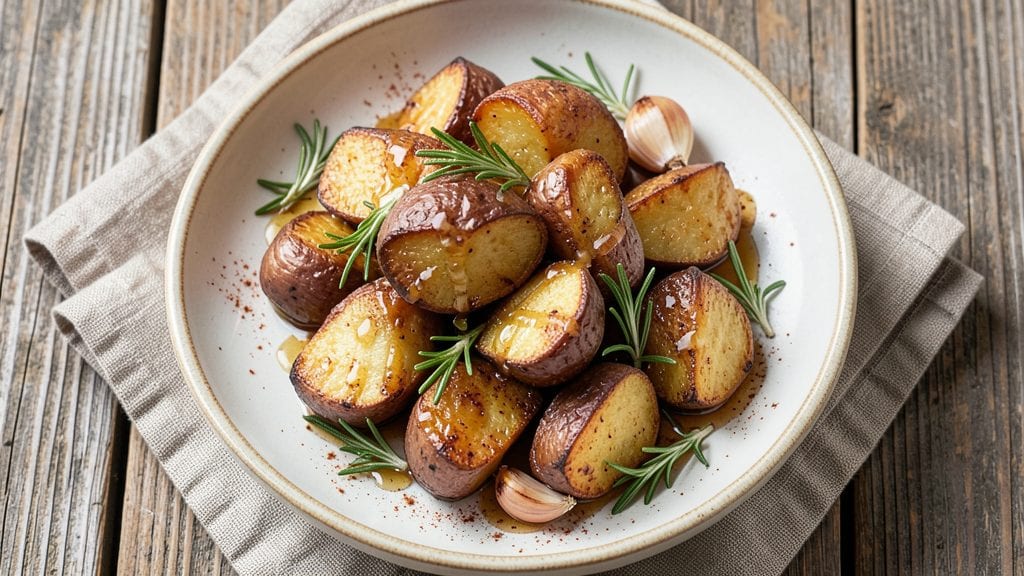
This crispy vinegar-braised confit potatoes recipe transforms simple wedges into a restaurant-worthy side dish with tender centers and golden, caramelized edges. The secret lies in slow-cooking the potatoes in a flavorful fat and vinegar mixture, creating a perfect balance of textures and flavors that elevates any meal.
I developed this method after years of experimenting with different braising techniques, and it never fails to impress.
The process begins with cutting potatoes into even wedges, ensuring they cook uniformly. You'll then simmer them in a blend of fat—traditionally duck fat, but vegetable oil works just as well—and vinegar, which adds tanginess while keeping the potatoes moist.
This method ensures the outsides become beautifully crispy while the insides remain fluffy and tender, a contrast that makes these potatoes irresistible.
What you'll end up with is a dish that's rich in flavor, crispy on the outside, and velvety on the inside, making it a standout side for roasted meats, grilled fish, or even as a hearty salad topping.
The vinegar braise adds a subtle tang that cuts through richer dishes, balancing the meal perfectly. Ready in about an hour, this recipe delivers professional-quality results with minimal effort.
For added depth, consider infusing the fat with garlic or herbs before cooking, or experiment with a pinch of smoked paprika for a subtle smoky note. Serve these confit potatoes alongside your favorite protein or use them as a base for a vibrant salad.
Let's get started on creating this foolproof side dish that will become a staple in your cooking repertoire.
Ingredients for confit potatoes
Simple ingredients that transform into restaurant-worthy confit potatoes with crispy edges and tender centers.
| Ingredient | Amount | Notes |
|---|---|---|
| Russet Potatoes 🥔 | 2 lbs | Cut into even wedges |
| Duck Fat 🦆 | ½ cup | Traditional choice, or substitute |
| Vegetable Oil 🫒 | ½ cup | For duck fat substitute |
| White Wine Vinegar 🍷 | ¼ cup | For tangy braise |
| Garlic Cloves 🧄 | 3 cloves | Minced for infusion |
| Fresh Rosemary 🌿 | ½ tsp | Chopped, for aroma |
| Smoked Paprika 🌶️ | ½ tsp | For subtle smoky depth |
| Salt 🧂 | 1 ½ tsp | Kosher or sea salt |
| Black Pepper 🌶️ | ½ tsp | Freshly ground |
| Fresh Thyme 🌿 | ¼ tsp | Leaves only, chopped |
| Bay Leaves 🍃 | 2 whole | For subtle depth |
The potatoes are the star—Russets are ideal for their fluffy texture, but Yukon Golds work too if you prefer creamier insides. Cut them into even wedges (about 1.5 inches thick) so they cook uniformly. For the fat, duck fat gives that classic confit flavor, but vegetable oil or ghee are great substitutes if you can't find it. I usually grab duck fat from Costco or specialty butchers, but regular grocery stores often carry it too. Look for vibrant color and no off smells—it should smell nutty, not rancid. If using oil, go for high-smoke-point varieties like avocado or grapeseed.
No duck fat? Vegetable oil or ghee work perfectly—just know the flavor will be slightly different. The vinegar is key for that tangy kick, but apple cider vinegar or balsamic vinegar can swap in if needed. Fresh herbs make all the difference here, but dried rosemary at half the amount works in a pinch. For the garlic, roast it first (400°F for 10 minutes) to mellow its flavor—trust me, it’s worth the extra minute. The smoked paprika adds depth without overpowering, but if you want more smokiness, add a pinch of liquid smoke (start with 0.25 tsp).
These potatoes reheat beautifully—just pop them in a 375°F oven for 10-15 minutes until crispy again. Store leftovers in the fridge for up to 5 days, covered with their braising liquid to keep them moist. For longer storage, freeze them (without the liquid) for up to 3 months. I like to portion them into single servings before freezing so I can grab exactly what I need. The crispiness softens when reheated, but a quick broil at the end restores that golden crunch.
Why You'll Love This Recipe
- Same recipe, different vibes: toss these with a salad for a lazy lunch or pile them high under a steak for a fancy night in. (Yes, even on a Tuesday.) The leftovers? Even better the next day—crispier edges, deeper flavor.
- One-Pan Magic: I swear by this when I’m too tired to scrub pots—just slice, simmer, and let the duck fat work its magic. No flipping, no fuss, and the garlic-infused oil? That’s the real MVP.
- Rich Without Effort: The duck fat melts into something dangerously tender, while the vinegar brightens it just enough to cut through richness. Honestly, it’s the kind of flavor that makes you pause mid-bite—like a hug from a French bistro.
- Weeknight to Dinner Party: Same recipe, different vibes: toss these with a salad for a lazy lunch or pile them high under a steak for a fancy night in. (Yes, even on a Tuesday.) The leftovers? Even better the next day—crispier edges, deeper flavor.
Step-by-step instructions for crispy vinegar-braised potatoes
Here's how to transform simple russet potatoes into golden, vinegar-kissed confit wedges with tender centers.
Prepare and Season the Potato Wedges
Start by cutting the 2 lbs russet potatoes into 1½-inch thick wedges, leaving the skin on for texture. Arrange them on a baking sheet in a single layer. In a small bowl, combine the 0.5 tsp smoked paprika, 0.5 tsp chopped fresh rosemary, 0.25 tsp chopped fresh thyme, 1.5 tsp salt, and 0.5 tsp freshly ground black pepper. Rub this mixture evenly over all potato wedges, pressing gently so the spices adhere.
Here's the thing—don't skip this seasoning step. The spices need time to penetrate the potatoes before cooking. Let them sit at room temperature for 15 minutes while you prepare the braising liquid. This resting period ensures even flavor distribution and prevents the potatoes from steaming instead of browning.
Create the Braising Liquid
In a large, deep skillet with a lid (I use a Dutch oven), heat the 0.5 cup duck fat and 0.5 cup vegetable oil over medium heat until the fat shimmers but doesn't smoke. Add the 3 minced garlic cloves and cook for 30 seconds until fragrant—this prevents the garlic from burning while still releasing its flavor. Stir in the 2 whole bay leaves and pour in the 0.25 cup white wine vinegar.
Let the vinegar simmer gently for 2 minutes until it reduces by about half and the aroma intensifies. This reduction concentrates the tangy flavor that will later penetrate the potatoes. The liquid should coat the bottom of the pan but not pool deeply—you want it to braise, not boil the potatoes.
Braise Until Tender and Crispy
Carefully add the seasoned potato wedges to the skillet in a single layer, arranging them cut-side down. Cover with the lid and reduce heat to low. Here's where patience pays off—braise for 45 minutes, checking occasionally. You'll know they're ready when a knife slides in easily and the edges begin to crisp.
After 45 minutes, flip each wedge cut-side up and continue braising uncovered for another 15-20 minutes. This second phase develops the crispy exterior while keeping the centers fluffy. Watch closely—the potatoes should develop a deep golden color with some caramelized edges. If they brown too quickly, move to a lower heat setting.
Finish with Crispy Perfection
When the potatoes are fork-tender with crispy edges, remove them from the skillet and transfer to a serving platter. Increase the heat to medium-high and let the braising liquid reduce by another 2-3 minutes until it thickens slightly. This concentrated liquid makes an excellent drizzling sauce for serving.
For maximum crispiness, return the potatoes to the skillet cut-side down and cook for 3-5 minutes until the bottoms develop a deep golden crust. Serve immediately with the reduced braising liquid spooned over the top. The contrast of crispy edges and fluffy centers is what makes these confit potatoes truly special.
Pro Tips For Making Confit Potatoes
- USE LOW AND SLOW HEAT: Confit potatoes need patience—don’t rush them. After parboiling, simmer in duck fat at 275°F (135°C) for at least 45 minutes, stirring occasionally. I learned the hard way that higher heat turns them greasy instead of tender.
- PEEL POTATOES AFTER COOKING: Russets peel better when warm. Skip peeling raw—it’s a mess. After parboiling, drain, let cool slightly, then peel under running water. The skins slide off clean, and you avoid wasting starch.
- DON’T OVERLOAD THE FAT: Too many potatoes in the fat = soggy results. Aim for 1.5 inches of space between them when simmering. Crowding traps steam, and your potatoes turn mushy instead of crisp-tender.
- ADD GARLIC AT THE END: Toss in minced garlic cloves only in the last 5 minutes of simmering. Raw garlic burns fast, and you’ll end up with bitter bits. Sauté it separately in duck fat first if you’re impatient—just add it back at the end.
Serving suggestions for this confit potatoes
Protein Pairings
These confit potatoes shine alongside rich, hearty proteins that balance their tangy, crispy profile. I always serve them with herb-crusted rack of lamb—the fat from the lamb mirrors the duck fat in the potatoes, creating a cohesive flavor experience.
For poultry lovers, pan-seared duck breast (cooked with the same duck fat) is a match made in heaven. If you're grilling, smoked brisket or bison burgers work beautifully—the smoky, savory notes complement the vinegar's brightness. 🥩
For seafood enthusiasts, try pairing with pan-seared halibut or grilled salmon. The delicate fish flavors contrast perfectly with the bold, crispy potatoes. I like to finish the fish with a squeeze of lemon to cut through the richness of the duck fat.
If you're serving chicken, thyme-roasted chicken thighs add a similar herby depth that ties everything together.
Salad Accompaniments
Turn your confit potatoes into a hearty salad by tossing them with arugula, shaved fennel, and toasted walnuts. Drizzle with a lemon-olive oil dressing to keep the dish light. The crispy edges add texture that balances the soft greens.
For a warmer salad, mix with roasted beets, goat cheese, and candied pecans—the sweetness of the beets and pecans pairs wonderfully with the vinegar's tang. 🥗
Another favorite is a warm grain salad with farro, cherry tomatoes, and fresh basil. The nutty farro soaks up the braising liquid beautifully, creating a cohesive bite. For a Mediterranean twist, add grilled zucchini and marinated artichokes to the mix.
The acidity from the artichokes enhances the vinegar in the potatoes, making every bite more vibrant.
Bread and Dipping
Serve these potatoes with crusty sourdough bread or garlic focaccia for scooping up the flavorful braising liquid. The bread acts as a vehicle for the crispy edges, making every bite more satisfying.
For an elevated touch, offer warm dinner rolls brushed with garlic butter—the buttery richness contrasts perfectly with the tangy potatoes. 🥖
If you're serving a crowd, set out small bowls of the reduced braising liquid as a dipping sauce. The concentrated vinegar and fat create a flavorful dip that guests will love.
For a spicier option, add a dash of hot sauce or chili crisp to the dipping sauce. The heat cuts through the richness, adding another layer of complexity to the dish.
Seasonal Variations
In summer, serve these potatoes as a side to grilled shrimp skewers or seared scallops. The lightness of the seafood balances the richness of the potatoes, making for a perfect summer meal.
For fall, pair with roasted pork tenderloin or braised short ribs—the deep, savory flavors of the meat complement the potatoes' crispy edges. 🍂
During winter, these potatoes make an excellent base for a loaded baked potato bar. Top with shredded cheddar, crispy bacon, and sour cream, then broil until bubbly. The contrast of warm, crispy potatoes with cool toppings is pure comfort food.
For spring, serve with lemon-herb roasted chicken and a side of asparagus—the bright, fresh flavors of spring pair beautifully with the rich, tangy potatoes.
Nutrition facts
Frequently asked questions
Can I make confit potatoes ahead of time?
These potatoes reheat beautifully. Store leftovers in the fridge for up to 5 days covered with their braising liquid to maintain moisture. For longer storage, freeze them (without the liquid) for up to 3 months. To restore crispiness, broil at 375°F for 10-15 minutes before serving.
What's the best fat to use if I don't have duck fat?
Vegetable oil, ghee, or rendered bacon fat work perfectly as substitutes. For a neutral flavor, use high-smoke-point oils like avocado or grapeseed. If using bacon fat, reduce the amount slightly (0.4 cup) since it's more concentrated. The key is a fat that can withstand slow cooking without burning.
Why did my confit potatoes turn out soggy?
Soggy potatoes usually happen from one of two issues: either the heat was too low (causing steaming instead of browning) or the cooking time was insufficient. Make sure to use low heat and cook until a knife slides in easily (45-60 minutes total). The final crisping step is crucial—always finish uncovered for 15-20 minutes to develop that perfect texture.
Can I use sweet potatoes instead of russets?
Yes, but expect different results! Sweet potatoes have a denser texture and higher moisture content, so they'll take longer to cook (60-75 minutes) and may not develop the same crispy exterior. For best results, reduce the vinegar slightly (0.2 cup) and increase the oil by 0.1 cup to help with browning.
How can I make these potatoes spicier?
Add 0.5 tsp smoked paprika to the seasoning mix, then finish with a sprinkle of chili flakes or a drizzle of hot sauce before serving. For extra heat, infuse the fat with 1 tsp cayenne pepper while heating it. Just remember, the vinegar's tang helps balance spice levels beautifully.