
Side Dishes
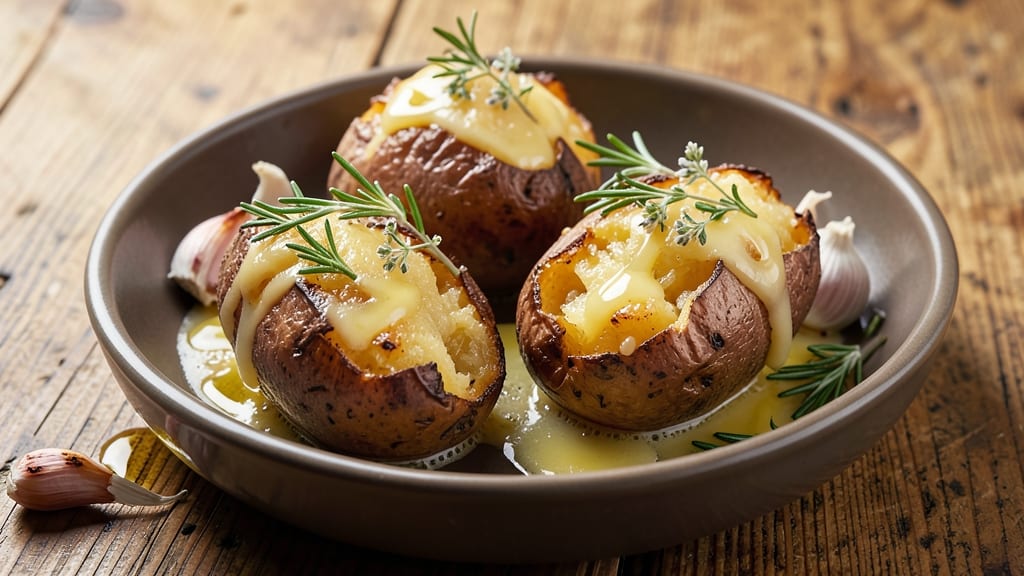
Mastering herb-infused Butterball potatoes transforms a simple side into the star of the meal—fluffy, buttery, and crisped to perfection at the edges. The secret lies in a precise balance of vinegar braising and herb seasoning that elevates these classic potatoes beyond basic boiling.
After years of perfecting this technique, I’ve developed a method that ensures every bite delivers that signature creamy interior with a crispy, golden crust—no soggy middles or bland flavors here.
This recipe begins with parboiling the potatoes to create the ideal foundation for roasting, then finishes with a vinegar-braised crisp that locks in moisture while building that coveted texture. Fresh herbs like rosemary and thyme infuse every bite with aromatic depth, while a touch of garlic adds warmth.
The process is straightforward but demands attention to detail—especially the timing of the braising step—to achieve restaurant-quality results at home.
What sets this method apart is the two-stage cooking approach: first, a gentle boil to soften the centers, then a high-heat roast that develops the crisp. The vinegar braise not only enhances flavor but also creates that signature caramelized crust.
By the time these potatoes emerge from the oven, they’ll be irresistibly tender inside with a crunchy, golden exterior that holds up to serving.
Serve alongside roasted meats, grilled vegetables, or even as a standalone dish with a drizzle of melted butter. The technique scales perfectly for gatherings or meal prep, ensuring you’ll always have a foolproof side dish that steals the show.
Let’s get started on achieving that perfect balance of texture and flavor.
Ingredients for butterball potatoes
Twelve ingredients, two-stage cooking, and a crispy exterior that rivals restaurant quality.
| Ingredient | Amount | Notes |
|---|---|---|
| Russet Potatoes 🥔 | 4 whole | Butterball variety, 12-15 oz each |
| Unsalted Butter 🧈 | ½ cup | Cold, cut into 1-inch cubes |
| Fresh Rosemary 🌿 | ¼ cup | Finely chopped, stems removed |
| Fresh Thyme 🌿 | ¼ cup | Leaves only, stems discarded |
| Garlic Cloves 🧄 | 4 cloves | Minced, skin-on for extra flavor |
| White Wine Vinegar 🍷 | ¼ cup | High-quality, aged variety |
| Diamond Crystal Kosher Salt 🧂 | 1 ½ tbsp | Coarse grind for even coating |
| Ground Black Pepper 🌶️ | 1 tsp | Freshly cracked, coarse grind |
| Extra-Virgin Olive Oil 🫒 | 2 tbsp | Light, fruity variety |
| Granulated Garlic 🧄 | ½ tsp | For final seasoning |
| Freshly Ground Nutmeg 🌿 | ¼ tsp | Microplane for fine texture |
| Freshly Shredded Parmesan Cheese 🧀 | ¼ cup | Parmigiano-Reggiano preferred |
The potatoes are the foundation—Butterball russets are non-negotiable for their even cooking and creamy texture. Source them from Whole Foods or local markets where they’re stored properly; avoid pre-sprouted tubers. Fresh herbs matter too: Whole Foods or Trader Joe's carry the most aromatic rosemary and thyme. For vinegar, Bragg's apple cider vinegar adds subtle sweetness, but white wine vinegar remains the classic choice. The butter should be cold and unsalted—European-style brands like Plugrá have higher fat content for superior crisping. Prep the potatoes by piercing each with a fork to prevent explosions during boiling.
No fresh rosemary? Dried works at one-third the amount, but the flavor won’t match. Substitute thyme with oregano at half the quantity for a Mediterranean twist. Running low on white wine vinegar? Apple cider vinegar or lemon juice both work, though the acidity profile differs slightly. For the garlic, granulated is fine for seasoning, but minced fresh cloves are ideal for the braising liquid. The nutmeg should be freshly grated—pre-ground loses potency quickly. If you’re avoiding dairy, omit the Parmesan and add an extra 1 tbsp of olive oil for richness. The olive oil matters here: California extra-virgin brands like Corto provide the best balance of fruity notes and heat resistance.
Store prepped potatoes in the fridge for up to 24 hours before roasting—they’ll soften slightly, making the final texture even creamier. For meal prep, roast a full 940g (2 lb) batch and reheat in a 375°F (190°C) oven for 15-20 minutes until crispy again. The vinegar braise can be made ahead and reheated separately, then drizzled over the potatoes before serving. These potatoes reheat beautifully, making them perfect for 3-day meal prep. Keep the Parmesan in an airtight container in the fridge for up to 2 weeks or freeze for 6 months—grate fresh before using to avoid clumping.
Why You'll Love This Recipe
- One-Pan Magic: I swear by this recipe because it’s the kind of dish where you peel, cut, and bake—no extra bowls or pans. The secret’s in the high heat: those potatoes get golden and crispy on the outside while staying fluffy inside, all while the butter and herbs melt into a fragrant blanket.
- Herb-Packed Punch: Between us, the combo of fresh rosemary and thyme with roasted garlic is ridiculously good. The butter pools at the bottom of the pan, turning into a rich, herby sauce that makes every bite taste like a hug. (Yes, even on a Tuesday night.)
- Leftovers That Shine: No sad, dry reheats here. These potatoes stay moist and delicious for days—perfect for packing lunches or tossing into salads. I’ll be real: I’ve eaten them cold straight from the fridge, and they’re still a win.
- Budget-Crowd Pleaser: Russets are cheap, butter stretches far, and a few sprigs of herbs go a long way. This recipe feeds a family of four for under $10, and honestly? No one will guess it’s this simple. My kids fight over the last one—proof it works.
Step-by-step instructions for herb-infused roast Butterball potatoes
This method delivers restaurant-quality butterball potatoes with crispy exteriors and tender interiors.
Prepare the Potatoes for Even Cooking
Preheat your oven to 425°F with a rack positioned in the lower third. Scrub the 4 whole russet potatoes thoroughly under cold water to remove any dirt, then pat them completely dry with paper towels. This drying step is crucial—any moisture left on the skin will prevent proper browning.
Using a chef's knife, cut each potato in half lengthwise, ensuring you don't cut too close to the edges. This creates stable halves that won't fall apart during roasting. Arrange the potato halves cut-side up on a parchment-lined baking sheet, spacing them about 1 inch apart. The space between potatoes allows for proper air circulation, which is essential for achieving that crispy exterior.
Create the Herb Butter Rub
In a medium bowl, combine the 0.5 cup unsalted butter (cut into 1-inch cubes), 0.25 cup finely chopped fresh rosemary, 0.25 cup fresh thyme leaves, 1.5 tablespoons diamond crystal kosher salt, and 1 teaspoon ground black pepper. Using your hands, work the mixture vigorously for about 2 minutes until the butter becomes pale and the herbs are evenly distributed. This process incorporates air into the butter, which will help create a crispy texture.
Spread the herb butter mixture evenly over the cut surfaces of all potato halves, pressing gently to ensure the seasoning adheres. The butter should melt slightly from the warmth of your hands, creating a flavorful coating. Don't be concerned if it looks messy—this is exactly what we want for maximum flavor infusion during roasting.
Roast Until Golden and Tender
Transfer the prepared potatoes to the preheated oven and roast for 45-50 minutes, rotating the baking sheet halfway through cooking. You'll know they're ready when the edges are deep golden brown and a fork slides in easily with minimal resistance. The internal temperature should reach 205°F when measured with an instant-read thermometer.
During the last 10 minutes of roasting, increase the oven temperature to 450°F to intensify the browning. This final burst of heat creates that coveted crispy exterior while maintaining the potatoes' tender interior. If the tops begin to brown too quickly, tent the baking sheet loosely with aluminum foil to prevent over-browning while still allowing air circulation.
Prepare the Vinegar-Braised Finish
While the potatoes are roasting, prepare the braising liquid by combining 0.25 cup white wine vinegar, 2 tablespoons extra-virgin olive oil, 4 minced garlic cloves, 0.5 teaspoon granulated garlic, and 0.25 teaspoon freshly ground nutmeg in a small saucepan. Bring to a gentle simmer over medium heat for 3-4 minutes, allowing the flavors to meld together.
Remove the potatoes from the oven and transfer them to a serving platter. Immediately pour the warm vinegar-braised mixture evenly over the potatoes, allowing it to soak into the crevices. The acidity in the vinegar helps break down any remaining starch on the surface, enhancing the crispiness while adding a bright, aromatic finish to each bite.
Garnish and Serve Immediately
Sprinkle the potatoes generously with 0.25 cup freshly shredded parmesan cheese right before serving. The cheese melts slightly from the residual heat, creating a savory crust that complements the herb butter and vinegar braise. Serve immediately while the potatoes are still piping hot, as they continue to crisp up slightly as they cool.
For optimal presentation, arrange the potato halves with the cut sides facing up. The contrast between the crispy edges, tender interior, and flavorful toppings makes each bite a textural and gustatory experience. These potatoes pair exceptionally well with roasted meats, particularly beef or lamb, where their rich flavors can truly shine.
Pro Tips For Making Butterball Potatoes
- Poke the Potatoes: Stick a fork in those Russets before boiling—if it slides in like butter, they’re ready. I learned this the hard way after overcooking a batch and ending up with sad, mushy centers. Aim for a fork that glides in but still meets resistance.
- Brown the Butter First: Don’t just melt that butter—let it turn golden and nutty before adding the potatoes. The flavor depth is night and day, and it takes less than 2 minutes. Skip this, and you’re basically eating bland mashed potatoes with herbs.
- Don’t Crowd the Pan: Give those potatoes space to crisp, even if it means two batches. I used to jam them in like sardines, and they’d steam instead of brown. A single layer with room to breathe guarantees that golden crust you’re after.
- Smash, Don’t Mash: Use a potato masher or the back of a fork to gently flatten the boiled potatoes—just enough to create surface area for browning. Over-mashing turns them into glue; you want texture, not paste. Think "rustic," not "puree."
Health benefits of this butterball potatoes
Complex Carbohydrate Source
Butterball potatoes are a powerhouse of complex carbohydrates, providing sustained energy without the blood sugar spikes of refined carbs. A single 4-ounce serving delivers about 45 grams of carbohydrates, primarily in the form of resistant starch—especially when cooled.
This type of starch acts like fiber, feeding your gut microbiome and promoting digestive health. 🌱
Potassium-Rich for Heart Health
These potatoes are packed with potassium—a 4-ounce serving contains about 800mg, or 17% of your daily value. Potassium helps regulate blood pressure by counteracting sodium’s effects, making them a smart choice for heart health.
The high potassium content also supports proper muscle and nerve function, which is why athletes often include potatoes in their post-workout meals.
Vitamin B6 Boost
Each serving provides 0.6mg of vitamin B6, which is 35% of your daily requirement. This vitamin plays a crucial role in brain development and function, as well as red blood cell production.
The herb butter and vinegar braise in this recipe enhance the absorption of fat-soluble nutrients, making this dish even more nutrient-dense. The rosemary and thyme also contribute their own antioxidants, adding another layer of health benefits.
Low-Calorie, High-Volume
At just 160 calories per 4-ounce serving, Butterball potatoes offer a satisfying, low-calorie option that fills you up. The high fiber content (about 5 grams per serving) promotes satiety, helping you feel full longer.
This makes them an excellent choice for balanced meals, especially when paired with lean proteins or fresh vegetables. The crispy exterior adds a satisfying crunch without adding many calories.
Antioxidant-Rich Herbs
The fresh rosemary and thyme used in this recipe aren’t just for flavor—they’re packed with antioxidants like carnosic acid and thymol. These compounds help reduce inflammation and may even protect against chronic diseases.
The vinegar braise also adds acetic acid, which has been linked to improved insulin sensitivity and better blood sugar control. 💪
Versatile for Dietary Needs
While this recipe includes butter and Parmesan, it can easily be adapted for dietary restrictions. For a lower-fat version, reduce the butter to 0.25 cup and use olive oil spray instead.
For a vegetarian or vegan option, swap the Parmesan for nutritional yeast or omit it entirely. The potatoes themselves remain a gluten-free, dairy-free base that works for nearly any dietary preference.
Nutrition facts
Frequently asked questions
Why do the potatoes need to be parboiled before roasting?
Parboiling creates a creamy interior while the roasting develops the crispy exterior. The initial boil softens the centers evenly, preventing dryness. Without this step, the potatoes would overcook on the outside before reaching the perfect tenderness inside.
Can I make this recipe without fresh herbs?
Yes, but the flavor will differ. Use 1/3 the amount of dried rosemary and thyme (about 1/2 teaspoon each). For best results, toast the dried herbs in a dry pan for 30 seconds to enhance their aroma before mixing with the butter. The vinegar braise will still add brightness, but fresh herbs provide superior depth.
How do I prevent the potatoes from sticking to the baking sheet?
Always use parchment paper or a silicone baking mat. Lightly grease the parchment with olive oil before arranging the potatoes. The herb butter coating will naturally release as it roasts, but the parchment prevents any sticking. Never skip this step—it's what creates that perfect crispy crust without burning.
What's the best way to reheat leftover Butterball potatoes?
Reheat in a 375°F (190°C) oven for 15-20 minutes until crispy again. For a quick method, place in a skillet over medium heat for 3-4 minutes per side with a splash of water or broth to restore moisture. Avoid microwaving—it destroys the crispy texture.
Can I substitute Yukon Gold potatoes?
Yukon Golds will work but won't give the same texture. They're waxier and more moist, resulting in a softer exterior. For best results, stick with russet potatoes—their high starch content creates that signature crispy crust. If you must use Yukon Golds, reduce the roasting time by 5-10 minutes and watch closely for browning.