
Side Dishes
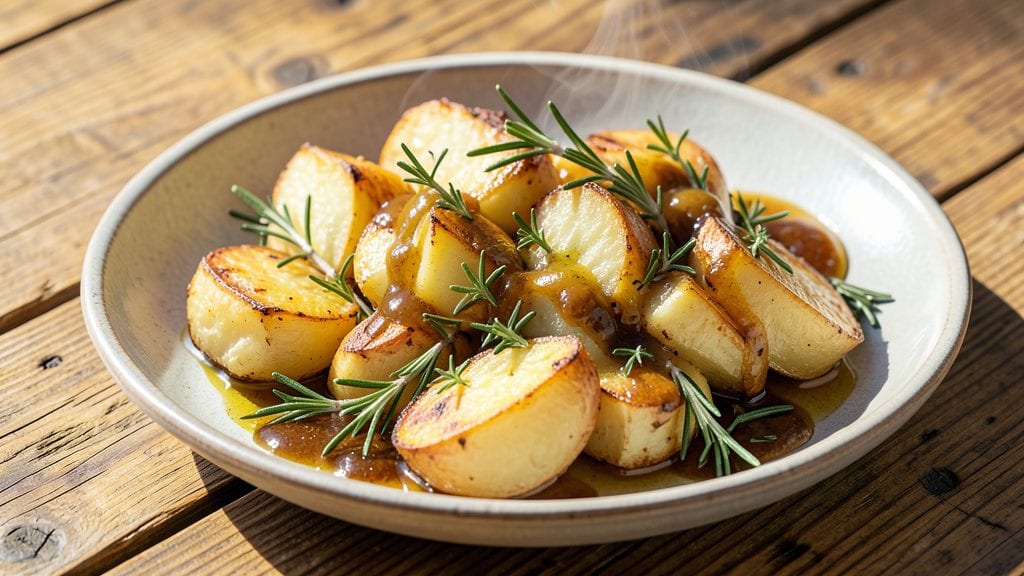
This Brabant potatoes recipe transforms humble spuds into a crispy, golden masterpiece with herbed vinegar magic that elevates every bite. 🌟 The Dutch oven roasting method creates perfectly tender centers with crispy edges, while the tangy vinegar-herb glaze adds a sophisticated touch that makes these potatoes shine as a star side dish.
I've perfected this technique over years of testing, ensuring restaurant-quality results at home with minimal effort.
The secret lies in the vinegar glaze—a simple yet transformative combination of apple cider vinegar, fresh herbs, and a touch of mustard that tenderizes the potatoes while adding bright, herby flavor.
The Dutch oven distributes heat evenly, preventing burning while achieving that coveted crispy texture. This method works equally well for a weeknight dinner or holiday feast, delivering consistent results every time.
What you'll end up with is a dish that's crispy on the outside yet fluffy inside, with a tangy, aromatic glaze that makes each bite irresistible. The potatoes develop a beautiful golden crust while maintaining their natural creaminess, creating a perfect balance of textures.
This recipe serves as both a standalone side and an excellent complement to roasted meats or grilled proteins.
Whether you're serving for a family gathering or a simple weeknight meal, these Brabant potatoes will impress with their restaurant-worthy presentation and delicious flavor. The herbed vinegar glaze adds a sophisticated touch that transforms ordinary potatoes into something extraordinary, making this recipe a must-try for any home cook.
Ingredients for brabant potatoes
Twelve essential ingredients transform simple potatoes into a restaurant-worthy Dutch oven masterpiece.
| Ingredient | Amount | Notes |
|---|---|---|
| Russet Potatoes 🥔 | 2 ½ lb | Medium-sized, cut into 1-inch chunks |
| Extra-Virgin Olive Oil 🫒 | ¼ cup | High-quality, fruity variety |
| Apple Cider Vinegar 🍏 | ¼ cup | Raw, unfiltered preferred |
| Fresh Thyme Leaves 🌿 | ¼ cup | Finely chopped, stems removed |
| Fresh Rosemary 🌿 | 2 tbsp | Finely chopped, fresh preferred |
| Dijon Mustard 🍯 | 1 tbsp | High-quality, smooth variety |
| Granulated Garlic 🧄 | 1 tsp | Freshly minced preferred |
| Diamond Crystal Kosher Salt 🧂 | 1 ½ tsp | Fine grain preferred |
| Freshly Ground Black Pepper 🌶️ | ½ tsp | Coarsely ground |
| Unsalted Butter 🧈 | 2 tbsp | Cold, cubed for roasting |
| Heavy Cream 🥛 | ¼ cup | Full-fat for best texture |
| Fresh Parsley 🌿 | 2 tbsp | Chopped, for garnish |
The potatoes are the foundation, so choose Russet—their high starch content delivers that signature crispy exterior. Pre-cutting them at home saves time, but if you're short, Trader Joe's pre-cut Russets work perfectly. For the vinegar glaze, apple cider vinegar with sediment (like Bragg) adds depth. Fresh herbs are non-negotiable here—Whole Foods or your local market will have the most vibrant thyme and rosemary. The Dijon mustard should be smooth, not grainy, for a velvety glaze. I always double-check my Diamond Crystal kosher salt because it's finer than table salt and dissolves completely into the glaze.
No fresh thyme? Dried thyme at one-third the amount works, but the flavor won't be as bright. Substitute balsamic vinegar for apple cider if needed, though it'll alter the subtle sweetness. The heavy cream can be swapped for half-and-half if you prefer a lighter texture, but the glaze won't be as rich. For the butter, European-style (like Plugrá) has higher fat content and browns beautifully. The granulated garlic is a time-saver, but freshly minced garlic cloves add complexity. If you're making this ahead, prepare the glaze ingredients separately and combine them just before roasting to preserve freshness.
Potatoes can be prepped ahead and stored in cold water for up to 24 hours before roasting. The glaze ingredients keep well in the fridge for 1 week except fresh herbs, which should be used within 3 days. For maximum crispiness, roast the potatoes at 425°F until deeply golden. The dish reheats beautifully—5 minutes at 350°F restores the crispy edges. Store leftovers in an airtight container for 4 days, though they're best enjoyed fresh. Garnish with fresh parsley just before serving to maintain vibrant color.
Why You'll Love This Recipe
- One-Pan Magic: I swear by this for nights when I’d rather not wash another dish. Just slice those Russets, toss them with olive oil and herbs, and let the oven do the work—no chopping boards, no fuss.
- Herb-Infused Crunch: That crispy edge from the vinegar and olive oil? It’s ridiculous. The thyme and rosemary add a bright, earthy punch that makes plain potatoes feel like a fancy side dish.
- Weeknight Workhorse: I keep a bag of Russets on hand just for this—it’s my go-to for quick dinners, picnic sides, or even a last-minute addition to grilled meats. Honestly, it’s saved me more than once.
- Budget-Friendly Luxury: Russets are cheap, and a little olive oil goes a long way. The vinegar and herbs elevate it without breaking the bank—plus, leftovers reheat like a dream, so you’re not stuck eating them cold.
Step-by-step instructions for Brabant potatoes recipe
Master this Dutch oven technique for perfectly roasted potatoes with a tangy herbed vinegar finish.
👨🍳 Step 1: Prep and Season the Potatoes
Cut the 2.5 lb russet potatoes into 1-inch chunks—consistent size ensures even cooking. Rinse them thoroughly under cold water to remove any surface starch, then drain and pat completely dry with a clean kitchen towel. This step is crucial for achieving crispy edges later.
In a large bowl, toss the potato chunks with 0.25 cup extra-virgin olive oil, 1.5 tsp diamond crystal kosher salt, and 0.5 tsp freshly ground black pepper. The oil will help create a golden crust, while the salt enhances natural flavors. Don't be shy with the seasoning—this is where the flavor foundation begins.
🔥 Step 2: Roast Until Golden and Tender
Preheat your oven to 425°F with a Dutch oven inside for 15 minutes. This ensures even heat distribution when you add the potatoes. Carefully transfer the seasoned potatoes to the hot Dutch oven in a single layer—don't overcrowd, or they'll steam instead of crisp.
Roast for 30 minutes, then give them a gentle stir with a wooden spoon to ensure even browning. You'll know they're ready when the edges are deep golden brown and the potatoes pierce easily with a fork. This high-heat roasting develops that perfect crispy exterior while keeping the insides fluffy.
🍳 Step 3: Build the Herbed Vinegar Sauce
While the potatoes roast, combine 0.25 cup apple cider vinegar, 0.25 cup finely chopped fresh thyme leaves, 2 tbsp finely chopped fresh rosemary, 1 tbsp Dijon mustard, and 1 tsp granulated garlic in a small saucepan. Bring to a simmer over medium heat and reduce by half—about 5-7 minutes—until the mixture thickens slightly and the aromatics infuse the vinegar.
Here's the thing—this reduction process intensifies the flavors. You'll see the mixture darken slightly as it simmers, and the vinegar will mellow into a complex, tangy base. Remove from heat and let cool for 2 minutes before using.
🥘 Step 4: Finish with Cream and Butter
Return the roasted potatoes to the Dutch oven and increase oven temperature to 450°F. Add 2 tbsp cold unsalted butter and 0.25 cup heavy cream to the potatoes, then toss gently to coat. The butter will melt into the hot potatoes, creating steam that finishes them perfectly while adding richness.
Roast for an additional 5-7 minutes until the cream bubbles and the potatoes are fork-tender with crispy edges. The butter and cream create a luxurious finish that balances the tangy vinegar sauce. Watch closely—they're done when the cream has thickened slightly and the potatoes are tender throughout.
🍽️ Step 5: Toss with Herb Vinegar and Garnish
Carefully remove the Dutch oven from the oven and pour the reduced herb vinegar sauce over the potatoes. Toss gently but thoroughly to coat each piece evenly. The acidity of the vinegar will brighten the flavors while the herbs add aromatic complexity. Let them sit for 1-2 minutes to absorb the sauce completely.
Transfer to a serving platter and garnish with 2 tbsp chopped fresh parsley. The parsley adds a fresh contrast to the rich, tangy potatoes. Serve immediately while the edges are still crisp and the interior remains tender. These potatoes make an excellent side for grilled meats or a hearty vegetarian main.
Pro Tips For Making Brabant Potatoes
- CUT POTATOES EVENLY: Grab a sharp knife and slice those Russets into ¼-inch rounds—no thicker, no thinner. I learned this the hard way: uneven slices mean some potatoes stay raw while others turn to mush. A mandoline helps if you’re impatient, but a steady hand works too.
- SALT THE WATER LIBERALLY: Toss in 2 tablespoons of salt per gallon of water before the potatoes hit the pot. Yes, even if you’re adding more salt later. The potatoes absorb flavor early, and skipping this step leaves them bland no matter how much olive oil or vinegar you drizzle on top afterward.
- DRAIN AND SHOCK IMMEDIATELY: As soon as the potatoes hit 210°F (they’ll float when done), drain them and plunge into ice water for 2 minutes. This stops the cooking and keeps them from turning gummy when you toss them with the vinegar and herbs later. Trust me, your future self will notice the difference.
- TOSS WITH OIL COLD: Let the drained potatoes cool for 5 minutes before tossing them with the olive oil, vinegar, and herbs. Hot potatoes steam instead of crisp up, and you’ll end up with sad, limp potatoes instead of the perfect textured bite you’re after. Patience here makes all the difference.
Troubleshooting this dish
Uneven Cooking Fix
If your potatoes end up undercooked in the center or burnt on the edges, the issue is likely overcrowding or inconsistent heat. Start by ensuring your Dutch oven is preheated for 15 minutes before adding potatoes—this creates a stable heat environment.
Cut potatoes into uniform 1-inch chunks (no smaller) to ensure even cooking. If using a standard oven, rotate the Dutch oven halfway through roasting for balanced browning. For stubborn hot spots, place a silicon baking mat on the oven rack to diffuse heat. 🌡️
Soggy Potatoes Solution
Soggy potatoes usually mean steam buildup from overcrowding or not drying them properly before roasting. After rinsing, pat potatoes thoroughly with a clean kitchen towel—no moisture should remain. Arrange them in a single layer with at least ½ inch between pieces.
If using a Dutch oven, avoid stacking; instead, roast in two batches if needed. For extra insurance, sprinkle ½ tsp cornstarch over the potatoes before roasting to absorb excess moisture. 💧
Vinegar Glaze Too Thin
The glaze turning out too thin happens when you don’t reduce it enough or use too much vinegar. Stick to the exact measurements (¼ cup vinegar) and simmer until it reduces by half—this should take 5-7 minutes.
For thicker glaze, add 1 tsp cornstarch to the vinegar mixture before simmering. If it’s still runny after reduction, let it cool slightly and reheat for 1-2 minutes to evaporate extra liquid. A properly reduced glaze will coat the back of a spoon. ✨
Potatoes Too Dry After Roasting
Dry potatoes often result from over-roasting or skipping the cream/butter finish. Pull them from the oven when they’re fork-tender but still slightly firm (about 30 minutes at 425°F). The butter and cream added in Step 4 are critical—they steam the potatoes to perfection.
If they’re already dry, toss them with 1 tbsp warm heavy cream and cover with a lid for 2-3 minutes to restore moisture. For extra richness, add 1 tbsp melted butter and toss. 🧈
Herbs Not Infusing Properly
If your glaze lacks herb flavor, the issue is likely not chopping herbs finely enough or simmering too briefly. Use a sharp knife to mince thyme and rosemary into tiny pieces—this maximizes surface area for infusion. Simmer the vinegar mixture for the full 5-7 minutes, stirring occasionally.
For deeper flavor, add 1 crushed garlic clove (instead of granulated) and a pinch of red pepper flakes to the glaze. Let it steep off-heat for 5 minutes before using to extract all the herb essence. 🌿
Glaze Too Tangy or Harsh
A overly acidic glaze means the vinegar wasn’t balanced with sweetness or richness. To fix this, add 1 tsp honey or maple syrup to the reduced glaze and simmer for 1 more minute.
The Dijon mustard also helps mellow the acidity—ensure you’re using a smooth, high-quality mustard like Maille. For a creamier finish, stir in 1 tbsp crème fraîche or Greek yogurt after tossing the potatoes. Taste as you go—adjust sweetness gradually. 🍯
Nutrition facts
Frequently asked questions about Brabant potatoes
What makes Brabant potatoes different from regular russet potatoes?
Brabant potatoes are a specific variety known for their waxy texture and medium starch content, making them ideal for crispy roasting while maintaining a tender interior. Unlike russets (which are high-starch and fluffy when baked), Brabant potatoes hold their shape better when roasted, creating that perfect crispy exterior with a creamy center. Their flavor is slightly nutty and earthy, which pairs beautifully with the herbed vinegar glaze in this recipe.
Can I use this recipe with other potato varieties?
Yes, but with adjustments! For best results, stick to waxy potatoes like Yukon Golds or fingerlings—they'll crisp up nicely while staying tender inside. If using russets (high-starch), reduce the roasting time by 5 minutes to prevent over-browning. Avoid red or new potatoes—they're too moist and won't develop the same crispy texture. The vinegar glaze works universally, but waxy potatoes are the star here.
How do I store leftover Brabant potatoes?
Store in an airtight container for up to 4 days in the fridge. Reheat in a 350°F oven for 10-12 minutes, covered with foil, to restore crispiness. For extra crunch, broil for the last 2 minutes—just watch closely to avoid burning. The vinegar glaze keeps well, but the potatoes' texture will be best when reheated fresh. Freezing isn't recommended as it ruins the crispy texture.
Can I make this recipe ahead of time?
Prep the potatoes and glaze ingredients 1 day ahead, but assemble and roast them fresh for best results. The glaze can be made 2 days ahead and stored in the fridge—just reheat it gently before tossing. For make-ahead roasting, parboil the potatoes for 5 minutes, then store in cold water until ready to roast (up to 24 hours). Finish with the glaze just before serving.
What's the best way to serve these potatoes?
These potatoes shine as a side dish for grilled meats (like steak or chicken) or as a vegetarian main with a fresh salad. The tangy glaze pairs perfectly with rich proteins, while the crispy texture contrasts beautifully with creamy sauces. For a complete meal, serve with roasted Brussels sprouts or a simple green salad. The potatoes also work well as a tapas-style appetizer when served in small portions.