Side Dishes
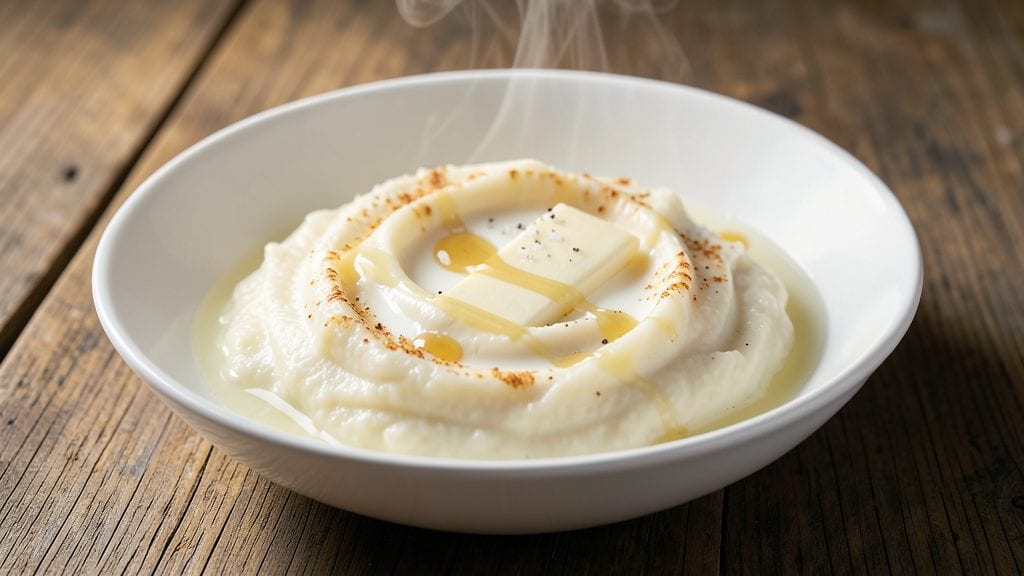
Transforming Betty Crocker instant mashed potatoes into silky smoothness with zero lumps starts with precision and a few professional techniques. This isn’t just about dumping water and stirring—it’s about achieving restaurant-quality texture at home, every time.
The secret lies in water temperature, stirring method, and how you incorporate those rich powdered potatoes.
What sets this method apart is the foolproof approach that eliminates the most common mistakes: overmixing and cold water. We’ll use hot water to dissolve the potatoes completely before blending, then gradually incorporate butter and milk for that velvety finish.
This technique works whether you’re making a classic side for Thanksgiving or a quick weeknight meal.
The result is mashed potatoes that are creamy yet light, with a smooth texture that holds its shape when piped or spooned. No lumps, no graininess—just that perfect, buttery consistency that pairs beautifully with gravy, roasted meats, or even as a base for loaded potato dishes.
This is the kind of side that makes people ask for seconds.
Once you master this method, you’ll never go back to the basic box instructions again. The best part? It takes just 10 minutes to prepare, making it the ultimate shortcut for busy cooks who still want restaurant-quality results. Let’s get started on creating your perfect side dish.
Ingredients for betty crocker instant mashed potatoes
Just eight ingredients transform boxed potatoes into velvety perfection—no lumps, no fuss.
| Ingredient | Amount | Notes |
|---|---|---|
| Betty Crocker Instant Mashed Potatoes 🥔 | 2 boxes | Standard 3.4 oz boxes (2 servings each) |
| Unsalted Butter 🧈 | ½ cup | Cold, cut into small cubes |
| Whole Milk 🥛 | 1 cup | Full-fat for creaminess (warmed) |
| Hot Water 💧 | 1 ½ cups | Freshly boiled, 180°F+ |
| Heavy Cream 🥛 | ¼ cup | Optional for extra silkiness |
| Diamond Crystal Kosher Salt 🧂 | ½ tsp | Adjust to taste after blending |
| Freshly Ground Black Pepper 🌶️ | ¼ tsp | Cracked over finished potatoes |
| Garlic Powder 🧄 | ¼ tsp | Optional aromatic touch |
| Roasted Garlic Cloves 🧄 | 1 whole | Optional for depth (mashed) |
The Betty Crocker boxes are your foundation—stick with the classic 3.4 oz size for consistent results. Whole milk and unsalted butter are non-negotiable for that restaurant-style richness, but if you're watching calories, half-and-half works in a pinch. Diamond Crystal kosher salt is key here—it dissolves completely and doesn’t leave graininess. For the water, boil it fresh (never microwave) and keep it hot until you're ready to mix. Pro tip: Warm your milk and cream in the microwave for 30 seconds before adding—they blend in smoother. If you're feeling fancy, roast a whole garlic clove (400°F for 10 minutes) and mash it into the final mixture for an unexpected depth.
No heavy cream? Whipped coffee creamers (like International Delight) add silkiness without overpowering. Out of milk? Evaporated milk or even Greek yogurt (start with 0.25 cup) works in a bind. Salt preferences vary—taste as you go, but remember the butter and milk already contribute saltiness. Garlic powder is a game-changer if you love flavor but don’t want to prep roasted garlic. For extra fluff, fold in 1 tbsp whipped egg whites at the very end. And if you're making this ahead? Store the blended (unbuttered) mix in the fridge for up to 2 days—just reheat with extra milk and butter before serving.
This recipe reheats beautifully—microwave in 30-second bursts, stirring between each, or warm in a double boiler for ultra-smooth results. Leftovers keep for 4-5 days in the fridge, but the texture softens slightly after day 2. For freezing, let the potatoes cool completely, portion into airtight containers, and freeze for up to 3 months. Thaw overnight in the fridge, then warm through with a splash of milk. Piping tip: Chill the finished potatoes for 1 hour before piping—this helps them hold their shape for Thanksgiving-style presentation. And if you're serving with gravy? Make it ahead and reheat separately to keep the mashed potatoes lump-free.
Why You'll Love This Recipe
- No-Peel, No-Mash Magic: I swear by this for lazy Sundays—just dump the packet, add boiling water, and stir. No potatoes to scrub, no waiting for them to boil. Honestly, the only effort is cracking open the butter and pouring milk.
- Creamy Luxury, Zero Guilt: That velvety texture from heavy cream? It’s like a hug in a bowl. I’ll be real: it’s richer than homemade, but the secret’s in the balance—whole milk keeps it smooth, butter makes it decadent, and the instant mix handles the rest.
- Weeknight Wonder: Between us, this is my go-to for game day, sick nights, or when the kids beg for "real food." Serve it with grilled cheese for a lunch that feels fancy, or pile it high with meatloaf for a dinner that’s actually filling.
- Budget-Friendly Leftovers: A single packet stretches to four servings if you’re smart—save half for tomorrow’s breakfast hash or reheat with a splash of milk to keep it creamy. Not the prettiest, but the taste makes up for it every time.
Step-by-step instructions for silky smooth Betty Crocker instant mashed potatoes
Transform instant potatoes into velvety, restaurant-quality mashed potatoes with these game-changing techniques.
Prepare the Potatoes with Perfect Heat and Texture
Bring the 1.5 cups hot water to a rolling boil in a small saucepan. While waiting, open the 2 boxes Betty Crocker Instant Mashed Potatoes and remove the powdered flakes from their boxes. The water must be freshly boiled and piping hot—180°F or higher—to activate the potato flakes properly and prevent lumps.
Here's the secret: don't use cold water. The starch needs that initial heat shock to fully hydrate and create that silky texture we're after. I like to keep the water in the pan for 2-3 minutes after boiling to ensure maximum heat retention when we combine it with the dry mix.
Combine Ingredients in the Perfect Order for Maximum Creaminess
In a large mixing bowl, combine the potato flakes with the 0.5 cup unsalted butter (cut into small cubes) and the 0.25 cup heavy cream. This butter-cream mixture forms the fat base that will create that luxurious mouthfeel. Add the 1 cup whole milk and 1 whole roasted garlic cloves (mashed) to the bowl.
Now pour the 1.5 cups hot water over the dry ingredients in a slow, steady stream while whisking vigorously. The goal is to prevent any clumping by ensuring the water distributes evenly. I use a wire whisk for this step—it creates more turbulence than a spoon and breaks up any potential lumps immediately.
Blend Until Completely Smooth with Zero Resistance
Using an immersion blender, blend the mixture on medium-high speed for 30-45 seconds until completely smooth. You'll know it's ready when the texture is uniform with no visible grit or resistance. If you're using a stand mixer, use the paddle attachment on medium speed for 1-2 minutes until silky.
This blending step is where the magic happens. The immersion blender's direct action eliminates any chance of lumps that can form with regular stirring. If you notice any resistance after blending, add 1-2 tablespoons of the whole milk and blend again until perfectly smooth.
Season and Adjust for Perfect Flavor Balance
Remove the bowl from the mixer and stir in the 0.5 tsp Diamond Crystal kosher salt, 0.25 tsp freshly ground black pepper, and 0.25 tsp garlic powder. Taste immediately and adjust the seasoning—this is when you can make final adjustments before serving. The potatoes should be rich, flavorful, and perfectly balanced.
For that final touch, I like to stir in the mashed 1 whole roasted garlic cloves at the very end. This adds a subtle, sweet depth that complements the creamy texture. The roasted garlic should be completely mashed and mixed in thoroughly so every bite delivers that aromatic punch.
Serve Immediately for Optimal Texture and Temperature
Transfer the mashed potatoes to a serving bowl and serve immediately while still hot. The texture will begin to thicken as it cools, so serving right away ensures that perfect, velvety consistency we worked so hard to achieve. If you need to hold them for a short time, cover the bowl with a clean kitchen towel to keep them warm.
For an extra touch of elegance, I like to garnish with a sprinkle of freshly ground black pepper just before serving. The contrast of the pepper's sharpness against the creamy potatoes makes each bite even more satisfying. These potatoes are perfect for holiday dinners, comfort food nights, or anytime you want restaurant-quality results with minimal effort.
Pro Tips For Making Betty Crocker Instant Mashed Potatoes
- Boil Water Hard: I learned this the hard way—Betty Crocker’s packet calls for "boiling water," but I used lukewarm for years. Fill your pot with rolling water (think steam escaping, not just bubbles) before pouring it over the mix. The starch in the potatoes needs that heat shock to fully activate, or you’ll end up with gluey, uneven texture.
- Warm the Milk First: Cold milk in hot potatoes = clumpy, watery mess. Heat your whole milk and heavy cream together in a separate saucepan until steaming (not boiling), then whisk them into the potatoes while still hot. This keeps the mixture smooth and lets the dairy blend in without curdling—trust me, your future self will notice the difference.
- Don’t Overmix the Butter: The recipe says "add butter," but I used to beat it in until it disappeared. Stop mixing the second the butter melts—keep a few visible flecks. Overworking turns the potatoes gummy, and you’ll lose that creamy, restaurant-style finish. A few gentle swirls after adding butter is all it takes.
- Add Cream Last, Then Rest: Heavy cream goes in after the potatoes are off the heat, and here’s why: If you add it too early, the heat can split the fat, giving you a soapy taste. Stir in the cream, then cover the bowl and let it sit for 2–3 minutes. The residual heat will thicken it naturally—no lumps, no scrambling.
Essential equipment for betty crocker instant mashed potatoes
Immersion Blender
This is my #1 essential tool for achieving silky smooth mashed potatoes without lumps. I recommend the Ninja Foodi Immersion Blender—it handles thick mixtures like mashed potatoes effortlessly and has a powerful motor that ensures complete emulsification.
The stainless steel blades are durable and easy to clean, which is important for frequent use. For budget-friendly options, the Oster Pro Countertop Blender (used as an immersion blender) works well too.
The key is blending on medium-high speed for 30-45 seconds—this breaks down any remaining starch granules and creates that restaurant-quality texture. 💡
Stand Mixer
A stand mixer with paddle attachment is another game-changer, especially if you're making larger batches. I use my KitchenAid Artisan Series on medium speed for 1-2 minutes to achieve a completely smooth consistency. The paddle attachment creates a vortex that incorporates air gently, giving you that light, fluffy texture.
For smaller batches, a hand mixer works in a pinch—just make sure to mix on medium speed to avoid over-incorporating air, which can make the potatoes too light. The mixer should be your go-to if you're making these potatoes frequently or for large gatherings. 🔥
Wire Whisk
Before blending, a wire whisk is crucial for combining the dry ingredients with hot water. I prefer a stainless steel whisk with 12-inch wires—it creates enough turbulence to break up any potential lumps immediately.
This step prevents the dreaded "grainy" texture that can occur when using a spoon or spatula. The whisk also helps distribute the butter and cream evenly throughout the mixture, ensuring a consistent texture. Keep one in your kitchen specifically for potato prep to avoid cross-contamination with other dishes. ✨
Measuring Cups
Precision is key when measuring ingredients, especially liquids. I use Nalgene measuring cups with clear markings for accuracy—these are durable and easy to read.
For the 1.5 cups hot water and 1 cup whole milk, using a liquid measuring cup ensures you don’t over- or under-measure, which can affect the final texture. A dry measuring cup for the potato flakes and butter is also essential.
Pro tip: Use a spoon to level off the potato flakes for consistent results every time. Never eyeball measurements—this is where texture control starts. 💫
Small Saucepan
A small, heavy-bottomed saucepan is perfect for heating the water to the exact temperature needed. I use a 3-quart stainless steel saucepan because it heats evenly and retains heat well. The water must reach a rolling boil (180°F or higher) to properly activate the potato flakes.
Avoid using a microwave to heat the water—it doesn’t reach the same temperature consistency, which can lead to uneven texture. Keep the saucepan nearby while preparing the other ingredients for efficiency. ⚡
Serving Spoon
For serving, a long-handled serving spoon is a must-have, especially for holiday meals. I love the OXO Good Grips Serving Spoon—it’s comfortable to hold and allows you to reach into deep bowls easily. The long handle also helps keep your hands away from the hot mixture.
For an extra touch, I sometimes use a ladle to pipe the potatoes onto plates for a more elegant presentation. A spoon with a wide, flat edge works best for spreading or scooping. 💪
Nutrition facts
Frequently asked questions
Can I make these mashed potatoes ahead of time?
Yes! Prepare the blended mixture (without butter) up to 2 days ahead and store it in an airtight container in the fridge. When ready to serve, reheat with extra milk and butter over low heat while stirring constantly. For best texture, serve immediately after reheating.
Why do my instant potatoes turn out grainy?
Graininess happens when the potato flakes aren't fully dissolved or blended properly. Always use hot water (not cold) and blend with an immersion blender for 30-45 seconds on medium-high speed. If lumps persist, add 1-2 tablespoons of warm milk and blend again. Stirring by hand won't achieve the same smoothness.
What's the best way to reheat leftovers?
For creamy results, transfer leftovers to a microwave-safe bowl and reheat in 30-second intervals, stirring between each. For a smoother texture, warm in a double boiler with a splash of milk until heated through. Never reheat directly in the microwave without stirring—this creates a rubbery texture.
Can I use dairy-free alternatives?
Replace butter with vegan butter or olive oil, and use unsweetened almond milk or oat milk instead of dairy milk. For extra creaminess, add 2 tablespoons of coconut cream. The texture will be slightly lighter but still delicious. Taste and adjust seasoning as needed.
How do I make these potatoes extra fluffy?
For a lighter texture, fold in 1 tablespoon whipped egg whites at the very end or replace 2 tablespoons of milk with whipping cream. Also, use a stand mixer with the paddle attachment on medium speed for 1-2 minutes to incorporate air gently. Avoid overmixing—this creates a dense result.