
Side Dishes
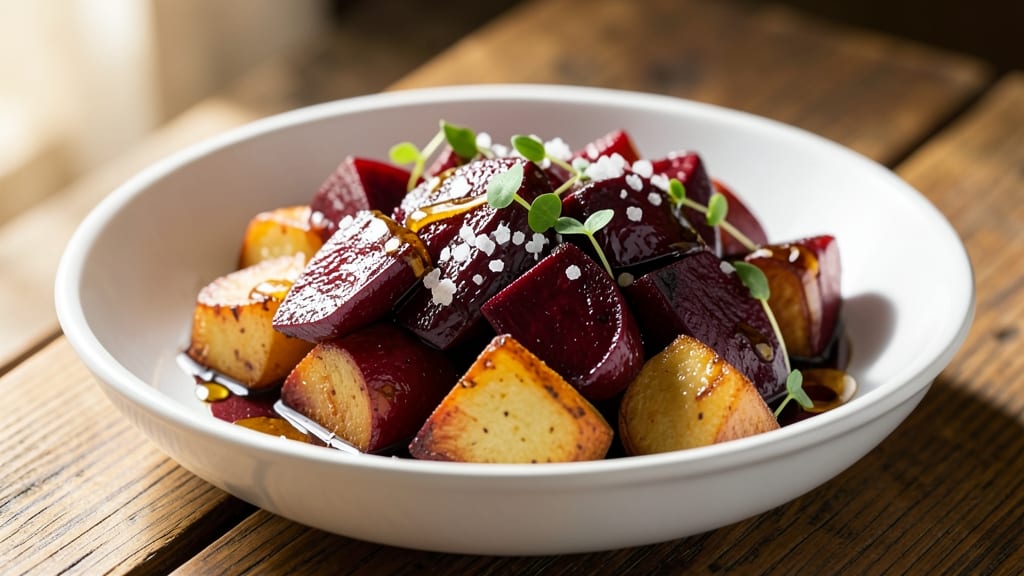
This beet potato recipe transforms humble roots into a restaurant-worthy side dish with deep earthy sweetness and crispy vinegar-kissed edges that steal the show.
The secret lies in roasting the beets until tender and glazing them with a tangy vinegar reduction while the potatoes develop a golden, caramelized crust—no one will guess how simple the ingredients are.
I first made this during a holiday dinner when I needed a side that would impress without requiring hours in the kitchen, and it became an instant crowd-pleaser.
The magic happens when you balance the natural sweetness of the beets with the bright acidity of the vinegar glaze, creating a flavor profile that’s both sophisticated and approachable.
Roasting both vegetables together ensures they develop complementary textures—tender beets with crispy edges on the potatoes—while infusing the kitchen with an irresistible aroma. This dish is foolproof for weeknight dinners or special occasions, and it pairs beautifully with roasted meats, grilled fish, or even as a standalone vegetarian main.
What you’ll end up with is a visually stunning platter of glossy beets and golden potatoes, their edges caramelized and slightly crisp, all drizzled with a glossy vinegar reduction that ties everything together.
The contrast of textures—creamy beets, crispy potatoes, and silky glaze—makes every bite exciting, while the earthy-sweet flavors feel luxurious without being overly complicated. It’s the kind of dish that elevates any meal from ordinary to extraordinary, and the best part? It’s ready in under an hour.
Serve this beet potato recipe with a dollop of Greek yogurt or a sprinkle of fresh herbs for extra brightness, and don’t forget the crusty bread to soak up every last bit of that delicious glaze.
Whether you’re hosting a dinner party or simply craving something special, this recipe delivers restaurant-quality results with minimal effort. Let’s get cooking!
Ingredients for beet potato
Simple roots and pantry basics create restaurant-worthy earthy sweetness with crispy edges.
| Ingredient | Amount | Notes |
|---|---|---|
| Medium Beets 🍠 | 2 lbs | Red or golden, peeled and cubed |
| Russet Potatoes 🥔 | 2 lbs | Cut into 1-inch chunks, skin on |
| Extra-Virgin Olive Oil 🫒 | ½ cup | For roasting and glazing |
| White Balsamic Vinegar 🍷 | ¼ cup | High-quality for glaze |
| Honey 🍯 | 2 tbsp | Wildflower preferred for depth |
| Diamond Crystal Kosher Salt 🧂 | 1 ½ tsp | For seasoning and glaze |
| Fresh Thyme Leaves 🌿 | 1 tbsp | Or 1 tsp dried thyme |
| Garlic Cloves 🧄 | 3 cloves | Minced for roasting |
| Greek Yogurt 🥛 | ¼ cup | Plain, full-fat for serving |
| Fresh Parsley 🌿 | ¼ cup | Chopped, for garnish |
| Black Peppercorns 🌶️ | ½ tsp | Freshly cracked |
The beets are the star—red or golden, but red holds its color best when roasted. Grab the pre-washed, pre-peeled kind at Trader Joe's to save time, but if you're feeling fancy, peel them yourself for extra tenderness. Potatoes should be firm and starchy—Russets or Yukon Golds work perfectly. I always buy organic potatoes when possible, especially since we're keeping the skins on. The extra-virgin olive oil matters here too; use something fruity and peppery—California-grown brands like Corto or Colavita are my go-tos. Fresh thyme and parsley add brightness, but dried works in a pinch if you're in a rush.
No balsamic vinegar? Apple cider vinegar with a pinch of sugar gets you close, though it won't have the same depth. Running short on honey? Maple syrup works 1:1, but it has a stronger flavor. The garlic is non-negotiable—it's what ties everything together. If you're prepping ahead, you can roast the beets and potatoes separately and reheat them before glazing. The glaze itself is foolproof: just simmer the vinegar, honey, and salt until it thickens slightly. Taste as you go—you want it glossy but not syrupy. For extra richness, stir in a tablespoon of the olive oil at the end.
Roasted beets and potatoes keep beautifully in the fridge for 4-5 days, though they're best within 2 days for maximum crispiness. Store them separately in airtight containers, and reheat in a 375°F oven for 10-15 minutes before glazing. The glaze can be made up to 1 week ahead and reheated gently. For serving, I like to drizzle the glaze over the warm vegetables and top with a dollop of Greek yogurt and fresh parsley. The yogurt adds a creamy contrast that balances the tangy glaze perfectly. Leftovers? Toss them into a salad or grain bowl for a flavor-packed meal the next day.
Why You'll Love This Recipe
- One-Pan Magic: I swear by this recipe when I’m too tired to wash a second pot—just slice, toss, and roast. The beets and potatoes caramelize together, sharing that same pan’s crispy edges without any extra work.
- Sweet-Savory Balance: That honey-balsamic glaze? It’s the secret weapon. The earthy beets and buttery potatoes get this tangy-sweet punch that makes every bite feel like a little celebration—no fancy sauce required.
- Meal Prep Gold: I make a double batch on Sundays and store it for lunches all week. The flavors actually get better as it sits, and those roasted potatoes stay fluffy for days—no sad, dry leftovers here.
- Budget Brightener: Russets and beets are cheap, and this recipe stretches them far. Honestly, I’ve served this to picky eaters (yes, even my teenage son) because it’s just that good—no overpriced ingredients needed.
Step-by-step instructions for beet potato recipe
Here's how to transform humble beets and potatoes into a showstopping dish with caramelized edges and vibrant sweetness.
Prep and Roast the Vegetables for Maximum Crisp
Preheat your oven to 425°F and line two large baking sheets with parchment paper. Toss the 2 lbs medium beets and 2 lbs russet potatoes (cut into 1-inch chunks) with 0.25 cup extra-virgin olive oil, 1.5 tsp diamond crystal kosher salt, and 3 cloves minced garlic cloves. Spread them in a single layer—crowding steams instead of crisps.
Roast for 30 minutes, then flip each piece and roast another 20-25 minutes until edges are deep golden brown and tender when pierced with a fork. The potatoes should be crispy on the outside while the beets develop their signature earthy sweetness. Here's the thing—don't peek during the first 25 minutes, or you'll lose precious heat and moisture that creates those crispy edges.
Build the Glaze for Vinegar-Kissed Sweetness
While the vegetables roast, combine 0.25 cup white balsamic vinegar, 2 tbsp honey, and 1 tbsp fresh thyme leaves in a small saucepan. Bring to a simmer over medium heat and reduce by half—about 8-10 minutes
Strain out the thyme leaves if you prefer a smooth finish, but I like to leave them in for subtle floral notes. The glaze should smell rich and complex—like caramel with a tangy edge. If it crystallizes as it cools, simply reheat it gently before using. This glaze is the secret weapon that transforms ordinary roasted vegetables into something extraordinary. Remove the roasted vegetables from the oven and immediately transfer them to a large bowl. Pour the warm glaze over them and toss gently but thoroughly to coat every surface. The residual heat from the vegetables will help the glaze adhere beautifully. If the mixture seems dry, add 1-2 tablespoons water to loosen it—just enough to create a glossy sheen. Return the vegetables to the baking sheets and broil for 2-3 minutes, watching carefully to prevent burning. You want the edges to develop a deep caramelization while maintaining their crisp texture. The beets should look like they've been kissed by sunlight—glossy with hints of char around the edges. This final broil step is what delivers that promised crispy texture while enhancing the natural sweetness of both vegetables. Transfer the roasted vegetables to a serving platter and let them cool for 5 minutes. The contrast between the warm vegetables and cool yogurt will make each bite even more satisfying. In a small bowl, mix 0.25 cup greek yogurt with 0.5 tsp freshly cracked black peppercorns and a pinch of diamond crystal kosher salt. Drizzle the yogurt mixture over the top of the vegetables and garnish with 0.25 cup chopped fresh parsley. The yogurt adds a creamy contrast that balances the earthy sweetness, while the parsley provides a fresh finish. Serve immediately while the vegetables are still crisp and the glaze is warm. This dish tastes best straight from the oven when the contrast between textures is at its peak.Toss and Finish for Perfect Texture
Serve with Yogurt and Fresh Herbs
Pro Tips For Making Beet Potato
- ROAST BEETS FIRST: I learned this the hard way—beets take way longer to soften than potatoes. Roast them at 400°F (200°C) for 45–55 minutes before adding potatoes, then slide both into the pan together for the last 20–25 minutes. This guarantees tender beets without turning the potatoes to mush.
- PEEL POTATOES AFTER ROASTING: Russets hold their shape better when peeled post-roast. Toss them in the oven whole (scrubbed, no need to peel), then peel after they’re golden and crispy—no more wasted starch or soggy skins. Just a fork and some elbow grease.
- SALT POTATOES MIDWAY: Sprinkle potatoes with flaky salt (about ½ teaspoon per pound) after 15 minutes in the oven. The skin crisps up better, and the salt melts into the flesh instead of pooling at the bottom. (Yes, even if you’re impatient like me.)
- BALSAMIC HONEY AFTER DRAINING: Drizzle the white balsamic and honey right after tossing the hot veggies with olive oil—heat opens the flavors. Let it sit for 2–3 minutes before serving; the acidity mellows and the honey caramelizes just enough to coat everything. (Skip this, and you’ll taste vinegar.)
Troubleshooting great beet potato
Uneven Roasting
If your potatoes or beets finish at different doneness levels, the issue is likely uneven heat distribution in your oven. I’ve found that using two separate baking sheets (one for beets, one for potatoes) helps prevent this—beets cook faster than potatoes.
Place the sheet with potatoes on the middle rack and the beets on the top rack. Rotate the sheets halfway through roasting for even browning. If your oven runs hot, reduce the temperature to 400°F and add 5-10 extra minutes to the cook time. 🌡️
Mushy Beets
Overcooked beets turn mushy because they lose moisture when exposed to high heat too long. To avoid this, roast beets at 375°F instead of 425°F for 45-50 minutes, then finish with 5 minutes at 425°F to caramelize the edges.
Wrapping beets in aluminum foil for the first 30 minutes traps steam and keeps them tender. For extra insurance, slice beets into 1.5-inch chunks instead of smaller pieces—they’ll hold their shape better.
Dry Glaze
A dry glaze happens when the vinegar reduces too much or the vegetables absorb all the moisture. To fix this, add 1-2 tablespoons water or broth to the glaze while it’s still warm and simmer for another 2 minutes.
For future attempts, reduce the vinegar by 2 tablespoons and add 1 tablespoon olive oil to the glaze mixture—this prevents excessive reduction. If the glaze still seems too thick, toss the vegetables in it while they’re still hot from the oven—the residual heat will help distribute the glaze evenly. 💡
Soggy Potatoes
Potatoes lose their crisp edges when they steam instead of roast. To prevent this, pat them completely dry with a kitchen towel before tossing in oil and salt—this removes excess moisture. Spread them in a single layer on the baking sheet with at least ½ inch between pieces.
If you’re short on time, parboil the potatoes for 5 minutes before roasting to jumpstart the cooking process, but drain them thoroughly afterward. For extra crispiness, broil for 1-2 minutes at the end of cooking. ⚡
Glaze Not Sticking
If the glaze refuses to cling to the vegetables, they’re likely too cool when you toss them. Keep the glaze warm in a small saucepan over low heat while the vegetables roast, then toss them immediately after removing from the oven.
For extra adhesion, brush the vegetables with 1 tablespoon olive oil before adding the glaze. If the glaze still won’t stick, reduce it by an additional 3-4 minutes until it’s thicker—it should coat the back of a spoon like syrup. 🍯
Nutrition facts
Frequently asked questions
Can I use regular potatoes instead of Russets?
While Russets work best for their crispy texture, you can use Yukon Golds or red potatoes. Just reduce the roasting time by 5-10 minutes since they cook faster. For waxy potatoes like reds, cut them slightly smaller (¾ inch instead of 1 inch) to prevent uneven doneness.
How do I make this dish ahead of time?
Roast the beets and potatoes separately up to 3 days ahead and store in airtight containers. Reheat at 375°F for 10-15 minutes before glazing. The glaze can be made 1 week ahead and reheated gently. Toss with warm vegetables right before serving for the best texture.
What if I don't have balsamic vinegar?
Use apple cider vinegar with 1 extra teaspoon honey or white wine vinegar with a pinch of sugar. For deeper flavor, add ½ teaspoon Dijon mustard to the glaze. The acidity is what matters most for balancing the sweetness.
Can I make this dish vegetarian or vegan?
This recipe is already naturally vegetarian. For vegan, simply omit the Greek yogurt and serve with a dollop of coconut yogurt or a drizzle of tahini instead. The glaze remains perfectly plant-based as written.
Why do my beets turn mushy?
Beets lose moisture when overcooked. Try roasting them at 375°F instead of 425°F for 45-50 minutes, then finish with 5 minutes at 425°F to caramelize edges. Wrap them in foil for the first 30 minutes to trap steam. Cutting them into 1.5-inch chunks also helps maintain texture.