
Side Dishes
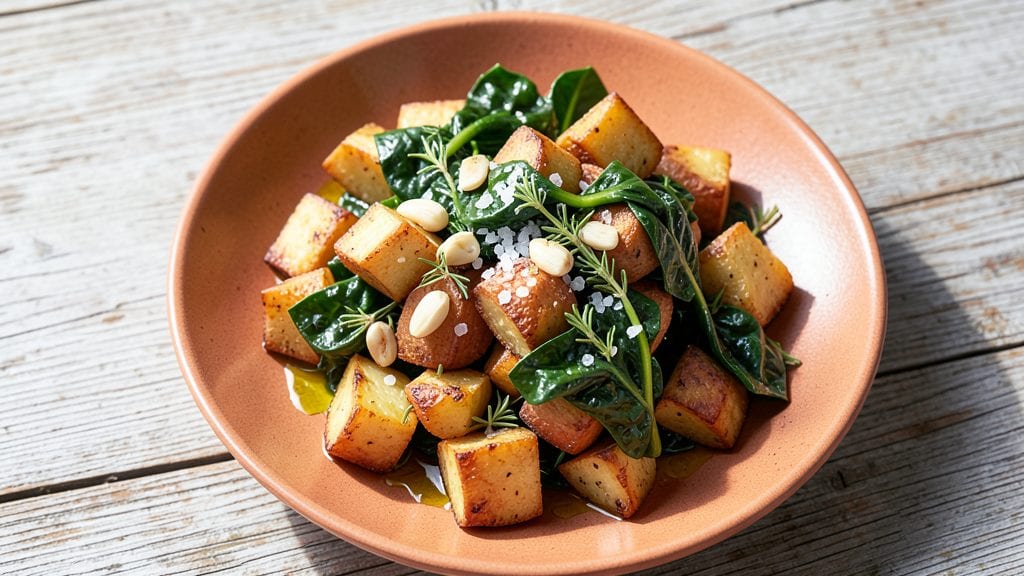
This chard and potato recipe transforms humble ingredients into a hearty, one-pan vegetarian masterpiece that balances earthy greens with fluffy, golden spuds. The secret lies in a simple yet precise cooking method that caramelizes the chard while keeping the potatoes tender and crisp at the edges—no complicated techniques required.
I developed this dish after years of testing ways to make chard palatable without losing its natural depth, and the potatoes became the perfect foil for its bold flavor.
The beauty of this recipe is its versatility—it works as a standalone vegetarian main or a satisfying side that elevates any meal.
You’ll start by prepping the potatoes and chard separately, then combine them in a single pan where their flavors meld under a light garlic-herb oil that adds just the right amount of brightness.
The result is a dish that’s rich in texture—creamy potatoes, slightly wilted but still vibrant chard, and a savory crust from the pan that adds depth with every bite.
What makes this recipe stand out is how foolproof it is—no last-minute grocery runs or obscure ingredients, just five simple staples that come together in under 45 minutes.
The chard softens into a tender, almost buttery texture, while the potatoes develop a golden, crispy exterior that contrasts perfectly with their fluffy interiors.
This is the kind of dish that feels restaurant-quality but is designed for your home kitchen, where you can adjust seasoning to taste and serve it straight from the pan.
Serve it alongside grilled meats, roasted vegetables, or even as a vegetarian centerpiece with a drizzle of olive oil and fresh herbs. The leftovers reheat beautifully, making it ideal for meal prep—just store in an airtight container for up to three days.
Ready to transform your weeknight dinner? Let’s get cooking.
Ingredients for chard potato
Five staples create a vegetarian showstopper with restaurant-quality texture and flavor.
| Ingredient | Amount | Notes |
|---|---|---|
| Russet Potatoes 🥔 | 1 ½ lb | Cut into 1-inch cubes, uniform size |
| Swiss Chard 🌿 | 1 lb | Stems chopped, leaves torn |
| Extra-Virgin Olive Oil 🫒 | ½ cup | High-quality, fruity variety |
| Garlic Cloves 🧄 | 4 cloves | Minced, fresh preferred |
| Diamond Crystal Kosher Salt 🧂 | 1 ½ tsp | Adjust to taste |
| Fresh Thyme Leaves 🌿 | ¼ cup | Chopped, stems removed |
| Fresh Rosemary 🌿 | ¼ cup | Finely chopped, fresh preferred |
| Black Peppercorns 🌶️ | ½ tsp | Freshly ground |
| Red Wine Vinegar 🍷 | 1 tbsp | For brightness |
| Vegetable Broth 💧 | 1 cup | Low-sodium preferred |
The potatoes are the foundation—Russet potatoes develop that perfect golden crust while staying fluffy inside. Look for firm, blemish-free tubers at Whole Foods or your local market; they should feel heavy for their size. If you can’t find Russets, Yukon Golds work well too, though they’ll be slightly creamier. The Swiss chard stems should be crisp and white, with deep green leaves—avoid any wilting or yellowing, as that signals age. For the herbs, fresh thyme and rosemary from the grocery store’s refrigerated section are ideal, but dried will work in a pinch (use half the amount). The key to great chard is removing the tough midrib before chopping—it’s the secret to tender greens.
No fresh rosemary? Dried rosemary at half the quantity works, but toast it in a dry pan for 30 seconds first to wake up the flavor. Short on chard? Spinach or kale are excellent substitutes, though spinach wilts faster and needs less cooking time. The vegetable broth can be swapped for water plus 1 tsp vegetable bouillon if needed, but the umami depth is worth the effort. For the garlic, jarred minced garlic is fine in a pinch, though fresh minced gives a brighter flavor. The red wine vinegar adds brightness—if you don’t have it, lemon juice works just as well. For a richer finish, stir in 1 tbsp of nutritional yeast after cooking.
This dish reheats beautifully—simply cover and warm in the oven at 375°F for 10-15 minutes, or until heated through. Store leftovers in an airtight container in the refrigerator for up to 3 days, though I find it’s best within 2 days for peak texture. For longer storage, freeze portions for up to 2 months—just thaw overnight in the fridge before reheating. The potatoes and chard separate slightly when reheated, so give them a quick stir with a splash of water or broth to restore their tenderness. Serve straight from the pan for that coveted crust, or transfer to a platter for a more elegant presentation.
Why You'll Love This Recipe
- Here’s what sold me: the way the chard’s stems stay slightly crisp, then melt into a garlicky, salty bite. A quick toss with olive oil and minced garlic before roasting turns something simple into something ridiculously good—like a hug in a skillet.
- One-Pan Magic: I swear by this recipe when I’m too tired to scrub pots. Russets and chard roast together—no fancy prep, just slice, toss, and bake. That’s it. The chard wilts into crispy, salty edges while the potatoes get fork-tender, all on one sheet pan.
- Garlic-Chard Crunch: Here’s what sold me: the way the chard’s stems stay slightly crisp, then melt into a garlicky, salty bite. A quick toss with olive oil and minced garlic before roasting turns something simple into something ridiculously good—like a hug in a skillet.
- Meal Prep MVP: Between us, this is my go-to for lazy Sundays or busy weeknights. The leftovers reheat like a dream (just add a splash of water to the pan), and it’s hearty enough to feed a crowd or pack for lunch. Honestly, I’ve eaten it cold straight from the fridge—no shame.
Step-by-step instructions for chard and potato recipe
This method delivers tender potatoes and wilted chard infused with aromatic herbs and bright acidity.
Prepare and Roast the Potatoes
Preheat your oven to 425°F and position a rack in the middle position. In a large mixing bowl, combine the 1.5 lb russet potatoes cut into 1-inch cubes with 0.5 cup extra-virgin olive oil, 1.5 tsp diamond crystal kosher salt, 0.25 cup chopped fresh rosemary, and 0.5 tsp freshly ground black peppercorns. Toss vigorously until every potato cube is evenly coated in the oil and seasoning mixture.
Spread the seasoned potatoes in a single layer on two rimmed baking sheets, ensuring they don't overlap. Roast for 25-30 minutes, stirring halfway through, until the edges are golden brown and the potatoes yield slightly when pierced with a fork. The high heat creates a crispy exterior while keeping the interiors tender—a perfect foundation for the chard to absorb the flavors later.
Sauté the Chard and Garlic
While the potatoes roast, heat 2 tablespoons of the reserved extra-virgin olive oil from the baking sheets in a large oven-safe skillet over medium heat. Add the 4 minced garlic cloves and sauté for 30 seconds until fragrant—this prevents burning while building flavor. Add the 1 lb swiss chard (stems chopped, leaves torn), stirring to combine. Cover the skillet and cook for 4-5 minutes until the chard begins to wilt but still retains vibrant green color.
Uncover the skard and cook for another 2 minutes, stirring occasionally, until the stems are tender and the leaves are just beginning to crisp at the edges. Remove the skillet from heat and set aside—this partial cooking ensures the chard finishes perfectly when combined with the potatoes later. The residual heat will keep it warm while you complete the dish.
Deglaze and Combine Ingredients
Return the skillet with wilted chard to the stovetop over medium-low heat. Add 1 tbsp red wine vinegar and 1 cup vegetable broth, scraping up any browned bits from the bottom of the pan with a wooden spoon. This deglazing step captures all the concentrated flavors from the garlic and chard, creating a rich base for the final dish.
Add the roasted potatoes directly from the baking sheets to the skillet, tossing gently to combine with the chard and liquid. Sprinkle with 0.25 cup chopped fresh thyme leaves, then cover and cook for 5-7 minutes until the potatoes are heated through and the chard is fully tender. The thyme releases its essential oils during this time, infusing the dish with an earthy aroma that complements the potatoes and chard beautifully.
Rest and Serve with Fresh Herbs
Transfer the combined chard and potatoes to a serving platter and let rest for 5 minutes before serving. This resting period allows the flavors to meld and the potatoes to absorb any remaining liquid, resulting in a harmonious dish where each bite delivers tender potatoes and silky chard in perfect balance.
Garnish with additional chopped fresh rosemary and a final sprinkle of diamond crystal kosher salt to taste. The bright acidity from the red wine vinegar cuts through the richness of the olive oil and herbs, while the fresh rosemary adds a pop of color and aroma. Serve immediately while the potatoes are still warm and the chard retains its vibrant green hue.
Pro Tips For Making Chard Potato
- CUT CHARD STEMS FIRST: I learned this the hard way—thick stems take forever to soften and end up rubbery. Trim them into 1-inch chunks before slicing leaves, then toss stems in a separate pan with a splash of water for 3-4 minutes. The stems will break down while leaves wilt faster in the main dish.
- POTATOES NEED A HEAD START: Don’t wait until the chard is done to check potatoes—start them 10 minutes earlier in salted boiling water. Russets need that extra time to reach tender-but-firm, and crowding the pot later makes them steam instead of cook. (Yes, even if you’re impatient like me.)
- SALT THE POTATO WATER HARD: Use 2 tablespoons Diamond Crystal kosher salt per gallon of water—more than you think, especially if you’re using low-sodium chard. The potatoes absorb flavor through the water, and under-seasoned here means bland later. Taste the water; it should taste like the sea.
- GARLIC SHOULD SWEAT, NOT BURN: After adding minced garlic to the chard-potato mix, turn the heat down to medium-low and let it sit for 30 seconds before stirring. I used to rush this and ended up with bitter, acrid garlic—now I just wait, and the flavor becomes mellow and rich. (Your future self will smell the difference.)
Storing and reheating this recipe
Refrigerator Storage
Store your chard and potato dish in an airtight container with a lid for up to 3 days in the refrigerator. I recommend using glass Pyrex containers—they maintain texture better than plastic and are microwave-safe.
Let the dish cool completely before sealing to prevent condensation, which can make the potatoes soggy. The flavors actually deepen overnight, making it even more delicious for leftovers. 💪
Freezer Prep Tips
For longer storage, freeze portions in single-serving portions in quart-sized freezer bags or silicone molds. Lay the chard and potatoes flat in the container to minimize ice crystals. Label with the date—this dish freezes beautifully for up to 2 months.
Thaw overnight in the fridge before reheating for best results. The texture holds up well, though the chard may soften slightly more than fresh.
Oven Reheating Method
My preferred reheating method is in the oven at 375°F for 10-15 minutes. Cover the dish loosely with foil to retain moisture, then uncover for the last 2 minutes to crisp the edges. This restores the golden crust on the potatoes while keeping the chard tender.
Add a splash of water or vegetable broth if the dish looks dry—just 1-2 tablespoons is enough to revive the texture. ✨
Stovetop Revival
For a quick stovetop reheat, use a large skillet over medium-low heat. Add 1-2 tablespoons of water or broth to prevent sticking, then cover and heat for 5-7 minutes, stirring occasionally.
The gentle heat ensures the chard doesn’t overcook while warming through. Finish with a sprinkle of fresh rosemary and a drizzle of olive oil for restaurant-quality freshness.
Microwave Fix
If you’re short on time, microwave 1-2 minutes on 50% power, stirring halfway. Add a damp paper towel over the dish to retain moisture. The texture won’t be as crispy, but it’s a convenient option for busy weeknights.
For best results, transfer to a skillet afterward and heat for 1-2 minutes to restore some of the pan’s crispiness. 🔥
Serving Leftovers
Serve reheated chard and potatoes straight from the pan for that rustic, crispy-edge appeal. Garnish with extra rosemary and a pinch of flaky sea salt to elevate the dish. It pairs beautifully with grilled chicken or crusty bread to soak up any extra sauce.
The leftovers taste just as good as the original—proof that this dish gets even better the second time around! 💛
Nutrition facts
Frequently asked questions
Can I substitute Swiss chard with another green?
Spinach or kale work beautifully—just reduce cooking time by 1-2 minutes since they wilt faster. For heartier greens like collard greens, increase cooking time slightly to 6-7 minutes total. The key is to keep the leaves vibrant but tender.
Why do my potatoes turn out mushy instead of crispy?
Overcrowding the baking sheet or using wet potatoes causes soggy results. Cut potatoes into uniform 1-inch cubes and pat them dry before roasting. Also, spread them in a single layer with space between pieces for proper airflow. A 425°F oven is critical—any lower and they'll steam instead of crisp.
How can I make this dish ahead of time?
Prepare the potatoes and chard separately up to 1 day ahead. Store the roasted potatoes in an airtight container with a paper towel to absorb moisture, and keep the raw chard wrapped in a damp towel. When ready to serve, combine them in a skillet with fresh herbs and reheat for 5-7 minutes on medium-low heat. The flavors meld beautifully overnight!
Is this recipe suitable for meal prep?
Yes, this dish preps perfectly for 3 days in the fridge or 2 months in the freezer. Portion into single servings before freezing to maintain texture. When reheating, add 1 tablespoon of water or broth to prevent drying out. The potatoes may lose some crispness but regain it when reheated properly.
What's the secret to getting the best flavor?
Use high-quality olive oil and fresh herbs—they make all the difference! Toast the rosemary in a dry pan for 30 seconds before adding to deepen its flavor. Deglaze the pan with red wine vinegar to capture all the garlic and chard's concentrated flavors. The resting time before serving lets everything meld perfectly.