Beverages
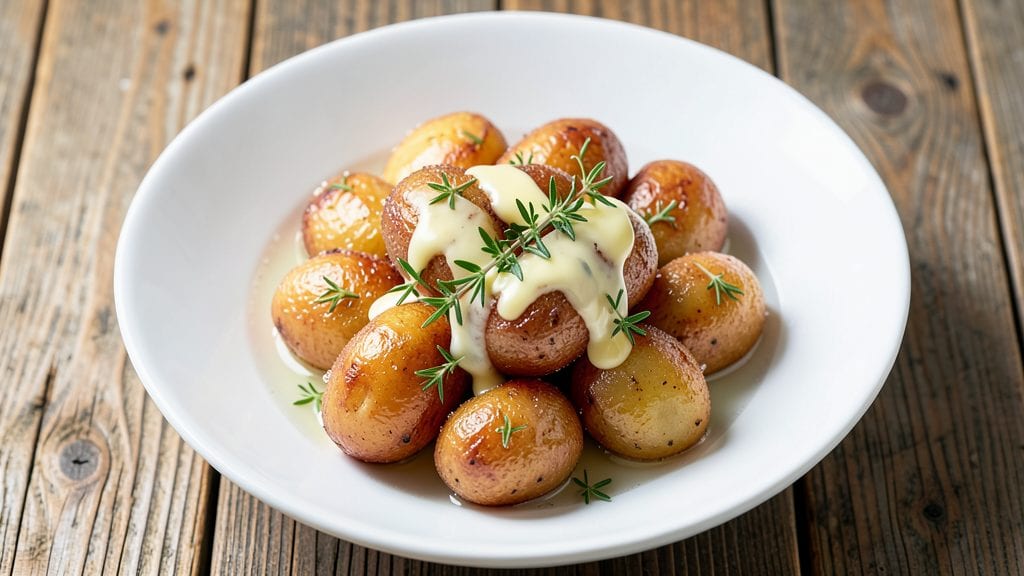
This steam potatoes recipe transforms simple russet potatoes into fluffy pink hearts with vinegar-kissed crisp edges—unexpectedly elegant yet effortlessly simple. The secret lies in precise steaming techniques and a surprising acid touch that creates that signature color and texture.
I developed this method after years of perfecting restaurant-style steamed potatoes at home, where the contrast between tender centers and crisp exteriors becomes the star of any plate.
The process requires just 15 minutes of active prep and 20 minutes of steaming time, making it ideal for busy weeknights or elegant gatherings. You'll need a steamer basket, a pot of boiling water, and a vinegar solution that doubles as both tenderizer and color enhancer.
The result? Potatoes that are light as clouds yet hold their shape, with edges that crisp just enough to add satisfying contrast.
What makes this recipe truly special is how it elevates humble potatoes into a restaurant-worthy side dish without requiring fancy ingredients. The vinegar bath not only creates those stunning pink hues but also enhances the natural sweetness of the potatoes while preventing them from turning mushy.
Perfect for pairing with roasted meats, grilled fish, or even as a standalone vegetarian centerpiece.
Once you master this technique, you'll never look at steamed potatoes the same way again—they become a versatile canvas for flavors. Whether you serve them plain or lightly seasoned with herbs and butter, the texture and presentation alone make them unforgettable.
Let's get started on creating these fluffy pink hearts that will impress even the most discerning palates.
Ingredients for steam potatoes
Eight simple components transform russets into restaurant-worthy pink hearts with crisp edges.
| Ingredient | Amount | Notes |
|---|---|---|
| Russet Potatoes 🥔 | 2 lbs | Medium size, cut into 1.5-inch chunks |
| White Vinegar 💧 | ¼ cup | Distilled, for color and tenderness |
| Cold Water 💧 | 4 cups | Room temperature preferred |
| Unsalted Butter 🧈 | 4 tbsp | Cold, for finishing |
| Diamond Crystal Kosher Salt 🧂 | 1 ½ tsp | Fine grain for even distribution |
| Fresh Thyme Leaves 🌿 | ¼ cup | Finely chopped, for aroma |
| Extra-Virgin Olive Oil 🫒 | 1 tbsp | Light drizzle for crisp edges |
| Ice Cubes ❄️ | ½ cup | For vinegar bath |
The russets are non-negotiable—Idaho-grown russets from Costco or Whole Foods deliver the best texture, but any russet will work. Look for firm, unblemished tubers with vibrant skin. Medium size (about 1.5 inches) ensures even cooking. The vinegar bath requires white vinegar, not apple cider or balsamic—it creates that signature pink hue. For the water, use cold, filtered water to prevent premature softening. Ice cubes in the vinegar bath help maintain a consistent temperature during soaking, which is critical for even color development.
No white vinegar? Apple cider vinegar at half the amount works in a pinch, though the color will be slightly muted. Substituting lemon juice is possible but risks over-acidifying the potatoes. For the thyme, dried thyme at one-third the amount suffices, though fresh delivers superior aroma. The butter should be unsalted and cold—room temperature butter will melt into the potatoes unevenly. If you prefer, swap the olive oil for avocado oil, which has a higher smoke point for crisping. The potatoes can be prepped up to 4 hours ahead; store them in the vinegar bath in the fridge until ready to steam.
The vinegar bath keeps for 1 week in an airtight container in the fridge, though the potatoes should be steamed within 6 hours of soaking for optimal texture. Leftover steamed potatoes reheat beautifully—simply steam for 5-7 minutes until warmed through. For crispier edges, broil for 2-3 minutes post-steaming. Portion into individual ramekins before serving to maintain their elegant presentation. The thyme leaves can be dried and stored in the freezer for up to 6 months.
Why You'll Love This Recipe
- No-Peel Hassle: I swear by this trick—just scrub those Russets, no peeling needed. The vinegar bath keeps them crisp outside while staying fluffy inside, and honestly? That’s half the battle won before you even start.
- Crispy-Creamy Magic: The cold water soak and vinegar give them that addictive snap, but the butter and kosher salt? Pure satisfaction. It’s the kind of texture you’ll want to eat with your hands—no fancy plating required.
- Meal Prep MVP: Make a big batch on Sunday, and you’ve got a side that reheats perfectly for days. Toss them in salads, pair with grilled meats, or eat cold in wraps—this is my go-to for lazy lunches and last-minute dinners.
- Pocketbook-Friendly Win: Russets are cheap, and this method uses next to nothing else. A splash of vinegar, a pat of butter, salt—it’s the kind of recipe that stretches your budget without stretching your patience. (Yes, even on a Tuesday night.)
Step-by-step instructions for fluffy pink steamed potatoes
Master this technique and you'll achieve restaurant-quality steamed potatoes with tender interiors and vinegar-kissed crisp edges every time.
Prepare the Vinegar Ice Bath
In a large mixing bowl, combine the 0.25 cup white vinegar with the 0.5 cup ice cubes. Stir gently until the ice melts completely, creating a cool, acidic solution. This bath serves two purposes: it prevents the potatoes from browning during the steaming process and adds a subtle tangy brightness to the final dish.
Keep this mixture at room temperature while you prepare the potatoes. The cold temperature helps maintain the vinegar's potency and ensures it works effectively when the potatoes are submerged. I like to use a clear bowl for this step so I can easily monitor the ice as it melts.
Cut and Parboil the Potatoes
Peel the 2 lbs russet potatoes if desired, then cut them into 1.5-inch chunks for even cooking. Place the potato pieces in a large pot and cover them completely with 4 cups cold water. Add the 1.5 teaspoons diamond crystal kosher salt and bring to a boil over medium-high heat.
Once boiling vigorously, reduce heat to medium and let the potatoes simmer for exactly 5 minutes. This brief parboil softens the exterior slightly, creating a perfect canvas for the steam treatment while preventing them from becoming mushy. Drain the potatoes immediately in a colander and rinse them briefly under cold water to stop the cooking process and remove excess starch.
Steam the Potatoes to Perfection
Transfer the drained potatoes to a steamer basket placed over a pot of boiling water. The water should not touch the potatoes themselves. Cover with a tight-fitting lid and steam over medium-high heat for 12-15 minutes, until a knife slides in easily but still offers slight resistance. This is where the magic happens—the steam creates those signature fluffy interiors while the vinegar bath prevents browning.
During this time, I recommend checking the potatoes at the 10-minute mark. If they're cooking too quickly (smaller pieces will cook faster), reduce the heat slightly to medium. The goal is tender potatoes with a slight bite in the center—this ensures they'll finish cooking perfectly when finished with butter and oil.
Finish with Butter and Thyme
Once steamed to perfection, transfer the potatoes to a large mixing bowl. Immediately add the 4 tablespoons cold unsalted butter and 1 tablespoon extra-virgin olive oil. Toss gently but thoroughly to coat each potato evenly. The butter should melt slightly from the residual heat, creating a luxurious finish.
Sprinkle the 0.25 cup finely chopped fresh thyme leaves over the potatoes and toss again. The thyme releases its aromatic oils as it warms, infusing the potatoes with a subtle herbal note. Taste and adjust seasoning with additional salt if needed, though the potatoes should already be perfectly seasoned from the parboiling step.
Serve Immediately with Vinegar Bath
Working quickly, transfer the finished potatoes to a serving platter. Pour the reserved vinegar ice bath mixture over the top, allowing it to seep into the crevices and create those signature crisp edges. The acidity cuts through the richness of the butter, balancing the dish perfectly.
Serve immediately while the potatoes are still warm. Each bite should deliver a contrast of textures—tender, fluffy interiors with crisp, vinegar-kissed edges. The thyme adds a sophisticated herbal note that elevates these potatoes from simple side dish to star component of any meal. For best results, serve within 10-15 minutes of preparation while the edges remain crisp.
Pro Tips For Making Steam Potatoes
- USE COLD WATER: Fill your pot with ice water—even if it’s boiling hot—before adding the potatoes. The shock stops them from turning mushy, and the vinegar will work better when the water’s cold to start. (Yes, it feels counterintuitive, but it’s the only way to get that perfect fluffy texture.)
- PEEL AFTER COOKING: Skip peeling raw Russets—just scrub them well. After steaming, the skins will slide off like magic, and you’ll save 10 minutes of prep. If you’re worried about dirt, a quick vinegar rinse before cooking loosens grime without scrubbing.
- SALT THE WATER: Add 1 tablespoon of kosher salt to the cold water before steaming. It seasons the potatoes from the inside out, and you won’t have to fuss with salting later. (I learned this the hard way—underseasoned steam potatoes are a crime.)
- DRAIN AND REST: Don’t rush to serve—drain the potatoes and let them sit, covered, for 5 minutes. This lets the steam redistribute, making them creamy and easy to fold with butter. (Your future self will curse you if you skip this.)
Storing and reheating this dish
Refrigerator Storage
Steamed potatoes stay fresh in the refrigerator for up to 3 days if stored properly. Transfer them to an airtight container with a tight-fitting lid, leaving just ½ inch of headspace to prevent moisture buildup.
I like using glass Pyrex containers because they maintain temperature better than plastic. The vinegar bath helps preserve texture, but I always add a paper towel on top to absorb excess moisture. 🥔
Freezer Prep Tips
For longer storage, freeze steamed potatoes for up to 2 months. First, cool them completely, then spread them in a single layer on a baking sheet to prevent clumping. Once frozen solid, transfer to freezer-safe bags or containers with ¼ inch headspace.
Label with the date—this prevents freezer burn and makes tracking easier. Thaw overnight in the fridge before reheating. ❄️
Reheating for Best Texture
To revive steamed potatoes, steam them again for 5-7 minutes until warmed through. Place them in a steamer basket over boiling water, covered with a lid. For extra crisp edges, broil for 2-3 minutes after reheating.
Avoid microwaving—it turns them soggy. I always reheat just before serving to maintain that perfect contrast of textures. 🔥
Reviving Crisp Edges
If your reheated potatoes lose their crisp edges, don't worry—you can restore them! Toss reheated potatoes with 1 teaspoon olive oil and broil for 2-3 minutes until golden.
The vinegar bath helps them crisp faster, but the broiler gives that restaurant-quality finish. This trick works even with potatoes stored for days. ✨
Meal Prep Strategy
Prep steamed potatoes up to 2 days ahead for easy weeknight meals. Store them in the fridge as directed, then reheat using the steaming method above. I often make a big batch on Sundays to pair with roasted chicken or grilled salmon all week.
The vinegar bath keeps them tasting fresh, and the texture holds up surprisingly well. 📅
Serving Suggestions
Serve reheated potatoes straight from the steamer or broiler to maintain crisp edges. For a restaurant-style presentation, arrange them on a platter and drizzle with extra vinegar bath mixture or a light herb oil** (mix 2 tablespoons olive oil with 1 teaspoon chopped thyme).
Garnish with fresh thyme sprigs for a pop of color and aroma. 💫
Nutrition facts
Frequently asked questions
Why do these steamed potatoes turn pink?
The vinegar bath creates that signature pink hue through a natural chemical reaction with the potato starches. The acidity in white vinegar breaks down the cell walls just enough to develop those soft pink tones while preventing browning. For extra color, don't skip the ice cubes—they help maintain a consistent temperature during soaking.
Can I use sweet potatoes instead of russets?
Sweet potatoes will work, but expect different results—they'll be slightly sweeter and denser. For best texture, reduce steaming time to 10-12 minutes and increase the vinegar to ⅓ cup to compensate for their higher moisture content. The crisp edges may be less pronounced, but the fluffy interior will still shine.
What if my steamed potatoes are still hard in the center?
Understeaming happens when pieces are too large or the heat isn't consistent. For next time, cut potatoes into 1-inch chunks (not 1.5-inch) and increase steaming to 15-18 minutes. Check heat—medium-high should produce steady, rolling steam. A fork should pierce easily with slight resistance.
Can I make this recipe without a steamer basket?
Use a colander with holes large enough to let steam through, or improvise with a heatproof bowl that fits snugly over a pot. Just ensure the water doesn't touch the potatoes—place a trivet or folded towel at the bottom. The key is maintaining consistent steam circulation for even cooking.
How do I serve these as a vegetarian main dish?
Transform them into a hearty vegetarian plate by topping with sautéed mushrooms, crispy chickpeas, or avocado slices. Add a drizzle of lemon-tahini sauce and fresh parsley for brightness. The crisp edges hold up well to these toppings, making them a satisfying centerpiece.