Side Dishes
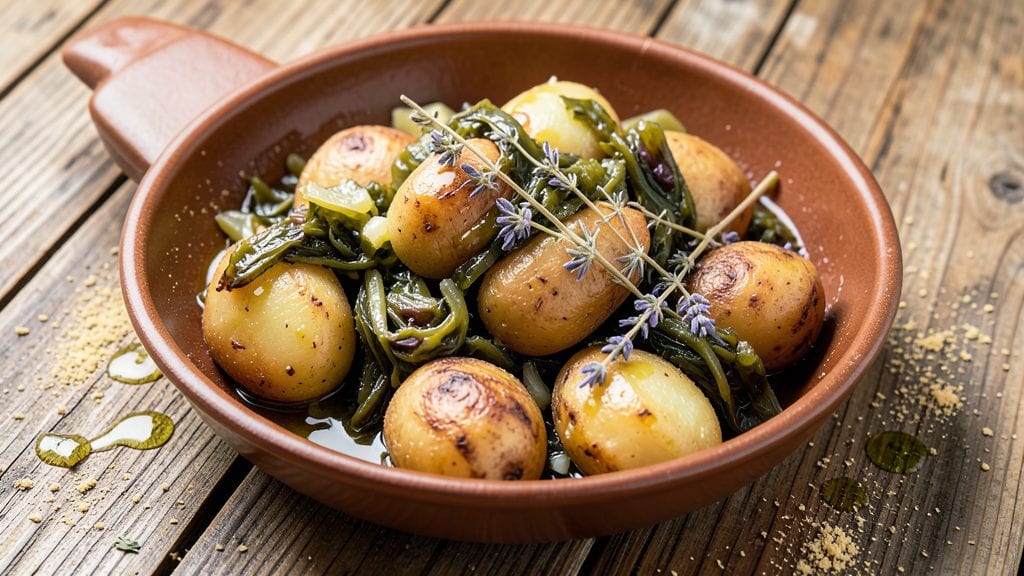
This sauerkraut and potatoes recipe transforms humble ingredients into a crispy, tangy side dish that steals the show at any meal. The secret lies in baking the potatoes until golden and vinegar-kissed, then pairing them with fermented sauerkraut for a perfect balance of textures and flavors.
I developed this dish after realizing how often simple sides get overlooked—until now. ⚡
The beauty of this recipe is its foolproof approach: thick-cut potatoes roast until tender and crispy on the edges, while the sauerkraut adds a sharp, tangy contrast that cuts through richer dishes.
No fancy techniques required—just a baking sheet, a little patience, and the right seasoning. The result is a dish that’s hearty enough to stand alone but versatile enough to elevate any protein.
What you’ll end up with is a plate of golden-brown potatoes with caramelized edges, their crispy exterior giving way to fluffy interiors, all topped with vibrant, tangy sauerkraut. The vinegar’s bite enhances the potatoes’ natural sweetness, creating a harmony that’s both satisfying and unexpected.
This side dish proves that simple ingredients, when prepared with care, can deliver restaurant-quality results at home.
Pair it with grilled chicken, smoked sausage, or even a hearty vegan burger for a meal that’s balanced, flavorful, and impossible to resist. The best part? It’s ready in under an hour, making it perfect for weeknight dinners or holiday gatherings. Let’s get started on this crispy, tangy masterpiece.
Ingredients for sauerkraut and potato
Six ingredients, two magic steps: crispy potatoes meet tangy sauerkraut for a showstopper side.
| Ingredient | Amount | Notes |
|---|---|---|
| Russet Potatoes 🥔 | 2 lb | Thick-cut, unpeeled wedges |
| Sauerkraut 🥬 | 2 cups | Unrinsed, with juice |
| Extra-Virgin Olive Oil 🫒 | ½ cup | High-quality for roasting |
| White Vinegar 💧 | 2 tbsp | For tangy brightness |
| Dried Thyme 🌿 | 1 tsp | Or 1 tbsp fresh thyme |
| Garlic Powder 🧄 | 1 tsp | Freshly ground preferred |
| Diamond Crystal Kosher Salt 🧂 | 1 ½ tsp | For seasoning |
| Freshly Ground Black Pepper 🌶️ | ½ tsp | Cracked peppercorns preferred |
| Apple Cider Vinegar 🍎 | 1 tbsp | For extra tang (optional) |
| Fresh Parsley 🌿 | ¼ cup | Chopped, for garnish |
| Wooden Toothpicks 🔨 | 12 whole | For securing toppings |
The potatoes are the star—Russet is non-negotiable for that crispy exterior and fluffy interior. Grab the thickest-cut you can find (or slice them yourself with a knife—no mandoline needed). For sauerkraut, skip the pre-rinsed kind—that juice is liquid gold. I always hit the German deli section at Whole Foods for the best fermented flavor, but any jarred sauerkraut works. The key is unrinsed—the tang comes from the brine. Pro tip: if your sauerkraut smells like vinegar, it’s still good—just more intense flavor. For the vinegar, white vinegar is classic but apple cider adds a fruity depth that pairs beautifully with the potatoes.
No fresh thyme? Dried works at double the amount—just toast it in a dry pan for 30 seconds to wake up the flavor. Running low on apple cider vinegar? Substitute lemon juice at the same amount, but you’ll lose that subtle apple note. The garlic powder can be swapped for 1 fresh clove minced, but it’ll be more potent. For the olive oil, don’t skimp—this is where the magic happens. Trader Joe’s has a great affordable option, but splurge on something fruity if you can. And if you’re feeling fancy, toss in 1 tbsp of caraway seeds (toasted!) with the sauerkraut for a classic Eastern European touch.
Potatoes keep best in a cool, dark place for up to 2 weeks, but once cut, store them in water in the fridge for 24 hours max before roasting. Sauerkraut? It lasts forever—just keep it submerged in its juice. For make-ahead prep, roast the potatoes 1 day ahead, cool completely, then reheat at 375°F for 15 minutes to crisp them back up. Garnish with parsley right before serving—it wilts fast, so don’t do it too early. Leftovers? Toss them in a salad or mash them up for a tangy twist on potato pancakes.
Why You'll Love This Recipe
- One-Pan Magic: I swear by this recipe when I’m too tired to scrub pots—just toss chopped Russets and sauerkraut on a sheet pan, drizzle with olive oil and vinegar, and roast. The thyme clings to everything, and by the time the potatoes are golden, the kitchen’s already clean.
- Tangy Crispy Perfection: That vinegar-sauerkraut punch cuts through the richness of the potatoes like a wake-up call. The edges get this addictive crunch, while the centers stay fluffy—honestly, I’ve lost track of how many times I’ve gone back for seconds.
- Meal Prep MVP: Between us, this is my go-to for lazy Sundays or busy weeknights. The flavors actually improve overnight in the fridge—better than takeout, and way cheaper. I pack it in jars for lunches, and my kids (yes, even the picky one) ask for it.
- Budget-Friendly Powerhouse: Russets and sauerkraut don’t break the bank, and this recipe stretches for days. I’ll be real: the first time I made it, I doubled the batch just to have leftovers. A single jar of sauerkraut lasts me weeks, and the olive oil goes a long way with that vinegar brightening everything up.
Step-by-step instructions for crispy vinegar-kissed potatoes
Here's how to transform humble russets into irresistibly crispy wedges with a tangy sauerkraut crown.
🔥 Step 1: Prep and Season the Potatoes for Maximum Crisp
Preheat your oven to 425°F—this high heat is essential for achieving that perfect crispy exterior. While it heats, cut the 2 lb russet potatoes into 1-inch thick wedges, keeping the skin on for texture. Place them in a large bowl and toss with 0.5 cup extra-virgin olive oil until every surface glistens.
In a small bowl, whisk together 1.5 tsp diamond crystal kosher salt, 0.5 tsp freshly ground black pepper, 1 tsp garlic powder, and 1 tsp dried thyme. Sprinkle this aromatic blend over the potatoes and toss vigorously with your hands until the seasoning clings to every wedge. This even coating ensures consistent flavor and crispiness throughout.
🍳 Step 2: Roast Until Golden and Crispy
Spread the seasoned potato wedges in a single layer on two large rimmed baking sheets, leaving ½ inch between each piece. This spacing prevents steaming and ensures maximum crispiness. Roast for 25 minutes, then carefully flip each wedge using a metal spatula. Return to the oven and continue roasting for another 15-20 minutes until the edges are deep golden brown and the potatoes yield slightly when pressed.
Here's the thing—don't walk away during this phase. The potatoes go from perfect to burnt in minutes. You'll know they're ready when they release easily from the baking sheet and have a satisfying crunch. If any pieces brown too quickly, move them to the cooler spots on your baking sheets.
🥘 Step 3: Assemble with Sauerkraut Crowns
While the potatoes roast, prepare the sauerkraut topping. In a medium bowl, gently mix the 2 cups sauerkraut (with all its tangy juice) with 2 tbsp white vinegar and 1 tbsp apple cider vinegar. This extra acidity enhances the fermented flavor and creates the perfect tangy contrast to the crispy potatoes.
Once the potatoes are perfectly crisp, transfer them to a serving platter. Working quickly, spoon the sauerkraut mixture over each wedge, pressing down gently to create a "crown" effect. Insert 12 wooden toothpicks through the sauerkraut to hold it in place—this ensures the topping stays put when serving. The warm potatoes will soften the sauerkraut slightly, creating a perfect textural contrast.
🍽️ Step 4: Garnish and Serve Immediately
Sprinkle the finished dish with 0.25 cup chopped fresh parsley for a pop of color and freshness. The parsley not only looks beautiful but also adds a subtle bright note that cuts through the richness of the potatoes and tang of the sauerkraut.
Serve these crispy vinegar-kissed potatoes immediately while they're at their peak texture. The contrast of the crispy potato wedges with the cool, tangy sauerkraut crown creates an irresistible bite. Pair with a simple green salad or grilled meats for a complete meal that's sure to impress. Every forkful delivers that perfect balance of textures and flavors!
Pro Tips For Making Sauerkraut And Potato
- Boil Potatoes Until Fork-Tender: Russets release starch like crazy when overcooked—end up with gluey mash instead of fluffy bites. Test doneness at 15 minutes: pierce with a fork. They should slide off easily but still hold shape. No need to wait for "perfect" softness; this dish thrives on slightly firm potatoes that soak up the sauerkraut’s tang.
- Drain and Rinse Kraut: That briny liquid? It’s delicious, but it’ll turn your potatoes into soggy pancakes if left in. Drain the sauerkraut in a colander, then give it a quick cold-water rinse to knock out excess salt. Pat it dry with a towel—yes, even if it feels like overkill. Trust me, the texture makes a real difference.
- Sauté Kraut First: I used to toss everything in the pan at once, and the potatoes would steam instead of crisp. Start by cooking the sauerkraut on medium-high for 3–4 minutes until it’s just starting to sizzle and release its aroma. Then add the potatoes—they’ll get a better sear and absorb the kraut’s flavor instead of just sitting there like wallflowers.
- Deglaze with Vinegar: After browning the potatoes, pour in the white vinegar while the pan’s still hot. It’ll bubble up like a science experiment, but that’s the point—it cuts through the richness and brightens the whole dish. Skip the splash? You’ll end up with something that tastes like a sad, greasy side instead of a bold, tangy bite.
Pro cooking tips for sauerkraut and potato
Potato Prep Secrets
Always cut your Russet potatoes into 1-inch thick wedges—thicker slices yield crispier exteriors while maintaining fluffy centers. I use a sharp chef’s knife (like my Victorinox 8-inch) for clean cuts, and I soak the wedges in cold water for 10 minutes before roasting to remove excess starch.
This prevents them from sticking to the baking sheet and ensures maximum crispiness. Pat them very dry with a kitchen towel afterward—moisture is the enemy of crispy edges. 🥔
Oven Temperature Control
Your oven’s actual temperature can vary by 50°F from the set temperature, so I recommend calibrating your oven using an oven thermometer. For these potatoes, 425°F is non-negotiable—any lower, and you’ll end up with soggy wedges.
I place my baking sheets on the middle rack for even heat distribution, rotating them halfway through if my oven runs hot on one side. A wire cooling rack on the baking sheet elevates the potatoes, allowing air to circulate underneath for extra crispiness. ⚡
Sauerkraut Flavor Boosters
To deepen the sauerkraut’s flavor, I rinse it briefly (just 5 seconds) in cold water to remove any loose debris, then drain it thoroughly in a colander.
Before mixing with vinegar, I lightly crush 3-4 caraway seeds in a mortar and pestle and fold them into the sauerkraut—this adds an Eastern European touch that complements the tang.
For extra richness, I stir in 1 tablespoon of unsalted butter when assembling the crowns, letting it melt slightly from the warm potatoes. 🌶️
Timing the Flip
The 25-minute mark is when you need to flip your potatoes, but don’t rush—wait until the edges start to lightly brown (about 22-24 minutes). Use a metal spatula (not plastic) to carefully flip each wedge, working in batches if needed.
If your oven has hot spots, rotate the baking sheets after flipping to ensure even browning. The second roast should take 15-20 minutes, but check at 12 minutes—potatoes are done when they’re golden and slightly caramelized, with a fork-tender interior. 💡
Sauerkraut Crown Technique
Assembling the sauerkraut crowns is where the magic happens. After roasting, let the potatoes rest for 2 minutes—this prevents them from collapsing under the weight of the sauerkraut. Use a small offset spatula to spread the mixture evenly, pressing gently to create a sticky, cohesive crown.
The wooden toothpicks should go through the widest part of the wedge to secure the topping without piercing the potato. For extra hold, I chill the assembled dish in the fridge for 10 minutes before serving—this firms up the sauerkraut slightly. ✨
Reheating for Leftovers
If you have leftovers (unlikely, but possible!), reheat in a single layer on a baking sheet at 375°F for 10-12 minutes—this restores the crispiness. Microwaving is a no-go; it turns the potatoes rubbery.
For sauerkraut crowns, reheat the potatoes first, then top with fresh sauerkraut (not reheated) to maintain that tangy crunch. Store leftovers in an airtight container with parchment paper between layers to prevent sogginess. 💪
Nutrition facts
Frequently asked questions
Can I use sweet potatoes instead of russets?
Sweet potatoes will work, but expect a different texture and flavor profile. They have a naturally sweeter taste and a softer center when roasted. For best results, reduce oven temperature to 400°F and increase roasting time by 10-15 minutes to prevent burning. The crispiness won't be as pronounced, but it still makes a delicious dish.
How do I make this dish ahead of time?
Roast the potatoes up to 1 day ahead and store them in an airtight container at room temperature. Reheat at 375°F for 10-12 minutes until crispy again. For the sauerkraut crowns, assemble them fresh before serving to maintain the tangy crunch. The flavor actually improves overnight!
What's the best way to store leftover sauerkraut?
Keep leftover sauerkraut in its original juice in an airtight container in the refrigerator. It will last for 2-3 weeks and the flavor becomes more intense over time. To use it later, simply drain and mix with fresh vinegar before serving on your reheated potatoes.
Can I make this dish without an oven?
Yes! For stovetop crispy potatoes, heat 0.25 inch of oil in a skillet over medium-high heat. Cook the potato wedges in batches for 8-10 minutes per side until golden and crispy. Then proceed with the sauerkraut assembly as directed. The texture will be slightly different but still delicious.
Why did my sauerkraut crown fall off?
This usually happens when the potatoes aren't fully cooled before topping or if the sauerkraut mixture wasn't pressed firmly enough. Let the potatoes rest for 2 minutes after roasting and use wooden toothpicks to secure the crown. Chilling the assembled dish for 10 minutes before serving also helps.