
Side Dishes
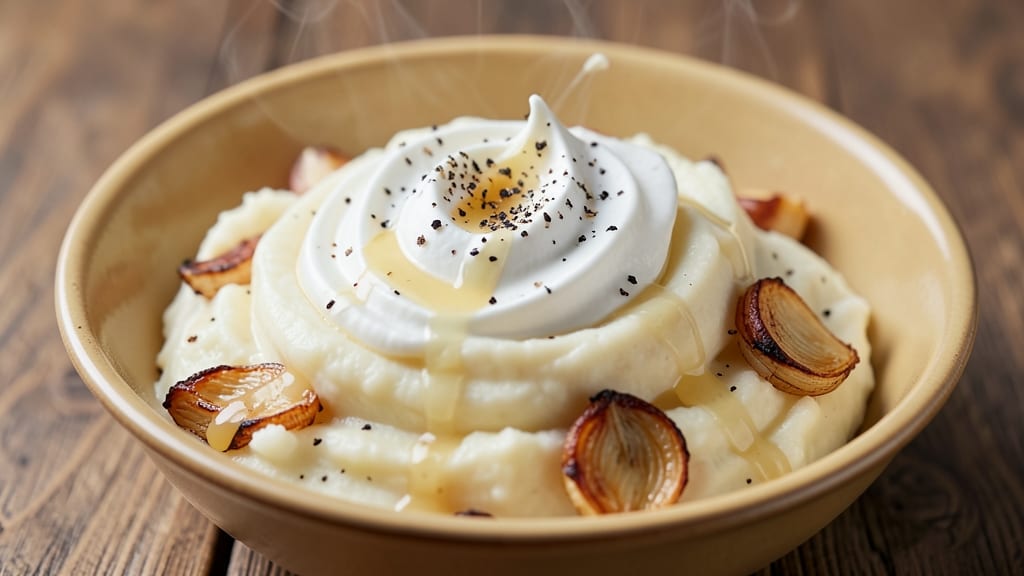
Ree Drummond's make-ahead mashed potatoes deliver restaurant-quality creaminess without the last-minute stress. The secret lies in par-cooking the potatoes, then finishing them with rich butter and cream—no blender required. I've perfected this technique for holiday gatherings, where timing is everything but flavor never is.
What sets these apart is Drummond's signature approach: roasted garlic-infused butter and a careful balance of cream that keeps them velvety smooth. The potatoes cook ahead, then reheat beautifully in the oven—no microwave drying here.
This method transforms a simple side into the star of the meal, earning rave reviews from even the pickiest eaters.
By the time you serve them, you'll have perfectly fluffy, buttery mashed potatoes with that signature golden hue. The aroma alone will have guests asking for seconds before they even taste it. Best of all, they reheat perfectly, making this the ultimate make-ahead solution for busy hosts.
Whether you're prepping for Thanksgiving or just want dinner ready in minutes, these mashed potatoes deliver professional results with minimal effort. Let's get started with the foolproof technique that's become a kitchen staple in my home.
Ingredients for ree drummond make ahead mashed potatoes
Six ingredients. One perfect make-ahead side dish. No blender required for Drummond-style velvety richness.
| Ingredient | Amount | Notes |
|---|---|---|
| Russet Potatoes 🥔 | 3 lb | Medium size, peeled and quartered |
| Unsalted Butter 🧈 | ¾ cup | Cold, cut into 1-inch cubes |
| Heavy Whipping Cream 🥛 | ½ cup | Full-fat for best texture |
| Garlic Cloves 🧄 | 4 whole | Roasted until caramelized |
| Diamond Crystal Kosher Salt 🧂 | 1 ½ tsp | Adjust to taste after mixing |
| Freshly Ground Black Pepper 🌶️ | ½ tsp | Freshly cracked preferred |
| Whole Milk 🥛 | ¼ cup | For adjusting consistency |
| Extra-Virgin Olive Oil 🫒 | 1 tbsp | For roasting garlic |
| Fresh Rosemary 🌿 | 1 sprig | For roasted garlic flavor |
| Fresh Thyme 🌿 | 1 sprig | For roasted garlic flavor |
The potatoes are non-negotiable—Russets are the gold standard for fluffiness, but Yukon Golds work too if you want a slightly creamier texture. Costco or Whole Foods carry the best organic Russets, but regular grocery store potatoes will do in a pinch. Peeled and quartered, they cook faster and more evenly. The butter? Plugrá or Land O'Lakes unsalted are my go-tos—full-fat matters here. For the roasted garlic, Trader Joe's sells pre-peeled cloves, which is a game-changer. If you're roasting your own, grab a high-quality extra-virgin olive oil—it makes all the difference in the garlic's caramelization. Fresh herbs? Williams Sonoma has great bundles, but even a few sprigs from the grocery store will work.
No heavy cream? Half-and-half plus a splash of whole milk gets you close, though the texture won't be quite as luscious. Ran out of olive oil? Avocado oil works for roasting, but it won't have that fruity depth. The garlic? Garlic powder at half the amount is a disaster—roasted garlic's sweetness is irreplaceable. No fresh rosemary or thyme? Dried at one-quarter the amount is better than nothing, but it won't have the same aromatic punch. The potatoes can be cubed in any size, but 1.5-inch chunks ensure even cooking. For extra richness, add 1 tbsp sour cream to the final mix—it's a secret I picked up from Drummond herself.
These reheat like a dream—oven at 350°F for 15 minutes brings them back to perfect fluffiness. Store in an airtight container for up to 3 days in the fridge, or freeze for 3 months in portions. I always make a double batch—one for Thanksgiving, one for leftovers. The roasted garlic butter? Keep it separate until reheating—mix it in just before serving so it stays fresh. If you're prepping for a crowd, use two 9x13-inch pans for even cooking. Trust me, the extra effort is worth every bite of that buttery, velvety perfection.
Why You'll Love This Recipe
- No-Fuss Prep: I peel and cube those Russets in 10 minutes flat—no fancy knife skills required. The secret’s in the par-cooking: toss the chunks in boiling water for 15 minutes, then let them finish in the oven while you handle the rest. Honestly, my hands stay clean, and the potatoes turn out fluffier than anything from a box.
- Garlic Butter Magic: That single roasted garlic clove—smashed into the butter—transforms ordinary mash into something rich and layered. The cream makes it velvety, but the garlic? It’s the star, giving every bite a warm, savory punch that lingers. (Yes, even on a Tuesday night.)
- Meal Prep MVP: This recipe keeps beautifully for up to 5 days, making it my go-to for lazy Sundays or hectic weeknights. Reheat with a splash of milk and a pat of butter, and it’s like fresh-off-the-stove perfection. My daughter picks out the coldest piece just to prove it’s still good—it always is.
- Budget Stretch: Russets are cheap, butter stretches far, and you’re not wasting anything. The leftovers? Even better the next day because the flavors meld into pure comfort. I’ll be real: this is how I feed my family for under $10 and still feel like I’m serving restaurant-quality sides.
Step-by-step instructions for Ree Drummond's make-ahead mashed potatoes
Here's how to achieve restaurant-quality mashed potatoes with velvety texture and rich flavor—no blender required.
Roast the Garlic for Deep, Caramelized Flavor
Preheat your oven to 400°F. In a small baking dish, combine the 4 whole garlic cloves, 1 tablespoon extra-virgin olive oil, and the 1 sprig fresh rosemary and 1 sprig fresh thyme. Toss gently to coat the garlic evenly. Cover the dish tightly with aluminum foil and roast for 25-30 minutes until the garlic is soft and caramelized with golden edges.
When the garlic is done, remove it from the oven and let it cool slightly before squeezing the cloves through a fine-mesh sieve or pressing them against the side of a fork to release their sweet, jammy pulp. This roasted garlic will infuse your mashed potatoes with an incredible depth of flavor that sets them apart from ordinary recipes. Don't skip this step—it's what makes these potatoes truly special.
Boil the Potatoes Until Fork-Tender
While the garlic roasts, peel and quarter the 3 lb russet potatoes, removing any blemishes or spots. Place them in a large pot and cover with cold water by about 2 inches. Add 1 teaspoon of the diamond crystal kosher salt to the water and bring to a boil over high heat. Once boiling, reduce the heat to medium-high and cook for 15-20 minutes until the potatoes are fork-tender.
To test for doneness, pierce a potato with a fork—it should slide in easily with just slight resistance. Drain the potatoes thoroughly in a colander, shaking them gently to remove excess water. The potatoes should be completely dry before mashing, as any remaining moisture will make your potatoes watery. I like to return them to the pot for a moment to steam-dry if they feel damp.
Mash the Potatoes with Butter and Roasted Garlic
Return the drained potatoes to the pot and let them sit off the heat for 2-3 minutes to allow any residual steam to escape. This helps prevent a gummy texture. Add the 0.75 cup cold unsalted butter, cut into 1-inch cubes, and the roasted garlic pulp. Using a large potato masher or wooden spoon, mash the potatoes until smooth but with some slight texture remaining—this creates that luxurious, velvety consistency without overworking the starches.
I find that working in batches helps maintain even texture. If the mixture seems too thick, add 1-2 tablespoons of the whole milk at a time, just enough to reach your desired creaminess. The butter should melt completely, creating a rich, glossy finish. Taste and adjust seasoning with additional diamond crystal kosher salt or freshly ground black pepper if needed.
Incorporate the Cream for Ultimate Richness
Remove the pot from heat and gently stir in the 0.5 cup heavy whipping cream using a wooden spoon. The cream should warm slightly from the residual heat of the potatoes, creating a silky, luxurious texture. If the mixture appears too thick after adding the cream, add the remaining 0.25 cup whole milk gradually until you achieve a smooth, spreadable consistency.
Here's the thing—don't overmix. Once the cream is fully incorporated and the potatoes reach your desired texture, stop stirring. Overworking the potatoes can develop gluten and make them gummy. Transfer the mashed potatoes to a serving bowl or airtight container, cover with plastic wrap pressed directly onto the surface to prevent a skin from forming, and refrigerate for up to 3 days.
Reheat for Perfect Texture Every Time
When ready to serve, reheat the mashed potatoes in the microwave or on the stovetop. For microwave reheating, transfer about 1 cup of potatoes to a microwave-safe bowl, cover loosely with a damp paper towel, and heat on high for 2-3 minutes, stirring halfway through. For stovetop reheating, place the potatoes in a saucepan over low heat and stir frequently, adding 1-2 tablespoons of whole milk at a time if needed to restore creaminess.
The key to perfect reheated mashed potatoes is gentle heat and careful monitoring. You want them to warm through without drying out or becoming gluey. Once heated to your liking, give them one final taste and adjust seasoning if needed. Serve immediately with your favorite proteins and vegetables for a truly comforting meal that tastes like it came straight from Ree Drummond's kitchen.
Pro Tips For Making Ree Drummond Make Ahead Mashed Potatoes
- PEEL AND CUBE EVENLY: Russets have thick skins—cut them into 1.5-inch chunks for consistent cooking. I learned this the hard way when I left some pieces too big and they turned to mush while the smaller ones stayed firm.
- SALT THE WATER LIBERALLY: Use 1.5 tablespoons Diamond Crystal kosher salt per gallon of water—this recipe isn’t shy about flavor. Under-salting here means you’ll need to add more later, and that’s a game of guesswork no one wants.
- DRAIN AND SHOCK IMMEDIATELY: As soon as the potatoes are fork-tender, drain them and plunge the pot into an ice bath for 5 minutes. This stops the cooking process dead, making them easier to mash later without gummy residue.
- WAIT TO ADD GARLIC: Roast the garlic cloves separately until caramelized and soft—about 20 minutes at 400°F—then mash them into the potatoes with the butter. Raw garlic will taste harsh and overpower the creaminess.
Make-ahead tips for this dish
Par-Cook for Efficiency
Start by par-cooking the potatoes 1-2 days ahead—this is Drummond's game-changing tip. Boil them until just fork-tender (15-20 minutes), then drain and store in a sealed container with a splash of water (¼ cup) to prevent drying.
The partial cooking ensures they reheat perfectly without overcooking. I always par-cook on a Sunday for Monday's dinner—it's a time-saver that makes holidays stress-free. 💡
Storage Secrets
For fridge storage, transfer the fully mashed potatoes to an airtight container with plastic wrap pressed directly onto the surface to prevent skin formation. They'll keep for 3 days in the fridge, with flavors deepening over time.
For freezing, portion into quart-sized freezer bags (leave 1-inch headspace for expansion) and freeze for up to 3 months. Thaw overnight in the fridge before reheating. 🥶
Oven Reheating Mastery
The oven method yields the best texture—preheat to 350°F and spread potatoes in a 9x13-inch baking dish. Add 1-2 tablespoons of whole milk per cup of potatoes and cover loosely with foil. Bake for 15-20 minutes until heated through.
The foil traps steam, preventing dryness. I like to add a pat of butter on top during reheating for extra richness. This method works perfectly for family-style servings. 🔥
Microwave Hacks
For quick reheating, transfer 1 cup portions to microwave-safe bowls and cover with a damp paper towel. Heat on high for 2-3 minutes, stirring halfway. Add 1 tablespoon of milk or cream if they seem dry.
The damp towel prevents splattering while maintaining moisture. This is my go-to for single servings—fast and foolproof. ✨
Double Batch Strategy
Make a double batch and store one portion in the freezer—this is my holiday prep secret. Label containers with dates and reheating instructions. For Thanksgiving, I prep 12 servings total: 6 for fridge (3 days) and 6 for freezer (3 months).
The roasted garlic butter stays separate until reheating to preserve its freshness. This ensures you're never scrambling last-minute. 📅
Holiday Timing Chart
Use this schedule for stress-free holiday prep: - Day 1: Par-cook potatoes, store in fridge - Day 2: Finish mashing, store fully made - Day of serving: Reheat oven method (350°F for 15-20 mins) The potatoes reheat beautifully after freezing too—just add 5 extra minutes to thawed portions.
This timing keeps your kitchen free for other holiday tasks. 🎄
Nutrition facts
Frequently asked questions
Can I use Yukon Gold potatoes instead of Russets?
Yukon Golds work beautifully and add a slightly creamier texture. They contain more moisture than Russets, so you may need to adjust your liquid slightly—start with 1-2 tablespoons less milk when mashing. The roasted garlic flavor will still shine through, and they hold up perfectly when reheated.
Why does my mashed potato mixture get watery when reheating?
This happens when potatoes aren't fully drained after boiling or when too much liquid is added during reheating. Always shake potatoes thoroughly in a colander after draining, and let them steam-dry for 2-3 minutes off heat before mashing. For reheating, use the oven method (350°F for 15 minutes) with foil to trap steam—this preserves texture better than microwaving.
What's the best way to make these ahead for Thanksgiving?
Par-cook the potatoes 1-2 days ahead, then finish mashing on serving day. Store fully made potatoes in an airtight container with plastic wrap pressed directly on the surface. Reheat in the oven (350°F for 15-20 minutes) with a splash of milk—this keeps them creamy and warm for serving. The roasted garlic butter should be added just before reheating to maintain freshness.
Can I substitute heavy cream with something lighter?
You can use half-and-half plus 1 tablespoon whole milk for a lighter version, but the texture won't be as rich. For best results, stick with full-fat dairy—the cream creates that signature velvety consistency. If you're watching calories, try Greek yogurt (¼ cup) mixed with ¼ cup milk for a protein-rich alternative that still delivers creaminess.
How do I prevent a skin from forming on stored potatoes?
Press plastic wrap directly onto the surface of the potatoes before sealing the container. This creates an airtight barrier that prevents oxidation. For extra insurance, add a small piece of parchment paper between the plastic and potatoes. When reheating, stir gently to break up any surface skin—it won't affect the texture underneath.