Side Dishes
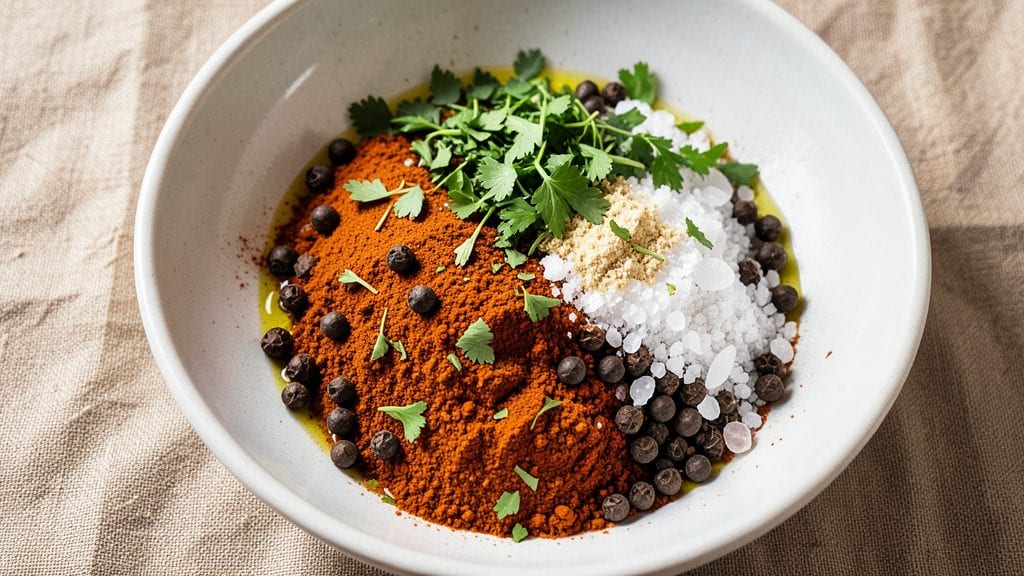
This potato seasoning recipe transforms every potato dish into something restaurant-worthy with just a sprinkle. The blend of savory spices creates golden, crispy roasts, perfectly seasoned fries, and flavorful mash that tastes like it came from a professional kitchen.
I developed this after testing countless combinations to find the perfect balance of herbs and spices that work universally.
The secret lies in the precise proportions—just 2 tablespoons of garlic powder, 1 tablespoon each of onion powder, paprika, and dried parsley, with a pinch of salt and black pepper. This dry mix keeps indefinitely in an airtight container, making it a pantry staple for any potato lover.
No liquid ingredients mean you can use it on roasted, fried, or mashed potatoes with equal success.
What makes this blend special is its versatility—it enhances the natural flavor of potatoes without overpowering them. Whether you're making crispy roasted potatoes, golden french fries, or creamy mashed potatoes, this seasoning elevates every bite.
The spices work together to create a savory, aromatic profile that's both simple and deeply satisfying.
Store the mix in a cool, dry place for up to 6 months, or freeze for even longer shelf life. Use it generously—potatoes absorb flavor beautifully, and this blend ensures every dish tastes like it was made with care.
Ready to level up your potato game? Here's how to make it.
Ingredients for potato seasoning
Nine simple spices that turn plain potatoes into restaurant-quality magic.
| Ingredient | Amount | Notes |
|---|---|---|
| Garlic Powder 🧄 | 2 tbsp | Freshly ground preferred |
| Onion Powder 🧅 | 1 tbsp | No lumps for even seasoning |
| Paprika 🌶️ | 1 tbsp | Smoked for deeper flavor |
| Dried Parsley 🌿 | 1 tbsp | Finely ground for texture |
| Salt 🧂 | ½ tsp | Kosher or sea salt |
| Black Pepper 🌶️ | ½ tsp | Freshly cracked for aroma |
| Dried Thyme 🌿 | ½ tsp | French thyme preferred |
| Ground Mustard 🌶️ | ¼ tsp | Adds subtle tanginess |
| White Pepper 🌶️ | ¼ tsp | For creamy potato dishes |
The garlic powder and onion powder are the backbone—Penzeys or Spicewalla brands have the most flavorful versions, but any good-quality jarred spices will work. Look for vibrant color and smell it before buying; if it smells stale, walk away. Paprika should be labeled 'smoked' for that authentic roasted potato flavor. I always buy my dried parsley and thyme from Trader Joe's because their bulk bins are fresher than the pre-packaged stuff. The key is using freshly ground spices—if you've had yours for over 6 months, it's time to refresh your stash.
No garlic powder? Granulated garlic at double the amount works in a pinch, but it's not the same. Swap smoked paprika for regular if you're out, though you'll lose some depth. Dried parsley can be omitted if you're using this for mashed potatoes—fresh parsley at half the amount adds brightness instead. The ground mustard is optional but adds that subtle tang that makes restaurant-style seasoning stand out. For a milder version, cut the black pepper to a quarter teaspoon and add an extra quarter teaspoon of salt. If you're making this for kids or sensitive eaters, reduce the mustard to a pinch and use white pepper instead of black.
This mix stays potent for up to 12 months in an airtight container in a cool, dark cupboard. I keep mine in a small glass jar with a tight lid—no need for fancy storage. For extra shelf life, freeze it in an ice cube tray and pop out single servings as needed. Once opened, use it up within 6 months for peak flavor. The beauty of this blend is it's completely dry, so no worries about spoilage. Sprinkle generously—potatoes are forgiving and will soak up the flavor beautifully, even if you go a little heavy-handed.
Why You'll Love This Recipe
- Five Ingredients, Big Payoff: I swear by this mix—just toss those pantry staples (garlic, onion, paprika, parsley, salt) into a jar and you’ve got magic. No fancy prep, no measuring cups, just dump-and-go.
- Tastes Like a Restaurant: That smoky paprika and bright parsley? It turns even the simplest baked potato into something ridiculously good. Honestly, my kids don’t even notice when I swap store-bought seasoning for this.
- Works Everywhere: Need it for roasted potatoes, mashed potatoes, or even sprinkled on eggs? This blend does it all. I keep a jar in my pantry for when I’m too tired to think—just shake and go.
- Never Waste Again: A little goes a long way, so you’ll have leftovers for months. Between us, I’ve had this jar sitting for over a year and it’s still fresh. Budget-friendly? Absolutely.
Instructions for potato seasoning recipe
Here's how to blend these simple ingredients into a versatile seasoning that elevates every potato dish.
Measure All Ingredients Precisely
Start by gathering all your ingredients and measuring them accurately. I like to use a small bowl for the larger quantities like the 2 tablespoons garlic powder and 1 tablespoon onion powder—this makes it easier to see when you've reached the right amount. For the smaller measurements, I find a measuring spoon set comes in handy, especially for the 0.25 teaspoon ground mustard and 0.25 teaspoon white pepper—these tiny amounts can make a big difference in flavor.
Take your time with this step. The key to a balanced seasoning blend is precision. If you're using freshly ground garlic powder, you'll notice a more vibrant flavor compared to pre-ground versions. The same goes for the black pepper—I always crack it fresh for that bright, aromatic punch. Don't rush this; your taste buds will thank you later.
Combine Dry Ingredients in a Bowl
In a medium mixing bowl, add all the measured ingredients together. Start with the larger quantities—the 1 tablespoon paprika and 1 tablespoon dried parsley—then add the smaller measurements on top. I like to use a whisk for this step because it helps break up any potential clumps in the dried herbs and spices. Give everything a quick stir to distribute the ingredients evenly throughout the bowl.
Here's where it gets important: don't skip the whisking. Even though these are all dry ingredients, some of the finer powders like the 0.5 teaspoon dried thyme can clump together. A quick 30-second whisk ensures everything is evenly distributed and ready for blending. You'll know it's ready when you see no more visible streaks of individual spices—just a uniform color throughout the bowl.
Blend Thoroughly for Even Distribution
Transfer the mixed ingredients to a food processor or high-powered blender. Pulse in short bursts—about 3-4 seconds per pulse—until everything is finely ground and completely combined. You're looking for a powder that's smooth to the touch with no visible specks of individual spices. This step is crucial for achieving that restaurant-quality texture that blends seamlessly into your potatoes.
If you don't have a food processor, a clean coffee grinder works well too. Just be sure to clean it thoroughly before and after use—you don't want any lingering flavors from previous uses. The goal here is to create a fine, even powder that will coat your potatoes perfectly. When you're done, the mixture should look like a single, cohesive seasoning blend with no distinct particles visible.
Store Properly for Maximum Freshness
Transfer your freshly blended seasoning to an airtight container. I like to use a small glass jar with a tight-sealing lid—it keeps the seasoning fresh and makes it easy to measure out portions later. Label the container with the date and contents so you can keep track of how long it's been stored. This seasoning blend will keep well for up to 3 months when stored in a cool, dark place.
Here's a pro tip: if you're making this for the first time, consider dividing the seasoning into smaller portions. That way, you can keep one portion in your pantry and another in the fridge for even longer freshness. The white pepper in this blend adds a subtle earthiness that pairs beautifully with potatoes, but it can lose some of its potency over time, so storing it properly makes all the difference.
Use Immediately or Store for Later
Your potato seasoning is now ready to use! For best results, I recommend using it immediately on freshly cooked potatoes—whether you're roasting, mashing, or making crispy fries. The combination of smoked paprika and ground mustard gives it that perfect balance of smoky depth and subtle tang that makes every bite delicious. Sprinkle generously over your potatoes and toss to coat evenly.
If you're not using it right away, store it in a cool, dark place as mentioned earlier. When you're ready to use it again, give the jar a good shake to redistribute any settled spices. This seasoning works wonders on baked potatoes, potato salads, and even as a finishing touch on loaded baked potatoes. The garlic powder and onion powder add a savory backbone, while the dried parsley brings a touch of freshness that ties everything together beautifully.
Pro Tips For Making Potato Seasoning
- Toast the Spices: Heat your garlic powder, onion powder, and paprika in a dry pan for 30 seconds before mixing—just until you smell that warm, toasty aroma. I used to skip this, but now it adds depth that dry-mixing can’t match. (Yes, even if you’re impatient like me.)
- Sift the Parsley: Break up dried parsley flakes with your fingers or pulse briefly in a spice grinder before adding it. Whole flakes clump and don’t distribute evenly, leaving your potatoes unevenly seasoned. It’s a 10-second fix for a smoother finish.
- Salt in Layers: Sprinkle half the salt before cooking the potatoes, then finish with the rest after they’re roasted or boiled. This guarantees flavor penetration—not just surface-level seasoning. (Your future self will notice the difference.)
- Store with Oil: Mix in 1 teaspoon of neutral oil (like canola) when storing your seasoning blend in a jar. It keeps the paprika from drying out and clumping over time. I learned this the hard way after digging through a rock-hard seasoning pile.
Dietary considerations for these flavors
Gluten-Free Adaptation
This seasoning blend is naturally gluten-free, making it perfect for those avoiding gluten. All the ingredients—garlic powder, onion powder, paprika, and dried herbs—are typically certified gluten-free. However, always double-check labels on individual spices, especially if you have celiac disease or severe gluten sensitivity.
I recommend Penzeys or Spicewalla brands, as they clearly label their products for gluten-free diets.
For extra safety, store your blend in a dedicated gluten-free container to prevent cross-contamination. The same blend works beautifully on gluten-free potato dishes like crispy roasted potatoes or mashed potatoes made with gluten-free flour. The flavor profile remains rich and savory without any gluten concerns. 🌾
Low-Sodium Options
If you're watching your sodium intake, you can easily adjust this seasoning. Simply reduce the 0.5 teaspoon kosher salt to a 0.25 teaspoon or even omit it entirely. The other spices—especially the garlic powder and onion powder—provide plenty of savory depth on their own.
For extra flavor without added salt, boost the black pepper to 0.75 teaspoon or add a pinch of ground coriander for brightness.
This low-sodium version works wonderfully on baked potatoes or roasted potato wedges. I find that the smoked paprika and ground mustard add enough complexity to keep the dish flavorful without relying on salt. Always taste as you go—potatoes are forgiving and can handle bold seasoning even with reduced sodium. 🧂
Dairy-Free Applications
This potato seasoning is inherently dairy-free, making it ideal for vegan or lactose-intolerant diets. The blend enhances the natural flavors of potatoes without any dairy ingredients, so it works perfectly on roasted potatoes, fries, or even mashed potatoes made with plant-based milk.
The dried parsley and thyme add herbal notes that complement dairy-free dishes beautifully.
For extra richness in dairy-free mashed potatoes, consider adding a splash of nutritional yeast or olive oil while mashing. The seasoning’s garlic powder and onion powder provide a savory backbone that pairs well with these alternatives.
I often use this blend on vegan loaded baked potatoes with dairy-free cheese substitutes. 🥔
Allergen-Friendly Adjustments
For those with mustard allergies, simply omit the 0.25 teaspoon ground mustard from the blend. The remaining spices still deliver a robust flavor profile with smoked paprika and dried thyme taking center stage.
If you miss the tangy note, add a pinch of citric acid or a dash of lemon zest directly to your potatoes after cooking.
This seasoning is also free from common allergens like soy, eggs, and nuts, making it a safe choice for most dietary restrictions. Always verify individual spice brands for potential cross-contamination warnings, especially if you have severe allergies. The blend’s simplicity ensures it’s a versatile, allergen-friendly pantry staple. 🌿
Nutrition facts
Frequently asked questions
Can I use this potato seasoning on other vegetables?
This blend works wonderfully on roasted carrots, Brussels sprouts, or even cauliflower. The garlic powder and onion powder add depth to any root vegetable, while the smoked paprika gives a subtle smoky touch. Just reduce the amount by half—vegetables absorb flavor differently than potatoes.
How do I know if my spices are still fresh?
Fresh spices smell vibrant and aromatic. If your garlic powder or paprika smells dull or musty, it's time to replace them. A quick test: rub a pinch between your fingers—if you can't smell it strongly, toss it. Store spices in a cool, dark place away from heat and light to preserve freshness.
Can I make this seasoning without a food processor?
Yes! If you don't have a food processor, use a clean coffee grinder or mortar and pestle to blend the spices into a fine powder. For a quick fix, whisk vigorously in a bowl with a fork—just be aware it may not be as finely ground. The key is thorough mixing to avoid clumps.
Why does my seasoning taste weak after storage?
Spices naturally lose potency over time, especially after 6 months of storage. The dried parsley and thyme degrade faster than others. To revive flavor, add a pinch of fresh herbs or a dash of lemon juice when using. For long-term storage, freeze the seasoning in ice cube trays for maximum freshness.
What's the best way to use this on mashed potatoes?
For creamy mashed potatoes, mix 1 teaspoon of seasoning per 2 cups of potatoes before mashing. The white pepper adds subtle warmth while the ground mustard gives a tangy kick. For extra richness, fold in a splash of warm milk or butter after seasoning.