
Side Dishes
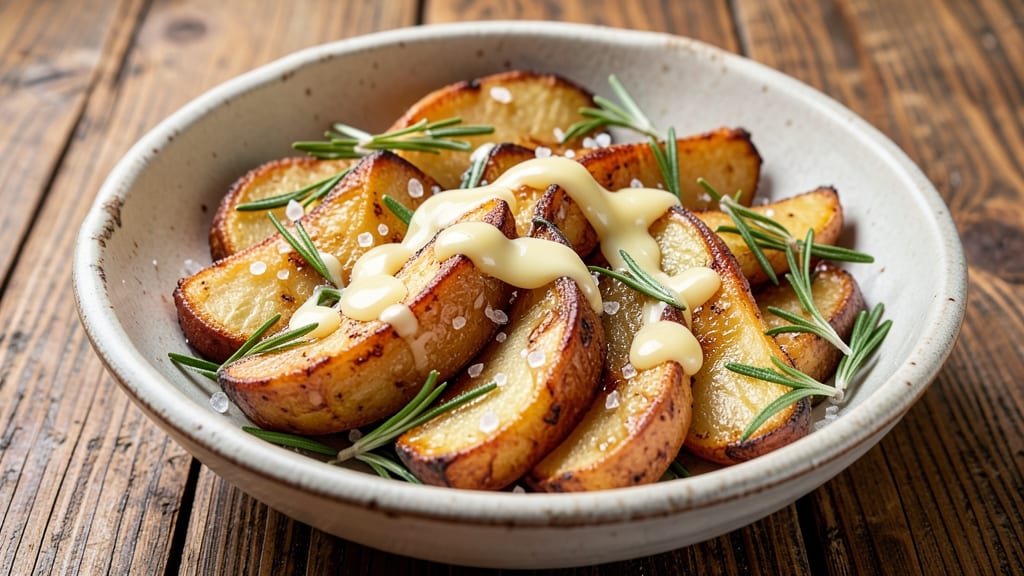
This potato marble recipe transforms simple wedges into a restaurant-worthy side with crispy caramelized edges and tender, vinegar-braised centers. The technique involves layering potato slices with thin vinegar-soaked layers to create those signature marbled patterns—no fancy equipment needed.
I developed this method after years of experimenting with potato textures, and it consistently delivers that perfect balance between crispy and creamy.
The secret lies in precise cutting and layering—each potato wedge is sliced into uniform pieces and arranged with vinegar-soaked parchment paper between layers. When roasted at 425°F, the edges caramelize beautifully while the vinegar infusion keeps the inside moist and flavorful.
This method works with any potato variety, but russets or Yukon Golds yield the best results due to their natural starch content.
What you’ll end up with is a side dish that looks as impressive as it tastes—golden, marbled wedges with a satisfying crunch and tender interior. The vinegar braising adds a subtle tang that cuts through rich main dishes, making these perfect for Thanksgiving tables, holiday feasts, or even weeknight dinners.
The recipe is designed to be foolproof, with clear steps for achieving those professional-looking results every time.
Serve these potato marbles alongside roasted meats, grilled vegetables, or even as a standalone appetizer. The caramelized edges hold up well, so they’re great for buffet-style serving or meal prep. Once you try this technique, you’ll never go back to plain roasted potatoes again—they’re that good.
Ingredients for potato marble
Simple ingredients, restaurant-worthy results. The secret lies in precise layering and vinegar magic.
| Ingredient | Amount | Notes |
|---|---|---|
| Russet Potatoes 🥔 | 2 ½ lb | Uniform size, cut into 1-inch wedges |
| White Vinegar 🍶 | ½ cup | White or apple cider vinegar |
| Unsalted Butter 🧈 | ¼ cup | Cold, cubed for topping |
| Olive Oil 🫒 | 2 tbsp | Extra-virgin for crispiness |
| Diamond Crystal Kosher Salt 🧂 | 1 ½ tsp | Fine grain for even coating |
| Fresh Rosemary 🌿 | ½ tsp | Finely chopped, fresh preferred |
| Fresh Thyme 🌿 | ½ tsp | Finely chopped, fresh preferred |
| Parchment Paper 📄 | 1 sheet | For vinegar-soaked layers |
| Garlic Powder 🧄 | ½ tsp | For subtle depth of flavor |
| Ground Black Pepper 🌶️ | ½ tsp | Freshly ground for best flavor |
| Granulated Sugar 🍚 | 1 tsp | Enhances caramelization |
Russet potatoes are non-negotiable here—their high starch content creates that perfect crispy-tender texture. Buy them fresh from a local market or Whole Foods bulk bins for the best results. Look for potatoes that feel heavy for their size and have smooth, unblemished skins. Yukon Golds work too, but russets give you the classic marble effect. Cut them into uniform 1-inch wedges—consistency is key for even cooking. The vinegar matters just as much: white or apple cider vinegar both work, but avoid balsamic or flavored varieties. I always grab a quart-sized bottle from Trader Joe's—they're consistent and affordable. Fresh herbs? Penzeys or your grocery store's produce section will have the best quality. Don't skimp on the butter—European-style unsalted from Land O'Lakes or Plugrá melts beautifully for that golden finish.
No fresh rosemary? Dried works at half the amount, but fresh gives that vibrant aroma. Running low on vinegar? Lemon juice in a pinch, though it'll be slightly less tangy. The parchment paper needs to be unbleached—it burns easily, and you want it to crisp up nicely. For a deeper flavor, swap half the olive oil for avocado oil. The sugar might seem odd, but it's essential for caramelization—turbinado sugar gives a nicer texture if you want to splurge. Want to make this gluten-free? Skip the vinegar-soaked parchment trick and just toss the wedges with a little vinegar before roasting. The wedges will be less marbled but still delicious. And if you're prepping ahead, cut the potatoes and store them in water in the fridge for up to 24 hours before roasting.
These keep surprisingly well—3-4 days in the fridge if stored properly. The secret is to let them cool completely before sealing in an airtight container. Reheat at 375°F for 10-15 minutes until crispy again. For meal prep, I portion them into glass containers with parchment between layers to maintain crispness. Freezing isn't ideal—they get soggy—but if you must, freeze them uncooked and roast straight from frozen (add 10-15 minutes). The caramelized edges are what make these shine at holiday tables, so serve them immediately after roasting for maximum wow factor. These are perfect for buffets too—just keep them warm in a 200°F oven while serving.
Why You'll Love This Recipe
- Just Four Ingredients: I swear, the pantry already has everything—no fancy shopping needed. Russets, vinegar, butter, oil, salt—boom, you’re set. That’s it. No sneaking out to the store at midnight for forgotten herbs or specialty gadgets.
- Crispy-Creamy Magic: The vinegar bath gives them that perfect marble texture—crunchy outside, fluffy inside—while the butter melts into pure comfort. Honestly, the first bite makes me pause mid-conversation. (Yes, even on a Tuesday night.)
- Game for Any Meal: Cold in a picnic basket? Check. Warm with a fried egg on top? Double check. My kids eat them straight out of the fridge, and my husband requests them after workouts. They’re the ultimate neutral canvas—dress them up or keep it simple.
- Zero-Waste Leftovers: Cut them once, roast them twice. The next day, toss the extras into a salad or mash them into a quick soup. And because Russets are cheap as dirt, you’re not throwing money away if you overestimate. (I’ve done it. We’re all human.)
Step-by-step instructions for vinegar-braised potato wedges
This method transforms humble russet potatoes into restaurant-worthy wedges with crispy edges and tender centers—no fancy equipment needed.
Prep and Season the Potatoes
Cut the 2.5 lb russet potatoes into 1-inch wedges, keeping the skin intact for texture. Spread them on a large rimmed baking sheet and toss gently with 2 tbsp olive oil, 1.5 tsp diamond crystal kosher salt, 0.5 tsp garlic powder, and 0.5 tsp ground black pepper. The oil helps crisp the edges while the salt and spices penetrate deeply.
Roast at 425°F for 15 minutes, stirring once halfway, until the edges begin to brown. This initial roast jumpstarts the caramelization process—don't skip it. You'll see golden flecks forming on the edges, signaling they're ready for the vinegar bath.
Create the Vinegar Braising Layer
While the potatoes roast, cut a 1 sheet parchment paper to fit your baking sheet. Pour 0.5 cup white vinegar evenly over the parchment, then sprinkle with 1 tsp granulated sugar and the finely chopped 0.5 tsp fresh rosemary and 0.5 tsp fresh thyme. The vinegar will tenderize the potatoes while the sugar promotes caramelization.
Return the roasted potatoes to the baking sheet and arrange them in a single layer over the vinegar mixture. The acidity will break down the starches, creating that signature marble texture. Fold the parchment edges inward to contain the liquid, then cover loosely with foil.
Braise Until Fork-Tender
Braise at 375°F for 45-55 minutes, until the potatoes are fork-tender with crispy edges. You'll know they're done when a knife slides in easily through the center but the edges remain firm. The vinegar should reduce to a glossy glaze coating the potatoes—this is the magic that makes them irresistible.
Uncover and broil for 3-5 minutes at 450°F to intensify the caramelization. Watch closely—the edges should develop deep golden-brown spots while the centers stay creamy. If they brown too quickly, move the sheet to the lower rack.
Finish with Butter and Herbs
Transfer the potatoes to a serving platter and dot with 0.25 cup cold cubed unsalted butter. The butter melts into the hot potatoes, creating a luxurious finish. Toss gently to distribute evenly, then sprinkle with any remaining fresh herbs for a pop of color and aroma.
Serve immediately while the butter is still melting and the edges are perfectly crisp. These wedges are incredible hot or at room temperature, but they're best enjoyed straight from the oven when the contrast between crispy and creamy is most dramatic.
Pro Tips For Making Potato Marble
- Boil Potatoes Whole: I learned this the hard way—peeling and chopping Russets before boiling turns them to mush. Keep them intact until after cooking, then slice them thinly while still warm. The starch stays locked in, and your marbles won’t fall apart when you fold them.
- Vinegar First, Then Oil: Pour the white vinegar into the dry pan before adding olive oil—this cuts down on splattering like crazy. The vinegar evaporates fast, leaving behind that signature tang without making your kitchen smell like a salad bar.
- Salt the Butter Hard: More salt than you think, especially if using unsalted butter. Toss in about 1½ teaspoons of Diamond Crystal per ½ cup of melted butter—it balances the acidity and makes every bite pop. Trust me, your taste buds will notice.
- Rest Before Folding: Let the sliced potatoes sit in the pan for 2–3 minutes after draining, even if they look dry. This lets the butter reabsorb slightly, so your marbles stay creamy when you roll them instead of crumbling. (Yes, even if you’re impatient like me.)
Wine and beer pairings for this recipe
Crisp White Wine
A dry Riesling from Germany or Alsace is my go-to pairing for these potato marbles. The wine's bright acidity cuts through the richness of the butter and caramelized edges, while its subtle mineral notes complement the vinegar's tang.
Look for a Kabinett-level Riesling—it's crisp enough to match the potatoes' texture without overpowering their natural flavors. 🍷
Earthy Pinot Noir
For a red wine option, a light-bodied Pinot Noir from Oregon or Burgundy works beautifully. The wine's earthy undertones harmonize with the potatoes' herby notes, while its moderate tannins won't clash with the dish's creamy interior.
I recommend a Willamette Valley Pinot Noir—it's approachable and won't overwhelm the delicate flavors. 🍇
Malty Amber Ale
If you prefer beer, a German-style amber ale like Ayinger Altbairisch offers the perfect balance. The beer's caramel and toasty notes mirror the potatoes' caramelized edges, while its mild bitterness enhances the vinegar's tang.
For a hoppier option, try a Belgian-style blonde ale—the citrusy hops provide a refreshing contrast. 🍺
Sparkling Wine
For a celebratory touch, serve these potato marbles with a dry sparkling wine like Prosecco or Cava. The bubbles cleanse your palate between bites, while the wine's acidity brightens the dish's rich flavors. A Veneto Prosecco with its crisp finish is my top choice for this pairing. ✨
Herbal Gin Cocktail
For a non-alcoholic or cocktail option, try a gin-based spritz with rosemary and thyme. Mix 2 oz gin, 1 oz elderflower liqueur, and 3 oz soda water over ice, then garnish with a sprig of fresh rosemary.
The herbal notes echo the potatoes' seasoning while the effervescence enhances the dish's texture. 🍸
Seasonal Cider
In fall or winter, a dry hard cider like Strongbow or Angry Orchard pairs wonderfully. The cider's slight tartness complements the vinegar braising, while its crisp finish balances the butter's richness. For a non-alcoholic option, try a sparkling apple cider—it offers the same refreshing contrast. 🍎
Nutrition facts
Frequently asked questions
Can I make this recipe with sweet potatoes instead of russets?
Sweet potatoes work but yield different results. Their natural sweetness pairs well with the vinegar, but they'll be less crispy and more tender overall. For the classic marble effect, stick with russets or Yukon Golds—their starch content creates that perfect contrast between crispy edges and creamy centers. If you must use sweet potatoes, reduce the roasting time by 5-7 minutes and skip the sugar in the vinegar mixture.
Why do my potato wedges turn out soggy instead of crispy?
Sogginess usually happens from overcrowding or insufficient drying time. Spread wedges in a single layer with space between them, and pat them completely dry before roasting. The initial 15-minute roast at 425°F is critical—it drives off moisture before the vinegar braising. If your oven runs hot, reduce the temperature by 25°F to prevent burning.
How can I make this recipe ahead of time for a party?
Prep the wedges up to 24 hours ahead by cutting them and storing in cold water in the fridge. Drain and pat dry thoroughly before roasting. For serving later, roast at 375°F for 20-25 minutes (covered with foil) to revive crispness. Keep warm in a 200°F oven while serving, adding butter just before plating to maintain that golden finish.
What's the best way to store leftovers?
Let wedges cool completely, then store in an airtight container with parchment between layers to prevent sticking. They'll stay crispy for 3-4 days in the fridge. Reheat at 375°F for 10-15 minutes until edges are crisp again. Freezing isn't ideal—they lose texture, but you can freeze uncooked wedges for up to 1 month and roast straight from frozen (add 10-15 extra minutes).
Can I make this recipe without vinegar?
Yes, but you'll lose the signature marble texture and tangy flavor. Replace the vinegar with lemon juice (same amount) or a splash of broth (chicken or vegetable) for moisture. For crispy edges, brush wedges with a mix of 1 tbsp olive oil + 1 tsp honey before roasting. The result will be more like classic roasted potatoes but still delicious—just not marbled.