
Side Dishes
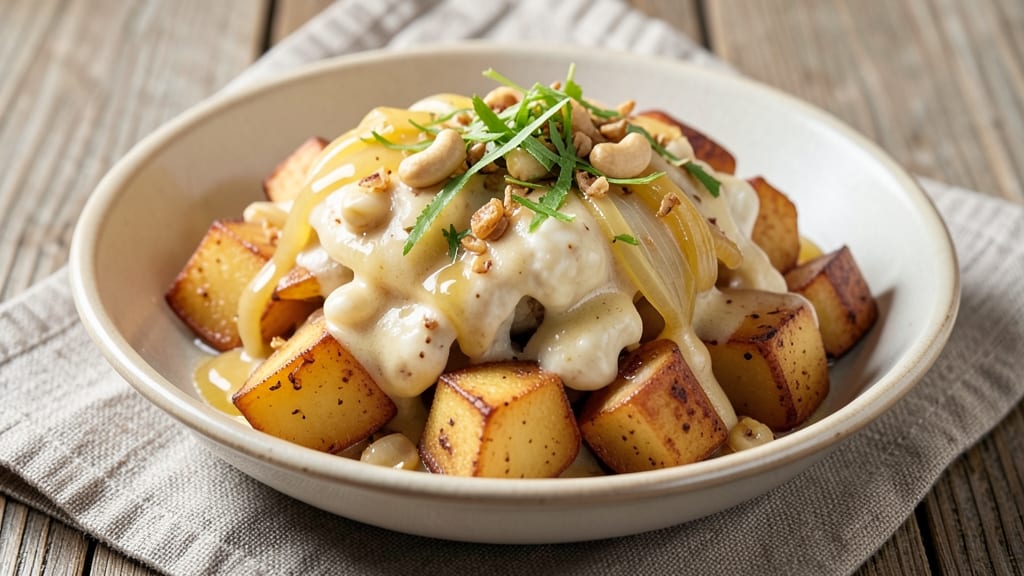
This potato kurma recipe transforms humble potatoes into a velvety, aromatic curry that balances rich coconut milk with fragrant spices—perfect for elevating any meal. The secret lies in slow-cooking the potatoes until they absorb the creamy sauce while maintaining their texture, creating a dish that’s both comforting and restaurant-worthy.
I’ve refined this version to deliver that signature perfect blend of sweet, spicy, and tangy flavors without requiring hours of simmering.
The beauty of potato kurma is its versatility—it works as a standalone vegetarian dish or pairs beautifully with grilled chicken, paneer, or shrimp for added protein. The spice tempering, where whole spices bloom in hot oil, forms the flavor base, while coconut milk lends that signature creamy richness.
This method ensures the curry develops depth without becoming overly heavy, making it ideal for both weeknight dinners and special occasions.
What you’ll achieve is a creamy curry with tender potatoes swimming in a fragrant, well-balanced sauce—golden in color, aromatic with cardamom and cinnamon, and just the right amount of heat. The sauce clings to every bite, delivering layers of flavor that make this dish unforgettable.
Whether served with steamed basmati rice, warm naan, or a cooling raita, it’s a crowd-pleaser that feels both familiar and elevated.
For those short on time, I’ve included a quicker stovetop method that still delivers on flavor, though the slow-cooked version yields the most tender results. The key is patience—letting the spices infuse and the potatoes absorb the sauce fully. Ready to master this classic? Let’s get cooking.
Ingredients for potato kurma
Creamy coconut milk meets aromatic spices in this potato kurma—simple yet restaurant-worthy ingredients for a velvety curry.
| Ingredient | Amount | Notes |
|---|---|---|
| Russet Potatoes 🥔 | 2 lbs | Medium-sized, peeled and cubed |
| Full-Fat Coconut Milk 🥥 | 1 ½ cups | High quality, canned preferred |
| Ghee or Coconut Oil 🫒 | ½ cup | For authentic flavor and richness |
| Yellow Onion 🧅 | 1 whole | Finely chopped, about 1.5 cups |
| Garlic Cloves 🧄 | 6 cloves | Minced, for aromatic depth |
| Fresh Ginger 🌿 | 2 tbsp | Grated, for zesty kick |
| Ground Cumin 🌶️ | 1 tbsp | Toasted for enhanced aroma |
| Ground Coriander 🌿 | 1 tbsp | For earthy undertones |
| Turmeric Powder 🧂 | 1 tsp | Brightens the curry color |
| Ground Cardamom 🌶️ | ½ tsp | Freshly ground for best flavor |
| Cinnamon Sticks 🌿 | 2 whole | For warm, aromatic notes |
| Green Chilies 🌶️ | 2 whole | Slit lengthwise, adjust to taste |
| Fresh Tomato 🍅 | 1 whole | Chopped, for tangy balance |
| Tomato Paste 🍅 | 2 tbsp | For concentrated flavor |
| Lemon Juice 🍋 | 1 tbsp | Freshly squeezed, for brightness |
| Salt 🧂 | 1 ½ tsp | Adjust to taste, kosher preferred |
| Fresh Cilantro 🌿 | ¼ cup | Chopped, for garnish |
The coconut milk is non-negotiable here—opt for full-fat, canned brands like Thai Kitchen or Goya for that signature richness. If you can't find fresh ginger, substitute with 1 tbsp of ground ginger, though fresh delivers more complexity. For the potatoes, Russets hold their shape best—avoid waxy varieties like red potatoes. The green chilies should be fresh, not dried, for the right balance of heat. Whole spices like cardamom and cinnamon should be lightly toasted in the ghee before grinding for maximum aroma.
No fresh ginger? Powdered ginger works, but reduce to half the amount. Short on coconut milk? Substitute with 1 cup of heavy cream plus 0.5 cup of water, though the flavor won’t be identical. The tomato paste can be swapped for 1 fresh tomato, pureed—just strain out the seeds for a smoother sauce. For extra depth, add 1 tsp of garam masala at the end, but don’t skip the lemon juice—it’s what ties all the flavors together. If you’re short on time, pre-chop the onions and garlic while the spices toast to save steps.
This curry tastes even better the next day as the flavors meld. Store leftovers in an airtight container in the fridge for up to 5 days. For freezing, portion into single-serving containers—thaw overnight in the fridge before reheating. The sauce thickens as it cools, so add a splash of water or coconut milk when reheating. Garnish with fresh cilantro just before serving to keep it vibrant. Double the batch if you’re feeding a crowd—it reheats beautifully.
Why You'll Love This Recipe
- One-Pan Magic: I swear by this—just potatoes, onions, and coconut milk simmering together until golden. No fancy gadgets, no extra bowls. Honestly, the only cleanup is wiping the pot and calling it a day.
- Rich Without Effort: That full-fat coconut milk? It transforms the dish into something decadent with almost no work. The ghee gives it a nutty depth that makes it taste like a restaurant dish, not a weeknight meal.
- Leftover Goldmine: This keeps perfectly for days—reheats beautifully, and honestly, tastes even better the second time around. I’ve had it cold in salads, warmed with toasted garlic, or straight from the pot. Versatile like that?
- Budget Comfort Food: Russet potatoes are cheap, coconut milk stretches far, and onions/garlic bulk it up. Between us, this feeds four for under $8 and leaves me feeling like I’ve splurged. (Yes, even on a Tuesday night.)
Step-by-step instructions for creamy coconut curry with spiced potatoes
Here's how to create a velvety potato kurma with balanced spices and rich coconut flavor.
Prepare the Potatoes and Aromatics
Start by peeling and cutting the 2 lbs russet potatoes into 1-inch cubes. I like to keep them uniform so they cook evenly throughout the curry. Place them in a pot of cold, salted water and bring to a boil over high heat. Once boiling, reduce to medium-high and cook for 8-10 minutes until the potatoes are fork-tender but not falling apart. Drain and set aside.
In a separate bowl, finely chop the 1 whole yellow onion and mince the 6 cloves garlic. Grate the 2 tbsp fresh ginger using a microplane or fine grater. The finer the ginger, the more evenly it will distribute throughout the dish. Keep these aromatics separate until we're ready to build the spiced base.
Build the Spiced Base
Heat the 0.5 cup ghee or coconut oil in a large, heavy-bottomed pot over medium heat. Add the 2 whole cinnamon sticks and let them sizzle gently for 30 seconds until fragrant. This is where the magic begins - the warm spices will infuse the oil with their aromatic compounds.
Add the slit green chilies and cook for 1 minute until they soften slightly. Then add the chopped onion and cook for 5-6 minutes, stirring occasionally, until golden brown and caramelized. This step develops deep flavor that forms the foundation of your curry. Add the minced garlic and grated ginger, cooking for another 30 seconds until the raw aroma disappears.
Develop the Spice Blend
Lower the heat to medium-low and add the 1 tbsp ground cumin and 1 tbsp ground coriander. Stir continuously for 1 minute until the spices are fully incorporated and their oils begin to release. Add the 1 tsp turmeric powder and 0.5 tsp ground cardamom, stirring for another 30 seconds. The spices should smell warm and inviting - this is your sensory checkpoint that they're properly toasted.
Add the chopped fresh tomato and 2 tbsp tomato paste, stirring well to combine. Cook for 3-4 minutes until the tomatoes break down and the mixture becomes a thick, glossy paste. This step builds the flavor foundation that will carry through the entire curry.
Create the Creamy Coconut Base
Pour in the 1.5 cups full-fat coconut milk, stirring constantly to prevent scorching. Bring the mixture to a gentle simmer, then reduce heat to low. Add the cooked potatoes and stir gently to coat them in the spiced coconut mixture. The potatoes should be fully submerged - if not, add a splash of water.
Season with the 1.5 tsp salt and 1 tbsp lemon juice. The lemon juice brightens the flavors and cuts through the richness of the coconut milk. Let the curry simmer gently for 15-20 minutes, stirring occasionally, until the potatoes are fully tender and the sauce has thickened to a creamy consistency. You'll know it's ready when the sauce clings to the back of a spoon.
Finish and Garnish
Remove the cinnamon sticks and adjust the seasoning if needed. I like to taste at this point and add a pinch more salt or a squeeze of lemon if necessary. The curry should be creamy, aromatic, and perfectly balanced between sweet, spicy, and tangy flavors.
Garnish with the 0.25 cup chopped fresh cilantro just before serving. The cilantro adds a fresh contrast to the rich, spiced curry. Serve hot with steamed basmati rice or warm naan bread. Each bite should deliver creamy coconut, tender potatoes, and a complex blend of warm spices that linger on the palate.
Pro Tips For Making Potato Kurma
- Parboil Potatoes First: Cut your Russets into even chunks, then boil them for 5 minutes before frying. I learned this the hard way—skipping it leads to uneven cooking, and you’ll end up with some pieces raw and others falling apart. The slight pre-cook also helps them absorb the coconut milk better later.
- Use Ghee, Not Oil: Ghee adds a nutty depth that coconut oil can’t match, and it won’t burn as easily when you’re frying onions at high heat. If you’re in a pinch, use coconut oil, but add a splash of milk to the pan first—it’ll help stabilize the heat and prevent scorching.
- Sweat Onions Low and Slow: After frying onions until golden, lower the heat and let them cook for another 5 minutes until soft and translucent. Rushing this step means your kurma will taste raw and sharp, not rich and caramelized. (Yes, even if you’re impatient like me.)
- Simmer Coconut Milk Gently: Bring the coconut milk to a bare simmer—tiny bubbles at the edges, not a rolling boil—and let it cook uncovered for 10 minutes first. This burns off the raw milk flavor and thickens the sauce without curdling. Skipping this step leaves your kurma tasting thin and underdeveloped.
Make-ahead tips for potato kurma
Prep Ahead Spice Mix
Toast and grind your spices in advance to save time on cooking day. Lightly toast 1 tbsp cumin seeds, 1 tbsp coriander seeds, 2 cardamom pods, and 1 cinnamon stick in a dry pan over medium heat for 2-3 minutes until fragrant.
Let cool, then grind into a fine powder using a spice grinder or mortar and pestle. Store in an airtight container for up to 2 weeks—this pre-made mix will cut your cooking time by 10 minutes or more. 🌶️
Potato Pre-Cooking
Parboil the potatoes the night before to streamline your cooking process. Cut and boil them as directed, then drain and store in the fridge in a covered container for up to 2 days.
Reheat gently in the sauce during the final simmering stage—this ensures they absorb all the flavors without drying out. I like to add them straight from the fridge to the pot to maintain their texture.
Slow Cooker Adaptation
Transform this into a make-ahead masterpiece by using a slow cooker. After building your spiced base on the stovetop, transfer everything (including potatoes) to a 6-quart slow cooker. Cook on LOW for 6-8 hours or HIGH for 3-4 hours, then add coconut milk and lemon juice before serving.
The slow cooking deepens the flavors, making it perfect for meal prep—just reheat gently on the stove with a splash of water if needed. ⏰
Freezer-Friendly Sauce Base
Make the spiced sauce base ahead and freeze it for future use. After cooking the onions, garlic, and spices (Step 2), add the tomato and tomato paste, then cool completely. Transfer to a freezer-safe container, leaving 1-inch headspace for expansion.
Thaw overnight in the fridge before completing the recipe—this saves you from building the base from scratch on busy days. The sauce keeps for up to 3 months without losing flavor.
Batch Cooking for Meal Prep
Double the recipe and store portions for up to 5 days in the fridge or 3 months in the freezer. Use glass Pyrex containers for reheating—microwave individual portions for 2-3 minutes on medium power, stirring halfway.
For best results, reheat on the stovetop over medium-low heat with a splash of coconut milk to restore creaminess. Label containers with dates to track freshness and ensure you use the oldest portions first. 💡
Spice Infusion Shortcut
Save time by using pre-made spice blends like Madras Curry Powder or Garam Masala—just adjust quantities to taste. For a shortcut, mix 1 tbsp each of cumin and coriander with 1 tsp each of turmeric and cardamom.
Store in a small spice jar labeled "Potato Kurma Spice Blend" for future use. This reduces active cooking time by 15 minutes while keeping the authentic flavor profile. Honestly, it’s a game-changer for busy weeknights.
Nutrition facts
Frequently asked questions
Can I make this potato curry vegetarian?
This recipe is already vegetarian-friendly as written. The rich coconut milk and spiced gravy make it hearty without needing meat. For extra protein, add 1 cup of paneer or tofu (cubed and pan-fried) during the final 10 minutes of simmering. The potatoes will absorb all the flavors beautifully.
Why does my curry taste too spicy?
Adjust the heat by reducing the number of green chilies or removing the seeds before adding them. For a milder version, use 1 green chili instead of 2, or swap them for ½ tsp mild chili powder. The lemon juice at the end also helps balance spice levels—add an extra ½ tbsp if needed.
How do I prevent the sauce from splitting?
Coconut milk can separate if cooked too vigorously. To avoid this, always stir gently when adding the milk and keep the heat at a low simmer (not a boil). If it starts to curdle, whisk in 1 tbsp cornstarch mixed with 2 tbsp water to stabilize it. The sauce should be smooth and velvety, not oily.
Can I use sweet potatoes instead of russets?
Yes, but expect a slightly sweeter flavor profile. Sweet potatoes work well, though they may break down faster during cooking. Reduce the simmering time to 12-15 minutes to maintain their texture. For extra richness, add ½ cup of yogurt at the end to balance the sweetness.
What’s the best way to reheat leftovers?
Reheat gently on the stovetop over low heat with a splash of water or coconut milk to restore creaminess. Avoid microwaving—it can make the sauce watery. For best results, cover the pot and warm for 3-5 minutes, stirring occasionally. Garnish with fresh cilantro just before serving to keep it vibrant.