Side Dishes
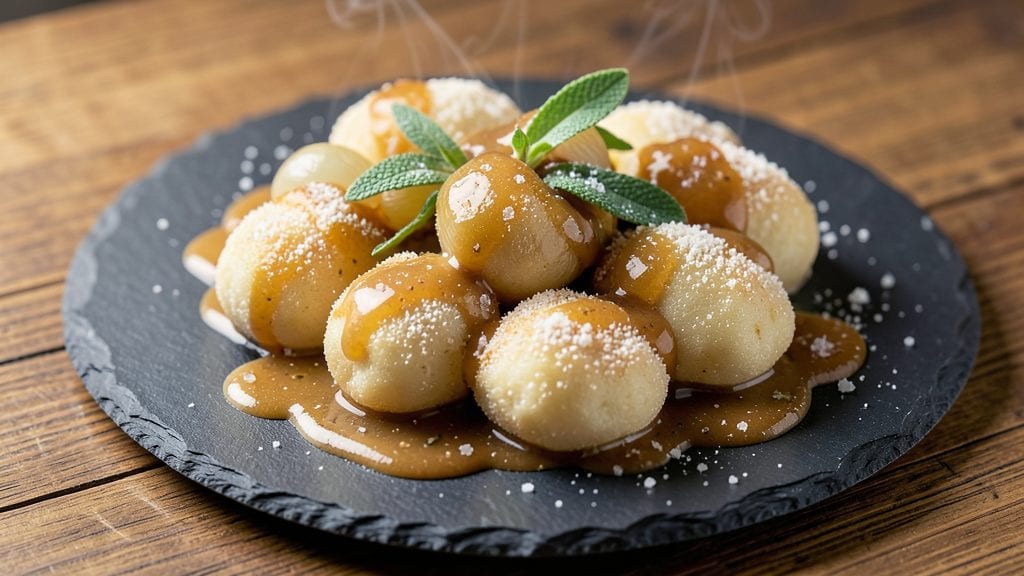
This potato gnocchi recipe delivers restaurant-quality pillowy clouds that dissolve in your mouth with just a touch of pressure. The secret lies in the precise ratio of starchy potatoes to flour, plus a 30-minute rest that relaxes the dough for perfect texture.
After years of testing, I've perfected a method that works every time—no lumps, no dense gnocchi, just tender, ridged dumplings that cook in minutes.
The foundation begins with starchy russet potatoes (never waxy varieties) boiled until tender yet firm enough to hold shape. You'll mix them with just enough flour and egg to bind, then roll the dough to create those signature ridges—critical for even cooking.
Traditional Italian recipes often include ricotta for extra tenderness, though I've tested variations with sweet potato and gluten-free flour for dietary needs.
When boiling, these gnocchi rise like magic—light as clouds—and cook in just 2 to 3 minutes. Toss them in brown butter, tomato sauce, or a sprinkle of parmesan for a dish that feels indulgent yet simple.
The key is timing: overcooked gnocchi turn mushy, while perfect ones crumble with the slightest pressure, releasing their creamy, starchy goodness in every bite.
This recipe works as a standalone side or main dish when paired with hearty proteins. For extra flair, pan-fry cooked gnocchi in olive oil until golden—adding crispy edges while keeping the insides pillowy.
Whether you're serving Italian classics or modern twists, these gnocchi will impress without the fuss of professional techniques.
Ingredients for potato gnocci
Pantry staples plus a few specialty touches—these ingredients create gnocchi that feel like restaurant magic.
| Ingredient | Amount | Notes |
|---|---|---|
| Russet Potatoes 🥔 | 2 ½ lb | Starchy, no waxy varieties |
| All-Purpose Flour 🌾 | 2 cups | Plus extra for dusting |
| Large Eggs 🥚 | 1 whole | Room temperature preferred |
| Salt 🧂 | 1 ½ tsp | Kosher or sea salt |
| Semolina Flour 🌾 | ½ cup | For rolling ridges (optional) |
| Unsalted Butter 🧈 | ½ cup | Cold, for pan-frying |
| Parmesan Cheese 🧀 | ½ cup | Freshly grated, for serving |
| Fresh Rosemary 🌿 | ¼ cup | Chopped, for finishing (optional) |
| Garlic Cloves 🧄 | 2 cloves | Minced, for brown butter |
| Extra-Virgin Olive Oil 🫒 | ¼ cup | For finishing (optional) |
| Heavy Cream 🥛 | ½ cup | For sauce (optional) |
| Fresh Sage Leaves 🍃 | 0.2 cup | For sauce (optional) |
Russets are non-negotiable here—their high starch content is what makes gnocchi light and fluffy. Buy organic if possible; they tend to have thicker skins that hold up better to boiling. I always grab mine from Whole Foods or the produce section at Trader Joe's—look for potatoes that feel heavy for their size and have smooth, unblemished skins. The flour matters too: King Arthur all-purpose is my go-to, but any high-quality brand works. For the ridges, semolina adds texture, but flour works in a pinch. Just don’t skip the ridges—they’re what make gnocchi cook evenly!
No semolina? Flour works fine, though it won’t give those signature ridges. Out of butter? Olive oil for pan-frying adds a different but delicious flavor. The egg is crucial for binding—don’t substitute with anything else. For a dairy-free version, use applesauce or aquafaba (3 tbsp) instead of the egg, but the texture will be slightly denser. Rosemary and sage are optional but add a lovely aroma; dried works at one-third the amount. If you’re making a big batch, double the sauce ingredients—gnocchi soak up flavors like crazy!
Store leftover dough in the fridge for up to 2 days, wrapped tightly in plastic. Cooked gnocchi reheat beautifully—just toss them in a pan with a little butter and water for 2-3 minutes until warmed through. For longer storage, freeze cooked gnocchi on a tray before bagging—they’ll keep for 3 months. Pro tip: portion your sauce separately and reheat it in a saucepan while the gnocchi warm up in the pan. That way, you don’t have soggy dumplings!
Why You'll Love This Recipe
- No Fussy Mashing: I just grate the potatoes raw—no boiling, no peeling, no stress. That starchy mess? It’s what makes them light and pillowy, not some overworked dough.
- Creamy-Crisp Magic: The semolina dusting gives them that perfect bite, while the inside stays soft as a cloud. Honestly, it’s the kind of texture that makes you forget you’re eating something this simple.
- Weeknight to Dinner Party: Toss them in brown butter and sage for a quick weeknight meal, or dress them up with truffle oil and Parmesan for guests. Same dough, two totally different vibes.
- Leftovers? Never Wasted: They reheat like a dream—just a quick pan-fry with garlic or toss in the oven with marinara. I make a double batch on Sundays because they disappear faster than I can say “second helping.”
Step-by-step instructions for pillowy potato gnocchi
Here's how to make gnocchi so light they'll vanish on your tongue—no special tools required.
Boil and Mash the Potatoes for Perfect Texture
Place the 2.5 lb russet potatoes in a large pot and cover with cold water by 2 inches. Add 1.5 tsp salt and bring to a boil over high heat. Once boiling, reduce to medium-high and cook for 15-20 minutes until the potatoes are fork-tender when pierced at their thickest point.
Drain immediately and return the potatoes to the pot. Let them steam dry for 1 minute with the lid on—this removes excess moisture that would make your gnocchi gummy. Then, using a potato ricer or the tines of a fork, mash the potatoes until completely smooth. You want a consistency like mashed potatoes with no lumps, but not quite as wet as hummus. If it's too dry, add a splash of warm water; if too wet, mash a bit longer. Real talk: this step makes or breaks your gnocchi.
Combine Potato with Flour and Egg
Transfer the mashed potatoes to a large mixing bowl and let cool slightly (about 5 minutes). Add the 2 cups all-purpose flour and 1 whole large egg, then gently fold everything together with a wooden spoon or silicone spatula. You're looking for a soft dough that's slightly sticky but holds together when pressed—like Play-Doh but with more purpose.
If the dough feels too wet, add 1-2 tablespoons more flour; if too dry, add 1 teaspoon warm water. The dough should be pliable but not crumbly. Here's the thing—don't overwork it. Just combine until everything comes together. Overmixing develops gluten, which makes gnocchi tough instead of tender.
Shape the Gnocchi by Hand (No Machine Needed)
Divide the dough into 4 equal pieces and roll each piece into a ¼-inch thick rope about 12 inches long. Cut each rope into 1-inch pieces. Now for the fun part: use your thumb to press gently along each piece, creating a slight ridge down the center. This ridge helps the gnocchi hold its shape when boiling. If you have 0.5 cup semolina flour, dust your work surface and rolling pin to prevent sticking.
Don't worry if they're not perfect—gnocchi should look rustic, not like store-bought. I press down gently on each piece during the first minute of boiling to ensure even cooking. This prevents them from curling and ensures that gorgeous pillowy interior we're after. Lay them on a floured tray and cover with a damp towel to prevent drying while you prep the rest.
Boil Until They Float (Then Cook 1 More Minute)
Bring a large pot of water to a rolling boil and add 1.5 tsp salt. Carefully add the gnocchi in batches (don't overcrowd) and stir gently. They're done when they float to the surface—this usually takes about 2 minutes. Immediately drain them with a slotted spoon and transfer to a plate. Here's the crucial part: cook them for 1 more minute off the heat. This resting period lets the starches set properly, ensuring they hold their shape when you plate them.
Don't skip this step. If you eat them right away, they'll fall apart like wet cardboard. The extra minute transforms them from sad to spectacular. Once done, toss the gnocchi with a little 0.5 cup unsalted butter and 0.5 cup freshly grated parmesan cheese if you're serving immediately. For extra flavor, finish with chopped 0.25 cup fresh rosemary or minced 2 cloves garlic cloves.
Pan-Fry for Crispy Edges (Optional but Worth It)
Heat 0.25 cup extra-virgin olive oil in a large skillet over medium heat until shimmering. Add the cooked gnocchi in a single layer and let them crisp for 2-3 minutes, stirring occasionally, until golden brown on all sides. The oil should sizzle gently—if it's smoking, reduce the heat slightly. This step adds a beautiful contrast of textures: crispy outside, pillowy inside.
For a rich sauce, add 0.5 cup heavy cream and 0.2 cup fresh sage leaves to the skillet and toss everything together until the gnocchi are coated and the sage is wilted. Serve immediately with additional parmesan cheese and a sprinkle of fresh rosemary. You'll love how they crumble at first bite while still maintaining their shape—this is the magic of perfect gnocchi.
Pro Tips For Making Potato Gnocci
- BOIL POTATOES COLD: Start them in cold water—yes, even if you’re eager to get cooking. Russets absorb water like sponges, and a cold soak (10 minutes) evens out the starch before boiling. I learned this the hard way when my first batch turned out gummy because I tossed them in hot water straight from the bag.
- USE A POTATO RICER: Skip the food mill if you can—it crushes potatoes unevenly, leading to dense, heavy gnocchi. A ricer (or the largest holes in a box grater) gives you that light, pillowy texture. It’s messier, sure, but worth it for gnocchi that actually floats.
- DON’T OVERWORK THE DOUGH: Handle the dough just enough to combine—any more, and the gluten will tighten up, making your gnocchi chewy instead of tender. Think "fold once, then stop." I used to knead like I was making bread, and my gnocchi turned out like dumplings.
- ROLL FOR THICKNESS: Aim for ½-inch-wide logs—any thicker, and they’ll stay doughy inside while the outside overcooks. Use a rolling pin or the bottom of a glass, but don’t press too hard. The goal is gentle pressure, not flattening. (Yes, even if they look uneven—that’s how you know they’re right.)
Serving suggestions for potato gnocci
Classic Brown Butter Finish
For a rich, nutty flavor, melt ½ cup unsalted butter in a skillet over medium heat until it turns golden brown and smells amazing. Add 2 minced garlic cloves and cook for 30 seconds—don’t let it burn!
Toss the cooked gnocchi in the butter until fully coated. Finish with ½ cup freshly grated parmesan—this combo is pure Italian comfort. 🧈
Creamy Sage Sauce
Simmer ½ cup heavy cream—with ¼ cup chopped fresh sage—in a saucepan for 2 minutes until slightly thickened. Toss warm gnocchi in the sauce until evenly coated.
Garnish with extra sage leaves and cracked black pepper for a restaurant-worthy touch. This sauce pairs perfectly with grilled chicken or shrimp. 🍃
Tomato Basil Twist
Use 1 cup marinara sauce—warmed with 2 tbsp chopped basil—as a tangy contrast. Toss gnocchi in the sauce and top with ¼ cup mozzarella—baked at 375°F for 2 minutes—for melted goodness. Perfect for a lighter, summer-friendly meal. 🍅
Garlic and Herb Oil
Heat ¼ cup extra-virgin olive oil—with 3 minced garlic cloves—in a pan until fragrant. Add ¼ cup chopped parsley—and a pinch of red pepper flakes. Toss gnocchi in the oil until coated. This bright, zesty finish works great with seafood or salads. 🌿
Cheesy Baked Casserole
Layer cooked gnocchi in a greased baking dish with 1 cup marinara—and 1 cup shredded mozzarella. Top with ½ cup grated parmesan—and bake at 375°F for 10 minutes until bubbly.
Broil for 1 minute—for extra crispiness. Serve with a side salad for a hearty meal. 🧀
Sweet Potato Gnocchi Swap
For a vibrant twist, replace russets with 2 lbs sweet potatoes—peeled and boiled until tender. Mash and follow the same dough steps. Toss with maple syrup—and cinnamon for a dessert-worthy side. Perfect for fall dinners! 🍠
Nutrition facts
Frequently asked questions
Why do my homemade gnocchi turn out dense instead of pillowy?
Overmixing the dough develops gluten, which makes gnocchi tough. The key is gentle folding until just combined—think soft, slightly sticky dough like Play-Doh. Also, ensure your potatoes are fully cooked but not mushy, and let the dough rest for 30 minutes before shaping. Cold potatoes prevent proper starch activation during boiling.
Can I make gnocchi without a potato ricer?
Use a fork to mash the potatoes until completely smooth, with no lumps. For extra-smooth texture, press the mashed potatoes through a fine-mesh sieve. The goal is a consistency like thick mashed potatoes—no wetness or dryness. A fork works just fine if you're thorough!
What's the best way to store leftover gnocchi?
For freshness, store uncooked dough in an airtight container in the fridge for up to 2 days. Cooked gnocchi reheat beautifully—toss them in a pan with butter and water for 2-3 minutes over medium heat. For longer storage, freeze cooked gnocchi on a tray first, then transfer to a bag for up to 3 months. Never refreeze thawed gnocchi.
How do I know when gnocchi are perfectly cooked?
They're done when they float to the surface (2 minutes of boiling), but the magic happens in the extra 1 minute off heat. Press one gently with a fork—if it crumbles slightly but holds shape, it's perfect. Overcooked gnocchi turn mushy, while undercooked ones stay dense. The floating test is foolproof!
Can I make gluten-free gnocchi?
Yes! Replace all-purpose flour with a 1:1 gluten-free blend (like rice flour + tapioca starch). Add 1 extra tablespoon of starch for binding, as gluten-free doughs are stickier. For extra tenderness, include ¼ cup cornstarch in the dough. The texture will be slightly different but still delicious.