
Side Dishes
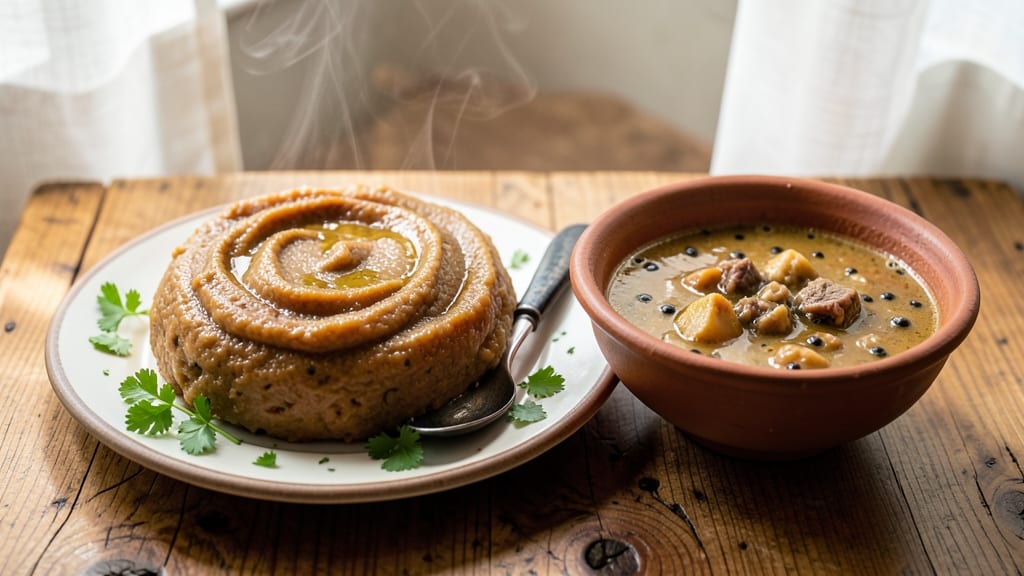
Mastering potato fufu recipe means embracing West Africa’s beloved stretch-and-squeeze tradition—a doughy delight that transforms boiled potatoes into a smooth, elastic masterpiece. The process demands patience, but the result is worth every effort: a velvety, slightly sticky consistency that clings perfectly to soups like egusi or groundnut stew.
I’ve perfected this technique after years of trial and error, ensuring the texture stays firm yet pliable without falling apart.
This recipe begins with carefully boiled and peeled potatoes, which are then pounded or mashed into a dough using a mortar and pestle—a traditional method that develops the signature elasticity.
The key lies in working the dough thoroughly while keeping it warm, which prevents cracking and ensures that stretchy, satisfying texture. While it requires attention, the process is surprisingly straightforward once you understand the rhythm of pounding and folding.
What makes potato fufu truly special is its cultural significance—it’s not just a side dish, but a centerpiece of West African meals, often served at gatherings and celebrations. The dough’s smooth, cohesive texture pairs beautifully with rich, flavorful soups, creating a meal that’s both comforting and impressive.
Whether you’re cooking for family or exploring new culinary traditions, this recipe delivers restaurant-quality results at home.
Once you’ve achieved the perfect consistency, serving is simple: tear off generous pieces and let diners stretch and squeeze them over their soup. The contrast between the dough’s mild, starchy flavor and the bold spices of the stew creates a harmonious balance.
For best results, keep the fufu warm while serving—it’s best enjoyed fresh from the pot. Let’s get started on this West African staple!
Ingredients for potato fufu
Seven core ingredients transform humble potatoes into West Africa’s iconic stretchy dough masterpiece.
| Ingredient | Amount | Notes |
|---|---|---|
| Russet Potatoes 🥔 | 2 ½ lb | Medium size, peeled and boiled |
| Water 💧 | 4 cups | For boiling potatoes |
| Salt 🧂 | 1 tsp | Diamond Crystal kosher preferred |
| Vegetable Oil 🫒 | 1 tbsp | For keeping dough moist |
| Mortar and Pestle 🪨 | 1 whole | Traditional for elasticity (or food processor) |
| Groundnut Stew or Egusi Soup 🍲 | 3 cups | For serving (optional) |
| Palm Oil 🫒 | 1 tbsp | For garnish (optional) |
Russet potatoes are non-negotiable—their high starch content creates that signature elastic texture. Buy organic if possible to avoid waxed skins, and look for firm, unblemished tubers at Whole Foods or local African markets. The mortar and pestle is traditional (I use my grandmother’s hand-carved wooden set), but a food processor works in a pinch—just pulse carefully to avoid overworking. Boil the potatoes until fork-tender, not mushy, and drain immediately. The oil isn’t for cooking—it’s a secret weapon to keep the dough supple during pounding. African grocery stores often carry it pre-mixed with spices if you want to shortcut the process.
No mortar and pestle? Food processor with short pulses gets close, but you’ll lose some elasticity. Swap palm oil for avocado oil or coconut oil—they mimic the neutral fat profile. For the stew, groundnut (peanut) stew is traditional, but any rich West African soup works. The key is temperature: keep the dough warm (wrap in a clean kitchen towel) while pounding to prevent cracking. If the dough feels too dry, add 1 tsp water at a time. Too sticky? Sprinkle a pinch of salt—it’s a natural dough stabilizer. For a shortcut, some cooks blend boiled potatoes with a splash of hot water for a smoother texture (though purists insist on pounding).
Freshly made fufu is best served immediately, but you can keep it warm for 30-45 minutes by covering with a damp towel. Reheating? Microwave 20 seconds with a damp paper towel to restore moisture. The dough freezes surprisingly well—portion into balls, freeze for up to 3 months, then steam for 5 minutes to revive. Pro tip: Serve with extra soup on the side—diners will stretch and squeeze to their heart’s content. Leftovers? Toss in a sealed container with a damp paper towel to prevent drying. This isn’t just a side—it’s the star of the meal.
Why You'll Love This Recipe
- No-Fuss Staple: I swear by this for lazy nights—just boil, pound, and serve. The mortar and pestle work turns starchy potatoes into a smooth, doughy delight with zero fancy gadgets.
- Creamy Without Dairy: That perfect, melt-in-your-mouth texture comes from nothing but boiled Russets and a little oil. Honestly, it’s the kind of simple richness that makes you question why you ever bought heavy cream.
- Weeknight Crowd-Pleaser: I’ve fed picky eaters, hungry teens, and my partner’s out-of-town relatives with this—no complaints. It’s the neutral canvas that lets soups, stews, or even grilled meats shine.
- Pound-Saving Magic: Leftovers? No problem. I make a big batch on Sundays, and it keeps for days in the fridge. Cold or reheated, it’s still the same satisfying, stretchy bite—proof that good food doesn’t need to be fresh.
Step-by-step instructions for potato fufu recipe
This traditional West African dish transforms humble russet potatoes into an elastic, stretchy masterpiece—here's how to achieve that perfect fufu texture.
Boil the Potatoes to Perfect Tenderness
Place the 2.5 lb russet potatoes in a large pot and cover completely with the 4 cups water. Add the 1 tsp salt and bring to a rolling boil over high heat. Once boiling, reduce to a gentle simmer and cook for 25-30 minutes until the potatoes are fork-tender with no resistance when pierced.
Here's the thing—you want them soft enough to mash easily but not falling apart. Test by squeezing gently: the skin should give slightly but not break. Drain immediately after cooking to prevent them from absorbing more water, which would dilute the final texture.
Mash Thoroughly Using the Mortar and Pestle
Transfer the hot potatoes to the mortar and pestle. I like to work in batches if needed, but keep everything hot to maintain the dough's elasticity. Begin by breaking up the potatoes with your hands, then use the mortar and pestle to mash vigorously in circular motions until completely smooth.
This is where traditional technique matters most. The mortar and pestle create friction that develops gluten, giving fufu its signature stretch. Work quickly—if the potatoes cool too much, the dough will become gummy instead of elastic. You're aiming for a smooth, lump-free consistency that holds together when squeezed.
Knead the Dough for Maximum Elasticity
Add the 1 tbsp vegetable oil to the mashed potatoes and knead vigorously with your hands for 5-7 minutes. The oil prevents drying and helps create that signature fufu stretch. You'll know it's ready when the dough springs back immediately when poked and feels smooth like modeling clay.
This kneading step is non-negotiable for authentic texture. If the dough feels sticky, add just a pinch more salt to help bind it. Cover with a damp towel to prevent drying while you prepare the serving sauce. The dough should maintain its shape when rolled into a ball—if it crumbles, knead for another 2-3 minutes.
Shape and Serve with Traditional Sauces
Divide the dough into 4 equal portions. Wet your hands slightly to prevent sticking, then shape each portion into smooth balls. To serve, place a ball on a plate and press down gently with your palm to flatten slightly—this creates the characteristic dome shape that makes fufu so satisfying.
Serve immediately with the 3 cups groundnut stew or egusi soup. Drizzle with the 1 tbsp palm oil for that authentic West African touch. The contrast between the stretchy fufu and rich, hearty stew is what makes this dish so incredible. Each bite should deliver that perfect combination of smooth texture and bold flavors.
Pro Tips For Making Potato Fufu
- Boil Until Fork-Tender: Russets stay stubbornly firm if you rush this—test with a knife after 20 minutes of boiling. You want it to slide in like butter, not bounce back like a stress ball. (Yes, even if the recipe says "soft." Trust the knife.)
- Peel While Still Warm: Cold potatoes cling like glue to your knife. Peel them right after boiling while they’re still hot—skin slips off in sheets instead of fighting you. Save the peels for stock if you’re feeling fancy.
- Pound in Batches: One giant mound in the mortar just won’t happen. Divide the boiled potatoes into 3-4 smaller piles and pound each one separately—you’ll get a smoother, silkier fufu without turning into a human potato masher.
- Salt the Water Lightly: Over-salting the boiling water makes the potatoes taste like seawater. Use just 1 teaspoon of salt for 1 gallon of water—enough to flavor, not drown. Adjust the fufu’s seasoning later with your sauce.
Perfect pairings for these flavors
Soup Pairings
Potato fufu thrives with West African soups that balance its mild starchiness. My go-to is egusi soup—made from ground melon seeds, leafy greens, and peanuts—its nutty depth complements the fufu’s smoothness perfectly.
For a lighter option, try light soup (a tomato-based stew with fish or meat), which cuts through the richness without overpowering. 🍲
Protein Additions
Serve with grilled or fried tilapia or chicken for a complete meal. I often pan-fry skinless fillets in palm oil until crispy, then arrange them alongside the fufu and soup.
The protein adds substance while letting the fufu shine as the star. For vegetarians, tofu or mushrooms work beautifully with a peanut stew base.
Spicy Condiments
Add heat with shito (a spicy black pepper and locust bean stew) or suzanne’s sauce (a tangy tomato-pepper blend). I keep small bowls of these on the table so guests can adjust spice levels to taste.
A squeeze of lemon also brightens the dish, balancing the richness of the fufu and stew. 🌶️
Vegetable Sides
Round out the meal with steamed greens like jute or spinach, tossed with garlic and palm oil. Alternatively, grilled plantains add natural sweetness that contrasts the savory fufu. These sides prevent the meal from feeling too heavy while keeping it authentically West African.
Beverage Pairings
Cool down with zobo drink (hibiscus tea with ginger and pineapple) or a refreshing mango-ginger smoothie. For something stronger, palm wine (traditional in many West African cultures) adds an authentic touch. Even a simple sparkling water with lime keeps the meal light and refreshing.
Nutrition facts
Frequently asked questions
Why does my potato fufu keep breaking apart?
The most common reason is overworking the dough or letting it cool too much. Work the dough in small batches while keeping it warm with a damp towel. If it's still crumbling, add 1 tsp water at a time until it holds together like modeling clay. The key is maintaining 5-7 minutes of vigorous kneading after adding oil—this develops the gluten needed for elasticity.
Can I make potato fufu without a mortar and pestle?
While traditional, a food processor works in a pinch. Pulse the hot mashed potatoes in short bursts (no more than 30 seconds total) to avoid overworking. For best results, finish by hand-kneading for 5 minutes to develop elasticity. If you don't have either, a sturdy wooden spoon in a heavy bowl can create enough friction when mashed vigorously.
How do I store leftover potato fufu?
Keep leftovers in an airtight container with a damp paper towel to prevent drying. They'll stay fresh for 2-3 days at room temperature. For longer storage, freeze portions in balls for up to 3 months. To reheat, steam for 5 minutes or microwave for 20 seconds with a damp paper towel—this restores moisture without making it gummy.
What's the secret to getting that perfect stretchy texture?
The magic happens during the kneading phase. After mashing the potatoes, work the dough vigorously for 5-7 minutes until it springs back when poked. The oil prevents drying while the friction develops gluten. Keep everything warm—cool dough becomes gummy. Pro tip: If the dough feels too sticky, add just a pinch of salt to help bind it. The more you work it, the more elastic it becomes!
Can I substitute sweet potatoes for regular potatoes?
While possible, russet potatoes are ideal for their high starch content. Sweet potatoes yield a denser, less stretchy fufu. If substituting, boil them 5 minutes longer and mash more thoroughly. For best results, stick with russets—they're non-negotiable for that signature West African texture.