
Side Dishes
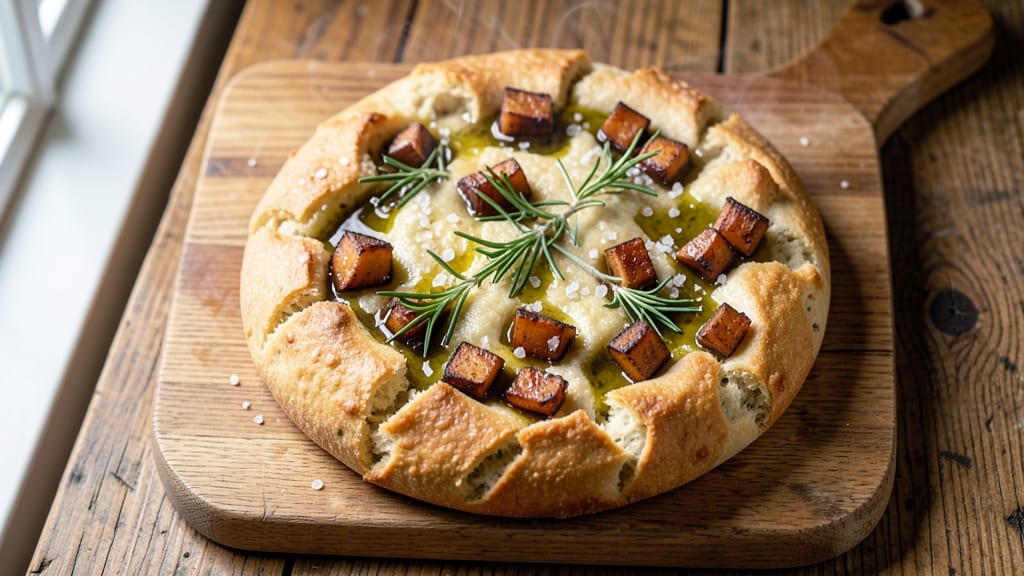
Creating the perfect potato focaccia recipe starts with a few key techniques that transform simple ingredients into a golden, bubbly masterpiece. The secret lies in properly activating the yeast and incorporating tender, flavorful potatoes that melt into the dough—creating pockets of richness with every bite.
This isn't just a side dish; it's a showstopper that pairs beautifully with soups, salads, or even as a hearty main when loaded with toppings.
What sets this focaccia apart is the balance of textures: a crispy, golden crust that contrasts with a soft, airy interior studded with chunks of potato. The olive oil drizzle isn't just decorative—it's essential for that signature shine and depth of flavor.
Whether you're boiling the potatoes for tenderness or roasting them for a caramelized edge, the method you choose will change the entire experience. I’ve tested both, and the results are equally impressive in their own way.
This recipe delivers restaurant-quality focaccia in your own kitchen, with minimal fuss but maximum impact. The dough rises just enough to create those coveted golden bubbles, while the potatoes infuse every bite with natural sweetness and creaminess.
No special equipment is needed—just time, patience, and a hot oven to bring it all together. The aroma alone will have everyone gathering around the table before it’s even done baking.
Once baked, the possibilities are endless: drizzle with extra olive oil and flaky sea salt, sprinkle with fresh herbs, or serve warm with a side of roasted vegetables.
It’s the kind of dish that elevates any meal—simple yet sophisticated, comforting yet impressive. Ready to make your kitchen smell like a Tuscan bakery? Let’s get started.
Ingredients for potato focaccia
Sixteen ingredients transform into golden, bubbly potato focaccia with crispy crust and tender interior pockets.
| Ingredient | Amount | Notes |
|---|---|---|
| All-Purpose Flour 🌾 | 4 cups | Spooned and leveled for accuracy |
| Active Dry Yeast 🍞 | ¼ oz | Or 2.5 grams, fresh preferred |
| Granulated Sugar 🍚 | 1 tbsp | For yeast activation |
| Large Eggs 🥚 | 2 whole | Room temperature for best results |
| Extra-Virgin Olive Oil 🫒 | 1 ½ cups | High quality, fruity variety |
| Russet Potatoes 🥔 | 2 lbs | Medium size, peeled and cubed |
| Sea Salt 🧂 | 1 ½ tsp | Fine grain preferred |
| Fresh Rosemary 🌿 | 2 tbsp | Chopped, for aroma |
| Flaky Sea Salt 🧂 | ½ cup | For finishing, like Maldon |
| Warm Water 💧 | 1 ½ cups | 110°F for yeast activation |
| Baking Sheet 🍳 | 1 whole | 12x17-inch for baking |
| Cornmeal 🌽 | 2 tbsp | For dusting baking sheet |
| Fresh Thyme 🌿 | 1 tbsp | Chopped, optional garnish |
The flour and yeast form the foundation—King Arthur or Gold Medal flour works best for that signature airy texture. Fresh yeast is ideal, but instant yeast in the dry mix works too (just skip the activation step). For the potatoes, Russets are your best bet—they hold shape when boiled and melt beautifully in the dough. Most grocery stores carry them, but Whole Foods or Trader Joe's often have organic options with fewer blemishes. The olive oil matters here—California avocado or Italian varieties add the most flavor. Store your flour in a cool, dark place and keep yeast refrigerated until use (it lasts up to 4 months when sealed properly).
No rosemary? Fresh thyme or oregano work beautifully—just adjust to taste. Running low on flaky sea salt? Kosher salt at half the amount gets you close, though the texture won't be identical. The potatoes can be roasted instead of boiled (toss with olive oil, salt, and bake at 400°F for 25 minutes) for a deeper caramelized flavor. For the olive oil, light olive oil is fine if you're watching calories, but extra-virgin gives that rich, fruity depth. If you're making this ahead, boil the potatoes in advance and store them in cold water in the fridge for up to 2 days—they won't overcook when added to the dough later.
This focaccia keeps best at room temperature for 2 days if wrapped tightly in foil. For longer storage, freeze portions for up to 3 months—just thaw at room temperature before reheating. The crust stays crispy if you reheat it in a 350°F oven for 5-10 minutes. I like to portion mine into squares for easy serving—perfect for lunches or snacks. The extra olive oil drizzle? Save it for serving—it's what makes the focaccia truly shine. If you've got leftovers, toast them lightly to revive the texture.
Why You'll Love This Recipe
- No-Knead Magic: I swear by this dough—just mix, wait, and stretch. The yeast does all the work while I sip coffee, and that olive oil-rich crumb? Pure reward after five minutes of effort.
- Stretchy, Salty Bliss: The potatoes add this irresistible creaminess that balances the focaccia’s crispy edges. Honestly, the first bite makes me forget about store-bought bread entirely—it’s that good.
- Weeknight or Picnic Star: Toss it in a basket for Sunday brunch or pack slices for lunch. Between us, it’s the only bread I’ll bring to a potluck—no one leaves with leftovers, but I always do.
- Budget-Friendly Staple: Flour, eggs, and potatoes? Pantry basics that stretch across meals. I make a double batch, freeze half, and save $10 vs buying artisanal loaves. (Yes, even on a Tuesday night.)
Step-by-step instructions for potato focaccia
Here's how to create a perfectly fluffy, golden potato focaccia with crispy edges and aromatic herbs.
Prepare the Potato Topping
Preheat your oven to 425°F and line the baking sheet with parchment paper. Peel and cube the 2 lbs russet potatoes into ½-inch pieces. Spread them in a single layer on the prepared baking sheet and drizzle with 2 tablespoons of the extra-virgin olive oil. Toss gently to coat, then sprinkle with ½ teaspoon of the sea salt.
Roast the potatoes for 25-30 minutes until they're golden brown and tender when pierced with a fork. You want them caramelized but not mushy—this will add incredible flavor to your focaccia. Remove from the oven and set aside to cool slightly while you prepare the dough.
Mix the Dough and First Rise
In a large mixing bowl, combine the 4 cups all-purpose flour and 1.5 teaspoons sea salt. Make a well in the center and add the 0.25 oz active dry yeast and 1 tablespoon granulated sugar. Pour in the 1.5 cups warm water and 2 whole large eggs, then gradually whisk in 1 cup of the extra-virgin olive oil.
Mix until a shaggy dough forms, then turn it out onto a lightly floured surface. Knead for 5-7 minutes until smooth and elastic. Place the dough back in the bowl, cover with a damp towel, and let it rise in a warm place for 1-1.5 hours or until doubled in size. You'll know it's ready when it springs back slowly when poked.
Shape and Second Rise
Punch down the risen dough and transfer it to the prepared baking sheet. Lightly dust your hands with flour and press the dough into a 12x17-inch rectangle, about 1-inch thick. Dimple the top with your fingers, creating deep indentations every 1-2 inches—this helps create those signature air pockets.
Cover the dough loosely with plastic wrap and let it rise again for 30-45 minutes until puffy. Meanwhile, finely chop the 2 tablespoons fresh rosemary and 1 tablespoon fresh thyme. Spread the roasted potatoes evenly over the dough surface, then sprinkle with the chopped herbs and remaining ½ teaspoon sea salt.
Bake to Golden Perfection
Drizzle the focaccia generously with the remaining ½ cup extra-virgin olive oil, letting it pool in the dimples. Sprinkle the ½ cup flaky sea salt evenly over the top, then bake for 25-30 minutes until the edges are deep golden brown and the top is crispy in spots.
For best results, rotate the baking sheet halfway through baking. The focaccia is done when it sounds hollow when tapped on the bottom. Remove from the oven and let it cool for 10 minutes before slicing—this allows the flavors to meld and prevents crumbling.
Pro Tips For Making Potato Focaccia
- Preheat That Pan: DESCRIPTION: I learned this the hard way—skipping a hot pan makes your focaccia greasy instead of crispy. Heat your baking dish (or cast iron) on high for 10 minutes before adding the dough. The potatoes won’t stick, and the bottom will get that golden, caramelized crust you’re after.
- Grate Potatoes Fine: DESCRIPTION: Big chunks of potato mean uneven texture—your focaccia will have soggy bits where they don’t cook through. Use the small holes of a box grater (or pulse in a food processor) for uniform, even cooking. No food processor? A sharp knife and elbow grease work, but it’s a pain.
- Don’t Overmix the Dough: DESCRIPTION: This isn’t pizza dough—handle it like you’re afraid of it. Mix just until the flour comes together, then fold in the potatoes and oil gently. Overworking it makes the focaccia dense. My first batch was a brick because I treated it like bread dough.
- Oil the Top Too: DESCRIPTION: Sounds weird, but it works: brush the focaccia with extra olive oil right before baking. The top stays moist while the bottom crisps, and the potatoes don’t dry out. Skip this, and you’ll end up with a dry, chewy mess—trust me, I’ve been there.
Serving suggestions for this dish
Olive Oil Dip
This focaccia practically begs for a simple olive oil dip to elevate every bite. Mix ½ cup extra-virgin olive oil with 1 tablespoon balsamic vinegar and ½ teaspoon flaky sea salt in a small bowl.
Add 1 crushed garlic clove for extra depth. Serve warm focaccia squares with this dip for dipping—it’s like a flavor bomb with every bite. 🫒
Herb-Infused Pairings
Fresh herbs transform this focaccia into a Mediterranean masterpiece. Pair it with a roasted vegetable medley—think zucchini, bell peppers, and cherry tomatoes tossed in lemon-olive oil dressing.
The crispy focaccia contrasts beautifully with the tender veggies. For a protein boost, serve alongside grilled chicken thighs or pan-seared shrimp with garlic butter.
Cheese Board Companion
Turn your focaccia into the star of a charcuterie spread. Pair it with aged pecorino cheese, sharp manchego, and creamy goat cheese. Add prosciutto, fig jam, and marinated artichokes for a showstopping board.
The focaccia’s olive oil richness balances the saltiness of the cured meats perfectly.
Soup Sidekick
Warm potato focaccia is ideal for soaking up broth. Serve it alongside minestrone soup or creamy tomato basil soup for a hearty meal. The crust stays sturdy enough to handle dipping without falling apart.
For extra indulgence, sprinkle Parmesan cheese on top of the focaccia before baking—it melts slightly and adds a nutty contrast to the soup.
Breakfast Twist
Who says focaccia is just for dinner? Use it for breakfast by topping warm slices with scrambled eggs, crispy bacon, and sautéed spinach. The potatoes add natural sweetness that pairs surprisingly well with savory breakfast flavors. Drizzle with a little hot honey for a sweet-spicy kick. 🍳
Dessert Upgrade
For a sweet finish, drizzle baked focaccia with honey or maple syrup and sprinkle with cinnamon and chopped walnuts. Serve with vanilla ice cream or whipped cream for a rustic dessert.
The caramelized potatoes add a subtle earthiness that balances the sweetness beautifully—it’s like a cross between focaccia and a bread pudding.
Nutrition facts
Frequently asked questions
Can I substitute boiled potatoes for roasted ones in this focaccia?
Boiled potatoes work perfectly—they'll stay tender and blend into the dough beautifully. For best results, boil 2 lbs russet potatoes in salted water until fork-tender (15-20 minutes), then drain and cool completely before mixing into the dough. Roasted potatoes add caramelization, but boiled ones create a creamier texture.
How do I know when my focaccia dough is properly risen?
Your dough is ready when it's doubled in size and springs back slowly when poked with a finger. For the first rise, this takes 1-1.5 hours in a warm spot. The second rise (after shaping) should take 30-45 minutes until puffy. If it rises too quickly, your kitchen may be too warm—try a cooler spot or cover with a damp towel to slow fermentation.
What's the best way to store leftover potato focaccia?
Wrap cooled focaccia tightly in foil or plastic wrap to keep it fresh for 2 days at room temperature. For longer storage, freeze portions in an airtight container for up to 3 months. To reheat, warm slices in a 350°F oven for 5-10 minutes until crispy again. Avoid refrigerating—it makes the crust soggy.
Can I make this focaccia without yeast?
Not traditionally, but you could try a quick bread version! Replace the yeast with 2 teaspoons baking powder and 1 teaspoon baking soda, and skip the rising steps. The texture will be denser and less airy, but still delicious. For best results, stick with yeast for that signature focaccia bubble effect.
Why did my focaccia turn out dense instead of bubbly?
Dense focaccia usually means the yeast didn't activate properly or the dough didn't rise enough. Check your water temperature—it should be 110°F (not hot!). Also ensure your yeast is fresh (4 months or less) and you gave it enough time to double. If your kitchen is cold, place the dough near a warm spot (like the oven with light on) to help it rise faster.