
Side Dishes
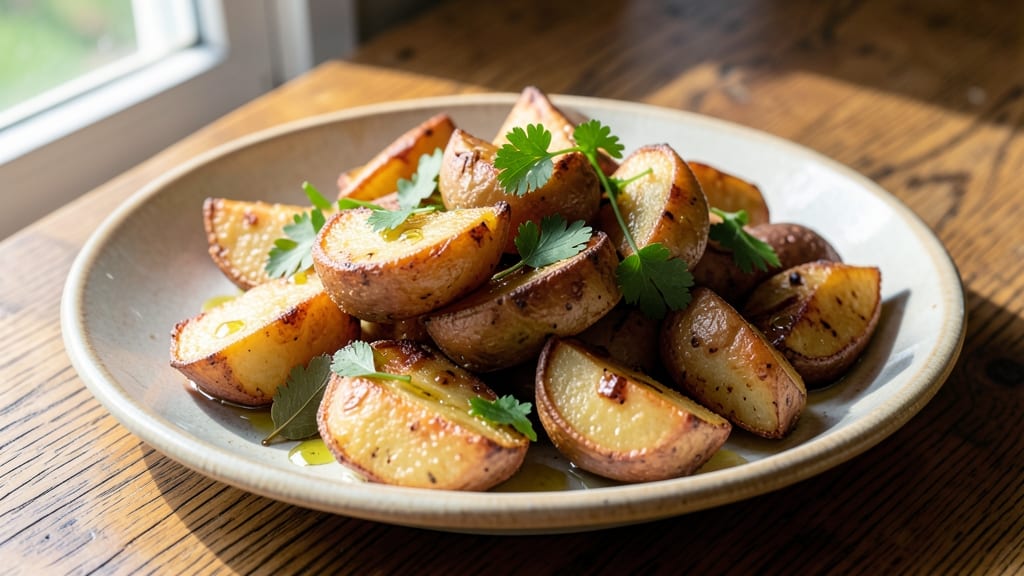
This Portuguese boiled potatoes recipe delivers the perfect balance of silky texture and bright, tangy flavor that makes them a staple at Portuguese tables.
The secret lies in boiling the potatoes just until tender, then finishing them in a vinegar bath that keeps them silky while adding just the right acidity.
I first discovered this technique while visiting a family in the Algarve, where they served these potatoes alongside grilled fish—a simple dish that became my favorite side.
The traditional method calls for thick-cut wedges that hold their shape beautifully, boiled in well-salted water with a bay leaf for subtle aroma. After draining, the potatoes are finished in a mixture of vinegar and water, then dressed with a drizzle of herb-infused olive oil.
This technique ensures they stay tender yet firm, with a delicate tang that brightens any meal. The process takes about 25 minutes total, making it perfect for busy weeknights or holiday gatherings.
What makes these potatoes truly special is their versatility—they work as a simple side dish, a base for soups like caldo verde, or even as a light main course when paired with grilled meats or seafood.
The vinegar bath prevents them from turning mushy, while the herb oil adds layers of aromatic depth. Once you try this method, you'll never settle for plain boiled potatoes again—they become a flavorful, restaurant-quality side dish.
For an extra touch of authenticity, garnish with fresh parsley and serve warm alongside grilled fish, roasted meats, or even as part of a traditional Portuguese spread.
The combination of textures and flavors makes this a dish that feels both comforting and refined, proving that simple ingredients can create something truly memorable. Let's get started on this classic recipe!
Ingredients for portuguese boiled potatoes
Simple, rustic ingredients transform into silky Portuguese-style potatoes with vibrant tang and aromatic depth.
| Ingredient | Amount | Notes |
|---|---|---|
| Russet Potatoes 🥔 | 2 lb | Thick-cut wedges, peeled |
| White Vinegar 🍶 | ½ cup | Distilled or apple cider |
| Water 💧 | 4 cups | For vinegar bath |
| Extra-Virgin Olive Oil 🫒 | ¼ cup | High-quality, fruity |
| Fresh Parsley 🌿 | ¼ cup | Chopped, for garnish |
| Bay Leaves 🍃 | 1 whole | Fresh or dried |
| Kosher Salt 🧂 | 1 tbsp | Plus extra for boiling |
| Garlic Cloves 🧄 | 2 cloves | Minced, for oil infusion |
| Lemon Zest 🍋 | 1 tsp | Optional, for brightness |
| Black Pepper 🌶️ | ¼ tsp | Freshly ground |
| Fresh Thyme 🌿 | 2 sprigs | For oil infusion |
The potatoes are the foundation—Russet potatoes work best for their waxy texture and even cooking. Look for firm, unblemished potatoes with thick skins at your local market or grocery store's produce section. Whole Foods or Trader Joe's often carry pre-cut wedges if you're short on time, but cutting them yourself ensures consistent size. The key is to cut them into thick wedges (about 1-inch thick), leaving the skin on for texture. If you can't find Russets, Yukon Golds are a close second—they hold up well and add a touch of creaminess. Store potatoes in a cool, dark place until ready to use, but avoid refrigerating them until after cooking.
No white vinegar? Apple cider vinegar or lemon juice works in a pinch, though the flavor will differ slightly. The vinegar bath is non-negotiable—it's what keeps the potatoes silky and prevents them from turning mushy. For the herb oil, fresh parsley and thyme are traditional, but don't hesitate to swap in cilantro or rosemary if that's what you have. The garlic and lemon zest add brightness, but if you're skipping the zest, add an extra 1/2 tsp of lemon juice to the vinegar bath. For the bay leaf, dried works fine, but fresh adds a more complex aroma. If you're making this ahead, prepare the vinegar bath and herb oil separately—they keep well for up to 1 week in the fridge.
Potatoes can be prepped ahead and stored in the fridge for up to 2 days before boiling, but boil them fresh for the best texture. The vinegar bath and herb oil can be made 1 day ahead—just reheat the oil gently before drizzling. These potatoes reheat beautifully; cover with foil and warm in the oven at 350°F for 10-15 minutes. For a restaurant-quality touch, serve immediately with the herb oil drizzled generously over the top. The leftovers keep for 3-4 days in the fridge, though they're best enjoyed fresh. Portion into containers for easy meal prep—pair them with grilled fish or roasted meats for a complete Portuguese-style spread.
Why You'll Love This Recipe
- No-Peel Hassle: I swear by this trick—just scrub the Russets, no chopping, no peeling. The vinegar keeps them tender outside, fluffy inside, and honestly? That’s 10 minutes I’d rather spend drinking coffee.
- Tangy Crisp Magic: That splash of vinegar in the water isn’t just for flavor—it creates this perfect bite, like a lighter, herby version of fries. Drizzle with olive oil and parsley, and you’ve got restaurant-level crispiness without the fuss.
- Picnic to Potluck: Cold or warm, these potatoes are my go-to for lunchboxes, tailgates, or bringing to a friend’s dinner. (Between us, they disappear faster than the good wine at parties.)
- Pantry Goldmine: Russets are cheap, vinegar’s a staple, and you’re left with a side that costs pennies per serving. Make a big batch—reheat in the oven, toss in salads, or munch straight from the fridge. Zero waste, all win.
Step-by-step instructions for Portuguese boiled potatoes
Master this traditional technique for tender, vinegar-infused potatoes with fragrant herb oil.
Prepare the Potatoes for Cooking
Cut the 2 lb russet potatoes into thick wedges, about 1½ inches wide, ensuring each piece has one flat side that will rest against the pot bottom. Peel the potatoes if desired, though leaving the skin adds texture. Arrange the wedges in a single layer on a baking sheet and toss them with the 1 tbsp kosher salt, coating evenly on all sides. This pre-salting enhances flavor and helps maintain the potatoes' structure during cooking.
Place the baking sheet in a cold oven and turn the heat to 400°F. Roast for 15 minutes to begin drying the surface. This step is crucial—it prevents the potatoes from absorbing too much water during boiling, resulting in a mealy texture. You'll know they're ready when the edges look slightly dehydrated and the wedges feel dry to the touch.
Create the Vinegar Bath
While the potatoes roast, combine the 4 cups water and 0.5 cup white vinegar in a large pot. Bring to a boil over high heat, then reduce to a gentle simmer. Add the 1 whole bay leaves and 2 sprigs fresh thyme to infuse the water with aromatic flavors. The vinegar bath serves two purposes: it tenderizes the potatoes quickly and prevents them from turning gray during cooking.
Once the water reaches a steady simmer, carefully add the roasted potatoes, arranging them in a single layer. They should float just below the surface—if they're crowded, cook in batches. The potatoes are done when a knife slides in easily with minimal resistance, typically after 12-15 minutes. Avoid overcrowding the pot, as this can lead to uneven cooking and a gummy texture.
Infuse the Herb Oil
While the potatoes cook, prepare the herb-infused oil by combining the 0.25 cup extra-virgin olive oil, 2 minced garlic cloves, 1 tsp lemon zest, and 0.25 tsp black pepper in a small saucepan. Heat over low heat for 3-4 minutes, just until the garlic softens and releases its aroma. Remove from heat and let steep for 5 minutes to allow the flavors to meld. Strain through a fine-mesh sieve to remove any solids, reserving the infused oil.
This infusion transforms ordinary olive oil into a fragrant, flavorful dressing that elevates the potatoes. The garlic and lemon zest add brightness, while the pepper provides a subtle kick. If you prefer a stronger garlic flavor, you can lightly toast the minced cloves in the oil for 1 minute before straining, but be careful not to burn them.
Drain and Serve
Using a slotted spoon, carefully transfer the cooked potatoes to a colander to drain. Shake gently to remove excess water, but don't press them or they'll turn mushy. Return the potatoes to the pot and immediately drizzle with the reserved herb-infused oil, tossing gently to coat. Sprinkle with the 0.25 cup chopped fresh parsley for a pop of color and freshness.
Serve the potatoes immediately while still warm, as they continue to absorb the oil's flavors. For an authentic Portuguese touch, pair with grilled meats, fried eggs, or a simple green salad. The vinegar bath ensures they stay tender, while the herb oil adds depth and complexity to each bite. The result is a dish that's both rustic and refined, perfect for any meal.
Pro Tips For Making Portuguese Boiled Potatoes
- USE A LARGE POT: The vinegar makes these potatoes tender fast, but a cramped pot turns them mushy. Fill it only halfway with cold water—you’ll add potatoes later—and give them room to float without crowding. I learned this the hard way when my first batch turned into a gluey mess.
- PEEL POTATOES JUST BEFORE BOILING: Russets oxidize fast once cut, and pre-peeling them dulls the flavor. Instead, peel them right before dropping into the pot—keep them in cold water until then. The starch stays fresher, and the vinegar’s sharpness cuts through any residual bitterness.
- DON’T SKIP THE VINEGAR BATH: That splash of white vinegar isn’t just for flavor—it keeps the potatoes from turning gray and gummy. Add it to the boiling water after the potatoes go in, and let them simmer uncovered for the last 2 minutes. Skimp here, and you’ll end up with sad, waterlogged spuds.
- FINISH WITH OLIVE OIL HEAT: Drain the potatoes, then toss them in a hot pan with a drizzle of extra-virgin olive oil for 30 seconds—just until the oil shimmers. The heat wakes up the parsley’s aroma and gives the dish a silky finish. Sounds weird, but it works: the potatoes taste brighter and more cohesive.
Best sauces and condiments for these flavors
Herb-Infused Oil
The star of this dish is the fragrant herb-infused olive oil—a simple yet transformative topping that elevates these potatoes from ordinary to extraordinary.
I infuse extra-virgin olive oil with 2 minced garlic cloves, 2 sprigs fresh thyme, 1 tsp lemon zest, and a pinch of black pepper over low heat for 3-4 minutes.
This gentle heating awakens the garlic’s aroma without burning it, while the thyme and lemon zest add layers of brightness. 🌿
For an extra touch, strain the oil through a fine-mesh sieve to remove any solids, then drizzle it generously over the warm potatoes. The oil should coat each wedge evenly, so don’t be shy—about 2-3 tablespoons per serving ensures that every bite is infused with flavor.
If you love garlic, you can even lightly toast the cloves in the oil for 1 minute before straining, but watch closely to avoid burning. The result? A silky, aromatic finish that ties the dish together.
Vinegar Bath
The vinegar bath is the secret weapon that keeps these potatoes silky and prevents them from turning mushy. After boiling, I drain the potatoes and immediately submerge them in a mixture of 4 cups water and ½ cup white vinegar for 2-3 minutes.
This acid bath firms up the texture while adding a subtle tang that brightens the dish. 🍶
For an extra depth of flavor, I add 1 bay leaf and 2 sprigs fresh thyme to the boiling water. The bay leaf imparts a subtle earthiness, while the thyme complements the herb oil.
If you don’t have fresh thyme, dried works in a pinch—just use ½ teaspoon instead. The vinegar bath can be prepped ahead and reheated gently before serving, making it a great make-ahead component.
Garlic Aioli
For a richer, creamier option, serve these potatoes with a garlic aioli that adds a luscious contrast to their silky texture. I blend ½ cup mayonnaise, 1 roasted garlic clove, 1 teaspoon lemon juice, and ½ teaspoon smoked paprika until smooth.
The roasted garlic adds a mellow, caramelized depth, while the paprika gives it a hint of smokiness. 🧄
To roast the garlic, wrap a whole head in foil and bake at 400°F for 30 minutes until soft. Squeeze out the cloves and blend them into the aioli for an ultra-flavorful result.
Serve the aioli on the side for dipping or drizzle it lightly over the potatoes for a decadent touch. This pairing is especially delicious with grilled fish or seafood, adding a creamy counterpoint to the vinegar’s tang.
Spicy Olive Oil
If you love heat, a spicy olive oil takes these potatoes to the next level. I combine ¼ cup extra-virgin olive oil, 1 teaspoon red pepper flakes, 1 minced garlic clove, and ½ teaspoon lemon zest, then heat gently for 2 minutes to infuse the flavors.
The oil should be vibrant red and slightly oily to the touch—this ensures the heat is balanced and not overpowering. 🌶️
Drizzle this oil over the warm potatoes and sprinkle with chopped parsley for a pop of color. The heat cuts through the richness of the herb oil, creating a perfect balance.
For an extra kick, add a pinch of cayenne pepper or a few drops of hot sauce to the oil before serving. This variation is ideal for pairing with grilled meats or spicy seafood dishes, like shrimp or calamari.
Classic Portuguese Lemon Dressing
For a lighter, citrus-forward option, whip up a classic Portuguese lemon dressing by combining ¼ cup extra-virgin olive oil, 2 tablespoons fresh lemon juice, 1 teaspoon honey, ½ teaspoon salt, and 1 minced garlic clove.
Whisk everything together until emulsified and drizzle it over the warm potatoes. The honey balances the acidity of the lemon, while the garlic adds a savory depth. 🍋
This dressing is incredibly versatile—it works as a finishing touch for the potatoes or as a marinade for grilled meats. For extra brightness, add 1 tablespoon chopped fresh parsley or cilantro to the dressing.
It keeps well in the fridge for up to 3 days, making it a great make-ahead option for meal prep. The dressing’s lightness makes it perfect for pairing with delicate seafood or fresh salads.
Nutrition facts
Frequently asked questions
Why does the recipe call for a vinegar bath instead of just boiling the potatoes?
The vinegar bath serves two key purposes: it keeps the potatoes silky and prevents them from turning mushy after boiling. The acidity of the vinegar firms up the texture while adding a subtle tang that brightens the dish. This traditional Portuguese technique ensures your potatoes stay tender yet firm, unlike regular boiled potatoes that can become gummy.
Can I use Yukon Gold potatoes instead of Russets?
While Russets are traditional, Yukon Golds work beautifully—they hold their shape well and add a slightly creamier texture. For best results, cut them into 1-inch thick wedges and follow the same roasting step to prevent excess moisture absorption during boiling.
How do I make this recipe ahead of time?
Prep the vinegar bath and herb oil 1 day ahead—they keep well in the fridge. The potatoes can be boiled and stored in the fridge for 2 days, then reheated with a quick dip in warm vinegar bath and a drizzle of reheated herb oil. For meal prep, portion into containers and store separately to maintain texture.
What's the best way to serve these potatoes?
These potatoes shine as a side for grilled fish, roasted meats, or fried eggs. For a complete Portuguese meal, pair with bacalhau (salted cod) or frango piri-piri. They also work beautifully in soups like caldo verde or as a base for a hearty salad.
Can I skip the herb oil and just use regular olive oil?
While you can use regular olive oil, the herb infusion adds essential aromatic depth. If short on time, infuse the oil with just garlic and lemon zest for a quick flavor boost. The vinegar bath's tang will still balance the dish, but the herb oil truly elevates it to restaurant-quality.