
Side Dishes
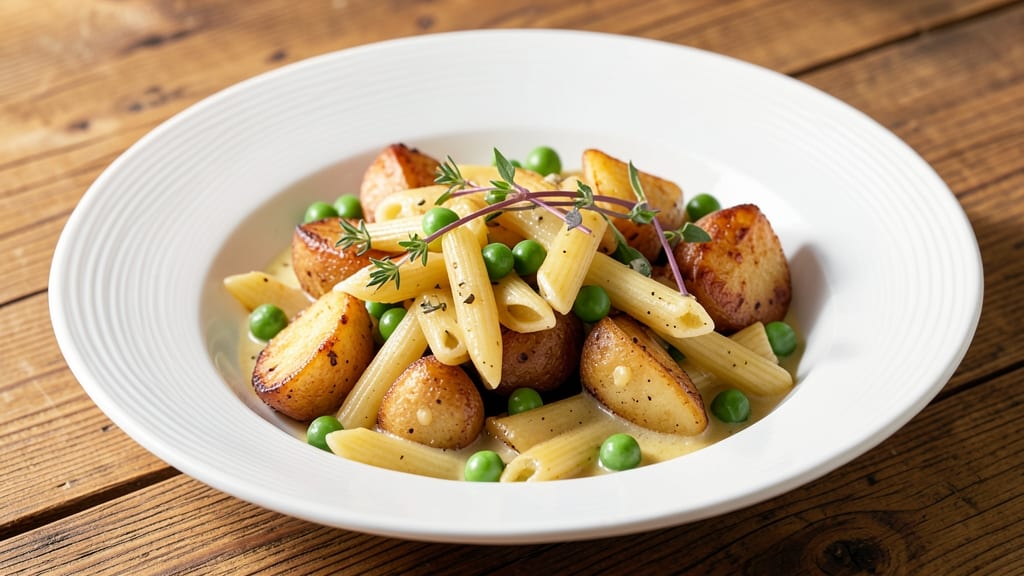
This one-pot pasta with peas and potatoes transforms humble ingredients into a hearty, spring-inspired meal that requires just 30 minutes of active time and one pot to clean. The secret lies in cooking everything together—pasta, potatoes, and peas—until they develop a rich, savory broth that clings to every strand.
I created this recipe during a particularly busy week when I needed a satisfying vegetarian dish that didn’t require multiple pans or complicated techniques.
The beauty of this one-pot wonder is its versatility—it works as a standalone meal or pairs perfectly with grilled fish, roasted chicken, or a simple green salad.
The potatoes break down into tender, creamy bites while the peas retain their bright, sweet flavor, and the pasta absorbs the natural starches from the vegetables, creating a foolproof sauce. No heavy cream or elaborate seasoning blends are needed; just a few simple ingredients and a little patience.
What you’ll end up with is a golden, aromatic dish that smells like a spring garden—earthy potatoes, sweet peas, and al dente pasta all bathed in a lightly seasoned broth. The texture is satisfying: tender potatoes, firm yet tender pasta, and peas that pop with every bite.
This recipe is the kind of restaurant-quality simplicity that makes weeknight dinners feel special without the fuss.
Serve it straight from the pot for a rustic touch, or plate it with fresh herbs and a sprinkle of parmesan for an elegant finish. Whether you're feeding a family or meal prepping for the week, this dish delivers flavor, convenience, and spring harvest goodness in every bite.
Let’s get cooking!
Ingredients for pasta with peas and potatoes
Spring harvest ingredients meet one-pot simplicity for a vegetarian dish that’s effortless yet elegant.
| Ingredient | Amount | Notes |
|---|---|---|
| Medium Russet Potatoes 🥔 | 1 ½ lb | Cubed into 1-inch pieces |
| Fresh Peas 🌱 | 1 cup | Frozen works in a pinch |
| Penne Pasta 🍝 | 12 oz | Uncooked, medium or large |
| Extra-Virgin Olive Oil 🫒 | ¼ cup | High-quality, fruity variety |
| Vegetable Broth 💧 | 2 cups | Low-sodium preferred |
| Garlic Cloves 🧄 | 4 cloves | Minced finely |
| Fresh Thyme Leaves 🌿 | 1 tbsp | Or 1 tsp dried thyme |
| Diamond Crystal Kosher Salt 🧂 | 1 ½ tsp | Adjust to taste |
| Freshly Ground Black Pepper 🌶️ | ½ tsp | Cracked peppercorns preferred |
| Fresh Lemon Juice 🍋 | 1 tbsp | Brightens the dish |
| Parmesan Cheese 🧀 | ¼ cup | Freshly grated from block |
| Fresh Basil Leaves 🌿 | ¼ cup | Chopped for garnish |
| Unsalted Butter 🧈 | 2 tbsp | Full-fat for richness |
The potatoes are the foundation—Russets break down beautifully while retaining texture. Buy them fresh from a local market if possible; their starch content is higher and more flavorful. Costco or Trader Joe's carry pre-washed frozen peas, which are a convenient substitute when fresh peas aren't available. For the pasta, penne's ridges trap the peas and potatoes perfectly, but any medium or large shape works. The extra-virgin olive oil should have a peppery finish—California or Italian varieties excel here. Fresh thyme adds an earthy depth that dried can't replicate, but if you're using dried, measure it at one-third the amount of fresh.
No fresh peas? Frozen peas are a perfect stand-in—they’re often sweeter and more vibrant than their fresh counterparts. Substituting pasta? Fusilli or farfalle add visual appeal while maintaining functionality. For the broth, low-sodium vegetable broth is key—it lets the natural flavors of the vegetables shine without overpowering them. If you can't find Diamond Crystal kosher salt, Morton or Redmond are reliable alternatives. The lemon juice cuts through the richness of the butter and potatoes, so don’t skip it—freshly squeezed is best, but bottled works in a pinch. For the Parmesan, grate it yourself—pre-grated cheese contains anti-caking agents that make it clump and lose flavor.
This dish reheats beautifully—simply add a splash of water or broth and warm through on the stove. It keeps for 4-5 days in the fridge, though the peas will soften slightly. For meal prep, portion into glass containers to maintain freshness. The flavors actually improve overnight as the pasta absorbs more of the savory broth. To serve, garnish with fresh basil and extra Parmesan for a restaurant-quality finish. If you have leftovers, freeze them for up to 3 months—just thaw and reheat gently to preserve texture.
Why You'll Love This Recipe
- One-Pot Magic: I swear by this recipe when I’m too tired to wash a million dishes—just toss everything in one pot, and the potatoes and peas soften right in the simmering broth. No extra pans, no stress.
- Earthy & Bright: The Russets add that buttery, fluffy texture while the fresh peas bring a bright, sweet pop—like spring in a bowl. (Honestly, frozen peas work too, but fresh? Whole other level.)
- Lunchbox Hero: Between us, this is my go-to for meal prep: cool it down, pack it up, and it’s a solid lunch for days. Kids love the peas, and the pasta holds up like a champ—no soggy messes here.
- Budget Win: Potatoes, peas, and pasta? Check. Broth and olive oil? Check. This feeds four for under $8 and still tastes like you slaved over it. (My wallet thanks me every time.)
Step-by-step instructions for one-pot spring harvest pasta
This method delivers perfectly cooked pasta, tender potatoes, and vibrant peas in a single pot.
Sauté the Aromatics and Potatoes
Heat the 0.25 cup extra-virgin olive oil in a large, deep pot over medium-high heat. Add the 4 cloves minced garlic and 1 tbsp fresh thyme leaves, cooking for 1-2 minutes until the garlic becomes fragrant but doesn't brown. This prevents bitterness and builds the flavor foundation.
Add the 1.5 lb medium russet potatoes, cut into 1-inch cubes, to the pot. Stir to coat evenly in the oil, then season immediately with 1 tsp diamond crystal kosher salt and 0.25 tsp freshly ground black pepper. Cook for 5-6 minutes, stirring occasionally, until the potatoes begin to soften slightly at the edges. This initial sear enhances their texture without pre-cooking them completely.
Build the One-Pot Base
Pour in the 2 cups vegetable broth and bring the mixture to a gentle simmer. Reduce heat to medium-low and cover the pot with a tight-fitting lid. Let it cook for 10 minutes, stirring once halfway through, until the potatoes are tender when pierced with a fork but still hold their shape. This ensures they don't disintegrate during the final cooking process.
While the potatoes cook, prepare the 12 oz penne pasta by rinsing it under cold water to remove excess starch. This prevents the pasta from sticking together prematurely in the pot. Keep it nearby so you can add it at the right moment—5 minutes before the dish is finished.
Incorporate Peas and Pasta
Add the 1 cup fresh peas (or frozen peas, thawed) to the pot along with the 12 oz penne pasta. Stir gently to distribute the peas evenly. Increase heat to medium-high and bring the mixture to a rolling boil. Once boiling, reduce heat to medium and cook uncovered for 12-15 minutes, stirring occasionally, until the pasta is al dente and the peas are tender.
You'll know the pasta is ready when it floats to the surface and a taste test confirms it's firm to the bite. The peas should be bright green and just tender—not mushy. If the liquid reduces too quickly, add ½ cup hot water to maintain the proper consistency. This step is where the one-pot magic happens, with everything cooking together in perfect harmony.
Finish with Butter, Lemon, and Cheese
Remove the pot from heat and stir in the 2 tbsp unsalted butter, 1 tbsp fresh lemon juice, and the remaining 0.5 tsp diamond crystal kosher salt. The butter adds richness while the lemon brightens the dish, cutting through the earthiness of the potatoes. Let the mixture sit for 2 minutes to allow the flavors to meld.
Finally, fold in the 0.25 cup freshly grated parmesan cheese and 0.25 cup chopped fresh basil leaves. Taste and adjust seasoning if needed—this is your chance to balance the flavors. The basil adds a fresh, aromatic finish that elevates the entire dish. Serve immediately while hot, garnished with additional basil if desired.
Pro Tips For Making Pasta With Peas And Potatoes
- PARBOIL POTATOES FIRST: Russet potatoes take forever to soften in broth—cut them into ½-inch cubes and boil for 5 minutes in salted water before adding to the pot. This shaves 15 minutes off cooking time and keeps them from turning to mush later.
- USE FROZEN PEAS (BUT DO THIS): Fresh peas lose their bright color and sweetness when overcooked. Toss in frozen peas straight from the freezer—they’ll thaw and soften just enough without turning to mush. Add them with the pasta in the last 2 minutes.
- DON’T BOIL THE PASTA DRY: Penne pasta finishes cooking in the sauce, but if it’s bone-dry when you toss it in, it’ll steal all the liquid and leave you with a gummy mess. Cook it al dente (1 minute less than package instructions) and finish in the pot with the peas and potatoes.
- SALT THE BROTH LIKE THE SEA: Vegetable broth needs serious salt—at least 1½ teaspoons per cup—to balance the mild flavors of potatoes and peas. Taste it before adding the pasta; if it’s bland now, the final dish will be underseasoned. (Yes, even if you’re using low-sodium broth.)
Essential equipment for perfect results
One-Pot Essentials
You only need one large, deep pot with a 3-4 quart capacity—I recommend a stainless steel or enameled cast iron pot like the All-Clad D5 or Le Creuset round pot.
These materials distribute heat evenly and prevent sticking. Avoid non-stick pots for this recipe because the potatoes and pasta release starches that require proper browning for flavor development. 🥘
Pasta Prep Tools
Prevent clumping by rinsing your penne pasta under cold water before adding it to the pot. Use a fine-mesh strainer (like the OXO Good Grips) to drain excess starch. For cutting potatoes, a sharp chef’s knife and cutting board are essential—German-made Wüsthof knives excel for precision.
I also keep a mandoline handy for uniform potato cubes if I’m prepping ahead. 🔪
Vegetable Prep Must-Haves
Fresh peas require no prep, but frozen peas should be thawed in a colander under warm water for 2-3 minutes before adding. For garlic, a garlic press (like the OXO Good Grips) saves time over mincing by hand.
A microplane comes in handy for zesting lemon or grating Parmesan if you prefer texture over chunks. 🧅
Seasoning Precision
Invest in a small measuring spoon set (I love the Weston Products stainless steel set) for accurate measurements of kosher salt and black pepper. Fresh thyme leaves should be stripped from stems using a pair of kitchen shears—this preserves their delicate flavor.
For lemon juice, a handheld citrus reamer ensures you get 1 tablespoon without seeds or pulp. 🌿
Finishing Touches
The final steps require two tablespoons unsalted butter—I prefer Plugrá European-style butter for its rich flavor. Use a small offset spatula to fold in the butter smoothly. For garnishing, a pair of sharp scissors makes quick work of chopping fresh basil leaves.
A fine grater (like the Microplane) ensures your Parmesan is perfectly shredded for maximum surface area. ✨
Optional Upgrades
For extra flavor depth, add 1 teaspoon of Dijon mustard or 1 tablespoon of white wine when sautéing the garlic. A small whisk helps incorporate these liquids smoothly.
If you love texture, toast ½ cup of breadcrumbs in a small skillet with 1 tablespoon olive oil until golden, then sprinkle on top before serving. 💡
Nutrition facts
Frequently asked questions
Can I use frozen peas instead of fresh?
Frozen peas work perfectly—they're often sweeter and more vibrant than fresh. Just thaw them in a colander under warm water for 2-3 minutes before adding to the pot. They'll blend right in without losing texture or flavor.
Why does my potato pasta dish turn out mushy?
Mushy potatoes usually happen when they overcook. Start with slightly undercooked potatoes (fork-tender but still firm) before adding pasta. Also, reduce heat to medium once boiling to prevent rapid cooking. Stirring occasionally helps distribute heat evenly.
How can I make this dish more flavorful?
Boost flavor with a splash of white wine when sautéing garlic or add 1 tsp Dijon mustard for depth. For extra richness, stir in 1 tbsp cream at the end. Fresh herbs like parsley or chives also add brightness.
Can I make this ahead of time?
Yes! This dish reheats beautifully. Store in an airtight container for 4-5 days in the fridge. Reheat gently on the stove with a splash of water or broth. The flavors actually improve overnight as the pasta absorbs more broth.
What's the best pasta shape for this recipe?
Penne is ideal because its ridges trap peas and potatoes, but any medium or large shape works. Fusilli or farfalle add visual appeal while maintaining functionality. Avoid thin shapes like spaghetti—they can overcook in the one-pot method.