
Side Dishes
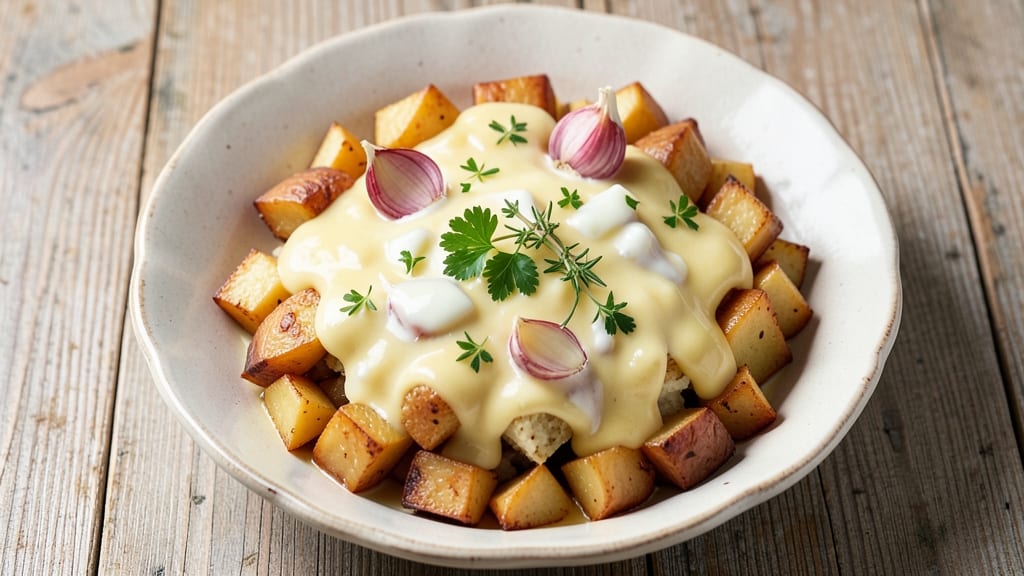
Creating Parmentier potatoes transforms simple mashed potatoes into a showstopping side dish with crispy, vinegar-kissed layers and rich herb butter. This French classic elevates humble potatoes into a restaurant-worthy centerpiece that pairs beautifully with steak or stands alone as a vegetarian main.
The secret lies in precise layering and baking techniques that deliver a golden crust while keeping the interior creamy.
What sets this recipe apart is the balance of textures—tender, fluffy mashed potatoes contrasted with a crispy top layer achieved through vinegar and careful baking. Traditional methods rely on butter, cream, and garlic for depth, while modern variations can easily accommodate vegan adaptations using plant-based butter and cream.
The process begins with boiling and mashing the potatoes just right, then building layers in a greased baking dish.
By the time it emerges from the oven, you'll have perfectly golden Parmentier potatoes with a crisp exterior and velvety interior, infused with aromatic herbs and buttery richness. The vinegar-kissed crust adds a subtle tang that cuts through the richness, creating a harmonious balance in every bite.
This dish is ideal for special occasions or when you want to impress guests with a side that feels gourmet without being overly complicated.
The versatility of Parmentier potatoes makes them perfect for pairing with steakhouse favorites, roasted meats, or even as a hearty vegetarian main when topped with melted cheese or fresh herbs.
With just a few key ingredients and precise technique, you'll achieve professional results that taste like they came straight from a Parisian bistro.
Ingredients for parmentier potatoes
Six key ingredients transform ordinary potatoes into a French bistro-worthy masterpiece.
| Ingredient | Amount | Notes |
|---|---|---|
| Russet Potatoes 🥔 | 3 lb | Medium size, peeled and cubed |
| Unsalted Butter 🧈 | ¾ cup | Cold, cut into small cubes |
| Heavy Cream 🥛 | ½ cup | Full-fat for best texture |
| Fresh Garlic 🧄 | 4 cloves | Minced for aromatic depth |
| Fresh Parsley 🌿 | ¼ cup | Chopped, stems removed |
| Fresh Thyme 🌿 | 1 tbsp | Leaves only, finely chopped |
| White Vinegar 💧 | 2 tbsp | For crispy crust |
| Salt 🧂 | 1 ½ tsp | Kosher or sea salt |
| Black Pepper 🌶️ | ½ tsp | Freshly ground |
| All-Purpose Flour 🌾 | 1 tbsp | For dusting layers |
| Extra-Virgin Olive Oil 🫒 | 1 tbsp | For greasing baking dish |
The potatoes are the foundation, so Russet potatoes are non-negotiable—their high starch content ensures that creamy texture. Most grocery stores carry them year-round, but if you're in a pinch, Yukon Golds work too. Look for firm, unblemished potatoes—avoid any with sprouts or soft spots. I prefer the medium size because they cook evenly without falling apart. For the butter, Plugrá or Land O'Lakes unsalted are reliable choices, but European-style cultured butter adds even more depth to the flavor. The heavy cream should be full-fat—nothing less than 36% fat—for that luxurious mouthfeel.
No fresh herbs? Dried parsley and thyme at half the amount will work, though the flavor won't be as bright. Substituting the vinegar? White wine or apple cider vinegar both work, but white vinegar gives the most authentic tang. For a vegan version, swap the butter and cream for vegan butter and coconut cream—just add an extra tablespoon of flour to thicken. The garlic is crucial—roasted garlic adds a mellow sweetness if you prefer less sharpness. If you're short on time, pre-minced garlic from a jar works, but fresh is always better. The flour is simply for dusting between layers—don't skip it, as it helps create that crispy crust.
This dish reheats beautifully—just cover with foil and warm in a 350°F oven for 10-15 minutes. Leftovers keep for 3-4 days in the fridge, though they're best enjoyed fresh. For make-ahead prep, assemble the dish up to a day in advance and refrigerate uncovered so the top can dry slightly—this enhances the crispiness when baked. If you're serving a crowd, double the recipe and use a 9x13-inch baking dish instead of the standard 8x8-inch. The crust will still turn golden and crispy, just scaled up.
Why You'll Love This Recipe
- One-Pot Magic: I swear by this recipe when I’m too tired to wash pots. Peel, boil, mash, mix—no extra bowls, no extra mess. Just Russets, butter, and cream swirled together until it’s velvety perfection.
- Garlic Butter Love: That moment when you fold in melted butter and minced garlic? Pure indulgence. The richness of the cream and the sharp bite of fresh parsley cut through the richness—like a hug for your taste buds.
- Weeknight to Dinner Party: Same dish, different vibes. Serve it rough with a fried egg for lazy Sundays or plate it neatly with seared steak for company. The heavy cream and parsley make it feel fancy without the fuss.
- Budget-Friendly Luxury: Russets are cheap, butter stretches far, and a single garlic bulb lasts ages. Here’s the real win: leftovers reheat like a dream—no dry, sad potatoes here. My wallet and my family thank me.
Step-by-step instructions for Parmentier potatoes
Here's how to create perfectly layered Parmentier potatoes with a crispy vinegar-kissed crust.
Prepare the Potatoes for Even Cooking
Begin by peeling the 3 lb russet potatoes and cutting them into even ½-inch cubes. I use a sharp chef's knife for this—consistent sizing ensures even cooking throughout the layers. Place the cubes in a large bowl of cold water to prevent browning while you prepare the seasoning mixture.
Drain the potatoes and transfer them to a clean kitchen towel. Gently press out all excess moisture—wet potatoes will create steam instead of crispy layers. This step is crucial for achieving that perfect texture we're after. While the potatoes dry, combine the 1.5 tsp salt, 0.5 tsp black pepper, 4 cloves minced fresh garlic, 1 tbsp finely chopped fresh thyme, and 0.25 cup chopped fresh parsley in a small bowl.
Create the Herb-Buttered Potato Layers
In a large mixing bowl, toss the dried potato cubes with the herb mixture until they're evenly coated. Then add the 0.75 cup cold unsalted butter cut into small cubes and the 1 tbsp all-purpose flour. Gently mix until the butter begins to melt slightly and the potatoes are well coated with the seasoned butter and flour.
This creates the perfect balance of flavor and texture—each layer will develop a crispy exterior while remaining tender inside. I like to work quickly here to prevent the butter from melting completely before we get to layering. If your kitchen is warm, you might want to chill the potatoes briefly while you prepare your baking dish.
Assemble and Bake the Potato Layers
Preheat your oven to 400°F. Lightly grease a 9x13-inch baking dish with the 1 tbsp extra-virgin olive oil. Begin layering the potatoes by spreading half of the potato mixture evenly in the dish, pressing down gently to create an even base. Drizzle half of the 0.5 cup heavy cream over the first layer.
Repeat with the remaining potatoes and cream, creating a second even layer. The key here is to keep the layers fairly thin—about 1-inch thick total—so the potatoes cook through without becoming gummy. Sprinkle the 2 tbsp white vinegar evenly over the top layer, which will help create that signature crispy crust.
Bake Until Golden and Crispy
Cover the baking dish tightly with aluminum foil and bake for 45 minutes. This initial covered baking allows the potatoes to cook through without browning. After 45 minutes, remove the foil and increase the oven temperature to 425°F. Return the potatoes to the oven, uncovered, for 15-20 minutes until the top is golden brown and crispy.
You'll know they're done when the top layer has developed a beautiful golden crust and the potatoes are tender when pierced with a fork. The vinegar helps create that crispy texture while adding a subtle tang that balances the richness of the butter and cream. Let the potatoes rest for 5 minutes before serving to allow the layers to set slightly.
Serve Warm with Extra Garnish
Before serving, sprinkle additional chopped fresh parsley and thyme over the top for a pop of color and freshness. The potatoes should be warm and crispy on top with tender layers underneath. I like to serve these with a side of roasted vegetables or a simple green salad to balance the richness.
This dish makes 6 servings, and the leftovers reheat beautifully in the oven at 350°F for 10-15 minutes, covered with foil. The key to success is in the layering and proper baking times—don't rush the process, and you'll achieve restaurant-quality Parmentier potatoes at home.
Pro Tips For Making Parmentier Potatoes
- PEEL THE POTATOES HALFWAY: Russets have thick skins that can turn rubbery when roasted—cut them in half lengthwise first, then peel just the flat sides. You’ll save time and keep the creamy texture intact. (Yes, the edges will still brown beautifully.)
- SALT THE POTATOES BEFORE ROASTING: Toss the peeled halves with salt before roasting—it seasons the flesh and helps draw out excess moisture. I used to skip this, and the finished dish always tasted flat. Do it, even if it feels early.
- DON’T OVERMIX THE CREAM SAUCE: Once you fold in the heavy cream, stir just until combined. Overworking it turns the sauce thin and watery. A few gentle swirls with a spatula keeps it luscious—like a cloud, not glue.
- GARLIC TOAST, DON’T MINCE: Smash a few cloves with the flat side of your knife instead of mincing—it releases more flavor without burning. Toss the raw, crushed garlic into the butter while it melts, then pull it out before it browns. (Burnt garlic ruins everything.)
Creative variations of this parmentier potatoes
Cheesy Parmentier
Add a 1-cup layer of shredded Gruyère or fontina cheese between the potato layers for a decadent twist. The cheese melts into a creamy, stretchy blanket that complements the crispy top.
I like to use pre-shredded cheese for convenience, but freshly grated melts more smoothly. For extra richness, sprinkle ½ cup grated Parmesan on top before the final bake. 🧀
Vegan Herb Butter
Replace butter and cream with ½ cup vegan butter and ½ cup coconut cream for a plant-based version. Boost the flour to 2 tbsp to help bind the layers. I recommend Miyoko's vegan butter for its rich, creamy texture.
Add 1 tsp nutritional yeast for a cheesy depth. The vinegar still creates crispiness, but the flavor profile becomes more earthy and herby.
Spicy Cajun Twist
Infuse the potatoes with 1 tbsp Cajun seasoning (like Tony Chachere's) mixed into the herb butter. Add ½ tsp smoked paprika and ¼ tsp cayenne pepper for heat. Top with 1 tbsp hot sauce before baking.
This version pairs perfectly with grilled shrimp or blackened chicken. The vinegar crust adds a tangy contrast to the spicy layers. 🌶️
Roasted Garlic Version
Swap fresh garlic for 4 cloves roasted garlic (about 2 tbsp roasted puree) mixed into the herb butter. Roast whole garlic cloves in 375°F oven for 30 minutes> until soft, then squeeze out the pulp.
This adds a sweet, mellow garlic flavor that enhances the richness. I also increase the thyme to 2 tbsp> to complement the roasted garlic's depth.
Truffle-Infused Luxe
Elevate your Parmentier with 1 tbsp truffle oil> mixed into the heavy cream before layering. Finish with 1 tsp truffle salt> sprinkled on top before baking. The earthy aroma of truffles pairs beautifully with the vinegar crust.
For an extra touch, garnish with microgreens or edible flowers> before serving. This version feels like a Parisian bistro special. 💫
Sweet Potato Adaptation
Substitute 3 lb sweet potatoes> for russets, peeling and cubing them ½-inch thick>. Use ½ cup maple syrup> instead of vinegar for a sweet-savory balance. Top with ½ cup pecans> and 1 tbsp cinnamon> before baking.
This autumnal version works as a dessert or side dish. The natural sweetness of sweet potatoes changes the flavor profile completely but keeps the crispy texture. 🍠
Nutrition facts
Frequently asked questions
Why does Parmentier potatoes need to be dried so thoroughly?
Excess moisture creates steam instead of crispy layers. Pressing the potatoes dry ensures each layer develops that signature golden crust while staying tender inside. Think of it like making perfect gratin—dry potatoes = crispy top, wet potatoes = soggy mess.
Can I make Parmentier potatoes ahead of time?
Assemble the dish up to 24 hours in advance and refrigerate uncovered. The exposed top will dry slightly, making it extra crispy when baked. Reheat covered at 350°F for 10-15 minutes—just add 5-10 minutes to the baking time to crisp the top again.
What's the secret to that perfect golden crust?
The vinegar is key! The 2 tbsp white vinegar sprinkled on top before the final bake creates a chemical reaction that caramelizes beautifully. Pair it with the high heat (425°F) for that signature crispy exterior. Don't skip the flour dusting between layers either—it adds structure for better browning.
Can I use Yukon Gold potatoes instead of russets?
Yukon Golds work but won't be as creamy. Their lower starch content means they'll hold their shape better but won't give that classic velvety texture. If using them, increase the butter to 1 cup and add 1 tbsp cornstarch to the potato mixture for better binding. The crust will still form, but the interior will be slightly denser.
How do I fix Parmentier potatoes that came out too dry?
Add moisture by drizzling 2 tbsp warm heavy cream or milk over the top and covering with foil. Reheat at 350°F for 10 minutes—this steams the potatoes gently without overcooking. For future attempts, reduce baking time slightly or cover longer during the initial 400°F phase.