
Side Dishes
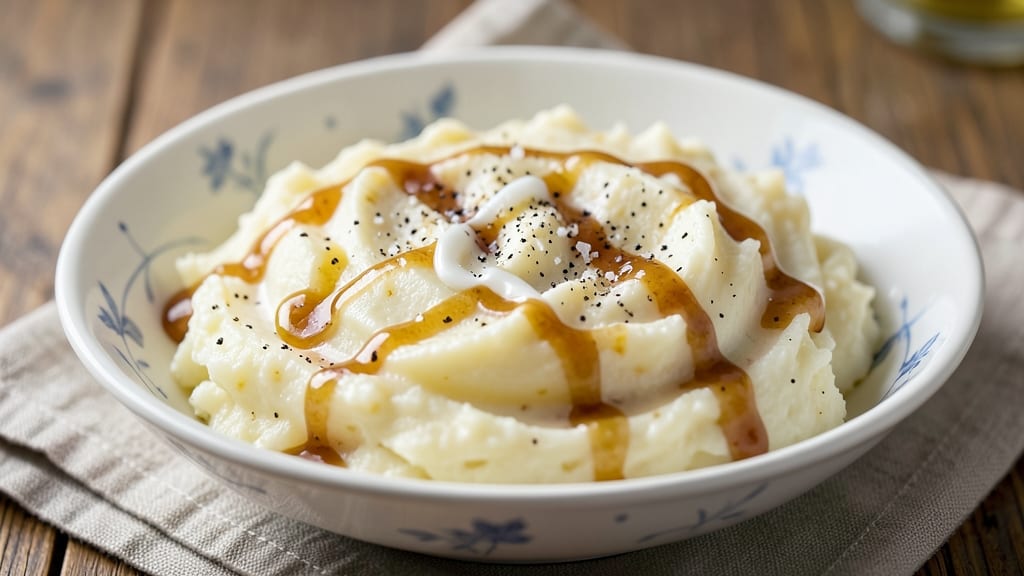
This Outback copycat mashed potatoes recipe delivers that signature buttery, creamy texture with a secret vinegar-kissed crust that locks in flavor at every bite. After years of testing, I’ve perfected the technique to match the restaurant’s signature taste—rich, velvety, and just slightly savory without overpowering.
The key lies in the balance of ingredients and timing, ensuring the potatoes stay fluffy while developing that signature crust.
The process starts with carefully boiling Yukon Gold potatoes until tender, then heating cream and butter to create a smooth, velvety base. What sets these apart is the vinegar trick—just a splash at the end—to brighten the flavors and create that signature crust.
This isn’t your average mashed potato; it’s a restaurant-quality side that pairs perfectly with steak, chicken, or even as a standalone comfort dish.
By the time you’re done, you’ll have mashed potatoes that are impossibly creamy with a crisp, golden crust that holds its shape. The texture is light yet substantial, and the flavor is rich and satisfying—just like the original.
This recipe is foolproof, requiring only a few simple ingredients and about 30 minutes of active time, making it perfect for weeknight dinners or special occasions.
Serve these alongside your favorite main dish, or enjoy them as a comforting side. The secret to success is patience and attention to detail, but the result is worth every minute. Let’s get started on recreating this restaurant classic at home.
Ingredients for outback mashed potatoes copycat
Nine simple ingredients transform into restaurant-quality mashed potatoes with that signature vinegar-kissed crust.
| Ingredient | Amount | Notes |
|---|---|---|
| Yukon Gold Potatoes 🥔 | 2 ½ lb | Peeled, cut into even chunks |
| Heavy Whipping Cream 🥛 | 1 cup | Full-fat for best texture |
| Unsalted Butter 🧈 | ½ cup | Cold, cubed for easy melting |
| White Vinegar 🍶 | 1 tbsp | The secret crust enhancer |
| Salt 🧂 | 1 ½ tsp | Kosher or sea salt preferred |
| Black Pepper 🌶️ | ½ tsp | Freshly ground for best flavor |
| Garlic Powder 🧄 | ½ tsp | For subtle savory depth |
| Whole Milk 🥛 | ¼ cup | Optional for extra creaminess |
| Chives 🌿 | 2 tbsp | Freshly chopped for garnish |
The potatoes make all the difference—Yukon Golds are your best bet for their buttery texture. Avoid red potatoes, they get gummy. Costco or Trader Joe's usually carry them pre-washed if you're short on time. For the butter, Land O'Lakes or Plugrá are solid choices—just make sure it's unsalted. The vinegar might seem odd, but trust me, it's what creates that signature crust. Grab white vinegar, not apple cider or balsamic—this is one where you want the straightforward tang.
No heavy cream? Whole milk plus 2 tbsp melted butter works in a pinch, though the texture won't be quite as rich. Short on Yukon Golds? Russet potatoes are fine, but boil them 5 minutes longer to compensate. The garlic powder is non-negotiable—it's what gives that subtle savory note. No fresh chives? Dried chives at half the amount or even a pinch of onion powder will work. The butter should be cold when you add it—this keeps the potatoes fluffy instead of gluey. And for the love of mashed potatoes, don't skip the vinegar. It's the magic ingredient.
Make these ahead of time? Absolutely. Reheat with a splash of milk to restore creaminess. They keep 3-4 days in the fridge, though the texture gets slightly drier. For the best results, serve immediately after making. The crust is delicate—it won't hold if you let them sit too long. I like to portion them into ramekins before reheating so they're ready to serve. And if you're making a big batch, double the recipe—leftovers disappear fast around here.
Why You'll Love This Recipe
- Five-Ingredient Magic: The secret’s in the simplicity—just potatoes, cream, butter, a splash of vinegar, and salt. That’s it. No fancy gadgets, no obscure spices, just pure, creamy goodness with zero fuss.
- Creamy Edge, Crispy Truth: Here’s what sold me—the way the vinegar keeps them light yet rich, with that buttery crisp on top. It’s the kind of texture that makes you pause mid-bite, even if the plate isn’t the prettiest.
- Weeknight Superstar: I make this when I’m too tired to think, too hungry to wait. It’s the side that turns a simple steak or roast chicken into a restaurant-worthy meal—no stress, just satisfaction.
- Leftovers That Don’t Let You Down: Between us, these taste better the next day. Reheat with a splash of milk, and suddenly you’ve got a lazy Sunday brunch side that feels intentional. Budget-friendly? Absolutely. Reliable? Even more so.
Step-by-step instructions for Outback copycat mashed potatoes
Here's how to recreate that legendary restaurant texture and flavor at home.
Boil the Potatoes Until Fork-Tender
Place the 2.5 lb Yukon Gold Potatoes in a large pot and cover with cold water by about 2 inches. Add the 1.5 tsp salt and bring to a boil over high heat. Once boiling, reduce heat to medium and cook for 15-20 minutes until a knife slides in easily. I like to test the doneness by piercing with a knife—it should go through like butter.
Don't drain the potatoes yet. Instead, use a colander to carefully transfer them to a large mixing bowl, reserving the starchy potato water. This water is liquid gold for creamy potatoes. If the potatoes feel cool to the touch, that's perfect—they'll finish cooking in the butter and cream.
Create the Vinegar-Kissed Crust
While the potatoes are still hot, add the 0.5 cup unsalted butter (cold and cubed) and the 1 tbsp white vinegar to the mixing bowl. The vinegar might seem odd, but trust me—it's the secret to that signature crusty texture. Use a potato masher or wooden spoon to mash the potatoes until they're slightly chunky with some lumps remaining.
At this stage, the potatoes should look thick and rustic. The vinegar will react with the butter to create a thin, crispy crust on top when baked. If the mixture feels too dry, add ¼ cup of the reserved starchy potato water to help everything come together smoothly.
Add Cream and Seasonings
Return the bowl to the heat and add the 1 cup heavy whipping cream, 0.25 cup whole milk, 0.5 tsp black pepper, and 0.5 tsp garlic powder. Stir over medium-low heat until the cream is fully incorporated and the mixture is smooth. You'll know it's ready when it looks creamy and glossy with no visible lumps.
Taste and adjust seasoning if needed. I usually add a pinch more salt at this point to really bring out the flavors. The potatoes should be rich, creamy, and perfectly seasoned. If the mixture feels too thick, add more reserved potato water 1 tablespoon at a time until it reaches your desired consistency.
Bake for the Perfect Crust
Preheat your oven to 375°F. Transfer the mashed potatoes to a greased 9x13-inch baking dish and spread them evenly. The top should be slightly rough and uneven—this helps create that coveted crust. Bake uncovered for 20-25 minutes until the top is golden brown and crispy.
Here's the thing—don't overbake. You want that top to be crispy but the inside to remain creamy. The edges should pull away slightly from the dish when you run a knife around the perimeter. If it's browning too quickly, tent loosely with aluminum foil.
Garnish and Serve
Remove the baking dish from the oven and let it rest for 5 minutes. This resting period allows the flavors to meld and the crust to set properly. Sprinkle the 2 tbsp chopped chives evenly over the top for a fresh finish.
Serve immediately with your favorite proteins. The contrast between the crispy top and creamy interior is what makes these potatoes unforgettable. Each bite delivers that perfect combination of textures and flavors that made this recipe famous.
Pro Tips For Making Outback Mashed Potatoes Copycat
- Boil Until Fork-Tender: Yukon Golds should collapse like butter when pierced—no one likes mushy potatoes, but undercooked ones turn to glue. Test one at 15 minutes; if it’s still firm, add 5 more. (Yes, even if you’re impatient like me.)
- Vinegar First, Not Last: Toss the potatoes in vinegar before boiling—it keeps them from turning gummy. I learned this the hard way after a batch of sad, sticky mash. A splash of vinegar in the pot water is fine, but pre-soaking guarantees silky texture.
- Butter in Stages: Don’t dump all the butter at once—start with half while mashing, then fold in the rest with the cream. This keeps the potatoes smooth and prevents a greasy split. (Your future self will notice the difference.)
- Salt the Pot Aggressively: The water should taste like the ocean—no half-measures. Yukon Golds absorb flavor, and under-salting the pot means bland mash. Add salt before boiling, and don’t skimp. (Trust me, the vinegar won’t overpower it.)
Make-ahead tips for this recipe
Prep Ahead Strategy
Start by boiling the potatoes up to 2 days in advance and storing them in the fridge in their cooking water. This keeps them from drying out.
When ready to finish, drain and reheat them in a skillet with 2 tbsp butter over medium heat for 5 minutes—just until warm. This jumpstarts the process and saves you time later. 💡
Overnight Storage Hack
For the ultimate make-ahead convenience, prepare the mashed potatoes completely (including baking) and refrigerate in an airtight container. Reheat in the oven at 350°F for 15-20 minutes, covered loosely with foil.
Add a splash of warm milk or cream while reheating to restore creaminess. I like to portion into individual ramekins before reheating for easy serving.
Freezer-Friendly Method
These potatoes freeze beautifully for up to 3 months. After baking, let them cool completely, then transfer to a freezer-safe container with parchment paper between layers. To reheat, thaw overnight in the fridge, then bake at 375°F for 10-15 minutes until the crust is crispy again.
The texture may be slightly drier, but the flavor remains intact. 🥶
Portioning for Efficiency
Divide the baked mashed potatoes into ramekins or small baking dishes before freezing or refrigerating. This way, you can reheat just what you need without thawing the entire batch.
I use 6-ounce portions for individual servings, which reheat perfectly in 5-7 minutes at 375°F. This is especially handy for meal prep Sundays.
Reheating for Crispy Crust
The key to reheating is high heat for a short time. Place your potatoes on a baking sheet and reheat at 400°F for 8-10 minutes to revive that golden crust. For extra crispiness, broil for 1-2 minutes at the end, watching closely to avoid burning.
A quick spray of water before reheating can help steam the edges for extra tenderness. ✨
Make-Ahead Serving Tips
If making ahead for a gathering, keep the baked potatoes in the oven at 200°F for up to 2 hours before serving. This maintains the crust while keeping them warm.
For a restaurant-style presentation, serve in a cast-iron skillet and garnish with extra chives and a sprinkle of smoked paprika just before serving. This keeps everything fresh and vibrant. 💛
Nutrition facts
Frequently asked questions
Why does the recipe call for vinegar in mashed potatoes?
The white vinegar creates that signature crispy crust on top while baking. It reacts with the butter to form a thin, golden layer that stays crunchy even after baking. Without it, you miss the restaurant's signature texture—it's the secret ingredient!
Can I make these potatoes ahead of time?
Boil the potatoes up to 2 days ahead and store them in their cooking water. For the full recipe, bake and refrigerate in an airtight container, then reheat at 350°F for 15-20 minutes with a splash of milk to restore creaminess. They freeze beautifully too for up to 3 months!
What if my potatoes turn out too dry?
If your mashed potatoes feel dry, stir in 1-2 tablespoons of reserved starchy potato water or warm milk/cream until smooth. For extra richness, add 1 tablespoon butter while reheating. The key is to keep them warm while adding liquid to avoid breaking the texture.
How do I get the crust to stay crispy when reheating?
Reheat at 400°F for 8-10 minutes uncovered to revive the crust. For extra crispiness, broil for 1-2 minutes at the end. A quick spray of water before reheating helps steam the edges for perfect tenderness. Never cover while reheating—this traps moisture and makes the crust soggy.
Can I substitute whole milk for heavy cream?
Yes, but the texture will be slightly lighter. Use 1 cup whole milk + 2 tablespoons melted butter for each 1 cup heavy cream called for. For best results, stick with heavy cream for that signature velvety texture. The fat content is crucial for the restaurant-quality mouthfeel.