
Side Dishes
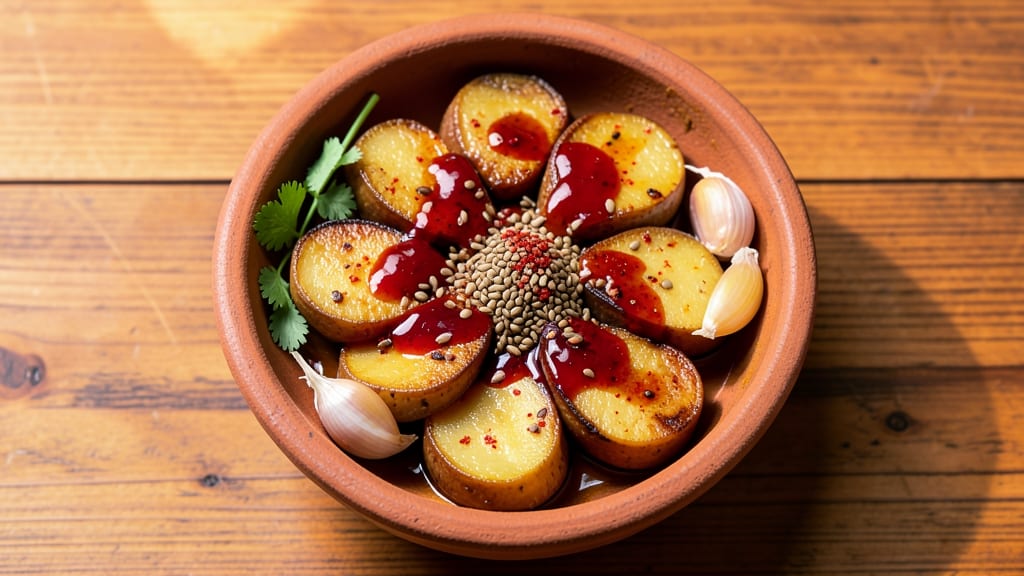
This Nepali potato pickle recipe transforms humble potatoes into a fiery, fermented treasure that steals every meal—especially when paired with steamed rice or dal bhat.
The process requires patience, but the result is a crunchy, tangy condiment packed with bold spices and mustard oil that elevates simple dishes into something extraordinary. I first made this during a Nepali New Year celebration, and it became an instant favorite at our table.
The key to authentic flavor lies in the fermentation, which develops depth over time. You'll need fresh potatoes, mustard oil, turmeric, garlic, and a blend of spices that create that signature Nepali heat.
The sterilization step is critical to ensure safety, and the fermentation process—typically 3 to 5 days—allows the flavors to meld into something complex and addictive. This isn't just a side dish; it's a flavor bomb that turns ordinary meals into a celebration.
By the time you're done, you'll have jars of vibrant orange pickle with a satisfying crunch and a kick that lingers. The mustard oil adds a rich, nutty depth, while the garlic and spices deliver layers of heat and aroma.
This recipe isn't just about taste—it's about tradition, preservation, and the joy of creating something that connects you to Nepali culture. The best part? It keeps well for months, so you'll have a taste of home whenever you need it.
Perfect for serving with roti, dal, or even as a snack on its own. The process might seem involved, but I promise the results are worth every step. Let's get started on this flavorful journey!
Ingredients for nepali potato pickle
Simple ingredients transform into a fiery, tangy treasure that steals every meal.
| Ingredient | Amount | Notes |
|---|---|---|
| Russet Potatoes 🥔 | 2 lb | Medium size, peeled and sliced |
| Mustard Oil 🫒 | 1 cup | Cold pressed, high quality |
| Turmeric Powder 🌿 | 1 tbsp | Freshly ground preferred |
| Red Chili Powder 🌶️ | 2 tbsp | Adjust for heat preference |
| Cumin Seeds 🌿 | 1 tbsp | Toasted for better flavor |
| Garlic Cloves 🧄 | 6 cloves | Peeled and minced |
| Asafoetida Powder 🌶️ | ½ tsp | Essential for authentic taste |
| Salt 🧂 | 1 tbsp | Kosher or sea salt |
| Fenugreek Seeds 🌿 | ½ tsp | Toasted lightly |
| Dried Ginger Powder 🌿 | ½ tsp | Or fresh ginger grated |
| White Vinegar 🍋 | ½ cup | For sterilization |
| Water 💧 | 2 cups | For sterilization |
The potatoes are the heart of this recipe—Russets work best for their starchy texture. Grab a couple pounds at Whole Foods or your local Indian grocery—they usually have the perfect ones. Look for firm, unblemished potatoes, and peel them right before slicing to prevent browning. The mustard oil is non-negotiable for authentic flavor. Trader Joe's carries a good brand, but if you can't find it, Indian specialty stores will have the real deal. Toast your cumin and fenugreek seeds in a dry pan for 30 seconds—they'll release their aroma and take your pickle to the next level.
No mustard oil? Sesame oil or vegetable oil works in a pinch, though it won't have that signature Nepali depth. Short on fenugreek? Skip it—it's not essential, but it adds that unmistakable tang. The turmeric should be vibrant yellow—if it's dull, toast it lightly to revive its flavor. For the vinegar sterilization step, white vinegar is best, but apple cider vinegar works too. The garlic can be roasted for a milder flavor if you prefer less heat. And trust me, don't skip the asafoetida—it's the secret behind the authentic taste.
This pickle tastes even better after 5-7 days of fermentation, but it keeps for up to 6 months in the fridge. Store it in a clean, airtight jar with the oil covering the potatoes completely. The longer it sits, the more complex the flavors become. I always make a big batch—it disappears fast with roti, dal, or even as a snack. If you're gifting it, the fermentation process makes it a unique and thoughtful present.
Why You'll Love This Recipe
- Few Ingredients, Big Bang: I swear by this recipe because it’s that kind of dish—just potatoes, oil, and spices that somehow turn into something magical. No fancy prep, no hidden pantry staples. The mustard oil alone carries the flavor, so you don’t need a whole spice cabinet to pull it off.
- Spice Bomb Alert: Between the earthy cumin, the slow-building heat from red chili, and that golden turmeric glow, every bite is a punch of Nepali comfort. The potatoes soak up the oil like a dream, giving you that perfect crispy-tender texture that’s impossible to resist.
- Party in a Jar: This pickle lasts forever—I’ve had it for weeks in my fridge, and it only gets better with time. Toss it on dal, pair it with roti, or just eat it straight with a cold drink. Honestly, it’s my go-to for gatherings, potlucks, or lazy Sundays when I don’t feel like cooking much.
- Budget Magic: Russet potatoes are cheap, spices are cheap, and mustard oil? A little goes a long way. I make a big batch for under $5, and it stretches across meals like a champ. Plus, the longer it sits, the more flavor it develops—so it’s basically free money in spice form.
Step-by-step instructions for Nepali potato pickle
This traditional Nepali pickle delivers bold, tangy-spicy flavors that keep for months.
Sterilize and Prepare the Potatoes
Combine the 2 cups water and 0.5 cup white vinegar in a large bowl. Add the peeled and sliced 2 lb russet potatoes and let them soak for 15 minutes. This sterilizes the surface and prevents spoilage during fermentation. Drain the potatoes thoroughly and pat them completely dry with paper towels—moisture is the enemy of proper fermentation.
I like to slice the potatoes into ¼-inch thick rounds for even cooking and maximum surface area for flavor absorption. Arrange them on a clean kitchen towel in a single layer and let them air dry for another 10 minutes. This extra drying step ensures your pickle develops the right texture without becoming mushy.
Toast the Spices for Maximum Flavor
Heat a dry skillet over medium heat and add the 1 tbsp cumin seeds. Toast them for 1-2 minutes until they release their aroma and turn golden brown. Immediately transfer them to a small bowl and let them cool completely. Next, add the 0.5 tsp fenugreek seeds to the same skillet and toast for 30 seconds until fragrant—this step unlocks their nutty depth.
While the spices cool, mince the 6 cloves garlic cloves finely. I find using the flat side of my chef's knife works best for this. Keep these separate from the toasted spices for now—they'll be added later when we combine everything. The fresh garlic will bring bright, sharp flavor that balances the fermented tang.
Create the Spice Paste
In a mortar and pestle, grind the toasted cumin seeds and fenugreek seeds into a fine powder. Add the 1 tbsp turmeric powder, 2 tbsp red chili powder, 0.5 tsp asafoetida powder, and 0.5 tsp dried ginger powder. Grind everything together until you have a smooth, vibrant paste. This powder blend is the heart of the pickle's complex flavor profile.
Add the minced garlic cloves to the spice mixture and grind again until fully incorporated. The garlic should disappear into the powder, creating a cohesive paste. This step is where all the flavors marry together—don't rush it. The paste should be thick enough to cling to the potatoes but still spreadable. If it's too dry, add 1-2 teaspoons of the mustard oil to help bind it.
Coat and Ferment the Potatoes
Spread the spice paste evenly over the dried potato slices. Work quickly but thoroughly to ensure each piece gets coated. The potatoes should look golden and well-covered with the spice mixture. Transfer them to a clean, airtight glass jar, packing them tightly but not crushing them.
Pour the 1 cup mustard oil over the potatoes until they're completely submerged. The oil should cover the potatoes by at least ½ inch. Seal the jar tightly and let it sit at room temperature for 24 hours. This initial fermentation period allows the spices to penetrate the potatoes and develop their signature tangy flavor.
Season and Store for Maximum Flavor
After 24 hours, open the jar and sprinkle the 1 tbsp salt evenly over the potatoes. The salt will enhance the fermentation process and preserve the pickle. Seal the jar again and let it ferment at room temperature for another 3-4 days. You'll know it's ready when the potatoes develop a golden color and the oil becomes infused with deep red hues.
Once fully fermented, transfer the jar to the refrigerator where the pickle will continue to develop flavor and mellow over time. It's best enjoyed after 2 weeks of refrigeration, though it will keep for up to 6 months. The longer it ages, the more complex and delicious the flavors become. Serve as a condiment with dal, rice, or any Nepali meal for that authentic tangy kick!
Pro Tips For Making Nepali Potato Pickle
- Parboil, Don’t Boil: Russets are stubborn—drop them in cold water and bring to a gentle simmer (not a rolling boil) for 10-12 minutes. Overcooking turns them mushy, and undercooking means they’ll fight you when you try to mash them later. I learned this after making a pickle where half the potatoes stayed rock-hard—not the texture you want in a Nepali pickle.
- Toast Cumin Right: Heat your cumin seeds in mustard oil on medium-low until they smell like a Nepali kitchen—about 30 seconds, just until they darken but don’t burn. Burning them once made my whole batch taste bitter, and no amount of chili powder could fix it. Keep an eye on them; they’re faster than you think.
- Drain, Then Pat Dry: After parboiling, drain the potatoes thoroughly, then spread them on a towel and press with another towel to remove all moisture. Wet potatoes in the pickle mix will make it watery, and no one wants a soggy pickle. Yes, it’s tedious, but it’s the difference between a good pickle and one that’s almost good.
- Oil First, Heat Slow: Warm the mustard oil gradually—start on low and let it heat up while you prep the spices. Mustard oil burns faster than you’d expect, and a burnt batch means scraping the bottom of the pan. I used to rush this, and now I just let it sit until it’s hot but not smoking. Patience here saves flavor.
Dietary considerations for this recipe
Vegetarian-Friendly
This pickle is naturally vegetarian and requires no animal products, making it perfect for plant-based diets. The mustard oil and spices provide rich, savory depth without relying on meat or dairy.
I’ve made this for vegan friends by ensuring all ingredients—especially the asafoetida and turmeric—are certified plant-based. The fermentation process also creates probiotic benefits, supporting gut health. 🌱
Gluten-Free Assurance
All ingredients in this recipe are gluten-free by default, but always double-check your spice blends (like chili powder) for hidden additives. The mustard oil, potatoes, and vinegar are naturally gluten-free, and the spices used here are typically pure.
For extra safety, I recommend using certified gluten-free mustard oil from brands like Saffola or Govardhan. The only potential risk is cross-contamination during storage—use separate utensils if sharing jars with gluten-containing foods.
Spice Sensitivity Adjustments
If you're sensitive to mustard oil or asafoetida, you can substitute the oil with sesame oil (though flavor will differ slightly) and omit the asafoetida entirely—it’s not strictly necessary, just traditional.
For heat preferences, reduce the red chili powder to 1 tbsp for a milder kick or increase to 3 tbsp for extra spice. I’ve also seen success using smoked paprika as a substitute for chili powder if you prefer a different heat profile. 🌶️
Allergen Awareness
This recipe contains mustard (in the oil) and garlic, which are common allergens. If allergies are a concern, test a small amount first or use sunflower oil as a substitute for mustard oil. The fenugreek seeds and cumin are also potential allergens for some, though reactions are rare.
Always store the pickle in a separate, labeled container if sharing with others to avoid accidental exposure. The fermentation process doesn’t alter allergenicity, so proceed with caution if allergies are present in your household.
Low-Oil Version
For a lighter option, reduce the mustard oil to ½ cup and add 1 tbsp olive oil to maintain some richness. The texture will still be crunchy, but the oil content will be significantly lower. This version works well if you’re watching calories or prefer a less indulgent condiment.
Just ensure the potatoes are fully submerged in the oil mixture to prevent drying out during fermentation. The flavor will be slightly milder but still packed with spice. 🥔
Nutrition facts
Frequently asked questions
How long does it take for the Nepali potato pickle to be ready?
The initial fermentation at room temperature takes 3-5 days for the potatoes to develop their signature tang and golden color. However, the flavor continues to develop in the fridge—it's best enjoyed after 2 weeks of refrigeration, though it will keep for up to 6 months. Patience is key for that authentic depth of flavor!
Can I use sweet potatoes instead of russet potatoes?
While russet potatoes are traditional, you can use sweet potatoes for a sweeter, slightly softer texture. Just reduce the fermentation time to 2-3 days since sweet potatoes ferment faster. The flavor will be different but still delicious—great for those who prefer a milder, naturally sweet profile.
What if my pickle smells bad during fermentation?
If you detect a foul odor (like rotten eggs or sour milk), discard it immediately—this indicates spoilage. Always ensure your potatoes are completely dry before adding oil, and use sterilized jars. The mustard oil should smell nutty and aromatic, not rancid. When in doubt, trust your nose!
How do I adjust the spice level for sensitive eaters?
Start with 1 tbsp of red chili powder for mild heat, or use ½ tsp of cayenne pepper for controlled spice. For extra mildness, substitute with smoked paprika. Remember, the fermentation process mellows the heat over time—so even if it seems spicy at first, it'll become more balanced as it ages.
Can I make this pickle without mustard oil?
Yes! For a substitute, use sesame oil (for nutty depth) or olive oil (for milder flavor). The texture will differ slightly, but the fermentation process remains the same. If using olive oil, add 1 tsp of mustard seeds to the spice mix to mimic the traditional flavor profile.