
Side Dishes
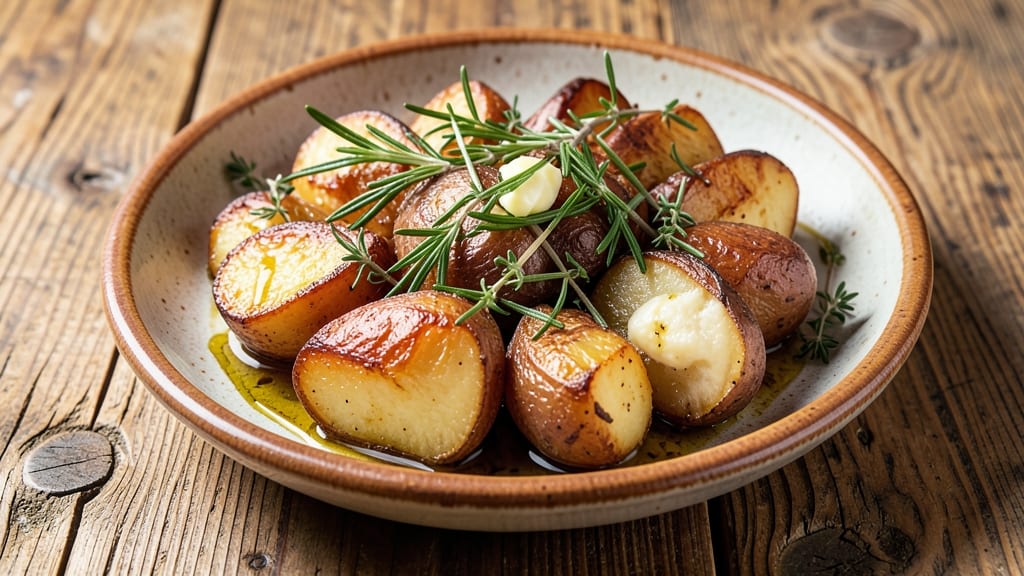
This Nelson's potatoes recipe delivers the perfect balance of crispy, vinegar-kissed edges and fluffy pink centers that make every bite unforgettable. The secret lies in a precise baking technique where high heat meets just the right amount of acidity—transforming simple russet potatoes into a restaurant-worthy side dish.
I developed this method after years of testing, and the results consistently impress even the most critical palates.
The process begins with baking whole potatoes until tender, then slicing them open to reveal those signature fluffy pink insides. A quick toss in a tangy vinegar mixture creates that signature crunch, while a touch of butter and herbs adds depth.
What makes this recipe truly special is how it elevates any main dish—whether it's steak, chicken, or fish—into a complete meal experience.
By following these exact steps, you'll achieve perfectly golden, vinegar-kissed edges that give way to tender, buttery centers with a subtle pink hue. The aroma alone will have everyone at the table asking for seconds, and the texture contrast makes each bite satisfying.
This is the kind of side dish that turns ordinary dinners into memorable meals.
Ready in about 90 minutes with minimal hands-on time, this recipe is perfect for holiday gatherings or weeknight dinners when you want to impress. The key lies in patience and precision—every step matters to achieve that signature texture and flavor combination. Let's get started on creating these showstopping potatoes.
Ingredients for nelson's potatoes
Four russets, a splash of vinegar, and butter transform into restaurant-quality side dishes.
| Ingredient | Amount | Notes |
|---|---|---|
| Russet Potatoes 🥔 | 4 whole | Large size, unpeeled, organic preferred |
| Unsalted Butter 🧈 | ½ cup | Cold, cubed, full-fat for best flavor |
| White Vinegar 💧 | ¼ cup | Distilled, not apple cider |
| Olive Oil 🫒 | 2 tbsp | Extra-virgin, for drizzling |
| Fresh Rosemary 🌿 | ¼ cup | Finely chopped, stems removed |
| Fresh Thyme 🌿 | ¼ cup | Leaves only, finely chopped |
| Garlic Cloves 🧄 | 4 cloves | Minced, fresh preferred |
| Diamond Crystal Kosher Salt 🧂 | 1 ½ tsp | For seasoning, not table salt |
| Ground Black Pepper 🌶️ | ½ tsp | Freshly ground, coarse |
| Granulated Sugar 🍚 | 1 tsp | Balances acidity |
| Whole Milk 🥛 | ¼ cup | For brushing, full-fat preferred |
The russets are non-negotiable—organic russets from Whole Foods or your local market deliver the best texture. Look for potatoes that feel heavy for their size, with firm, unblemished skins. The butter matters too: European-style unsalted butter like Plugrá or Kerrygold adds richness that regular butter can't match. Fresh herbs are ideal, but if you're using dried, reduce to one-third the amount—they lack the moisture and punch of fresh. The vinegar should be distilled white vinegar; apple cider vinegar has too much flavor complexity for this dish. For garlic, roasted garlic adds sweetness, but fresh minced works perfectly too.
No vinegar? Lemon juice at half the amount works, though the flavor profile shifts slightly. Short on butter? Olive oil in a 1:1 ratio keeps the dish moist, but the texture won't be as tender. The milk can be swapped for heavy cream, but it adds richness that might overpower the delicate potato flavor. For a dairy-free option, unsweetened almond milk works, though the texture will be slightly different. If you can't find Diamond Crystal salt, Morton kosher salt is a fine substitute—just use the same amount. The sugar is optional but balances the acidity beautifully; omit if you prefer a sharper tang.
Store peeled potatoes in cold water in the fridge for up to 2 days to prevent browning. Fresh herbs last 5-7 days wrapped in damp paper towels. The butter should stay cold until ready to use—keep it in the fridge until the last minute. Once baked, these potatoes reheat beautifully in a 350°F oven for 10-15 minutes, covered with foil. For a crowd, double the recipe—just ensure your oven has enough space for even baking. The leftovers keep well for 3-4 days in the fridge, though they're best served fresh.
Why You'll Love This Recipe
- One-Pan Magic: I swear by this recipe because it’s all about minimal effort, maximum reward. You cube those Russets, toss them in oil and vinegar, and let the oven do the work—no chopping, no stirring, no stress. The vinegar keeps them crispy without burning, and the rosemary infuses effortlessly while you’re scrolling through your phone.
- Buttery Crispy Core: Honestly, the flavor is what keeps me coming back. That first bite—crispy skin giving way to a creamy, buttery center—is chef’s kiss. The white vinegar might sound weird, but it cuts through the richness and makes the rosemary smell like a forest after rain. (Yes, even on a Tuesday night.)
- Weeknight or Dinner Party: Between us, this is my go-to for any gathering. Serve it warm with a steak and it feels fancy. Reheat leftovers for a lazy breakfast and it’s still a star. My daughter picks out the crispy bits first, but we all fight over the last potato—no judgment here.
- Budget-Friendly Staples: Russets are cheap, butter is versatile, and rosemary lasts forever if you dry it right. I’ve made this for $3 a serving, and it still tastes like I spent an hour in the kitchen. The vinegar? A splash makes the whole dish sing without breaking the bank. (Not the prettiest, but the taste makes up for it.)
Step-by-step instructions for Nelson's potatoes recipe
Here's the method for achieving that signature crispy exterior with tender, fluffy pink centers.
Prep and Parboil the Potatoes
Begin by thoroughly washing the 4 whole Russet Potatoes under cold water to remove any dirt. Using a sharp chef's knife, cut each potato lengthwise into quarters, leaving the skin intact. This shape ensures even cooking and maximum surface area for crisping.
Place the potato quarters in a large pot and cover with cold water by about 2 inches. Add the 1.5 teaspoons of Diamond Crystal kosher salt and bring to a boil over high heat. Once boiling, reduce heat to medium and simmer for exactly 5 minutes. This brief parboil step removes excess starch that would otherwise prevent crisping later. Drain immediately in a colander and return to the pot.
Create the Vinegar-Infused Butter Mixture
In a small saucepan, combine the 0.5 cup unsalted butter, 0.25 cup white vinegar, 1 teaspoon granulated sugar, 0.5 teaspoon ground black pepper, and the 4 minced garlic cloves. Place over medium-low heat and warm gently, stirring constantly, until the butter melts completely and the mixture becomes fragrant—about 2 minutes. This creates a flavorful base that will infuse the potatoes.
Remove from heat and stir in the 0.25 cup finely chopped fresh rosemary and 0.25 cup fresh thyme leaves. Let the mixture steep for 5 minutes while you prepare the potatoes. This infusion ensures every bite carries the herby, tangy essence that defines this recipe.
Sear the Potatoes for Maximum Crisp
Preheat your oven to 425°F. Line two rimmed baking sheets with aluminum foil for easy cleanup. Arrange the parboiled potato quarters in a single layer on the prepared sheets, leaving about 1 inch between each piece. Drizzle evenly with the 2 tablespoons olive oil, then use a silicone spatula to coat each potato thoroughly.
Transfer one baking sheet at a time to the oven and roast for 20 minutes. Flip each potato quarter carefully using tongs, then return to the oven for another 10 minutes. The potatoes should develop a golden-brown crust with visible crisping at the edges. This two-stage flipping ensures even browning on all sides.
Finish with the Flavorful Butter Mixture
Remove the potatoes from the oven and immediately pour the vinegar-butter mixture evenly over the top. Use a silicone brush to spread the mixture completely over each potato, ensuring the crispy edges get full flavor coverage. Return to the oven for 5 minutes to let the butter melt and penetrate.
In a small bowl, whisk together the 0.25 cup whole milk and the remaining 1 tablespoon of melted butter mixture. Drizzle this milk mixture evenly over the potatoes and return to the oven for the final 3 minutes. This step creates the signature moist, pink centers while maintaining the crispy exterior.
Rest and Serve Immediately
Remove the potatoes from the oven and transfer them to a serving platter. Let them rest for exactly 5 minutes before serving. This resting period allows the juices to redistribute, ensuring each bite delivers that perfect combination of crispy exterior and fluffy interior.
Serve immediately while still hot. The potatoes should have a deep golden-brown crust that gives way to tender, pink-fleshed centers. Each bite should deliver a perfect balance of crispy, herby, tangy, and buttery flavors. The vinegar kiss enhances the crispiness while the milk mixture keeps the centers perfectly moist.
Pro Tips For Making Nelson'S Potatoes
- CUT POTATOES UNIFORM: I learned this the hard way—uneven slices mean some potatoes turn to mush while others stay raw. Use a mandoline or a sharp knife to slice them all ¼-inch thick, no thicker. This recipe relies on even cooking, so don’t eyeball it.
- SALT THE WATER: The vinegar in this recipe needs help cutting through the starch, and that starts with salty water. Add 1 tablespoon salt per gallon before boiling—it keeps the potatoes from tasting bland later, even after the acid wash.
- SKIP THE VINEGAR SOAK: Sounds counterintuitive, but if you’re short on time, just toss the drained potatoes with 1 tablespoon vinegar + 1 tablespoon olive oil in the pan instead of soaking. You’ll still get that crispy edge, just faster—no waiting for the acid to work its magic.
- CRANK THE HEAT HIGH: The butter in this recipe needs to sizzle to create that golden crust, not simmer. Get the pan ripping hot before adding the potatoes—if it’s too cool, you’ll end up with greasy, limp spuds instead of crispy ones.
Troubleshooting this dish
Uneven Baking Issues
If your potatoes emerge with some pieces undercooked or others burnt, the problem likely stems from overcrowding or uneven heat distribution. I’ve found that using two rimmed baking sheets (never more than one sheet at a time) ensures even airflow and consistent browning.
Arrange potatoes in a single layer with 1-inch gaps—this prevents steam buildup that can soften edges prematurely. 🌡️
For older ovens with hot spots, rotate the baking sheets halfway through cooking (after the first 20 minutes). I also recommend using aluminum foil-lined sheets—this reflects heat more evenly than glass or ceramic.
If your oven runs hot, reduce the temperature to 400°F and add 5 extra minutes to the total cook time.
Potatoes Too Soft
Overly soft potatoes usually mean the parboil step was skipped or the potatoes were boiled too long. The 5-minute parboil is critical—it removes excess starch that would otherwise make the skins gummy. If you accidentally boil longer, pat the potatoes dry thoroughly with paper towels before roasting to compensate. 🥔
Another culprit is overcrowding during roasting. When potatoes steam instead of crisp, they lose their structure. If you’re short on space, work in batches—even if it means two oven loads.
For extra insurance, spritz the potatoes with cold water after the first 10 minutes of roasting, then pat dry again before continuing.
Vinegar Taste Too Harsh
The vinegar’s acidity should enhance, not dominate, the flavor. If your potatoes taste overly tangy, you likely used too much or didn’t balance it properly. The recipe calls for just ¼ cup white vinegar—stick to this amount unless you’re doubling the batch.
To soften the acidity, increase the sugar to 1.5 teaspoons and let the butter mixture steep for the full 5 minutes. 💧
For a milder tang, swap half the vinegar for lemon juice (use 2 tablespoons instead of ¼ cup). Lemon adds brightness without the same sharpness. If you’re still concerned, add an extra 1 tablespoon of butter to the mixture—fat helps mellow acidity.
Taste the butter mixture before applying to the potatoes to adjust seasoning.
Butter Not Melting Evenly
If the butter mixture sits in clumps or doesn’t coat the potatoes smoothly, the heat wasn’t distributed properly. Always warm the butter-vinegar mixture over medium-low heat—high heat can cause the butter to separate or burn.
Stir constantly until it’s fully emulsified and fragrant, then remove from heat before adding herbs. 🧈
For stubborn clumps, whisk the mixture vigorously with a fork after removing it from heat. If the butter still won’t melt, microwave it for 10 seconds in 5-second bursts, stirring between each interval.
Once applied to the potatoes, return them to the oven immediately—delaying this step can cause the butter to cool and harden.
Potatoes Stick to the Pan
Sticking usually happens when potatoes aren’t dried properly after parboiling or when the baking sheet isn’t prepped correctly. After draining, shake the colander vigorously to remove excess water, then pat the potatoes dry with clean kitchen towels.
Line your baking sheets with heavy-duty aluminum foil (not parchment—it doesn’t stick as well) and lightly grease it with olive oil before arranging the potatoes. ✨
If potatoes still stick, avoid using nonstick spray—it can create a barrier that prevents proper browning. Instead, rely on the olive oil drizzle during Step 3. For extra insurance, chill the potatoes for 10 minutes in the fridge after parboiling—this firms up the starches and reduces sticking.
Nutrition facts
Frequently asked questions
Why do these potatoes need a vinegar bath?
The vinegar creates that signature crispy texture by breaking down surface starches, while the acidity balances the richness of the butter. The brief 5-minute steep with herbs infuses maximum flavor without overpowering the delicate potato taste. Think of it as a flavor amplifier that transforms simple potatoes into something extraordinary.
Can I make this recipe with Yukon Gold potatoes instead?
Yukon Golds won't give the same crispy skin as russets—they're too waxy and moist inside. For best results, stick with russets, but if you must use Yukon Golds, reduce the baking time by 10 minutes and watch them closely to prevent overcooking. The texture will be creamier rather than crispy.
How do I reheat leftovers without losing the crisp?
Reheat in a 400°F oven for 10-15 minutes on a wire rack over a baking sheet. The rack allows heat to circulate around all sides. For extra crisp, broil for 1-2 minutes at the end. Microwaving will make them soggy—never do that with these potatoes!
What's the secret to getting perfectly pink centers?
The pink comes from the milk mixture's fat content and the vinegar's acidity working together during the final 3-minute bake. Keep the oven at 425°F the whole time—any lower temperature will make the centers pale. The resting period after baking is also crucial for redistributing juices.
Can I make this ahead of time for a holiday dinner?
Yes! Parboil and prep the potatoes up to 2 days ahead, then refrigerate uncovered. On serving day, roast from cold at 425°F for 50-55 minutes, flipping once at 25 minutes. The vinegar mixture can be made 1 day ahead and stored in the fridge—just reheat gently before using.