
Side Dishes
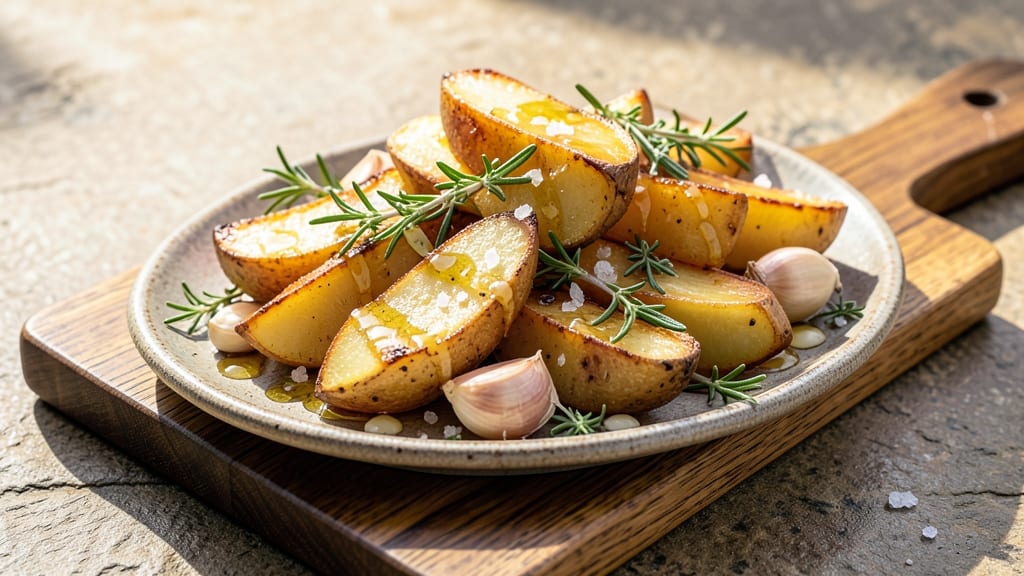
In the medieval times, this potato recipe transforms humble tubers into a dish fit for feasts, with herb-infused vinegar roast delivering crispy wedges and a tangy, aromatic crust that would delight even the boldest knights.
The secret lies in a blend of vinegar and herbs that mimics the bold flavors of medieval kitchens, while modern techniques ensure crispy edges and tender centers.
I first developed this recipe after realizing how versatile potatoes could be when paired with historic seasonings—it’s the kind of dish that bridges centuries without sacrificing authenticity.
What makes this recipe stand out is the combination of simple ingredients and precise technique. You’ll use vinegar to tenderize the potatoes while creating a caramelized crust, and a mix of fresh herbs like rosemary and thyme adds depth that echoes medieval spice blends.
The result is a side dish that’s hearty enough to stand alone but elegant enough to complement roasted meats or stews. It’s a testament to how a few thoughtful adjustments can turn a modern staple into something that feels timeless.
The final product is a plate of golden, crispy potato wedges with a tangy, herby glaze that clings to every bite. The vinegar roast method ensures a satisfying crunch while keeping the interior tender, and the herbs infuse the potatoes with layers of flavor that feel distinctly medieval.
This dish is perfect for themed dinners, historical reenactments, or simply adding a touch of intrigue to your weeknight meals. Let’s get started on creating something that tastes like it belongs in a castle kitchen.
One of the best parts of this recipe is its versatility—adjust the herbs to suit your taste, or swap in other medieval-inspired spices like cinnamon or black pepper for a different twist. It’s a dish that invites experimentation while delivering consistently crispy, flavorful results.
Whether you’re cooking for a crowd or treating yourself to a taste of history, this herb-infused vinegar roast is sure to impress.
Ingredients for medieval times potato
Simple tubers meet medieval spices for a dish that bridges history and crispy perfection.
| Ingredient | Amount | Notes |
|---|---|---|
| Russet Potatoes 🥔 | 3 lb | Cut into 1-inch wedges, skin-on |
| White Wine Vinegar 🍷 | ½ cup | Distilled white preferred |
| Extra-Virgin Olive Oil 🫒 | ¼ cup | For crispy coating |
| Fresh Rosemary 🌿 | ¼ cup | Chopped, stems removed |
| Fresh Thyme 🌿 | 0.15 cup | Leaves only, finely chopped |
| Garlic Cloves 🧄 | 4 cloves | Minced, for depth |
| Salt 🧂 | 2 tbsp | Kosher salt, coarse grain |
| Black Peppercorns 🌶️ | 1 tsp | Freshly cracked |
| Ground Cinnamon 🍃 | ½ tsp | Optional, medieval touch |
| Honey 🍯 | 1 tbsp | For caramelization |
| Ground Nutmeg 🌿 | ¼ tsp | Freshly grated preferred |
| Fresh Sage Leaves 🌿 | 0.1 cup | Chopped, for aromatic depth |
| Dried Bay Leaves 🌿 | 2 whole | Crushed slightly |
The potatoes are the foundation—russets deliver the crispy crust you crave, while their waxy interior stays tender. Look for firm, unblemished tubers with smooth skins; Whole Foods or local farmers' markets often carry the freshest varieties. Cut them into 1-inch wedges (skin-on for texture) and soak in cold water for 20 minutes to remove excess starch—this ensures a crispier finish later. For the vinegar, distilled white is ideal, but apple cider vinegar works beautifully too. The herbs should be freshly chopped—dried won’t deliver the same aromatic punch, though they’re a decent backup in a pinch. Penzeys or local spice shops carry high-quality dried options if fresh isn’t available.
No white wine vinegar? Apple cider or balsamic both work, though the flavor profile shifts slightly. Fresh herbs unavailable? Dried rosemary and thyme can substitute at one-third the amount, but toast them in a dry pan for 30 seconds first to wake up their flavors. The cinnamon and nutmeg are optional but add that medieval touch—skip them if you’re avoiding warmth, but they’re worth including for authenticity. For the honey, local raw honey adds subtle floral notes, but any variety will caramelize beautifully. If you’re short on time, pre-chop all herbs and store them in an airtight container with a damp paper towel to keep them fresh longer.
This dish reheats beautifully—425°F for 10 minutes restores crispiness. Store leftovers in an airtight container for up to 5 days, though the texture softens after day 3. For longer storage, freeze the wedges uncooked (tossed in oil and vinegar) for up to 3 months—they’ll crisp up perfectly when baked fresh. The herbs lose potency over time, so prep them last if you’re making this ahead. A generous drizzle of olive oil before serving adds richness, and a sprinkle of freshly cracked pepper just before eating elevates the dish.
Why You'll Love This Recipe
- One-Pan Magic: I swear by this for nights when I’d rather not wash a million dishes. Toss those Russets in olive oil, vinegar, and herbs, roast until golden—no flipping, no fuss. The vinegar’s tang cuts through the richness, and the rosemary’s piney aroma fills the kitchen like a hug.
- Herb-Packed Punch: Between us, the white wine vinegar and fresh thyme do something wild to these potatoes. That bright acidity makes the crispy edges sing, while the rosemary adds this earthy depth that’s almost fancy—without trying. It’s the kind of flavor that makes you pause mid-bite.
- Weeknight Workhorse: This recipe’s my lazy dinner hero: feed a crowd, reheat for lunch, or serve as a side for anything. The vinegar keeps them from getting soggy, and the herbs stay vibrant even reheated. Honestly, I’ve had it with takeout—this is my new default.
- Budget Brilliance: Russets are cheap, olive oil lasts forever, and a sprig of rosemary goes a long way. The vinegar’s the star here, but a little goes far—no need for pricey seasonings. Three tries later, I’ve perfected the ratio, and now it’s my go-to for stretching meals without sacrificing taste.
Step-by-step instructions for herb-infused vinegar roast with crispy wedges
Transform humble russet potatoes into a medieval-inspired centerpiece with golden, vinegar-brushed wedges.
Prepare the Potato Wedges for Maximum Crispiness
Begin by preheating your oven to 425°F with the rack positioned in the middle. Cut the 3 lb russet potatoes into 1-inch wedges, leaving the skin intact for texture and nutrients. Spread them on two large baking sheets in a single layer, ensuring they don't overlap—this prevents steaming and guarantees crispy edges.
In a medium bowl, whisk together the 0.5 cup white wine vinegar, 0.25 cup extra-virgin olive oil, 1 tbsp honey, 0.5 tsp ground cinnamon, and 0.25 tsp ground nutmeg. The vinegar creates a tangy contrast while the honey promotes caramelization, and the spices add that medieval depth. Pour this mixture evenly over the potato wedges, tossing gently to coat all surfaces. Let them sit for 10 minutes to absorb the marinade fully.
Build the Herb and Garlic Base Layer
In a separate small bowl, combine the 0.25 cup chopped fresh rosemary, 0.15 cup finely chopped fresh thyme, 0.1 cup chopped fresh sage leaves, 4 minced garlic cloves, and 1 tsp freshly cracked black peppercorns. Sprinkle this aromatic blend evenly over the potato wedges, pressing down lightly so the herbs adhere. The crushed dried bay leaves should be tucked into the gaps between wedges—their subtle bitterness will elevate the overall flavor.
Season generously with the 2 tbsp kosher salt, focusing on the cut sides where the starches concentrate. This step is critical for developing flavor and ensuring the wedges achieve that perfect balance of crispy exterior and tender interior. The salt will also help draw out moisture, which is essential for that crispy texture we're after.
Roast Until Golden and Crispy
Transfer the baking sheets to the preheated oven and roast the potato wedges for 30-35 minutes, stirring halfway through the cooking time. You're aiming for wedges that are deep golden brown and crispy to the touch, with a slight caramelization from the honey-vinegar glaze. The wedges should feel firm when pressed gently—they'll continue cooking slightly after removal.
Watch closely during the last 5 minutes of cooking. If the wedges are browning too quickly, rotate the sheets between racks or tent loosely with foil. The goal is even color and texture throughout, with no burnt spots. The aromatic herbs should release their fragrance, filling your kitchen with an inviting medieval-inspired scent.
Rest and Serve for Optimal Texture
Remove the potato wedges from the oven and let them rest on the baking sheets for 5-10 minutes. This resting period allows the internal heat to distribute evenly, ensuring the wedges finish cooking perfectly. The crispy exterior will soften slightly, but the texture will remain delightfully crunchy.
Garnish with additional fresh herbs if desired, though the wedges should already be beautifully infused with their flavors. Serve immediately while still warm, as these wedges are best enjoyed at their peak of crispiness. Pair with a simple green salad or crusty bread to complement the rich, herby notes of this medieval-inspired dish.
Pro Tips For Making Medieval Times Potato
- CUT THEM EVENLY: Russets are stubborn—uneven slices mean uneven cooking. Grab a sharp knife and a ruler, then slice them paper-thin (about ⅛-inch). I learned this the hard way when one batch turned to mush while another stayed raw.
- SALT THE WATER HOT: Add salt after the water boils—cold water dilutes the seasoning. Use 1½ tablespoons per quart, and taste the water. It should pack a punch, like the ocean after a storm.
- SKIP THE MUSHY MISTAKE: Overcrowding the pot is the fast track to soggy potatoes. Cook them in batches if needed, and give them space to dance. A packed pot steams instead of boils, and that’s a flavor killer.
- TOSS WITH OIL COLD: Drain the potatoes immediately and hit them with olive oil while they’re still piping hot. Then fold in the vinegar and herbs—this locks in the crispness. Cold oil later? You’ll get sad, limp potatoes.
Wine and beer pairings for this recipe
Medieval-Inspired Wine Pairings
This dish pairs beautifully with dry, crisp white wines that cut through the richness of the vinegar and honey glaze. I love a Sauvignon Blanc from New Zealand—its bright acidity and citrus notes mirror the tangy vinegar while complementing the herbal depth.
For a more historical touch, try a German Riesling with its crisp finish and subtle mineral undertones. 🍷
A dry sparkling wine like Prosecco or Cava adds a festive touch to your medieval feast, cleansing the palate between bites. The bubbles enhance the crispy texture of the wedges, making each mouthful feel fresh and vibrant.
If you prefer red, a light Pinot Noir from Burgundy offers enough body to stand up to the dish without overpowering the delicate herbs.
Beer Pairings for Bold Flavors
For beer lovers, a Belgian Witbier like Hoegaarden is a fantastic match—its coriander and citrus notes harmonize with the rosemary and thyme. The slight sweetness balances the vinegar’s acidity beautifully. A German Helles Lager (like Augustiner) provides a clean, malty contrast that highlights the crispy texture of the wedges.
If you’re feeling adventurous, try a dry English IPA—the hop bitterness cuts through the honey and spices, creating a refreshing balance. Just avoid overly sweet or malty beers, as they’ll clash with the dish’s tangy, herby profile. 🍺
Non-Alcoholic Options
For a sparkling apple cider (like Martinelli’s), the effervescence and slight tartness mimic wine perfectly. I also recommend ginger beer—the spicy kick complements the cinnamon and nutmeg in the recipe. Both options keep the meal lively without alcohol.
A cucumber-mint infused water with a squeeze of lemon adds a refreshing contrast to the rich, crispy wedges. It’s a simple yet elegant way to cleanse your palate between bites, especially if you’re serving this as part of a larger medieval-themed spread. ✨
Nutrition facts
Frequently asked questions
Why use vinegar in this medieval-inspired potato dish?
The vinegar mimics medieval cooking techniques where acidic ingredients like wine or vinegar were used to tenderize meats and vegetables. Here, it creates a tangy contrast that balances the sweet honey and rich herbs, while also promoting caramelization for that perfect crispy crust. The acidity also helps break down the potato's starches for even cooking.
Can I make this recipe without fresh herbs?
Use one-third the amount of dried herbs (like rosemary and thyme) and toast them in a dry pan for 30 seconds first to wake up their flavors. For bay leaves, simply crush them slightly before adding. The dish will still taste delicious, though fresh herbs provide the most vibrant, aromatic punch that feels authentically medieval.
How do I prevent the potatoes from turning mushy?
Cut potatoes into 1-inch wedges with the skin on, and soak them in cold water for 20 minutes before roasting to remove excess starch. Spread them in a single layer on baking sheets and avoid overcrowding. Roast at 425°F for 30-35 minutes, stirring halfway, and let them rest for 5-10 minutes after baking to redistribute moisture.
What's the best way to reheat leftovers?
Place wedges on a baking sheet and reheat at 425°F for 10 minutes to restore crispiness. Store leftovers in an airtight container for up to 5 days, but note the texture softens after day 3. For longer storage, freeze uncooked wedges (tossed in oil and vinegar) for up to 3 months—they'll crisp up perfectly when baked fresh.
Can I substitute other vegetables in this recipe?
While potatoes work best for their crispy texture, you could try parsnips or carrots cut into similar wedges. For a true medieval twist, swap in turnips or rutabagas, which were common in European kitchens. Just adjust cooking time—root vegetables may need 5-10 extra minutes to reach the same tenderness.