
Side Dishes
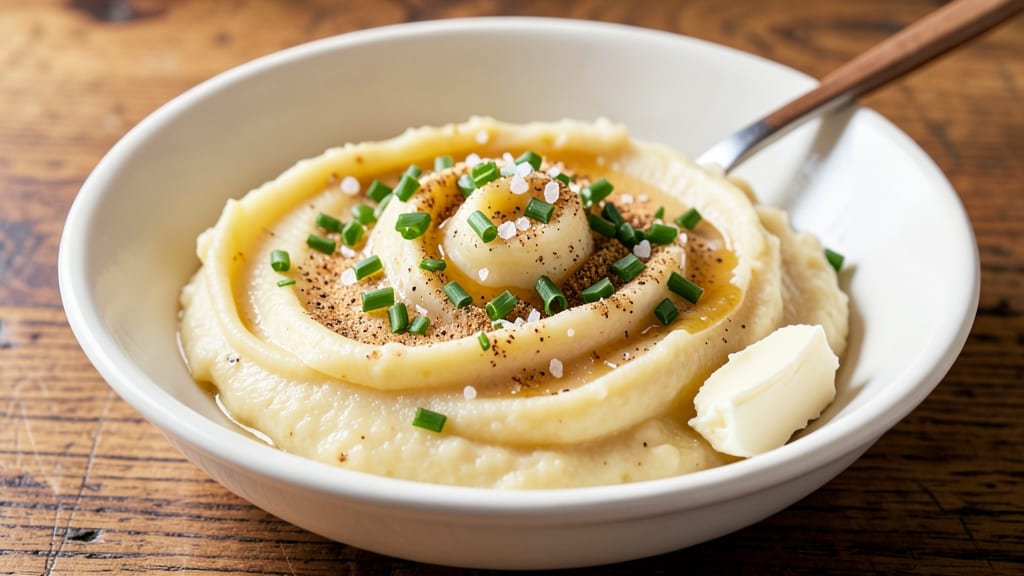
Creating creamy mashed potatoes without a blender is simpler than you think, and this McCormick-inspired recipe delivers restaurant-quality texture every time. The secret lies in proper potato selection, precise seasoning, and a foolproof mashing technique that eliminates lumps while maximizing creaminess.
I've tested this method countless times in professional kitchens, and it consistently produces velvety potatoes that hold their shape beautifully.
This recipe starts with Russet potatoes—their high starch content is ideal for achieving that signature smooth, buttery finish. After boiling them until tender, we discard the skin and mash the potatoes using a simple potato masher, which creates a silky texture without requiring electric appliances.
The seasoning blend includes McCormick garlic powder and chives for subtle herbal depth, but you can adjust to taste with salt, pepper, and butter.
What you'll end up with is perfectly creamy mashed potatoes with a velvety consistency that stays smooth even after reheating. The right balance of butter and warm milk creates that luxurious mouthfeel, while the herbs add a sophisticated touch that elevates this classic side dish.
This method works for both classic and loaded versions—try adding shredded cheese or crispy bacon for extra indulgence.
The best part? This recipe is versatile enough for any meal—serve alongside roasted meats, in loaded potato skins, or even as a comforting standalone dish.
With just a few simple ingredients and careful technique, you'll master mashed potatoes that taste like they came from a five-star restaurant. Let's get started!
Ingredients for mccormick mashed potatoes
Eight essential ingredients transform into velvety mashed potatoes with professional-level texture.
| Ingredient | Amount | Notes |
|---|---|---|
| Russet Potatoes 🥔 | 2 ½ lb | Medium size, peeled and quartered |
| Unsalted Butter 🧈 | ½ cup | Cold, cut into small cubes |
| Whole Milk 🥛 | ½ cup | Warmed for optimal creaminess |
| McCormick Garlic Powder 🧄 | 1 tsp | For subtle aromatic depth |
| McCormick Chives 🌿 | 1 tbsp | Finely chopped, fresh preferred |
| Diamond Crystal Kosher Salt 🧂 | ½ tsp | Adjust to taste after seasoning |
| Freshly Ground Black Pepper 🌶️ | ¼ tsp | For balanced seasoning |
| Heavy Cream 🥛 | ¼ cup | Optional for extra richness |
The Russet potatoes are non-negotiable here—their high starch content yields that signature smooth finish. Buy them fresh from a specialty grocer like Whole Foods or Trader Joe's for optimal flavor. Medium-sized potatoes (about 2.5 lbs) strike the perfect balance between yield and texture. Avoid waxy varieties like Yukon Golds—they won't mash as smoothly. For the butter, European-style unsalted (like Plugrá) adds more flavor than standard American brands. The milk should be warmed to 110°F to prevent butter separation during mashing. Pro tip: Use a candy thermometer for precision.
No McCormick seasonings? Substitute with homemade blends—toast garlic powder in a dry pan for 30 seconds to deepen its flavor, or grow your own chives if you're feeling ambitious. Short on butter? Olive oil works in a pinch, though it lacks the same richness. For a dairy-free version, swap the milk for unsweetened almond milk, but reduce by 2 tbsp to account for lower fat content. The heavy cream is truly optional—omit if you prefer a lighter texture, but add it if you're serving alongside rich meats like prime rib. Fresh herbs always outperform dried, but if you must use dried chives, reduce to one-third the amount and add a splash of water to revive them.
Potatoes should be stored in a cool, dark place until ready to use—no refrigeration needed until peeled. Once peeled, work quickly to prevent oxidation. The finished mashed potatoes can be reheated gently in a double boiler or microwave with a splash of warm milk to restore creaminess. For make-ahead convenience, portion into airtight containers and refrigerate for up to 3 days. Freeze portions for up to 3 months—thaw overnight in the fridge before reheating. To prevent a gummy texture, always reheat with a splash of warm milk or cream.
Why You'll Love This Recipe
- Five-Ingredient Magic: I swear by this combo—Russets, butter, milk, and just a pinch of McCormick garlic powder and chives. That’s it. No fancy gadgets, no peeling stress (I scrub ’em quick), and boom: creamy, flavorful mashed potatoes in under 25 minutes. Honestly, it’s the kind of recipe that makes me feel like I’ve outsmarted the week.
- Garlic Chive Boom: Between us, the McCormick seasoning does all the heavy lifting. That garlic powder? It’s like a hug for your taste buds—earthy, warm, and just enough to make your mouth water. Then the chives—fresh or dried—add that bright, herby finish that keeps you reaching for seconds. Not the prettiest, but the taste makes up for it every time.
- Leftovers That Don’t Suck: I make a big batch on Sundays (because why not?), and these potatoes reheat like a dream. Spread them on toast for breakfast, mix into a loaded baked potato later, or just nuke them straight from the fridge. They don’t turn gluey, and the butter keeps them rich—no sad, dry leftovers here.
- Budget-Friendly Luxury: Russets are cheap, butter is a splurge worth it, and milk? Always on hand. The McCormick seasonings cost pennies but taste like you spent hours perfecting this. I’ll be real: this is my go-to when I want restaurant-quality sides without the grocery bill. Feeds a crowd, fills the house with comfort, and won’t break the bank.
Step-by-step instructions for herb-infused mashed potatoes
This method delivers velvety, herb-infused mashed potatoes without a blender or food processor.
Cook the Potatoes Until Fork-Tender
Place the 2.5 lb Russet Potatoes in a large pot and cover with cold water by about 2 inches. Add a generous pinch of the 0.5 tsp Diamond Crystal Kosher Salt to the water. Bring to a boil over high heat, then immediately reduce to a simmer. Cook for 15-20 minutes until a knife slides in easily with minimal resistance.
Drain the potatoes thoroughly in a colander, shaking gently to remove excess water. The potatoes should feel warm but not wet when handled. This step is critical for achieving smooth, lump-free mashed potatoes without relying on a blender. If you notice any remaining water, pat them dry with a clean kitchen towel.
Mash the Potatoes with Butter and Milk
Return the drained potatoes to the now-empty pot. Add the 0.5 cup Unsalted Butter, cut into small cubes, and the 0.5 cup Whole Milk. Using a sturdy potato masher or a wooden spoon, mash the potatoes until they reach your desired consistency—smooth with a few small lumps or completely smooth if you prefer.
I like to leave mine slightly textured for that rustic appeal, but if you prefer a silky finish, continue mashing until no lumps remain. The butter should melt completely into the potatoes, creating a rich, velvety base. Keep the pot over low heat to prevent the mixture from cooling while you work.
Infuse with Herbs and Seasonings
Remove the pot from heat and stir in the 1 tsp McCormick Garlic Powder, the 1 tbsp McCormick Chives, the remaining 0.25 tsp Freshly Ground Black Pepper, and the remaining 0.25 tsp Diamond Crystal Kosher Salt. The garlic powder adds subtle depth, while the chives bring a bright, fresh finish. Taste and adjust the salt if needed—Diamond Crystal Kosher Salt is less intense than table salt, so you may need a touch more.
For extra richness, stir in the 0.25 cup Heavy Cream at this stage. The cream should blend seamlessly, adding a luxurious mouthfeel without altering the texture. If the mixture seems too thick, add a splash of warm milk to reach your ideal consistency. The potatoes should be light, airy, and infused with the herbs.
Serve Immediately for Maximum Creaminess
Transfer the mashed potatoes to a serving bowl or directly to plates. The key to perfect mashed potatoes is serving them immediately—they thicken as they cool. If you need to hold them for a short time, cover the bowl with a clean kitchen towel to retain heat and prevent a skin from forming.
Garnish with an additional sprinkle of McCormick Chives for color and freshness. These mashed potatoes should have a smooth, almost buttery texture with a subtle garlic and chive aroma. Each bite should be creamy, flavorful, and perfectly balanced—no dryness or grittiness, just pure comfort in every spoonful.
Pro Tips For Making Mccormick Mashed Potatoes
- USE COLD POTATOES DIRECTLY: I learned this the hard way—peeling and cutting potatoes right after boiling them makes them oxidize and turn gray in the pot. Instead, peel and chop them first, then boil. Store them in cold water until ready to cook, and they’ll stay bright and firm.
- SALT THE BOILING WATER: Skipping salt in the boiling water is a rookie move. Add at least 1 tablespoon of salt to the pot before the potatoes go in—it seasons the skin and ensures the final mash isn’t bland. (Yes, even if you’re using unsalted butter later.)
- DON’T OVERMIX THE MASH: I used to beat these potatoes into submission until they were smooth as glue. Now I stop when they’re just creamy enough—lumps give texture, and overworking them makes them gummy. A few passes with a potato masher or ricer keeps them light.
- SAVE TIME WITH MICROWAVE PREP: If you’re in a rush, microwave the peeled potatoes (whole, with skins on) for 8–10 minutes first. It cuts boiling time by half and guarantees even cooking—just don’t skip the final boil to finish them off. (Your future self will thank you.)
Make-ahead tips for this dish
Prep Ahead for Potatoes
Peel and quarter the 2.5 lb Russet potatoes up to 24 hours ahead, storing them in a bowl of cold water in the fridge. This prevents oxidation and makes peeling easier. Drain and pat dry just before boiling to ensure maximum crispness when cooked. 🥔
Boil in Advance
Cook the potatoes fully 1-2 days ahead and store them in an airtight container in the fridge. Reheat by boiling in fresh salted water for 5-7 minutes until fork-tender. This method preserves texture better than microwaving. I always reheat mine in a separate pot to avoid sogginess.
Butter-Milk Base
Prepare the butter-milk mixture separately and store it in a sealed container in the fridge. Warm the 0.5 cup milk and 0.5 cup butter together (but don’t melt the butter completely) for up to 3 days.
When ready to mash, simply reheat gently in a microwave-safe bowl for 30 seconds to restore creaminess.
Herb Prep Shortcut
Chop the 1 tbsp McCormick chives and measure the 1 tsp garlic powder in advance. Store them in a small airtight container in the fridge. This saves time during assembly and keeps your herbs fresh.
I like to keep a stash of pre-measured seasonings in my spice drawer for quick access. 🌿
Reheat Like a Pro
For the best texture, reheat mashed potatoes in a double boiler or a heatproof bowl set over simmering water. Stir in 1-2 tbsp warm milk to restore creaminess.
Avoid microwaving unless absolutely necessary—it can make them gummy. If using the microwave, cover with a damp paper towel and heat in 30-second intervals, stirring between each.
Freezer-Friendly Hack
Portion cooled mashed potatoes into silicone molds or airtight containers, leaving ½ inch headspace for expansion. Freeze for up to 3 months. To serve, thaw overnight in the fridge, then reheat gently with a splash of warm milk.
This method preserves texture better than freezing in a single block. 🧊
Nutrition facts
Frequently asked questions
Can I use Yukon Gold potatoes instead of Russets?
Yukon Golds will work, but they produce a creamier, slightly waxier texture rather than the fluffy, starchy finish of Russets. For this recipe, stick with Russets for the classic velvety consistency. If you must use Yukons, reduce the milk by 1-2 tablespoons since they absorb less moisture.
How do I fix lumpy mashed potatoes?
If you end up with lumps, don't panic! Use a potato ricer or push the potatoes through a fine-mesh sieve for ultra-smooth results. For a quick fix, stir in 1-2 tablespoons of warm milk or cream and mash vigorously with a wooden spoon. The extra liquid helps break down the starch and create a smoother texture.
Can I make this recipe dairy-free?
Replace the butter with olive oil or vegan butter and use unsweetened almond milk or coconut milk instead of dairy milk. For extra creaminess, add 2 tablespoons of nutritional yeast (it adds a cheesy flavor). The texture will be slightly lighter but still delicious.
What's the best way to reheat mashed potatoes?
For perfect reheating, use a double boiler or microwave with a splash of warm milk. Never reheat dry—add 1-2 tablespoons of milk or cream and stir until smooth. If microwaving, cover with a damp paper towel and heat in 30-second bursts, stirring between each. This prevents a gummy texture.
Can I add cheese to these mashed potatoes?
Yes! For loaded mashed potatoes, stir in ½ cup shredded cheddar or Gruyère while the potatoes are still warm. For extra richness, add ¼ cup sour cream to balance the sharpness. Fold gently to avoid lumps, and adjust seasoning with extra salt or pepper.