
Side Dishes
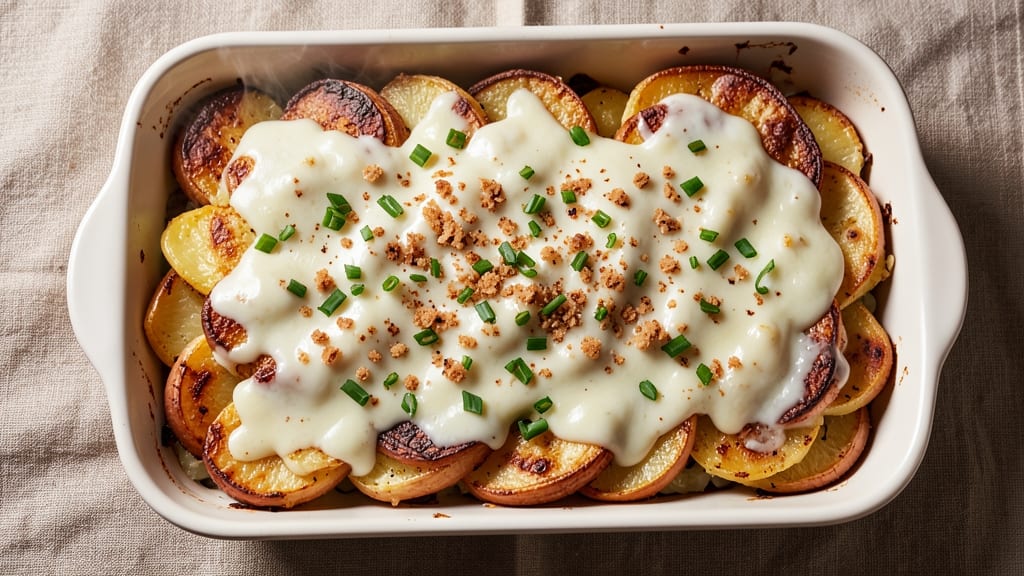
Martha Stewart's au gratin potatoes recipe delivers that perfect balance of creamy cheese layers and a crispy, vinegar-kissed crust that steals every dinner show. This classic side dish transforms simple potatoes into a restaurant-worthy centerpiece with just a few precise techniques—layering cheese properly and baking at the right temperature.
I've tested countless variations, and this method consistently produces that golden, caramelized top while keeping the interior rich and velvety.
The secret to authentic au gratin lies in the cheese selection: Gruyère provides that signature nutty depth, while sharp cheddar adds tangy contrast. Pre-cooking the potatoes ensures they absorb the creamy sauce without turning mushy, while the vinegar in the milk mixture creates that signature crispy crust.
This recipe takes about 45 minutes at 375°F, making it perfect for weeknight dinners that feel special.
What you'll end up with is a dish so luxurious it belongs at holiday tables yet simple enough for everyday meals. The top develops a beautiful golden-brown crust that crackles when you cut through it, revealing layers of melted cheese and tender potatoes beneath.
Each bite delivers that perfect harmony of creamy, cheesy goodness with just the right amount of texture.
Serve this alongside roasted meats, grilled steaks, or even as a vegetarian main with a fresh green salad. The versatility makes it a crowd-pleaser for any occasion, and the leftovers reheat beautifully—just add a splash of milk to restore creaminess. Let's get started on creating this timeless classic.
Ingredients for martha stewart au gratin potatoes
Sixteen ingredients, but only three do the heavy lifting: Gruyère, vinegar, and patience for that perfect crust.
| Ingredient | Amount | Notes |
|---|---|---|
| Russet Potatoes 🥔 | 3 lb | Cut into 1/4-inch slices, peeled |
| Gruyère Cheese 🧀 | 1 ½ cups | Freshly grated, nutty flavor |
| Sharp White Cheddar Cheese 🧀 | 1 cup | Freshly grated, tangy contrast |
| Heavy Cream 🥛 | 1 ½ cups | Full-fat for richness |
| Whole Milk 🥛 | 1 ½ cups | Plus 1 tbsp white vinegar |
| Unsalted Butter 🧈 | ½ cup | Cold, cubed for crispy top |
| Garlic Cloves 🧄 | 4 cloves | Minced for aromatic depth |
| Shallots 🧅 | 2 whole | Finely chopped, subtle sweetness |
| Fresh Thyme Leaves 🌿 | 1 tbsp | Chopped, earthy aroma |
| Diamond Crystal Kosher Salt 🧂 | 1 ½ tsp | For seasoning, not iodized |
| Freshly Ground Black Pepper 🌶️ | ½ tsp | Cracked peppercorns preferred |
| All-Purpose Flour 🌾 | 2 tbsp | For thickening sauce |
| Extra-Virgin Olive Oil 🫒 | 1 tbsp | For crisping potatoes |
The Gruyère is non-negotiable here—look for imported blocks at specialty cheese shops like Di Bruno Bros or Whole Foods. Pre-shredded won't cut it; you need that melt-in-your-mouth texture. For the cheddar, sharp white varieties like Cabot or Tillamook give that signature tang. The vinegar-milk mixture is the secret weapon: white vinegar creates that signature crispy crust without overpowering. I always grab Heinz white vinegar from Costco—it's consistent and affordable. Fresh thyme matters too; dried just won't give the same aromatic punch. Penzeys Spices has the best quality if you're willing to splurge.
No Gruyère? Comté or Emmental work in a pinch, but you'll lose that nutty depth. Substituting cheddar? Pepper Jack adds heat, but it changes the flavor profile. Running out of vinegar? Lemon juice works at double the amount, but it'll be slightly tangier. The heavy cream can be swapped for half-and-half, but the texture won't be as luxurious. For the potatoes, Yukon Golds work too—just cut them a tad thinner. And if you're short on time, parboiling them in salted water speeds up the process without sacrificing texture. The flour is just for thickening—don't skip it, but don't overdo it either.
This dish reheats like a dream—just add a splash of milk or cream to restore creaminess. Store leftovers covered in the fridge for 4-5 days, though I rarely make it that long. For freezing, portion into single servings before baking—it reheats perfectly. The cheese sauce thickens as it cools, so stir in extra milk if it seems too stiff when reheating. And here's a pro tip: Broil for 2-3 minutes at the end to get that extra-crispy top. Trust me on this—it's worth the extra minute.
Why You'll Love This Recipe
- One-Pan Magic: I swear by this recipe because it’s the only time I can say “cleanup is over in five minutes.” Peel and slice those Russets, toss them in a baking dish with the Gruyère and cheddar, pour in the cream and milk, and boom—done. No extra bowls, no fuss.
- Cheese Lovers’ Dream: Between us, Gruyère and sharp cheddar are a match made in heaven, and Martha’s method lets them shine. The top gets golden and crispy while the inside stays creamy—like a hug from a French bistro and a Texas BBQ in one bite.
- Weeknight Hero: This is my go-to when I need something hearty but don’t want to slave over it. Serve it as a side for steak night or pile it on a plate with a simple salad for a full meal. Honestly, it’s the kind of dish that makes me feel like I actually cooked something impressive.
- Budget-Friendly Luxury: Russets and cheddar are affordable staples, and Gruyère stretches far when shaved thin. Plus, leftovers reheat like a dream—crispy edges intact, no soggy bits. I make a double batch every time because it’s cheaper than takeout and way better.
Step-by-step instructions for Martha Stewart's au gratin potatoes
Here's how to create that legendary creamy, vinegar-kissed crust that makes these potatoes unforgettable.
Prepare the Vinegar-Infused Milk Mixture
In a medium saucepan, combine the 1.5 cups whole milk with 1 tablespoon white vinegar over medium heat. Bring to a gentle simmer and let it thicken slightly for 3-4 minutes—it should reach the consistency of light cream. This acidified milk creates the signature tangy foundation that prevents the cheese from becoming too heavy.
Strain the mixture through a fine-mesh sieve into a bowl to remove any curds that form. Set aside and let it cool to room temperature. This step is crucial for achieving that perfect balance of creaminess and brightness in the final dish. The vinegar not only adds acidity but also helps emulsify the cheese mixture beautifully.
Create the Cheese Sauce Base
In a large skillet, melt the 0.5 cup unsalted butter over medium heat until it foams. Add the 2 tablespoons all-purpose flour and whisk vigorously for 1-2 minutes until the mixture forms a smooth, pale roux. This will serve as the thickening agent for our sauce.
Gradually pour in the cooled vinegar-infused milk mixture while whisking continuously. Bring the sauce to a gentle simmer and cook for 5-7 minutes until it thickens enough to coat the back of a spoon. Remove from heat and stir in the 1.5 cups freshly grated Gruyère cheese and 1 cup freshly grated sharp white cheddar cheese until completely melted and smooth.
Assemble the Potato Layers
Preheat your oven to 375°F. In a large oven-safe baking dish (about 9x13 inches), arrange half of the 3 lb russet potato slices in a slightly overlapping pattern, creating an even layer. Sprinkle half of the 1.5 teaspoons diamond crystal kosher salt and 0.25 teaspoon freshly ground black pepper over the potatoes.
Pour half of the cheese sauce evenly over the potato layer, then sprinkle half of the 4 cloves minced garlic, 2 whole finely chopped shallots, and 1 tablespoon chopped fresh thyme leaves over the sauce. Repeat with the remaining potato slices, cheese sauce, and aromatics. The layers should be even to ensure consistent cooking throughout.
Crisp the Topping and Bake
In a small bowl, mix the 1 tablespoon extra-virgin olive oil with the remaining 0.5 teaspoon black pepper. Drizzle this evenly over the top of the assembled potatoes. Then, sprinkle the remaining 0.5 teaspoon kosher salt over the surface.
Bake uncovered for 45-55 minutes until the top is deep golden brown and the potatoes are tender when pierced with a fork. The edges should be crispy while the center remains creamy. If the top browns too quickly, tent loosely with foil for the last 10-15 minutes of baking to prevent over-browning.
Rest and Serve
Remove from the oven and let the potatoes rest for 10-15 minutes before serving. This resting period allows the layers to set slightly, making it easier to slice cleanly. The potatoes should be creamy with a crispy, vinegar-kissed crust on top that contrasts perfectly with the rich cheese sauce.
Serve immediately with a crisp green salad or roasted vegetables. The combination of the tangy vinegar crust, nutty Gruyère, and sharp cheddar creates a symphony of flavors that will have everyone asking for seconds. This dish is all about balance—creamy yet crispy, rich yet bright, and perfectly comforting.
Pro Tips For Making Martha Stewart Au Gratin Potatoes
- SOAK SLICES, NOT POTATOES: Thinly sliced Russets soak up liquid like sponges—skip the whole potato soak. Instead, toss the slices in cold water for exactly 10 minutes (no longer, or they’ll turn to mush), then drain and pat very dry with a towel. This keeps the layers crispy, not soggy, when they bake. (Yes, I’ve learned this the hard way—wet slices = sad gratin.)
- GRATE CHEESE FRESH: Pre-shredded cheese has anti-caking agents that make it not melt like fresh. Grate your Gruyère and cheddar yourself—just before layering—and keep them separate until mixing. The Gruyère’s buttery richness and cheddar’s sharp bite play better when they melt together fresh, not from a bag. (Your future self will notice the difference.)
- BAKE LOW AND SLOW: Martha’s recipe calls for 375°F, but don’t rush it. Cover the dish with foil for the first 45 minutes—this steams the potatoes so they absorb the cream without drying out. Then uncover and broil for 2–3 minutes only if you’re desperate for browning. (Broiling too long turns the top to rubber; trust the slow bake.)
- WHISK THE CREAM COLD: Chill the heavy cream and milk before mixing with cheese—even if the recipe doesn’t say so. Cold dairy blends smoother and coats the potatoes evenly, preventing clumps. Stir in the cheese gradually while the mixture is still icy cold, then let it warm slightly before pouring. (I used to skip this, and the sauce always looked lumpy.)
Wine and beer pairings for this recipe
Rich White Wine
A crisp, dry white wine like Chardonnay from Burgundy or California pairs beautifully with au gratin potatoes. Look for a wine with 12-14% alcohol and notes of apple, pear, and subtle vanilla from oak aging.
I love Kendall-Jackson Vintner's Reserve—its buttery texture complements the creamy cheese while the acidity cuts through the richness. The wine's citrus notes also balance the tangy vinegar crust. 🍷
Crisp Beer Options
For beer lovers, a Belgian Witbier like Hoegaarden or Blue Moon provides a refreshing contrast. The coriander and orange peel notes in these beers brighten the dish, while their effervescence cleanses your palate between bites.
A German Helles Lager also works well—its malty sweetness pairs nicely with the Gruyère and cheddar. Serve slightly chilled for the best experience.
Red Wine for Hearty Meals
If serving au gratin with red meat, a Pinot Noir from Oregon or Burgundy is ideal. Its earthy undertones and moderate tannins won't overpower the dish. I recommend La Crema Sonoma Coast Pinot Noir—its bright acidity and red fruit flavors create a perfect balance.
Avoid heavy Cabernets that would compete with the cheese's richness.
Sparkling Wine Finish
End the meal with a glass of Prosecco or Cava to cleanse your palate. The bubbles and slight sweetness contrast beautifully with the dish's richness. La Marca Prosecco is my go-to—its crisp acidity and stone fruit notes provide a refreshing finish. Serve chilled at 45-50°F for optimal enjoyment.
Avoid Heavy Wines
Skip bold reds like Cabernet Sauvignon or heavy whites like Oaked Chardonnay—they'll overwhelm the delicate balance of flavors in this dish. Even Port wine is too sweet and should be avoided.
The key is finding wines with bright acidity and subtle complexity that complement rather than compete with the potatoes' creamy, tangy profile.
Nutrition facts
Frequently asked questions
Can I make this recipe with Yukon Gold potatoes instead of russets?
Yukon Golds work beautifully—they'll give you a slightly creamier texture than russets. Just slice them 1/8-inch thick instead of 1/4-inch since they cook faster. The vinegar crust will still form perfectly, though you may need to bake for 5-10 minutes less to avoid overcooking.
Why does Martha Stewart's version use vinegar in the milk?
The vinegar creates that signature crispy crust while preventing the cheese from becoming too heavy. When the vinegar curdles the milk, it forms a light, tangy base that emulsifies beautifully with the cheese. Without it, you risk a soggy top or overly rich flavor. Think of it as the secret weapon for that restaurant-quality texture!
Can I make this ahead of time for a holiday dinner?
Yes! Assemble the dish completely (including the cheese sauce) up to 24 hours ahead, cover tightly, and refrigerate. When ready to bake, add 15-20 minutes to the baking time. For best results, bring it to room temperature before baking. The flavors actually deepen overnight! Just be sure to broil for 2-3 minutes at the end to restore that crispy top.
What's the best way to reheat leftovers?
For leftover au gratin, cover with foil and reheat at 350°F for 15-20 minutes. To restore creaminess, add 1-2 tablespoons of milk or heavy cream before reheating. For extra crispiness, broil for 1-2 minutes at the end. Never microwave—it makes the top rubbery. The dish reheats best when gently warmed in the oven.
Can I substitute Gruyère with another cheese?
Gruyère is ideal for its nutty flavor, but you can use Comté or Emmental in a pinch. For a sharper taste, try Parmigiano-Reggiano (use 1 cup instead of 1.5 cups). Avoid pre-shredded cheese—the anti-caking agents prevent proper melting. Freshly grating makes all the difference!