
Side Dishes
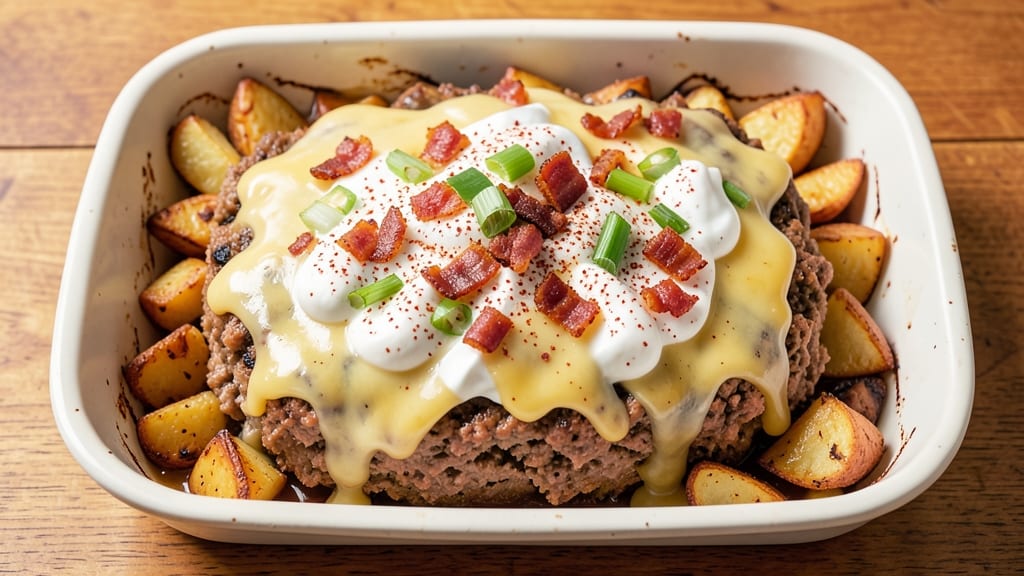
This loaded potato meatloaf casserole recipe transforms a classic comfort dish into a one-pan masterpiece that combines savory meatloaf, creamy potatoes, and all the fixings you love.
The secret lies in layering flavors—juicy meatloaf at the bottom, tender potatoes absorbing rich gravy, and a crispy cheese topping that seals in every bite. I developed this version after years of testing, ensuring each component cooks perfectly without drying out or becoming soggy.
What sets this recipe apart is the balance of traditional techniques with modern convenience. You can use a classic meatloaf mix for simplicity or craft your own from ground beef, breadcrumbs, and seasonings.
The potato layer gets its creaminess from a blend of sour cream and cheese, while a touch of mustard adds depth. The result? A casserole so hearty and satisfying, it becomes the star of any meal.
By the time it emerges from the oven, you'll have a dish with golden-brown edges, perfectly tender meatloaf, and fluffy potatoes drenched in savory gravy. The cheese topping adds a crispy texture that contrasts beautifully with the creamy layers below.
This casserole is ideal for family dinners, potlucks, or even a cozy weeknight meal when you crave something substantial.
Optional toppings like crispy bacon bits or green onions elevate it further, but the base recipe delivers restaurant-quality results without the fuss. Ready in about 45 minutes with minimal prep, this one-pan wonder ensures dinner is on the table without the cleanup. Let's get started!
Ingredients for loaded potato meatloaf casserole
Sixteen ingredients combine for one-pan comfort food magic—no fancy skills required.
| Ingredient | Amount | Notes |
|---|---|---|
| Ground Beef 🥩 | 1 ½ lb | 80/20 fat ratio preferred |
| Yellow Onion 🧅 | 1 whole | Medium size, finely chopped |
| Garlic Cloves 🧄 | 4 cloves | Minced for meatloaf base |
| Meatloaf Mix 🍽️ | 1 box | Classic or homemade blend |
| Russet Potatoes 🥔 | 2 lb | Medium size, thinly sliced |
| Sour Cream 🥛 | 1 cup | Full-fat for creaminess |
| Shredded Cheddar Cheese 🧀 | 2 cups | Sharp variety preferred |
| Dijon Mustard 🍯 | 1 tbsp | Adds depth to flavor |
| Beef Broth 💧 | 1 ½ cups | Low-sodium preferred |
| Breadcrumbs 🍞 | ½ cup | Panko for extra crunch |
| Eggs 🥚 | 2 whole | Large size, beaten |
| Kosher Salt 🧂 | 1 ½ tsp | Adjust to taste |
| Ground Black Pepper 🌶️ | 1 tsp | Freshly ground preferred |
| Green Onions 🌱 | ¼ cup | Chopped for garnish |
| Crispy Bacon Bits 🥓 | ½ cup | Optional topping |
The ground beef is the foundation—80/20 fat ratio gives the meatloaf that perfect juicy texture. I always grab mine from Costco for bulk, but any supermarket brand works. Medium yellow onion adds sweetness, so don't skip it. The garlic? Fresh is best—pre-minced jars have less punch. For the meatloaf mix, I use Store brand for simplicity, but homemade blends with breadcrumbs, egg, and seasonings work better if you've got time. The potatoes should be firm and unblemished—Russets hold up best to slicing and baking.
No meatloaf mix? Combine 1 cup breadcrumbs, 2 eggs, 1 tsp salt, and 1 tsp pepper as a substitute. Sour cream can be swapped for Greek yogurt in a pinch. The cheddar? Sharp variety melts better than mild. Short on beef broth? Chicken broth with a splash of Worcestershire works too. The green onions and bacon bits are optional but worth it—they add freshness and crunch that cuts through the richness. For extra flavor, I sometimes add a dash of smoked paprika to the meatloaf layer.
This casserole reheats beautifully—best the next day when flavors meld. Keeps in the fridge for 4-5 days covered tightly, or freeze portions for up to 3 months. I always make a double batch because it disappears fast. The cheese topping gets crispy, so watch it in the last 5 minutes. Serve straight from the oven with a side salad or roasted veggies for balance.
Why You'll Love This Recipe
- One-Pan Magic: I swear by this—just toss everything in a sheet pan, bake, and walk away. No chopping boards, no extra bowls, no stress. The onions caramelize right alongside the meat and potatoes, and honestly? That’s my kind of cooking.
- Garlic-Potato Euphoria: The moment the creamy potatoes meet the savory beef and that garlic-infused meatloaf mix? Pure comfort food bliss. It’s like a hug in casserole form—rich, herby, and just salty enough to make you reach for another bite.
- Leftovers That Don’t Suck: Between us, most casseroles turn into sad, dry leftovers. Not this one. The potatoes stay tender, the meat stays juicy, and the cheese (if you add it) melts into a gooey cloud. I’ve reheated this for days, and it’s still the star of my lunch.
- Budget-Friendly Crowd-Pleaser: Ground beef and russets are cheap, but this feels like a fancy dinner. Feed six people for the price of takeout, and everyone—even the picky eaters—will ask for seconds. (Yes, even on a Tuesday night.)
Step-by-step instructions for loaded potato meatloaf casserole
Here's how to assemble this comforting, one-pan masterpiece with layers of flavor and texture.
Prepare the Meatloaf Base
Preheat your oven to 375°F and grease a 9x13-inch baking dish with nonstick spray. In a large bowl, combine the 1.5 lb ground beef, 1 box meatloaf mix, 0.5 cup breadcrumbs, 2 whole eggs, 1 tbsp Dijon mustard, 1.5 tsp kosher salt, and 1 tsp ground black pepper. Mix gently with your hands until just combined—don't overwork or the meat will become dense.
Add the 1 whole yellow onion (finely chopped) and 4 cloves garlic (minced) to the mixture. Fold them in evenly, then spread the meat mixture into the prepared baking dish, pressing down lightly to create an even layer. This base will form the hearty foundation of your casserole.
Layer the Potato Mixture
In a medium bowl, combine the 2 lb russet potatoes (thinly sliced), 1.5 cups beef broth, and 1 cup sour cream. Toss gently until the potatoes are evenly coated. Spread this mixture evenly over the meatloaf base in the baking dish, creating a second layer that will absorb all the savory flavors as it bakes.
Sprinkle 2 cups shredded cheddar cheese evenly over the potato layer. The cheese will melt into a creamy blanket, binding everything together. For extra flavor, scatter the 0.5 cup crispy bacon bits evenly over the cheese. This step is where the casserole starts to come together—each layer working in harmony.
Bake Until Golden and Bubbly
Cover the baking dish tightly with aluminum foil and bake for 45 minutes. After this initial baking time, remove the foil and continue baking for another 20-25 minutes until the top is golden brown and the edges are bubbling. The casserole is ready when the cheese is fully melted and the potatoes are tender enough to pierce easily with a fork.
If the top starts to brown too quickly, tent it loosely with foil to prevent over-browning while still allowing steam to escape. The internal temperature should reach 165°F when checked in the thickest part of the meatloaf layer. This ensures both the meat and potatoes are fully cooked and safe to eat.
Rest and Garnish
Remove the casserole from the oven and let it rest for 10 minutes before serving. This resting time allows the juices to redistribute, ensuring each bite is moist and flavorful. While it rests, chop the 0.25 cup green onions and sprinkle them evenly over the top for a fresh finish.
Serve warm with a side of steamed green beans or a simple garden salad. The combination of tender meatloaf, creamy potatoes, and crispy bacon bits creates a satisfying, hearty meal that's perfect for family dinners or meal prep. Leftovers keep well in the refrigerator for up to 4 days—just reheat in the oven at 350°F until warmed through.
Pro Tips For Making Loaded Potato Meatloaf Casserole
- Brown the Beef First: Skip the raw meatloaf mix straight into the dish—it’ll turn mushy. Cook the ground beef with onion and garlic until it’s fully browned (not just pink), then mix in the dry ingredients. This step builds flavor and keeps the texture firm when baked.
- Parboil, Don’t Microwave: Russets straight from the fridge into the oven? They’ll steam instead of crisp. Boil them whole for 5–7 minutes first, then drain and slice—this guarantees they’ll soften evenly without turning to glue. (Yes, even if you’re impatient like me.)
- Bake Covered, Then Uncover: The first 30 minutes with foil traps steam for tender potatoes, but the last 15 minutes uncovered lets the top crisp. I learned this the hard way—soggy tops ruin the whole dish. Use a loose tent, not a tight seal.
- Add Cheese Late: Sprinkle shredded cheese (cheddar, Monterey Jack, or pepper jack) only in the last 10 minutes. Too early, and it melts into a greasy mess. Too late, and it burns. This is the non-negotiable step for that perfect gooey finish.
Common mistakes when making this recipe
Overmixing the Meatloaf
I’ve ruined more meatloaves than I’ll admit by overworking the mixture, and this casserole is no exception. When combining the ground beef, breadcrumbs, and eggs, mix just until everything comes together—no more than 10-12 strokes with your hands.
Overmixing develops gluten in the breadcrumbs, which creates a dense, rubbery texture instead of the tender, juicy base you want. The goal is to distribute ingredients evenly without compacting the meat. 🥩
Skipping the Resting Time
After baking, I used to rush straight to serving, but that’s a mistake. Letting the casserole rest for 10-15 minutes before slicing allows the juices to redistribute, especially in the meatloaf layer. Skipping this step means the first few bites will be dry, while the rest remains moist.
Think of it like resting a steak—patience pays off with juicier results. The cheese topping also firms up slightly during this time, making it easier to slice cleanly.
Uneven Potato Slicing
Thinly sliced potatoes cook faster and more evenly, but I’ve seen too many casseroles where some slices stay rock-hard while others turn mushy. Use a mandoline slicer for consistency, or hand-slice with a sharp knife to ¼-inch thickness.
If you’re short on time, microwave the potatoes for 3-4 minutes before layering—they’ll cook more uniformly in the oven. Uneven slices lead to uneven doneness, and nobody wants a casserole with a "potato lottery" texture.
Adding Cheese Too Early
Cheese is the star of this casserole, but adding it too soon can make the top soggy. Sprinkle the shredded cheddar directly over the potato layer after the initial 45-minute bake, not before. This ensures the cheese melts into a creamy blanket rather than steaming and turning clumpy.
For extra crispiness, broil for 2-3 minutes at the end, but watch it like a hawk—burned cheese is the fastest way to ruin a perfect casserole. 🧀
Ignoring the Foil Cover
The foil cover during the first 45 minutes of baking is non-negotiable. Without it, the top layer of potatoes and cheese will dry out before the meatloaf and potatoes cook through. Tenting with foil traps steam, ensuring even cooking and preventing the edges from browning too quickly.
After removing the foil, the casserole needs that final 20-25 minutes to develop a golden, bubbly crust. Skipping this step leaves you with a dry, uneven mess.
Overfilling the Baking Dish
A 9x13-inch baking dish is ideal for this recipe, but I’ve seen home cooks cram too much into a smaller dish, leading to overflow and uneven baking. Fill the dish no more than ¾ full—this allows the casserole to expand slightly without spilling over.
If you’re making a double batch, use a 10x15-inch dish or bake in two 9x9-inch pans instead. Overfilling also traps too much steam, which can make the meatloaf layer soggy. Trust the measurements—this casserole is designed to fit perfectly in that pan! ⚡
Nutrition facts
Frequently asked questions
Can I make this casserole ahead of time?
This dish actually tastes better the next day as flavors meld. Assemble it completely, then refrigerate uncovered for 24 hours before baking. For longer storage, cover tightly and refrigerate for up to 4 days. To reheat, bake at 350°F for 20-25 minutes until heated through. You can also freeze portions for 3 months—thaw overnight in the fridge before reheating.
What if I don't have a meatloaf mix?
No problem! Make your own by combining 1 cup breadcrumbs, 2 eggs, 1 tsp salt, 1 tsp pepper, and ½ cup milk. Mix with the ground beef for a homemade version with better texture. This swap adds extra moisture and crumbly texture that store-bought mixes sometimes lack.
Can I use sweet potatoes instead of russets?
While russet potatoes work best for their fluffy texture, you can substitute 2 cups diced sweet potatoes (about 1 lb) that have been parboiled for 5 minutes. Drain well and pat dry before layering. Sweet potatoes will add natural sweetness and vibrant color, though the texture will be slightly denser. Reduce the beef broth by ¼ cup to account for their moisture content.
Why did my casserole turn out dry?
Dryness usually comes from overbaking or skipping key steps. First, ensure you're not exceeding the 65-70 minute total bake time. Second, always cover with foil for the first 45 minutes to trap steam. Finally, let it rest 10-15 minutes before serving—this redistributes juices. For extra moisture, add 2 tbsp sour cream to the potato layer or sprinkle 1 tbsp beef broth on top before baking.
What's the best way to serve this casserole?
This hearty dish pairs perfectly with simple sides like steamed green beans, a crisp salad, or roasted Brussels sprouts. For extra indulgence, serve with warm dinner rolls or crusty bread to soak up the savory gravy. It's also fantastic for meal prep—portion into individual servings and reheat for quick lunches. The flavors improve with time, making it ideal for holiday gatherings or family dinners.