
Side Dishes
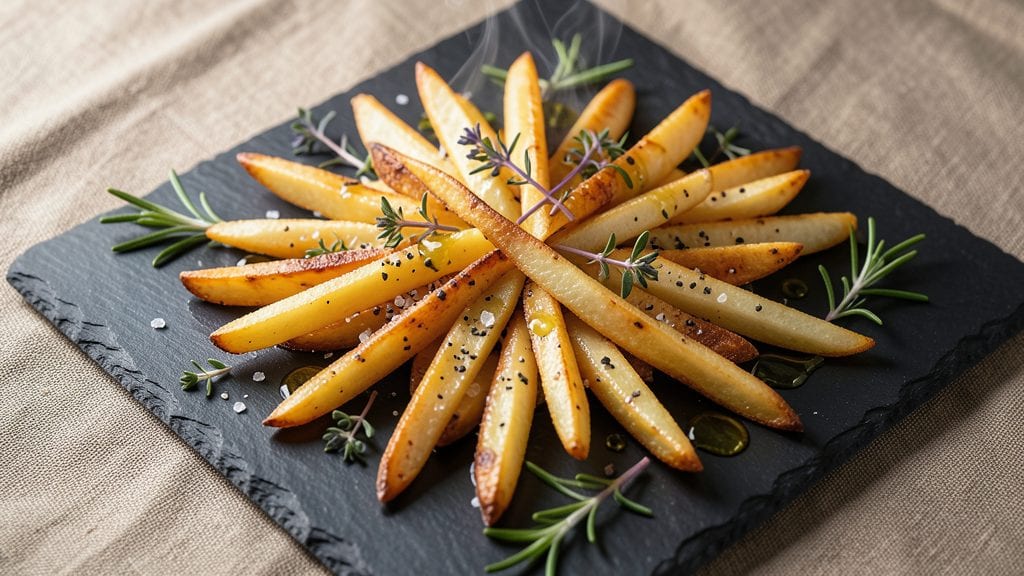
Creating perfectly uniform julienne potatoes transforms any dish from ordinary to extraordinary with their delicate, crisp edges and tender centers. This herb-infused roast method delivers restaurant-quality results that work as a stand-alone side or elevate salads and stir-fries.
The secret lies in precise cutting and controlled roasting—no guesswork, just consistent bites every time.
What sets this recipe apart is the balance of texture and flavor: crispy exterior meets herb-infused tenderness, achieved through a simple yet precise technique. You'll need just 5 key ingredients and 30 minutes of active time, making it ideal for weeknight meals or meal prep.
The uniform cuts ensure even cooking, while the herb blend adds aromatic depth that pairs beautifully with grilled meats or fresh greens.
By following this method, you'll end up with golden, perfectly uniform julienne potatoes that stay crisp at the edges while remaining tender inside. The herb infusion creates a subtle yet sophisticated flavor that elevates any dish.
Whether serving as a side, salad topping, or stir-fry component, these potatoes deliver professional results with minimal effort.
This recipe works equally well as a standalone side or as part of a larger meal. The versatility makes it perfect for everything from casual dinners to elegant gatherings. Let's get started on creating your own batch of perfectly roasted julienne potatoes.
Ingredients for julienne potatoes
Five essential ingredients deliver perfectly uniform julienne potatoes with crisp edges and herb-infused tenderness.
| Ingredient | Amount | Notes |
|---|---|---|
| Russet Potatoes 🥔 | 2 lb | Uniform size, peeled and cut into 1/8-inch julienne strips |
| Extra-Virgin Olive Oil 🫒 | ¼ cup | High-quality, light variety for crisp edges |
| Fresh Rosemary 🌿 | ½ tsp | Finely chopped, organic preferred |
| Fresh Thyme 🌿 | ½ tsp | Leaves only, stems removed |
| Diamond Crystal Kosher Salt 🧂 | 1 ½ tsp | Fine grain for even distribution |
| Freshly Ground Black Pepper 🌶️ | ½ tsp | Cracked peppercorns preferred |
| Garlic Cloves 🧄 | 2 cloves | Minced, for herb blend |
The russet potatoes are non-negotiable for this technique—their high starch content ensures crispy edges while maintaining tender centers. Buy a 2-pound bag from Whole Foods or your local market, ensuring uniform size for consistent julienne cuts. Organic potatoes have slightly better texture, but conventional works fine. The key is even 1/8-inch strips—use a mandoline for precision, or a sharp chef's knife if you prefer hand-cutting. Freshness matters: potatoes should feel firm with no soft spots, and the skin should be smooth without blemishes. For best results, store them in a cool, dark place until ready to use.
Substitutions must preserve the herb-forward flavor profile. Fresh rosemary and thyme are ideal, but dried works at half the quantity—though texture will differ slightly. Need to skip garlic? Asafoetida powder at 1/4 tsp mimics its depth. Olive oil alternatives include avocado oil (similar smoke point) or grapeseed oil (neutral flavor). For salt, Maldon flaky sea salt adds visual appeal, though kosher remains the standard. The pepper should be freshly ground—pre-ground loses potency quickly. If you're short on time, pre-cut frozen julienne potatoes work, though texture won't be identical.
Prepped potatoes should be tossed immediately with oil, herbs, and salt to prevent browning. Store in an airtight container lined with parchment paper for up to 24 hours before roasting—this allows flavors to meld. For longer storage, freeze the cut potatoes (uncooked) in a single layer on a tray before transferring to a bag for up to 3 months. Once roasted, these potatoes reheat beautifully: spread on a baking sheet at 375°F for 5-7 minutes to restore crispness. Portion into containers for meal prep, keeping them separated to maintain texture.
Why You'll Love This Recipe
- One-Pan Magic: I swear by this recipe when I’m too tired to scrub dishes—just slice, toss, and roast. The potatoes crisp up perfectly without sticking, and you’re left with one pan to clean. (Yes, even on a Tuesday night.)
- Herb-Packed Crunch: That first bite? Crispy edges with tender centers, kissed by rosemary and thyme so fragrant it smells like a French bistro. Honestly, the olive oil does all the work—just let it soak in while you slice.
- Meal Prep MVP: I make a double batch on Sundays because these reheat like a dream—crispy again, no soggy bits. Pack them for lunches, toss them into salads, or serve them alongside grilled chicken. They’re my go-to for lazy days.
- Budget-Friendly Staple: Russets are cheap, and this recipe stretches them far. A single bag feeds my family for days, and the herbs add flavor without breaking the bank. Between us, this is how I feed four kids without going broke.
Step-by-step instructions for herb-infused roast julienne potatoes
Achieving perfectly uniform, crisp-edged julienne potatoes requires precision in prep and control during roasting. Here's how to deliver restaurant-quality results every time.
Prepare the Potatoes for Even Cooking
Begin by cutting the 2 lb Russet Potatoes into uniform 1/8-inch julienne strips using a mandoline or sharp chef's knife. Precision matters here—each strip should be identical in thickness for even cooking. Arrange the strips on a baking sheet and toss gently with 1 teaspoon of the 1.5 teaspoons Diamond Crystal Kosher Salt to prevent browning while you work.
Spread the julienne strips in a single layer on the baking sheet, ensuring they don't overlap. This prevents steaming and guarantees crisp edges. Let them rest at room temperature for 15 minutes before roasting. The potatoes will develop a better texture when they start cooking at room temperature rather than cold.
Create the Herb Oil Infusion
In a small bowl, combine the 0.25 cup Extra-Virgin Olive Oil, 0.5 teaspoon Fresh Rosemary, 0.5 teaspoon Fresh Thyme, 2 minced Garlic Cloves, 0.5 teaspoon Freshly Ground Black Pepper, and the remaining 0.5 teaspoon Diamond Crystal Kosher Salt. Whisk vigorously until fully emulsified—this creates a flavorful base that will coat every potato strip.
Here's the thing—using high-quality olive oil makes a noticeable difference. The light variety recommended ensures it won't overpower the delicate herb flavors while still providing the ideal medium for crisping. Let this mixture sit for 5 minutes to allow the aromatics to meld together before tossing with the potatoes.
Toss and Arrange for Maximum Crispiness
Remove the potatoes from the baking sheet and transfer them to a large mixing bowl. Pour the herb oil mixture over the potatoes and toss gently but thoroughly using your hands or a silicone spatula. You want each strip coated evenly with the oil—this ensures consistent browning and flavor distribution.
Return the potatoes to the baking sheet and arrange them in a single layer once more, maintaining even spacing. The goal is to maximize surface area exposure to the hot air. If any strips overlap, they'll steam rather than crisp. Preheat your oven to 425°F while you work—this high temperature is crucial for developing those perfect crisp edges.
Roast to Golden Perfection
Place the baking sheet on the middle rack of your preheated oven. Roast the potatoes for 25-30 minutes, stirring once halfway through the cooking time at the 15-minute mark. This mid-cook agitation prevents burning and promotes even browning on all sides.
You'll know they're ready when the edges are deep golden brown and the potatoes are tender when pierced with a fork. The internal temperature should reach 205°F—this ensures they're fully cooked without becoming mushy. If they brown too quickly, tent the sheet with foil for the final 5 minutes to prevent over-browning while they finish cooking.
Rest and Serve Immediately
Remove the potatoes from the oven and transfer them to a serving platter. Let them rest for 3-5 minutes before serving. This brief resting period allows the residual heat to finish cooking the centers while preventing a temperature shock when they hit your plate.
The result should be julienne potatoes with crisp, caramelized edges and tender interiors, infused with aromatic herbs. Serve immediately while still warm for the best texture contrast. These potatoes make an excellent side dish for grilled proteins or can be served as a vegetarian main course with a drizzle of additional herb oil.
Pro Tips For Making Julienne Potatoes
- USE A HOT PAN: Russets need serious heat to crisp properly—get that pan screaming hot for 2-3 minutes before adding the oil. I used to rush this, and my juliennes would just steam instead of develop that golden, shatter-y crust. Trust me, your patience here makes all the difference.
- SALT THE WATER LIKE THE SEA: Diamond Crystal kosher salt is lighter than table salt, so don’t eyeball it—aim for 1½ tablespoons per quart of water. Too little and the potatoes taste bland; too much and they’ll turn mushy. Taste a raw slice first—if it’s salty, you’re good.
- DON’T SKIP THE DRYING: Pat those juliennes thoroughly with a kitchen towel after boiling—wet potatoes steam instead of brown. I learned this after making a batch that came out sad and pale. Five extra minutes with a towel now saves you 10 minutes of disappointment later.
- TOSS WITH HERBS AT THE END: Fresh rosemary and thyme burn fast—wait until the last 30 seconds of cooking to sprinkle them in. Toss the potatoes gently in the pan so they coat evenly, then let them sit for a minute so the oils mingle. This keeps the herbs fragrant, not bitter.
Storing and reheating this julienne potatoes
Refrigerator Storage
Store freshly cut, uncooked julienne potatoes in an airtight container lined with parchment paper for up to 24 hours before roasting. The paper prevents sticking and helps maintain texture.
Keep them refrigerated at 40°F or below—this slows starch conversion, preserving crispness when cooked later. I like using glass Pyrex containers for easy reheating. 🥔
Freezer Prep for Later
For longer storage, freeze the cut potatoes in a single layer on a baking sheet for 2 hours before transferring to a freezer bag. This prevents clumping.
Label with the date—they'll keep for 3 months without significant texture loss. Thaw completely in the fridge overnight before roasting for best results.
Reheating Roasted Potatoes
To restore crispness, spread cooled roasted potatoes on a baking sheet and bake at 375°F for 5-7 minutes. The high heat re-crispifies the edges while warming through.
For microwave reheating, cover with a damp paper towel and heat at 50% power for 1-2 minutes, then finish in the oven for crispiness.
Meal Prep Strategy
Divide roasted potatoes into portion-sized containers with parchment paper between layers. This prevents sogginess during storage. Reheat individual portions directly from the container at 350°F for 8-10 minutes. The paper barrier keeps them crisp longer than plastic containers would.
Texture Preservation
Never store roasted potatoes in sealed containers with moisture—they'll lose crispness. Instead, use breathable containers or wrap loosely in foil. For extra protection, sprinkle with 1/4 teaspoon cornstarch before storing to absorb any excess moisture during reheating. 💡
Flavor Retention Tips
If storing for more than 2 days, add a fresh pinch of salt and pepper before reheating to revive flavors. The aromatic herbs lose potency over time, so a quick toss with 1 teaspoon fresh lemon juice before serving brightens the dish.
This works especially well for meal prep lunches.
Nutrition facts
Frequently asked questions
What's the best way to cut julienne potatoes for even cooking?
Use a mandoline slicer set to 1/8-inch thickness for perfectly uniform strips. If hand-cutting, wrap the potato in plastic wrap first to prevent slipping. Always cut lengthwise along the grain for cleaner edges. For extra precision, freeze the potato for 30 minutes before slicing—it holds its shape better.
Can I make these julienne potatoes ahead of time?
Yes! Store freshly cut, uncooked potatoes in an airtight container with parchment paper for up to 24 hours in the fridge. For longer storage, freeze them in a single layer for 3 months. Thaw completely before roasting. Roasted potatoes reheat best at 375°F for 5-7 minutes to restore crispness.
Why do my julienne potatoes turn out mushy instead of crisp?
This usually happens from overlapping strips (steaming instead of crisping) or undercooking. Always arrange potatoes in a single layer with space between each strip. Check doneness with a fork—205°F internal temp ensures perfect texture. For extra crispiness, roast at 425°F and stir once halfway through.
What are the best ways to serve these potatoes?
These versatile julienne potatoes work as a side for grilled meats, a topping for salads, or even as a vegetarian main with a drizzle of herb oil. Try serving them with seared scallops or alongside roasted chicken. For extra flair, garnish with chopped parsley or a sprinkle of Maldon sea salt before serving.
Can I substitute other herbs in this recipe?
Swap rosemary and thyme for dried oregano (use half the amount) or fresh dill for a different flavor profile. For a Mediterranean twist, add 1/2 tsp dried basil and a pinch of red pepper flakes. The key is balancing herbs so they complement rather than overpower the potatoes' natural flavor.