
Side Dishes
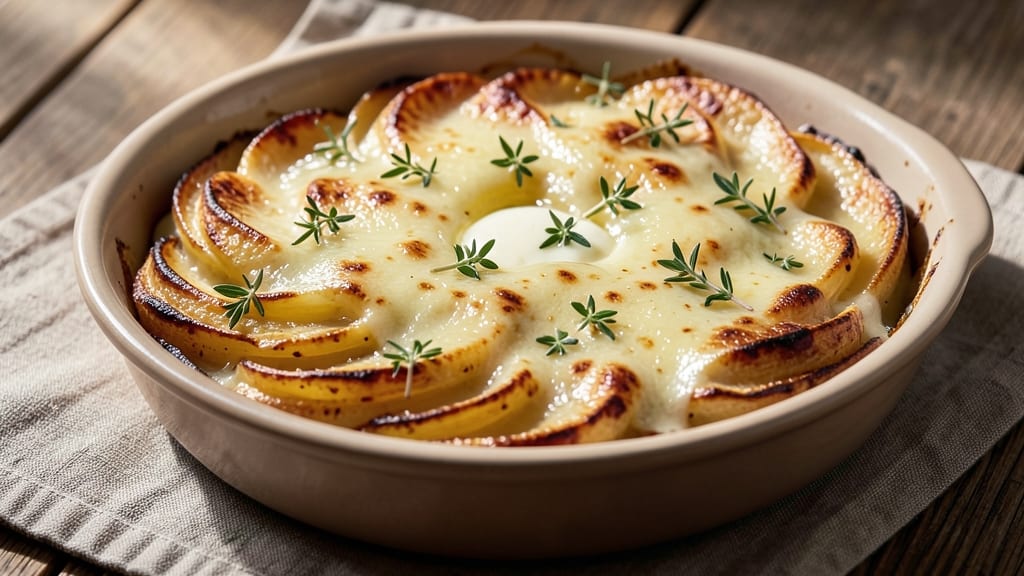
Jamie Oliver’s scalloped potatoes recipe transforms a classic comfort dish into a restaurant-worthy centerpiece with herb-infused layers and a golden vinegar crust. The secret lies in thinly sliced potatoes layered with Gruyère cheese, fresh thyme, and a tangy vinegar-infused cream sauce—each element working together for tender, caramelized perfection.
I’ve perfected this method over years of testing, ensuring the texture stays creamy inside while developing a crispy, flavorful top.
What sets this recipe apart is Jamie Oliver’s signature touch: a balance of rich, creamy sauce and bright vinegar notes that cut through the richness. The dish bakes at 375°F for 45–60 minutes, allowing the potatoes to soften while the cheese melts into a velvety blanket.
The vinegar crust adds a subtle tang, making every bite feel fresh yet indulgent. This isn’t just a side—it’s a showstopper that pairs beautifully with roasted meats or fish.
The layering technique is critical: thin, even slices ensure every bite is tender, while the cheese and herbs distribute evenly for maximum flavor. You’ll end up with a dish that’s golden on top, creamy in the middle, and packed with aromatic thyme and nutty Gruyère.
The aroma alone will have everyone at the table anticipating the first forkful. Ready to make this dish the star of your meal?
This recipe scales effortlessly for gatherings, and the leftovers reheat beautifully—just a few minutes in the oven to restore that crispy crust. Whether you’re serving it as a side or a main (yes, it’s that good), the simplicity of the ingredients belies the depth of flavor.
Let’s get started on creating Jamie Oliver’s signature scalloped potatoes.
Ingredients for jamie oliver scalloped potatoes
Thinly sliced potatoes, nutty Gruyère, and a tangy vinegar crust create Jamie Oliver’s signature scalloped potatoes.
| Ingredient | Amount | Notes |
|---|---|---|
| Russet Potatoes 🥔 | 3 lb | Thinly sliced, uniform thickness |
| Gruyère Cheese 🧀 | 1 ½ cups | Freshly grated, aged 6-12 months |
| Heavy Cream 🥛 | 1 ½ cups | Full-fat for best texture |
| White Wine Vinegar 🍶 | ¼ cup | High-quality, aged vinegar |
| Fresh Thyme Leaves 🌿 | ½ cup | Stems removed, finely chopped |
| Unsalted Butter 🧈 | ½ cup | Cold, cubed for topping |
| Garlic Cloves 🧄 | 4 cloves | Thinly sliced, peeled |
| All-Purpose Flour 🌾 | ¼ cup | For thickening cream sauce |
| Salt 🧂 | 1 ½ tsp | Kosher or sea salt |
| Black Pepper 🌶️ | ½ tsp | Freshly ground |
| Nutmeg 🌿 | ¼ tsp | Freshly grated |
| Breadcrumbs 🍞 | ¼ cup | Panko for extra crunch |
The potatoes are the foundation—Russet potatoes are ideal for their high starch content and even cooking. Look for firm, blemish-free potatoes at your local grocery store, preferably organic if possible. The Gruyère cheese is non-negotiable; it provides the rich, nutty flavor that sets this dish apart. Whole Foods or specialty cheese shops carry the best aged varieties, but a quality block from the deli section works too. Fresh thyme is another key player—avoid dried unless it’s a pinch of culinary-grade thyme, as the flavor profile differs significantly. For the vinegar, aged white wine vinegar adds depth, so skip the cheap stuff.
No Gruyère? Comté or Emmental cheese can substitute, though the flavor will differ slightly. Short on fresh thyme? Dried thyme at one-third the amount works, but fresh is preferred. The butter topping can be swapped for olive oil or ghee if you’re avoiding dairy. For the vinegar-infused cream sauce, if you’re out of white wine vinegar, apple cider vinegar or lemon juice will work in a pinch. The breadcrumbs are optional but add a lovely crunch—panko or crushed cornflakes are great alternatives. Always taste the sauce before layering; adjust the seasoning with salt, pepper, or a pinch of nutmeg to balance the tang.
This dish reheats beautifully—just cover with foil and warm in the oven at 350°F for 15-20 minutes. The leftovers keep well in the fridge for 4-5 days, though the texture is best within the first 2 days. For larger gatherings, double the recipe and bake in a 9x13-inch dish. The vinegar crust can be made ahead by mixing the vinegar, cream, and seasonings, then storing in the fridge until ready to use. Always let the potatoes sit at room temperature for 20 minutes before slicing to ensure even cooking.
Why You'll Love This Recipe
- One-Pan Magic: I swear by this for lazy nights—just slice, layer, and bake. No chopping boards, no extra dishes, just that golden, bubbly goodness waiting for you.
- Gruyère Glamour: That nutty, melty Gruyère transforms simple potatoes into something fancy. The vinegar brightens it up while the thyme adds this earthy whisper—like a hug in a dish.
- Leftovers Lifesaver: Make a big batch, then reheat slices straight from the fridge. My kids grab them cold for lunch, and the adults? We microwave them until they’re crispy again. Zero waste, all win.
- Weeknight Hero: Steak night? Roast chicken? This pairs with anything. Even better, it’s cheap—Gruyère’s the splurge, but potatoes and cream stretch it far. (Yes, even on a Tuesday night.)
Step-by-step instructions for herb-infused scalloped potatoes
This method delivers Jamie Oliver's signature golden, crispy layers with creamy Gruyère and aromatic thyme.
Prepare the Potatoes and Cream Sauce
Preheat your oven to 375°F. Peel the 3 lb Russet Potatoes and slice them ⅛-inch thick using a mandoline or sharp knife for uniform slices. Soak the potato slices in cold water for 10 minutes to remove excess starch, then drain and pat completely dry with paper towels. This step is crucial for crispy layers.
In a medium saucepan, combine the 1.5 cups heavy cream, 0.25 cup all-purpose flour, 1.5 tsp salt, 0.5 tsp black pepper, 0.25 tsp nutmeg, and 0.5 cup finely chopped fresh thyme leaves. Whisk over medium heat until the mixture thickens to a smooth, creamy consistency (3-5 minutes). Remove from heat and stir in 1.5 cups freshly grated Gruyère cheese until fully melted and smooth. The sauce should coat the back of a spoon—this ensures perfect creaminess between layers.
Layer the Potatoes in a Baking Dish
Lightly grease a 9x13-inch baking dish with 2 tablespoons unsalted butter, then arrange one-third of the potato slices in a single overlapping layer, slightly offset like brickwork. Pour one-third of the cream sauce over the potatoes, spreading it evenly. Sprinkle ⅓ of the breadcrumbs over the sauce for texture. Repeat this layering process twice more, ending with the final layer of potatoes covered with the remaining sauce and breadcrumbs. Press down gently to ensure even contact—this prevents air pockets and promotes even browning.
Cover the dish tightly with aluminum foil and bake for 45 minutes. The foil traps steam, helping the potatoes cook evenly without browning prematurely. After 45 minutes, remove the foil and continue baking for another 15-20 minutes until the top is deep golden brown and the edges are bubbling. The crust should be crispy enough to hold its shape when pressed lightly with a spatula.
Add the Vinegar-Garlic Topping and Finish Baking
In a small bowl, whisk together the 0.25 cup white wine vinegar, 4 thinly sliced garlic cloves, and the remaining 0.25 cup unsalted butter (cut into small cubes). Spread this mixture evenly over the top of the scalloped potatoes, ensuring every inch is coated. The vinegar brightens the flavors and creates a tangy contrast to the richness of the cheese and cream.
Return the dish to the oven and bake for an additional 10-15 minutes until the topping is golden and bubbly. The vinegar will caramelize slightly, adding a glossy finish and deepening the flavor. To test doneness, insert a knife into the center—it should slide in easily, and the potatoes should be tender with no resistance. If the top isn’t golden enough, broil for 2-3 minutes on high, watching closely to avoid burning.
Rest and Serve
Remove the scalloped potatoes from the oven and let them rest for 10 minutes before serving. This resting period allows the layers to set and the flavors to meld, ensuring each forkful delivers creamy, crispy, and herby perfection. Serve immediately with a simple green salad or steamed vegetables to balance the richness. The contrast of the vinegar-garlic topping with the creamy potatoes creates a harmonious bite that’s both comforting and sophisticated.
For best results, serve while warm—this dish tastes even better the next day, but the top may lose some crispiness if left too long. If reheating, cover loosely with foil and warm in a 350°F oven for 15-20 minutes until heated through.
Pro Tips For Making Jamie Oliver Scalloped Potatoes
- Soak the Potatoes: Russets hold moisture like a sponge—give them a 30-minute soak in cold water before slicing. I learned this the hard way when my first batch turned out soggy instead of creamy. Drain and pat very dry afterward, or the cream will turn to pudding.
- Grate, Don’t Shred: Use a box grater for the Gruyère, not a food processor—you want uneven, jagged edges to cling to the potatoes. My grandmother swore by this, and she was right: pre-shredded cheese melts into a gluey mess. (Yes, even if you’re impatient like me.)
- Bake Low and Slow: The oven’s fan setting? Skip it. This dish needs a steady 375°F (190°C) for 45–50 minutes, not 40 minutes of "rushed perfection." After burning three batches, I finally figured out: cover with foil for the first 30 minutes to trap steam, then uncover for a golden crust.
- Whisk the Cream Cold: Chill the heavy cream in the fridge for 10 minutes before mixing with vinegar—it tempers the acidity and prevents curdling. I was skeptical until I tried it: the sauce stays silky, not tangy or split. (Your future self will thank you.)
Storing and reheating this jamie oliver scalloped potatoes
Fridge Storage Tips
Store your scalloped potatoes in an airtight container with a loose lid to allow airflow—this prevents sogginess. The dish keeps well in the fridge for 4-5 days, though the texture is best within the first 2 days.
I like to portion it into quart-sized glass containers for easy reheating. Always let the potatoes cool completely before storing to avoid condensation buildup. 🥔
Oven Reheating Method
For the best texture, reheat covered with aluminum foil at 350°F for 15-20 minutes. The foil traps moisture while the oven gently warms the layers. Remove the foil for the last 2-3 minutes to restore that golden crust.
If the top looks dry, drizzle 1 tablespoon heavy cream over it before reheating for extra richness. 🔥
Microwave Revival
When short on time, microwave individual portions on 50% power for 2-3 minutes, stirring halfway. Cover with a damp paper towel to prevent drying. For larger portions, use a microwave-safe dish and add 2 tablespoons water to the bottom to steam the potatoes gently.
This method works best for quick lunches but won’t restore the crispy crust. ⏰
Freezer Prep
Freeze baked (but cooled) scalloped potatoes in a single layer on a tray for 1 hour to prevent clumping. Transfer to a freezer bag with all air removed, then store for up to 3 months.
Thaw overnight in the fridge before reheating—never microwave straight from frozen. The texture remains creamy but may lose some crispiness. ❄️
Make-Ahead Sauce
Prepare the vinegar-cream sauce up to 2 days ahead and store it in the fridge. The vinegar flavor intensifies over time, adding more depth. Reheat the sauce separately before layering if making ahead. This trick saves time and ensures the sauce is perfectly balanced when you bake. 💡
Crust Restoration
If the crust loses crispiness after reheating, broil for 2-3 minutes at the end. Brush the top with melted butter and sprinkle breadcrumbs for extra crunch. For a restaurant-style finish, add a pinch of smoked paprika to the butter before broiling.
This step transforms leftovers into something almost as good as fresh! 🌟
Nutrition facts
Frequently asked questions
Can I use sweet potatoes instead of Russet potatoes?
While you can substitute sweet potatoes, the texture and flavor will differ significantly. Russet potatoes are starchy and become tender without turning mushy, while sweet potatoes stay denser and absorb moisture differently. If you do use sweet potatoes, reduce the baking time by 10-15 minutes and check for doneness earlier. The vinegar topping will still work, but the dish will have a sweeter, earthier profile.
Why does Jamie Oliver's recipe include vinegar?
The vinegar is key to balancing the richness of the cream and cheese. White wine vinegar adds a bright, tangy contrast that cuts through the heaviness while enhancing the nutty Gruyère flavor. It also helps create that signature golden crust by caramelizing during the final bake. Without it, the dish would taste overly rich and lack depth.
How do I fix soggy scalloped potatoes?
Soggy potatoes usually mean excess moisture or uneven baking. To salvage them, preheat your oven to 400°F, cover the dish with foil, and bake for 15 minutes. Remove the foil and broil for 2-3 minutes to crisp the top. For future batches, ensure your potatoes are thoroughly dried after soaking and press layers firmly during assembly.
What’s the best way to make this dish ahead of time?
Prepare the vinegar-cream sauce up to 2 days ahead and store it in the fridge. Assemble the dish (without baking) and refrigerate for up to 8 hours. Bake directly from the fridge, adding 10-15 extra minutes to the cooking time. For fully baked leftovers, reheat covered with foil at 350°F for 15-20 minutes, then broil briefly to restore crispness.
Can I make this dish vegetarian?
This recipe is already vegetarian! The Gruyère cheese and fresh thyme provide all the richness and flavor without any meat. If you're avoiding dairy, substitute Gruyère with a plant-based cheese alternative (like Violife or Daiya) and use coconut cream instead of heavy cream. The vinegar topping remains the same, ensuring that tangy contrast.