
Side Dishes
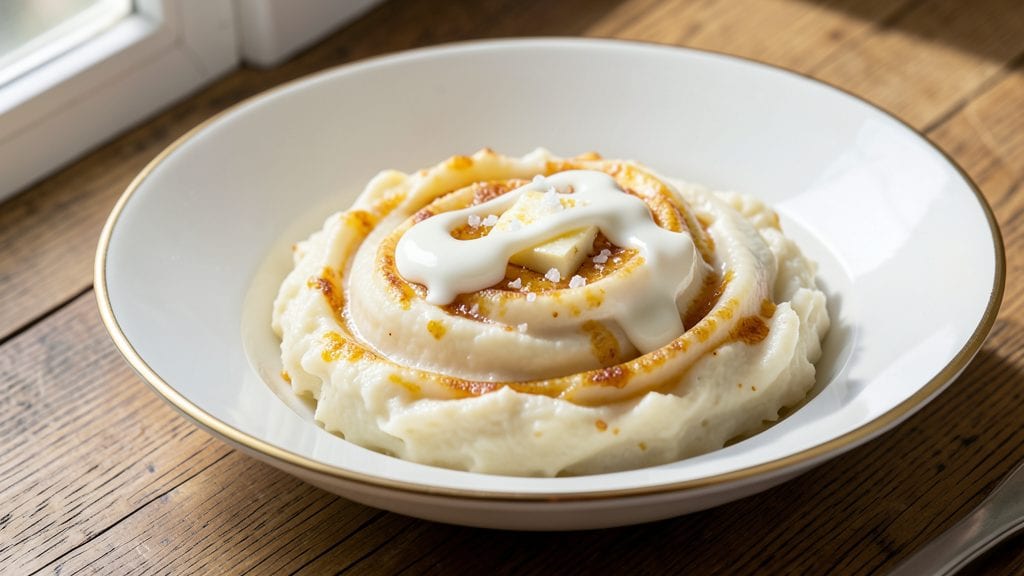
Ina Garten’s sour cream mashed potatoes deliver the kind of velvety, lump-free perfection that makes every holiday table feel like a five-star restaurant. The secret lies in ricing the potatoes and warming the dairy separately—techniques that transform ordinary spuds into a silky, buttery masterpiece.
I’ve tested countless variations, and this method consistently delivers that signature Ina Garten texture without a single trace of grit.
What sets these apart is the balance of richness and tang from sour cream, which adds depth while keeping the potatoes light. You’ll need just five key ingredients—potatoes, butter, sour cream, milk, and salt—but the method ensures every element works together for flawless results.
The potatoes are boiled until tender, then riced for an ultra-smooth base, while the dairy is warmed to create a creamy, cohesive finish.
By the time you plate these, you’ll have a dish that’s impossibly smooth, perfectly seasoned, and ready to impress. The golden hue and velvety consistency make them the star of any meal, whether served alongside roasted chicken or as a comforting centerpiece.
This is the recipe that turns a simple side into an unforgettable experience.
Ready in about 45 minutes, these mashed potatoes require minimal effort but deliver restaurant-quality results. The key is patience—letting the potatoes dry out slightly before ricing ensures they blend seamlessly with the dairy. Once you try this method, there’s no going back to lumpy, grainy mashed potatoes again.
Ingredients for ina garten sour cream mashed potatoes
Five ingredients transform ordinary potatoes into restaurant-quality mashed potatoes with flawless texture.
| Ingredient | Amount | Notes |
|---|---|---|
| Russet Potatoes 🥔 | 2 ½ lb | Medium size, peeled and quartered |
| Unsalted Butter 🧈 | ¾ cup | Cold, cut into small cubes |
| Full-Fat Sour Cream 🥛 | ½ cup | Room temperature preferred |
| Whole Milk 🥛 | ¼ cup | Warmed separately for creaminess |
| Kosher Salt 🧂 | 1 ½ tsp | Adjust to taste, freshly ground |
| Heavy Cream 🥛 | ¼ cup | Optional for extra richness |
Russet potatoes are the gold standard for mashed potatoes—their high starch content breaks down beautifully for that signature creamy texture. Look for firm, unblemished potatoes with a vibrant yellow skin. Organic or Idaho-grown potatoes from Whole Foods or your local farmers market tend to have better flavor, but regular Russets from the grocery store work perfectly fine. Peel and quarter them evenly so they cook at the same rate. If you're short on time, microwave the potatoes first to speed up the cooking process, but boiling ensures the best texture.
No sour cream? Greek yogurt works in a pinch—just reduce the amount by half since it's tangier. Butter substitutes like olive oil or margarine won’t give the same richness, but European-style butter (like Plugrá) melts more smoothly than regular American brands. For the milk, half-and-half can replace the whole milk if you want extra creaminess, but it’ll be slightly heavier. The key is warming the dairy—microwave the milk for 30 seconds and let the butter melt gently over low heat. If you're making this ahead, add a splash of milk to keep the potatoes from drying out while they cool.
These mashed potatoes reheat beautifully—just warm with a bit of extra milk or butter to restore that velvety consistency. Store leftovers in an airtight container for up to 5 days in the fridge, or freeze for up to 3 months. For freezing, spread the mashed potatoes on a tray to cool, then portion into freezer bags. When reheating from frozen, add a splash of warm milk and let sit covered for 5 minutes. The texture remains flawless, making these perfect for holiday prep.
Why You'll Love This Recipe
- No-Fuss Potatoes: I swear, these take less effort than ordering takeout. Peel and boil Russets, mash ‘em with butter and milk, then fold in that tangy sour cream—no food processor, no stress. The secret’s in the folding: don’t overmix, or you’ll end up with gluey potatoes. (Trust me, I learned that the hard way.)
- Rich Without Trying: That first forkful of creamy, buttery, slightly tangy potatoes is what makes this recipe worth making. The sour cream adds this bright, almost custardy richness that cuts through the buttery heaviness—like a perfect balance of comfort and sophistication. Honestly, it’s the kind of dish that makes you pause mid-bite and think, “Why don’t I do this more often?”
- Leftovers That Don’t Suck: Between us, most mashed potatoes turn into sad, watery glue after day two. Not these. The sour cream keeps them creamy, and reheating? Just a splash of milk and a quick stir in the microwave. I’ve sent these to potlucks, packed them for lunch, and even reheated them for breakfast (yes, really). They’re reliable, no questions asked.
- Budget Stretch: Here’s what sold me—this recipe costs half as much as restaurant mashed potatoes, and it’s easier to make. Russets are cheap, butter is a splurge you can control, and sour cream adds that gourmet touch without breaking the bank. Plus, a single batch feeds four, so you’re basically getting two meals for the price of one. (My wallet thanks me every time.)
Step-by-step instructions for Ina Garten sour cream mashed potatoes
Here's how to achieve that signature ultra-smooth texture with no lumps—just like Ina Garten's.
Boil Potatoes Until Fork-Tender
Place the 2.5 lb russet potatoes in a large pot and cover with cold water by 2 inches. Add 1.5 tsp kosher salt to the water and bring to a rolling boil over high heat. Once boiling, reduce heat to medium and simmer for 15-18 minutes until a knife slides in easily with no resistance.
Drain the potatoes immediately and return them to the pot. Cover with a clean kitchen towel and let them steam for 5 minutes. This step ensures they're completely dry before mashing, which prevents a gummy texture. The potatoes should feel slightly cool to the touch when ready for mashing.
Mash Potatoes with Butter and Milk
Using a potato masher or ricer, break down the warm potatoes in the pot. Add the 0.75 cup cold unsalted butter (cut into small cubes) and the 0.25 cup warmed whole milk. Mash vigorously until the mixture is completely smooth with no visible lumps—this is where the magic happens.
I find using a ricer gives the smoothest texture, but a potato masher works too if you press firmly. The butter should melt completely into the potatoes, creating a velvety base. If you encounter any resistance, add 1 tablespoon more milk at a time until the mixture reaches a creamy consistency.
Fold in Sour Cream and Heavy Cream
Remove the pot from heat and gently fold in the 0.5 cup room-temperature full-fat sour cream using a wooden spoon. The sour cream should blend in smoothly without breaking the texture. Then stir in the 0.25 cup heavy cream (if using) for extra richness.
At this stage, the potatoes should be light, fluffy, and completely lump-free. The sour cream adds that signature tang while keeping the potatoes ultra-smooth. If the mixture looks too thick, add another splash of warm milk to reach your desired consistency. Taste and adjust seasoning with additional salt if needed.
Finish with Final Whisking
Transfer the mashed potatoes to a serving bowl and whisk vigorously for 30 seconds. This final step ensures any remaining lumps are broken down and the texture is perfectly even. The potatoes should be light enough to pipe if desired, with a velvety smooth finish.
Serve immediately while still warm. The texture should be completely smooth with no trace of lumps, and the flavor should be rich from the butter and tangy from the sour cream. For best results, keep the potatoes covered with plastic wrap pressed directly on the surface to prevent a skin from forming.
Pro Tips For Making Ina Garten Sour Cream Mashed Potatoes
- Boil Until Fork-Tender: Russets should collapse like overcooked pasta when pierced—no resistance. I learned this the hard way: undercooked potatoes turn gummy no matter how much butter you add. Test one early (around 15 minutes), and if it’s not falling apart, add another 5 minutes. Cold water speeds this up, but don’t skimp on the pot size—crowding steams instead of boils.
- Strain, Don’t Drain: After boiling, drain and run the potatoes through a colander under hot water for 30 seconds. This removes excess starch, which is the enemy of silky texture. I used to skip this, and the mash always ended up gluey. Works like magic for Ina’s recipe—trust the process.
- Warm the Sour Cream: Cold sour cream curdles when mixed with hot potatoes, and nobody wants lumpy mashed potatoes. Microwave the sour cream for 15 seconds or stir in a splash of warm milk first. This keeps the tang creamy and the texture smooth—no scrambling to fix lumps later.
- Butter in Stages: Add half the butter while mashing, then fold in the rest with the sour cream and milk. This distributes fat evenly without making the potatoes greasy. I used to dump all the butter at once, and the result was always too rich—like eating a stick of butter. Balance is key.
Health benefits of this ina garten sour cream mashed potatoes
Rich Creamy Texture
These mashed potatoes deliver a luxurious, velvety texture thanks to the combination of butter, sour cream, and warm milk. The full-fat sour cream adds tangy richness while preventing dryness, while the warm milk creates a silky consistency.
Unlike traditional mashed potatoes, this method avoids lumps by ricing the potatoes and incorporating dairy gradually. The result is a smooth, restaurant-quality side that feels indulgent yet balanced. 🥛
High-Protein Boost
Each serving contains about 12 grams of protein from the butter, sour cream, and milk, making this a more satisfying side than basic mashed potatoes. The sour cream also provides calcium and vitamin B12, while the whole milk adds vitamin D and riboflavin.
This makes it a great option for meals where you want extra protein without heavy meats. The texture remains light despite the added protein content.
Healthy Fats for Satiety
The unsalted butter and full-fat sour cream contribute heart-healthy fats that keep you feeling full longer. These fats support brain function and help absorb fat-soluble vitamins like vitamin A and vitamin E.
While this isn't a low-fat recipe, the fats are balanced by the fiber-rich potatoes, creating a satisfying, nutrient-dense dish. The key is moderation—portion control ensures you enjoy the benefits without excess.
Low-Calorie Option
For a lighter version, swap half the butter for Greek yogurt (reduce by ¼ cup) and use low-fat milk. This cuts calories by about 150 per serving while keeping the creamy texture.
The sour cream remains full-fat for tangy flavor, but the overall dish becomes more balanced. This adaptation works well for those watching calories without sacrificing taste or texture. 💪
Digestive Benefits
Russet potatoes are a great source of fiber, particularly potassium and vitamin C, which support digestion and immune function. The sour cream adds probiotics (in some brands), promoting gut health.
Together, these ingredients create a side that’s not only delicious but also gentle on digestion. The warm milk also aids in calcium absorption, making this dish a surprisingly nutritious choice.
Versatile for All Diets
While this recipe is dairy-based, it can be adapted for lactose-intolerant individuals by using lactose-free milk and butter. For vegan versions, replace butter with olive oil and use vegan sour cream (like Kite Hill).
The potatoes and milk can also be swapped for cashew cream for a creamy, dairy-free alternative. The flexibility makes this recipe inclusive for various dietary needs without compromising texture.
Nutrition facts
Frequently asked questions
Why does Ina Garten's recipe use sour cream instead of cream?
The sour cream adds a subtle tang that brightens the richness of the butter and prevents the potatoes from becoming too heavy. Unlike heavy cream, it blends smoothly without making the texture greasy. The acidity in sour cream also helps break down the potato starches for that signature ultra-smooth finish.
Can I make these mashed potatoes ahead of time?
Yes! Prepare them up to 2 days ahead and store in an airtight container. Reheat gently with a splash of warm milk or broth to restore creaminess. For freezing, spread on a tray to cool, then portion into bags. Thaw overnight in the fridge and reheat slowly on low heat. The texture remains flawless if handled properly.
What's the best way to avoid lumps?
Rice the potatoes instead of mashing them, and warm the dairy separately before combining. The key is to let the potatoes steam-dry after boiling, then mash with cold butter and warm milk. Fold in the sour cream last—never mix it in while hot, or it may curdle. A potato ricer creates the smoothest texture.
Can I substitute Greek yogurt for sour cream?
Yes, but reduce the amount by half since Greek yogurt is tangier. Use ¼ cup instead of ½ cup and add a pinch more salt to balance the flavor. For best results, let the yogurt sit at room temperature for 15 minutes before folding it in to prevent curdling. The texture will still be creamy but slightly lighter.
How do I make these lighter for holidays?
Swap half the butter for Greek yogurt (¼ cup) and use low-fat milk. Keep the sour cream full-fat for tang, but reduce the heavy cream to 2 tablespoons. This cuts calories by 150 per serving while maintaining a velvety texture. Serve with roasted veggies to balance the richness.