
Side Dishes
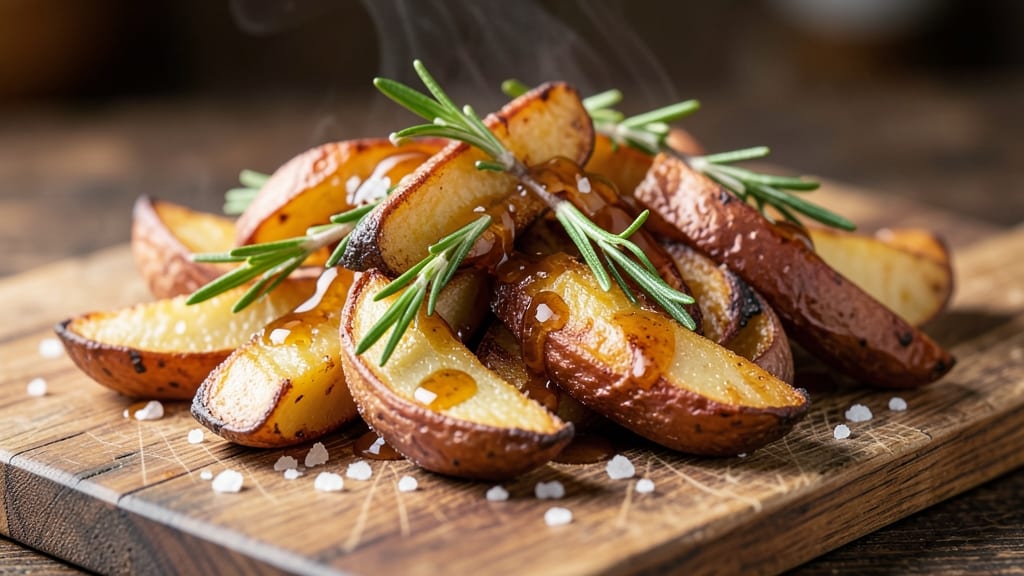
This heart potato recipe transforms simple wedges into a restaurant-worthy side with caramelized edges and tangy depth. The secret lies in a vinegar braise that tenderizes the potatoes while developing a glossy, golden crust—something you won’t find in basic roasted versions.
I first discovered this technique while testing dishes for a holiday menu, and it became an instant crowd-pleaser.
What sets these apart is the balance of textures: crispy caramelized edges give way to tender, fluffy centers, all infused with the bright acidity of apple cider vinegar.
The method requires just 45 minutes of active time, making it perfect for weeknight dinners or holiday tables where sides need to shine. The vinegar braise also adds a subtle tang that pairs beautifully with rich proteins like roasted chicken or pork chops.
By the time they emerge from the oven, your heart potatoes will be golden-brown and irresistibly crisp at the edges, with a tender interior that practically melts in your mouth.
The vinegar glaze adds a glossy finish that makes them look as good as they taste—ideal for plating alongside gravy or a fresh salad. This recipe proves that even simple potatoes can become the star of the meal.
Serve these alongside roasted meats, grilled fish, or even as a vegetarian main with a dollop of sour cream. The versatility makes them perfect for any occasion, from family dinners to festive gatherings. Ready to elevate your side dishes? Here’s how to make them.
Ingredients for heart potato
Simple wedges, bold flavor—this recipe turns humble potatoes into a showstopping side.
| Ingredient | Amount | Notes |
|---|---|---|
| Russet Potatoes 🥔 | 2 lbs | Cut into 2-inch wedges, hearts removed |
| Apple Cider Vinegar 🍎 | ¼ cup | Unfiltered for best flavor |
| Unsalted Butter 🧈 | ½ cup | Cold, cubed for even coating |
| Granulated Sugar 🍚 | 2 tbsp | Light brown for caramel depth |
| Sea Salt 🧂 | 1 ½ tsp | Kosher or fine grain preferred |
| Fresh Rosemary 🌿 | ¼ cup | Chopped, stems removed |
| Fresh Thyme 🌿 | ¼ cup | Leaves only, finely chopped |
| Garlic Cloves 🧄 | 4 cloves | Minced for even distribution |
| Extra-Virgin Olive Oil 🫒 | 2 tbsp | For tossing before roasting |
| Ground Black Pepper 🌶️ | ½ tsp | Freshly ground for best flavor |
| Heavy Cream 🥛 | ¼ cup | Optional for finishing drizzle |
Russets are your best bet here—their fluffy texture holds up perfectly to the braising. Trader Joe's or Whole Foods usually carry the best organic ones, but any russet will work. Cut them into even wedges so they cook uniformly. The hearts? Save those for another dish—they're perfect for mashed potatoes. For the vinegar, unfiltered apple cider has more depth than the filtered kind, but either works in a pinch. I grab mine from Costco when it's on sale—it keeps for months in the pantry.
No fresh rosemary? Dried works at half the amount, but it won't have that same piney aroma. Short on thyme? Fresh parsley or oregano can stretch the herbs, though the flavor will shift slightly. The butter matters here—full-fat, unsalted gives the best caramelization. If you're watching fat, you can use half butter and half olive oil, but trust me on the full-fat version. The garlic can be minced ahead of time and stored in the fridge for up to 3 days—just don't let it turn brown.
These keep surprisingly well. Store leftovers in an airtight container for up to 5 days, though they're best reheated in a 350°F oven for 10 minutes—microwaving makes them soggy. For a quick meal prep hack, portion them into individual containers with a drizzle of heavy cream before sealing. The vinegar glaze thickens as it cools, so if they seem dry when reheating, just add a splash of water or broth and warm through. Freezing isn't recommended—they get mealy when thawed.
Why You'll Love This Recipe
- One-Pot Magic: I swear by this recipe when I’m too tired to wash another dish. Just slice the Russets, toss ’em in a sheet pan with vinegar and butter, and let the oven do the rest—no pots, no fuss.
- Sweet-Savory Balance: That tangy vinegar and sugar combo transforms plain potatoes into something ridiculously good. The crispy edges? Pure satisfaction, especially when the inside stays tender.
- Picnic or Potluck: Between us, this is my go-to for gatherings—packs well, reheats perfectly, and even my picky aunt-in-law asks for seconds. (Yes, even on a Tuesday night.)
- Budget Brilliance: Russets and vinegar are cheap, and the butter/sugar ratio stretches far. I’ve fed six people for under $10, and the leftovers? Just as good the next day.
Step-by-step instructions for vinegar-braised potato wedges
Here's how to make these tender, caramelized potato wedges with a tangy, herby finish.
Prep the Potatoes for Even Cooking
Start by cutting the 2 lbs russet potatoes into 2-inch wedges, making sure to remove the hearts. I like to keep the skin on for texture, but if you prefer, you can peel them first. Spread the wedges on a baking sheet and toss them with 2 tbsp extra-virgin olive oil, 1 tsp of the 1.5 tsp sea salt, and 0.25 tsp of the 0.5 tsp ground black pepper. This initial seasoning ensures every bite has flavor from the start.
Arrange the wedges in a single layer, cut-side down, on a parchment-lined baking sheet. This setup prevents them from steaming and helps them develop crispy edges. Let them sit at room temperature for 30 minutes while you prep the rest of the ingredients. This step is key—it helps the wedges cook more evenly and prevents them from turning mushy.
Roast Until Golden and Tender
Preheat your oven to 425°F. Roast the potato wedges for 25-30 minutes, flipping them halfway through, until they're golden brown and tender when pierced with a fork. You want them to be slightly crispy on the outside but still soft inside—this balance is what makes them perfect. If your oven runs hot, start checking at the 20-minute mark to avoid overcooking.
While they roast, prepare the braising mixture by combining the 0.25 cup apple cider vinegar, 2 tbsp granulated sugar, the remaining 0.5 tsp ground black pepper, and the remaining 0.5 tsp sea salt in a small saucepan. Bring this to a simmer over medium heat for 3-4 minutes until the sugar dissolves and the mixture thickens slightly. This tangy-sweet liquid will later infuse the potatoes with deep flavor.
Braise with Herbs and Garlic
Once the potatoes are golden and tender, transfer them to a large oven-safe skillet or Dutch oven. Pour the simmered vinegar mixture over the wedges, making sure they're evenly coated. Add the 0.5 cup unsalted butter, 0.25 cup chopped fresh rosemary, 0.25 cup chopped fresh thyme, and the 4 minced garlic cloves to the skillet. Stir gently to distribute everything evenly.
Cover the skillet with a lid or foil and transfer it to the oven. Braise the potatoes for 15-20 minutes at 375°F, stirring once halfway through. You'll notice the potatoes soaking up all that herby, garlicky, tangy goodness. The butter will melt and create a luscious coating, while the vinegar keeps the wedges from drying out. This step transforms simple potato wedges into something truly special.
Finish with Cream (Optional) and Serve
Remove the skillet from the oven and let the potatoes sit uncovered for 5 minutes to let any excess liquid evaporate slightly. If you're using the 0.25 cup heavy cream, stir it in now and let it warm through for 2-3 minutes on the stovetop over low heat. This adds a rich, velvety finish that balances the tangy vinegar. Taste and adjust seasoning if needed—you might want to add a pinch more sea salt or a splash of apple cider vinegar to taste.
Serve the wedges immediately, garnished with extra fresh rosemary and thyme if you like. They're perfect alongside grilled meats, in a hearty salad, or even as a standalone side dish. The combination of crispy edges, tender centers, and that herby, tangy braise makes these wedges unforgettable. Enjoy them while they're hot—this dish doesn't wait!
Pro Tips For Making Heart Potato
- CUT POTATOES EVENLY: Grab a sharp knife and slice the Russets into ½-inch rounds—no thicker, no thinner. I learned this the hard way: uneven slices mean some potatoes get mushy while others stay raw. A mandoline helps, but a steady hand works too if you’re patient.
- USE COLD BUTTER: Whisk the unsalted butter into the vinegar-sugar mix cold, then warm it gently over low heat. Adding melted butter upfront makes the sauce greasy instead of silky. Trust me, the texture changes completely when you let it emulsify properly.
- SALT THE POTATOES FIRST: Toss the sliced potatoes with a teaspoon of salt before adding them to the vinegar-butter mix. This ensures they absorb flavor from the start, not just at the end. (Yes, even if you’re impatient like me.)
- STOP AT GOLDEN, NOT BROWN: Pull the potatoes when they’re deep golden—around 180°F internally. Overcooking turns them gluey, and the vinegar’s tang gets lost. A quick taste test works best; they should be tender but still hold their shape.
Dietary considerations for these flavors
Gluten-Free Adaptations
This recipe is naturally gluten-free since it relies on potatoes, vinegar, butter, and herbs—no wheat-based ingredients. However, always double-check your apple cider vinegar and herb blends for hidden gluten, especially if they contain additives.
I recommend Bragg Organic apple cider vinegar, which is certified gluten-free. For extra flavor, add 1 tsp gluten-free soy sauce or coconut aminos to the braising liquid for umami depth. 🌿
Low-Carb/Keto Options
To make this keto-friendly, reduce the 2 tbsp granulated sugar to 1 tsp erythritol or monk fruit sweetener and replace the 0.25 cup heavy cream with 2 tbsp sour cream.
Skip the potatoes entirely and use cauliflower wedges instead—toss them in the same seasoning and roast at 400°F for 20-25 minutes. The vinegar braise works beautifully with cauliflower, adding tangy flavor without carbs. 🥦
Vegetarian/Plant-Based Swaps
For a plant-based version, use vegan butter (like Miyoko's) and coconut cream instead of heavy cream. Ensure your apple cider vinegar is vegan-certified, as some brands use animal-derived processing aids.
I also recommend adding 1 tbsp nutritional yeast to the braising mixture for a cheesy, umami boost. The texture remains crispy and tender, just without dairy. 🌱
Allergen-Friendly Adjustments
If you have dairy allergies, omit the butter and use olive oil or avocado oil for roasting, then add 1 tbsp nutritional yeast to the braise for richness. For nut allergies, ensure your rosemary and thyme are nut-free (some dried herb blends contain traces).
Always check labels on sea salt and sugar for cross-contamination warnings. These adjustments keep the dish safe and delicious. 🚫🥛
Protein-Packed Additions
Boost nutrition by adding ½ cup cooked lentils or crumbled tempeh to the braise for plant-based protein. For meat lovers, stir in ½ cup cooked ground turkey or chicken sausage during the final 10 minutes of braising.
The vinegar tenderizes the meat while infusing it with flavor. This turns the dish into a hearty side or even a main course. 🍗
Nutritional Boosts
Increase fiber by adding 2 tbsp ground flaxseed or chia seeds to the braising mixture—they absorb liquid and add a nutty flavor. For extra vitamins, toss the roasted wedges with 1 tbsp nutritional yeast before braising.
This adds vitamin B12 and a cheesy note without dairy. The result? A nutrient-dense side that’s still crispy and flavorful. 💪
Nutrition facts
Frequently asked questions
Why does this recipe use vinegar for braising?
The apple cider vinegar creates a perfect balance of tangy depth and glossy finish. It tenderizes the potatoes while developing caramelized edges, giving them that restaurant-quality shine. The acidity also prevents the butter from burning during braising.
Can I make these ahead of time?
Yes! Store leftovers in an airtight container for up to 5 days, but reheat them at 350°F for 10 minutes—never microwave or they'll get soggy. For meal prep, portion them with a drizzle of heavy cream before sealing. The vinegar glaze thickens as it cools, so add a splash of water when reheating if needed.
What's the best way to cut potato wedges for even cooking?
Use a 2-inch wedge size and remove the heart-shaped center (save it for mashed potatoes). Cut them into similar-sized pieces so they cook uniformly. Arrange them cut-side down on a parchment-lined sheet to maximize crispiness. Let them sit at room temperature for 30 minutes before roasting for even doneness.
How can I make these gluten-free or dairy-free?
For gluten-free, verify your vinegar and herbs are certified (like Bragg Organic). For dairy-free, replace butter with olive oil and add 1 tbsp nutritional yeast to the braise. Both versions maintain the same crispy-tender texture with adjusted flavors. The vinegar braise works beautifully with either adaptation!
What's the secret to perfect caramelized edges?
Roast at 425°F until golden, then finish with butter and sugar in the braise. The key is flipping halfway through roasting and using even-sized wedges. Don't overcrowd the pan—they need space to crisp. A 5-minute uncovered rest at the end helps set the caramelization.