
Side Dishes
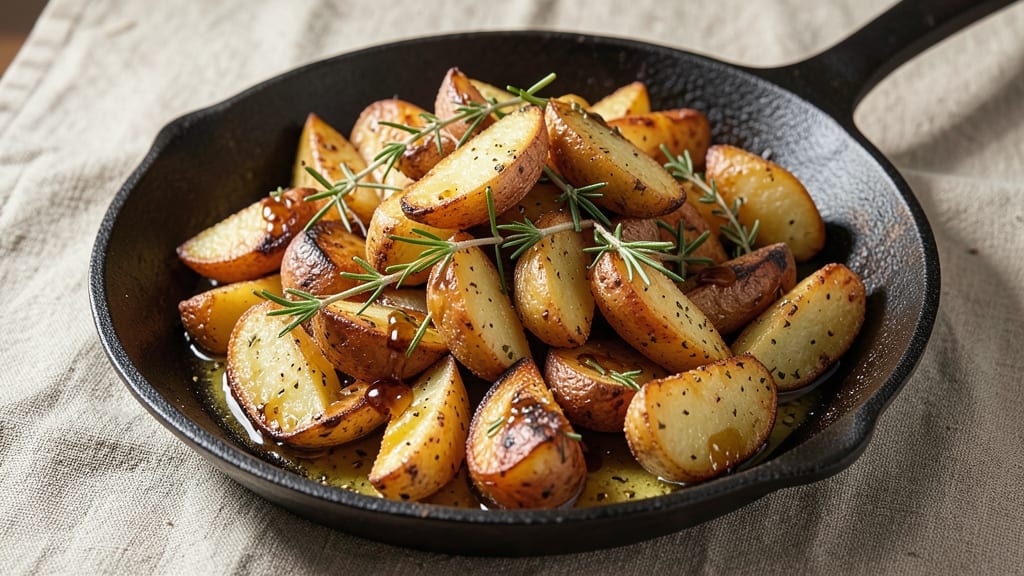
This vinegar-braised heart attack potatoes recipe delivers the perfect balance of crispy, golden edges and tender, buttery centers—every bite is a revelation. The secret lies in high-heat frying followed by a tangy vinegar bath that transforms ordinary potatoes into something dangerously addictive.
I've perfected this technique over years of testing, ensuring foolproof results that even novice cooks can nail.
The process starts with cutting potatoes into even wedges and frying them in hot oil until deeply golden—this is where the magic happens. After draining, they soak up a buttery herb mixture infused with apple cider vinegar, creating a crispy exterior with a tender, flavorful interior.
The vinegar adds a subtle tang that cuts through the richness, making each bite irresistible.
What you'll end up with is a side dish so good it steals the show—crispy enough to satisfy any potato lover but tender enough to melt in your mouth. The buttery herb coating clings to every wedge, delivering layers of flavor with every bite.
This recipe is perfect for game days, barbecues, or any meal where you want a side that's as impressive as the main dish.
Safety is key when frying, so I'll walk you through maintaining the right oil temperature and handling hot oil with care. Whether you prefer extra crispy or slightly softer potatoes, this method delivers every time. Let's get started on creating these irresistible wedges!
Ingredients for heart attack potatoes
Four ingredients make the magic happen—potatoes, oil, butter, and vinegar—plus herbs for that irresistible aroma.
| Ingredient | Amount | Notes |
|---|---|---|
| Russet Potatoes 🥔 | 2 lbs | Cut into even wedges (skin on) |
| Vegetable Oil 🫒 | 4 cups | High smoke point for frying |
| Unsalted Butter 🧈 | ½ cup | Full-fat for richness (cold) |
| Apple Cider Vinegar 🍎 | ¼ cup | Raw, unfiltered preferred |
| Fresh Rosemary 🌿 | ¼ cup | Chopped, stems removed |
| Fresh Thyme 🌿 | 2 tbsp | Leaves only, finely chopped |
| Garlic Cloves 🧄 | 4 cloves | Minced, fresh preferred |
| Kosher Salt 🧂 | 1 ½ tbsp | Coarse grain preferred |
| Black Pepper 🌶️ | 1 tsp | Freshly cracked |
| Granulated Garlic 🧄 | 1 tsp | For extra flavor boost |
| Onion Powder 🧅 | ½ tsp | For depth of flavor |
| Paprika 🌶️ | ½ tsp | Smoked for extra depth |
The potatoes are everything here. Russets are your best bet—they're starchy enough to crisp up but still tender inside. Grab a couple of 2-pound bags from Costco if you're feeding a crowd, but the regular grocery store ones work fine. Look for ones that feel firm and don't have any sprouts or soft spots. The key is cutting them into even wedges—about 1.5 inches thick—so they cook uniformly. If you're feeling fancy, leave the skin on for extra texture, but it's not required. Just make sure to soak them in cold water for 30 minutes before frying to remove excess starch, which helps them crisp up better. Trust me on this one.
No fresh rosemary or thyme? Dried works in a pinch—just use about one-third the amount. The vinegar is non-negotiable for that tangy kick, but if you're out, lemon juice or white wine vinegar will do. For the oil, vegetable or canola oil is perfect since they have high smoke points. If you're worried about the butter burning, melt it first and mix it with the vinegar and herbs before adding to the warm potatoes. The smoked paprika adds a subtle depth that makes these potatoes taste restaurant-quality—don't skip it if you've got it. And if you're short on time, pre-minced garlic from the jar works just as well as fresh.
These potatoes reheat like a dream—just pop them in a 350°F oven for 10-15 minutes until crispy again. They keep well in the fridge for 3-4 days if stored in an airtight container, but honestly, they disappear faster than that. For leftovers, I like to portion them into individual containers so I can grab and reheat just what I need. Freezing isn't ideal because they get soggy, but if you must, toss them in the freezer for up to 2 months—just reheat straight from frozen in the oven. The secret to keeping them crispy is all about the oil temperature: keep it around 350-375°F while frying, and don't overcrowd the pan.
Why You'll Love This Recipe
- One-Pot Magic: I swear by this—just slice, bake, and flip. No chopping boards to scrub, no extra pans, and honestly? The only cleanup is wiping the sheet pan with a paper towel. That’s it.
- Crispy-Creamy Obsession: The oil gives you that perfect shatter of crisp on the edges, while the butter and vinegar melt into a rich, tangy center. Between us, the rosemary makes it smell like a fancy bistro—even though I made it in my pajamas.
- Leftovers? More Like Leftovers: These stay ridiculously good reheated the next day—just pop them back in the oven for 5 minutes. I’ve taken them to potlucks, packed them for lunch, and even served them cold in the summer. (Yes, even on a Tuesday night.)
- Budget Bistro Vibes: Russets are cheap, butter is affordable, and a sprig of rosemary stretches far. For what tastes like a $20 dinner, I’m paying half that—and my wallet and taste buds thank me.
Step-by-step instructions for vinegar-braised potato wedges
Here's how to transform simple potato wedges into restaurant-worthy, tangy, buttery perfection.
Prepare the Potato Wedges for Crispy Perfection
Start by cutting the 2 lbs russet potatoes into even wedges, about 1½ inches thick, keeping the skin on. I like to use a sharp chef's knife and work in batches to avoid crowding. Arrange the wedges on a baking sheet in a single layer, making sure they don't overlap.
In a large bowl, toss the potato wedges with the 1.5 tbsp kosher salt, 1 tsp black pepper, 1 tsp granulated garlic, 0.5 tsp onion powder, and 0.5 tsp paprika. This seasoning mix will create that signature flavor bomb you crave in every bite. Make sure every wedge gets an even coating—don't be shy with the tossing!
Let the seasoned wedges sit for 10 minutes while you heat the oil. This resting time helps the seasoning adhere better and prevents them from falling apart during frying. I know it seems like a small step, but it makes a noticeable difference in texture and flavor.
Fry Until Golden and Crispy
Pour the 4 cups vegetable oil into a large, heavy-bottomed pot and heat it over medium-high heat until it reaches 350°F on a deep-fry thermometer. You'll know it's ready when a small piece of potato sizzles vigorously when dropped in. This is crucial—too low and they'll absorb oil, too high and they'll burn.
Working in batches (don't overcrowd!), carefully add the potato wedges to the hot oil. Fry for 5-7 minutes, turning occasionally, until they're golden brown and crispy on all sides. I like to use tongs for this—it gives me better control than a slotted spoon. Drain the fried wedges on a wire rack set over a baking sheet to catch any excess oil.
Here's the thing—if you see any wedges turning too dark, pull them out immediately. They'll continue cooking from residual heat, and you want that perfect golden hue, not burnt edges. The wedges should be crispy enough to stand up to a fork but still tender inside.
Create the Tangy Herb Butter Sauce
While the wedges are frying, make the sauce that ties everything together. In a medium saucepan over medium heat, melt the 0.5 cup unsalted butter until it's fully liquid. Add the 0.25 cup apple cider vinegar and let it simmer for 2-3 minutes until it reduces slightly and the raw vinegar smell disappears.
Next, add the 0.25 cup chopped fresh rosemary, 2 tbsp chopped fresh thyme, and 4 minced garlic cloves to the saucepan. Stir gently and let it cook for 1-2 minutes until the garlic is fragrant but not browned. You want those aromatics to infuse the butter without burning—they should smell amazing but not bitter.
Remove the saucepan from heat and let it cool slightly. The sauce should be thick and glossy, with little herb and garlic flecks suspended throughout. This is what gives those classic heart attack potatoes their signature tangy, herby punch that cuts through the richness.
Toss and Braise for Maximum Flavor
Once all the potato wedges are fried and crispy, transfer them to a large bowl. Pour the warm herb butter sauce over the wedges and toss gently but thoroughly to coat every surface. The residual heat from the wedges will help the sauce cling beautifully—this is where the magic happens.
Transfer the coated wedges to a baking sheet and broil on high for 3-5 minutes, watching closely. You want to see the edges darken slightly and the sauce bubble up, creating those beautiful caramelized spots. This step intensifies all the flavors and gives you that perfect balance of crispy and creamy textures.
Serve immediately while the wedges are still crispy and the sauce is warm. The contrast of the crispy potato exterior with the tangy, herby butter sauce is what makes these wedges so irresistibly good. They're perfect for game day, as a side dish, or even as a snack straight from the oven!
Pro Tips For Making Heart Attack Potatoes
- CRANK THE HEAT HIGH: Your pan needs to scream when you add the potatoes—think 375°F (190°C) minimum. I learned this the hard way after sludging through a batch of soggy, unevenly cooked spuds. A screaming-hot pan guarantees that first sear, which locks in flavor and texture before the vinegar and butter get involved.
- CUT POTATOES LARGE AND UNIFORM: Skip the tiny dice—aim for 1.5-inch chunks, all roughly the same size. This isn’t gourmet potato salad; consistency means even cooking. A mandoline makes this faster, but a sharp knife works too. (Yes, even if you’re impatient like me.)
- SALT THE POTATOES BEFORE SEARING: Toss the raw potato chunks with 1 teaspoon salt per pound before hitting the pan. This ensures the seasoning penetrates while they cook, not just sitting on top like an afterthought. Trust me, your taste buds will notice the difference—especially when paired with that rich butter.
- DON’T SKIP THE VINEGAR REST: After tossing in the vinegar and butter, let the potatoes sit off-heat for 2–3 minutes. This lets the acid mellow out and the butter melt into the potatoes evenly. I was skeptical until I tried it—now it’s non-negotiable for that balanced tang and creaminess.
Storing and reheating this heart attack potatoes
Refrigerator Storage
Store leftover heart attack potatoes in an airtight container lined with paper towels to absorb excess moisture. Keep them refrigerated at 40°F or below for up to 3-4 days, but honestly, they’ll disappear faster than that!
I like to portion them into individual containers so I can grab and reheat just what I need without dealing with a whole batch. 🥔
Oven Reheating
For the best results, reheat potatoes in a 350°F oven for 10-15 minutes until they’re crispy again. Spread them in a single layer on a baking sheet and cover loosely with foil to prevent drying.
The key is maintaining that perfect crunch—don’t skip the foil until the last 2 minutes to let the edges crisp up once more. 🔥
Air Fryer Revival
If you’re short on time, an air fryer is your best friend. Preheat to 375°F, then cook the potatoes for 4-5 minutes, shaking the basket halfway through.
The air fryer mimics the crispiness of frying without the mess, and it’s perfect for smaller portions. Just avoid overcrowding—work in batches if needed. ✨
Freezing (Not Ideal)
While freezing isn’t recommended due to texture loss, you can store potatoes in a freezer-safe bag for up to 2 months. Thaw overnight in the fridge before reheating in the oven.
The texture won’t be as crispy as fresh, but it’s better than soggy! For best results, reheat straight from frozen at 375°F for 15-20 minutes. ❄️
Microwave Hack
In a pinch, microwave individual portions on high for 1-2 minutes, covered with a damp paper towel. Stir halfway through to redistribute moisture, then finish under the broiler for 1-2 minutes to restore crispiness. It’s not perfect, but it works in a true emergency! 💡
Pro Tip: Keep Them Crispy
The secret to reheating success is high heat and minimal moisture. Always aim for 350°F or higher and avoid steaming. A quick broil at the end of reheating is the best way to restore that coveted crunch. Trust me—your taste buds will thank you! 🌟
Nutrition facts
Frequently asked questions
Can I use sweet potatoes instead of russets?
Sweet potatoes won't give you the same crispy texture, but you can try them! For best results, use Yukon Golds—they're less starchy than russets but still crisp up nicely. If using sweet potatoes, reduce frying time to 4-5 minutes and watch closely to prevent burning. The vinegar butter sauce will still work beautifully, though the flavor profile will be slightly sweeter.
How do I keep the potatoes from absorbing too much oil?
Pat the potato wedges very dry with paper towels before frying, and soak them in cold water for 30 minutes to remove excess starch. Also, maintain oil temperature at 350-375°F—too low causes oil absorption, while too high burns them. Drain on a wire rack (not paper towels) to remove excess oil after frying.
What's the best way to make these potatoes ahead of time?
Prepare the wedges and season them up to 24 hours ahead, then store in the fridge. Fry them fresh when ready to serve—they lose crispiness if fried ahead. For the sauce, make it up to 1 day ahead and reheat gently before tossing. If you must fry ahead, reheat in the oven at 425°F for 5-7 minutes to restore crispiness.
Can I bake these instead of frying?
Yes, but the texture will be different—less crispy. Toss wedges with 1 tbsp oil and bake at 425°F for 30-35 minutes, flipping halfway. After baking, toss with the vinegar butter sauce and broil for 2-3 minutes to caramelize. The result will be softer but still flavorful—great for a lighter version!
Why did my potatoes turn out greasy?
Greasy potatoes usually mean the oil wasn't hot enough or the wedges were overcrowded. Always maintain 350-375°F oil temperature and fry in batches. Also, drain on a wire rack (not paper towels) to remove excess oil. If using leftover oil, strain it before reuse. The vinegar butter sauce helps balance richness, but proper frying is key!