Breakfast & Brunch
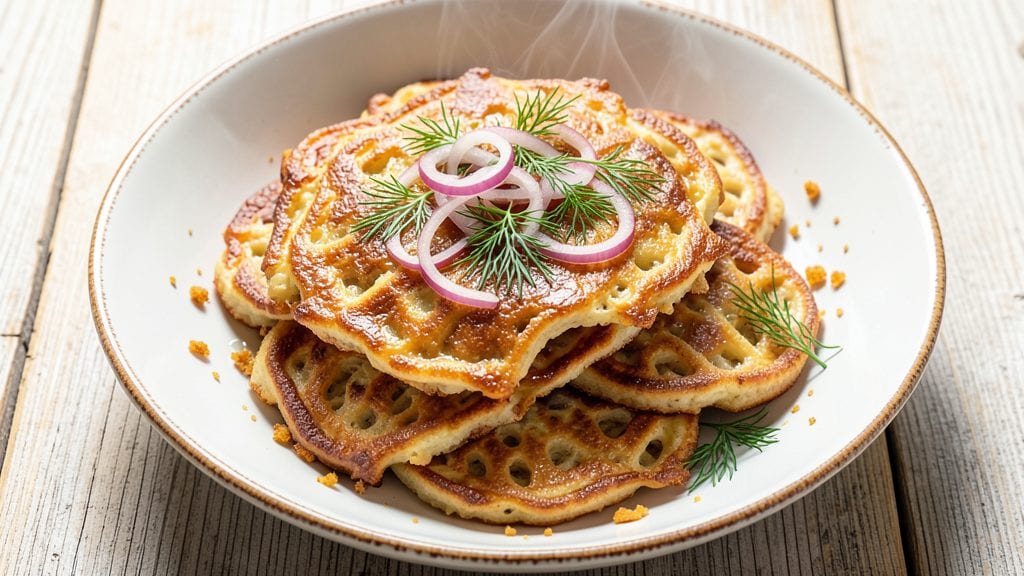
Grandma's potato pancakes deliver that nostalgic, golden-crisp texture we all crave without turning soggy in minutes. The secret lies in proper potato preparation—grating, draining, and frying at the right temperature—techniques I learned from my grandmother's kitchen.
Every bite should shatter with that satisfying crunch while staying tender inside, just like I remember from childhood.
This recipe stays true to tradition while ensuring foolproof results—no more greasy, greasy latkes or ones that fall apart when you touch them. We'll use a simple ratio of grated potatoes, eggs, and flour, then fry them in hot oil until golden brown.
The key is working quickly and keeping the heat consistent, which transforms humble potatoes into crispy, savory pancakes.
What you'll end up with are perfectly browned pancakes with crisp edges and tender centers, ready to be served with classic toppings like sour cream, applesauce, or a squeeze of fresh lemon.
The aroma alone will bring back memories of holiday breakfasts, but the taste is what truly makes these worth making again and again.
These pancakes work beautifully as a weekend brunch centerpiece or even as a savory side dish for dinner. The method scales easily, so you can make a batch for the whole family or freeze extras for later. Let's get started on recreating this timeless classic with professional results at home.
Ingredients for grandma's potato pancake
Nine simple ingredients transform humble potatoes into nostalgic, shatterproof pancakes.
| Ingredient | Amount | Notes |
|---|---|---|
| Russet Potatoes 🥔 | 3 lb | Peeled, grated, drained well |
| Large Eggs 🥚 | 2 whole | Room temperature preferred |
| All-Purpose Flour 🌾 | ½ cup | For binding, not thickening |
| Yellow Onion 🧅 | 1 medium | Grated, not chopped |
| Fresh Dill 🌿 | ¼ cup | Chopped, optional but traditional |
| Salt 🧂 | 1 ½ tsp | Kosher salt preferred |
| Ground Black Pepper 🌶️ | ½ tsp | Freshly ground for best flavor |
| Vegetable Oil 🫒 | 3 cups | High smoke point, like canola |
| Unsalted Butter 🧈 | 2 tbsp | For finishing, optional |
| Sour Cream 🥛 | ½ cup | For serving, full-fat preferred |
| Applesauce 🍎 | ¼ cup | Unsweetened, for serving |
| Lemon Juice 🍋 | 1 tbsp | Freshly squeezed, for brightness |
Russet potatoes are non-negotiable here—their low moisture and starchy texture create that perfect crisp. Buy them fresh and peel them immediately to prevent browning. I always grab mine from Trader Joe's or the local market where they're consistently starchy. The onion adds subtle sweetness, so don't skip grating it—chopping makes them too chunky. Fresh dill is traditional but dried works in a pinch (use half the amount). The key is working quickly after grating to avoid soggy pancakes.
No fresh dill? Dried dill at half the amount keeps the flavor, just less vibrant. Running short on eggs? Add 2 tbsp flour per missing egg to maintain binding. For the oil, vegetable or canola works best—avoid olive oil, which burns too easily. The pancakes should fry at 350°F (175°C), not sizzling wildly. If your oil isn't hot enough, they'll absorb too much grease. And trust me on the butter—those last two tablespoons make all the difference for that restaurant-quality finish.
Pancakes stay crisp best when fried in batches and kept warm in a 200°F (95°C) oven on a wire rack. They reheat beautifully—just a minute in the oven or air fryer revives that perfect crunch. Store leftovers in the fridge for 3 days (covered with a towel to stay crisp) or freeze for up to 3 months. I portion mine into single servings before freezing so they're ready for quick breakfasts.
Why You'll Love This Recipe
- No-Fuss Mash: I just grate the potatoes raw, squeeze out the water, and mix in the rest—no boiling, no peeling, no fuss. The onions add sweetness without extra prep, and the dill comes in at the end so it stays bright.
- Crispy-Creamy Magic: That golden crust on the outside? Pure reward for a few minutes in the pan. Inside, it’s tender, fluffy, and packed with the earthy warmth of Russets and the bright kick of fresh dill—like a hug in pancake form.
- Weeknight Workhorse: Double the batch and freeze half for lazy days. They reheat like a dream—crispy again in the toaster or air fryer—so you’re never stuck scrambling for dinner. Honestly, I make these more than any other recipe.
- Pantry Goldmine: Russets and onions are cheap staples, and a few eggs and flour stretch this far. Leftovers? Even better cold the next day, sliced thin with sour cream or applesauce. My college budget still thanks me.
Step-by-step instructions for grandma's potato pancake recipe
Here's how to make potato pancakes that stay crispy, never soggy, and hold together perfectly every time.
Prep and Drain the Potato Mixture
Start by peeling the 3 lb russet potatoes and grating them using the large holes of a box grater. I like to work in batches to keep things manageable, and I always grate directly into a large bowl. The goal is to get fine, even shreds—not coarse chunks.
Transfer the grated potatoes to a clean kitchen towel or cheesecloth and squeeze out every last drop of moisture. This step is absolutely critical for crispy pancakes. I press down firmly with my hands and twist the towel to wring out the water, then fold the towel and press again. Repeat until the towel comes out mostly dry. This can take 5-10 minutes but is worth every second for that perfect texture.
Mix the Batter with Eggs and Seasonings
In a large mixing bowl, combine the drained potatoes with the 2 whole large eggs, 0.5 cup all-purpose flour, the grated 1 medium yellow onion, 0.25 cup chopped fresh dill, 1.5 tsp salt, and 0.5 tsp freshly ground black pepper. Using your hands, gently fold everything together until just combined. You want to mix just enough to distribute the ingredients evenly without overworking the batter.
I like to press the mixture down with my hands a few times to ensure the flour is evenly distributed. This creates that perfect binding that holds the pancakes together without making them dense. The batter should hold its shape when pressed but still be slightly sticky—this ensures crispy edges without falling apart.
Heat the Oil for Perfect Frying
Pour the 3 cups vegetable oil into a deep skillet or Dutch oven and heat over medium heat until it reaches 350°F on a deep-fry thermometer. This temperature is crucial—too low and the pancakes will absorb oil and become greasy; too high and they'll burn before cooking through. I use a thermometer because visual cues can be misleading with vegetable oil.
Once the oil reaches temperature, you'll see small bubbles forming around the edges of the pan. This is your signal that the oil is ready. I like to test it by dropping in a small piece of potato mixture—if it sizzles and floats to the surface within 10 seconds, the oil is perfect. Keep the heat steady at 350°F throughout frying.
Fry the Pancakes to Golden Perfection
Using a spoon or ice cream scoop, drop heaping tablespoon-sized portions of the potato mixture into the hot oil. I space them about 1 inch apart to give them room to expand. Fry for 3-4 minutes per side until they turn a rich golden brown color. You'll know they're done when the edges are crispy and the center feels firm when pressed gently with a spatula.
I use a slotted spoon to carefully transfer the cooked pancakes to a paper towel-lined plate. Let them drain for 1-2 minutes before serving. The paper towels absorb excess oil while keeping them warm. Don't stack them yet—they'll steam and lose crispness. Instead, keep them in a single layer until ready to serve.
Serve with Classic Toppings
While the pancakes are still hot, melt the 2 tbsp unsalted butter in a small saucepan over low heat. Once melted, stir in the 0.5 cup sour cream, 0.25 cup applesauce, and 1 tbsp freshly squeezed lemon juice. Simmer gently for 1-2 minutes until everything is well combined and slightly thickened. This creates a creamy, tangy sauce that complements the crispy pancakes perfectly.
Serve the pancakes immediately with the warm sauce drizzled on top. The contrast between the crispy exterior and the tender interior is what makes these pancakes special. I like to add a sprinkle of extra chopped fresh dill on top for that final touch of freshness. Enjoy them while they're hot—these pancakes are best served straight from the fryer!
Pro Tips For Making Grandma'S Potato Pancake
- GRATE THE POTATOES COLD: Russets stay starchy and dry when grated straight from the fridge—this is non-negotiable. Rub them between your palms to break up clumps, then let them sit in a bowl for 10 minutes while you prep the rest. I learned this the hard way after making pancakes that fell apart like wet cardboard.
- SALT THE ONION WATER: When grating the onion, toss it in a bowl of ice water with a pinch of salt—this stops it from turning bitter and makes it sweeter. Drain and wring it out before mixing; the extra moisture in the batter is the real enemy here.
- DON’T OVERMIX THE BATTER: Stir just until the flour disappears—lumpy is better than gluey. Overworking turns pancakes dense, and no one wants a brick for dinner. Use a rubber spatula and stop when it’s just combined.
- FLIP WITH A SPATULA, NOT A FORK: A fork pierces the pancakes, letting all the filling leak out. Slide a wide spatula under the edge, lift gently, and flip once—no need to rush. If you’re frying in batches, keep the first ones warm in a 200°F oven while you cook the rest.
Regional styles of this dish
Jewish Latkes
In Ashkenazi Jewish tradition, these pancakes are called latkes, and they're a staple during Hanukkah celebrations. My grandmother's version includes a pinch of ground cinnamon (about ¼ tsp) in the batter for warmth, along with extra grated onion for depth.
Serve with applesauce on the side—traditionally unsweetened to balance the richness. The key difference? A slightly thicker batter that holds together better for frying. 🕎
German Kartoffelpuffer
German Kartoffelpuffer takes a more rustic approach, often using potato starch (about 2 tbsp) instead of flour for binding. The batter is mixed with grated apples (about ½ cup) and a splash of beer (about 2 tbsp) for moisture.
These pancakes are thicker and heartier, often served with crème fraîche and pickled onions for tangy contrast. The frying temperature is slightly lower—340°F—to keep them tender inside. 🍺
Russian Draniki
Russian draniki often include sour cream (about ¼ cup) mixed directly into the batter for extra richness, along with garlic (about 2 minced cloves) for a bold flavor. The pancakes are fried in lard instead of vegetable oil, giving them a deeper, almost caramelized taste.
Serve with sour cream, caviar, or smoked salmon for a luxurious touch. The secret here is pressing the batter into thin, even circles before frying for maximum crispiness. 🥩
Ukrainian Deruny
Ukrainian deruny are lighter and fluffier, often made with mashed potatoes (about ½ cup) mixed into the grated potato batter. The batter is seasoned with fresh dill and parsley, and the pancakes are fried in sunflower oil.
They’re traditionally served with sauerkraut or mushroom gravy for a hearty meal. The key technique? Shaping the pancakes into small, thin rounds for even cooking. 🌿
Swedish Potatisplättar
Swedish potatisplättar lean into simplicity, using only grated potatoes, egg, and salt, with no flour. The batter is pressed into thin pancakes and fried in butter for a nutty flavor.
They’re often served with lingonberry jam or smoked herring for a Scandinavian twist. The lack of flour makes them extra crispy, but they require careful handling to avoid breaking. 🇸🇪
Modern Fusion Twists
For a contemporary take, try adding grated zucchini (about ½ cup) to the batter for moisture and a subtle sweetness. Or swap the onion for shallots (about 2 tbsp minced) for a milder, more aromatic flavor.
My favorite fusion? A spicy kick with ½ tsp cayenne pepper mixed into the batter—it pairs perfectly with cooling yogurt sauce. These variations keep the tradition alive while adding new layers of flavor. 🌶️
Nutrition facts
Frequently asked questions
Why do Grandma's potato pancakes turn out soggy?
Soggy pancakes usually mean too much moisture in the batter. Always drain grated potatoes thoroughly using a clean kitchen towel or cheesecloth—squeeze out every drop for 5-10 minutes. Also, avoid overcrowding the pan, which lowers oil temperature and makes pancakes steam instead of crisp. Fry in batches of 3-4 pancakes at 350°F (175°C) for perfect results.
Can I make these pancakes ahead of time?
Fry the pancakes and let them cool completely, then store in an airtight container at room temperature for 2 days. For longer storage, freeze them for up to 3 months. Reheat in a 375°F (190°C) oven for 5-7 minutes or an air fryer at 350°F (175°C) for 3-4 minutes to restore crispiness.
What's the best oil for frying?
Use a high-smoke-point oil like vegetable or canola oil—they handle 350°F (175°C) temperatures without burning. Avoid olive oil (too low smoke point) or butter (burns easily). For extra flavor, try ghee or schmaltz (rendered chicken fat), but they require careful temperature control.
How do I make these gluten-free?
Replace the ½ cup all-purpose flour with ½ cup gluten-free flour blend (like Bob's Red Mill 1:1) or 2 tbsp potato starch plus 1 tbsp cornstarch. For binding, add 1 extra egg or 2 tbsp ground flaxseed mixed with 3 tbsp water. Test the batter consistency—it should hold shape when pressed but still be slightly sticky.
What's the secret to extra crispy pancakes?
Three keys:
- Drain potatoes thoroughly (no soggy centers),
- Use a deep pan (like a Dutch oven) for even heat distribution, and
- Keep oil at 350°F (175°C)—not too hot or they'll burn before cooking through. For restaurant-style crisp, add 1 tbsp cornstarch to the batter and fry until golden brown on both sides.