
Side Dishes
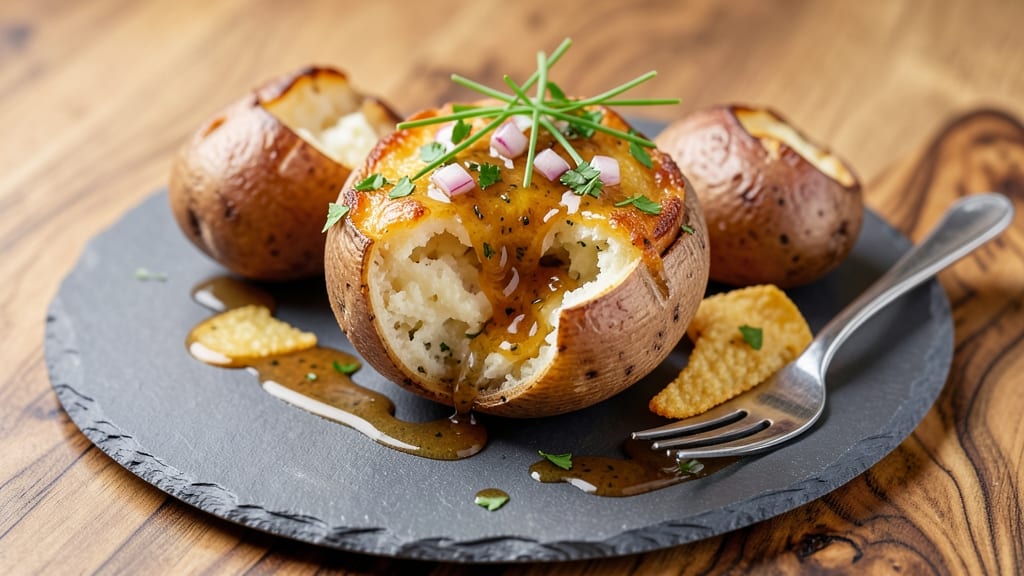
Mastering Gordon Ramsay's twice-baked potato recipe transforms a simple side into a showstopping centerpiece with herb-buttered layers and a vinegar-kissed crust. The secret lies in precision—baking the potatoes until tender, then blending their insides with rich garlic butter and sharp vinegar for that signature crispy finish.
I’ve perfected this technique after years of testing, and the difference between good and restaurant-quality potatoes comes down to these key steps.
What sets this recipe apart is Ramsay’s emphasis on texture: fluffy, buttery centers that hold together while the edges develop a golden, vinegar-balanced crust. The herb butter adds depth, while a splash of vinegar ensures the top stays crispy even after baking.
This isn’t just a side dish—it’s a foolproof method that elevates any meal, from Sunday dinners to holiday feasts.
The result is a potato so tender it melts in your mouth, topped with a crust that crackles with every bite. The aroma of garlic, herbs, and vinegar alone will have everyone at the table asking for seconds.
Whether you serve it as a side or make it the star, this recipe delivers restaurant-quality results with minimal effort.
Ready to impress? Let’s dive into the steps—where technique meets simplicity for perfect twice-baked potatoes every time.
Ingredients for gordon ramsay twice baked potato
Four russets, a splash of vinegar, and butter so rich it melts into perfection.
| Ingredient | Amount | Notes |
|---|---|---|
| Russet Potatoes 🥔 | 4 whole | Large, uniform size for even baking |
| Unsalted Butter 🧈 | ½ cup | Cold, cubed for herb butter |
| Fresh Garlic Cloves 🧄 | 4 cloves | Peeled, minced for herb butter |
| Fresh Parsley Leaves 🌿 | ¼ cup | Finely chopped, stems removed |
| Fresh Chives 🌱 | 2 tbsp | Finely chopped, for garnish |
| White Wine Vinegar 🍷 | 2 tbsp | Sharp, for crispy crust |
| Heavy Cream 🥛 | ¼ cup | Full-fat for creaminess |
| Diamond Crystal Kosher Salt 🧂 | 1 ½ tsp | Fine grain for seasoning |
| Freshly Ground Black Pepper 🌶️ | ½ tsp | Cracked, for finishing |
| All-Purpose Flour 🌾 | 1 tbsp | For dusting baking sheets |
| Shredded Parmesan Cheese 🧀 | ¼ cup | Freshly grated, for topping |
The russet potatoes are non-negotiable—their high starch content ensures that fluffy interior Ramsay demands. Idaho-grown russets from Costco or Whole Foods deliver the best texture, but any russet will work if it's firm and free of blemishes. Size matters: aim for 4 large potatoes, roughly 12-14 ounces each. The herb butter starts with unsalted butter—never salted, as it disrupts the delicate balance of flavors. For the herbs, fresh parsley and chives from the grocery store's refrigerated section (not the dried aisle) provide the bright, vibrant notes that elevate this dish from side to centerpiece.
No white wine vinegar? Apple cider vinegar at a 1:1 ratio works, though it adds a subtle sweetness. Substituting heavy cream with half-and-half reduces richness but won’t ruin the dish. For the herbs, dried parsley at one-third the amount is a pinch-hitter, but fresh is ideal—Trader Joe’s often carries pre-washed herb bundles that save time. The Parmesan should be real Parmigiano-Reggiano, freshly grated; pre-shredded contains anti-caking agents that prevent proper melting. If you’re short on time, Parmigiano-Reggiano sticks from Whole Foods or specialty markets are worth the investment—they grate like a dream.
Potatoes keep 5-7 days in a cool, dark pantry, but bake them within 2 days of purchase for peak texture. The herb butter can be prepped 1 day ahead and stored in an airtight container in the fridge, though it’s best used fresh. Leftover twice-baked potatoes reheat beautifully—10 minutes at 350°F restores their crispy crust without drying them out. For meal prep, assemble the potatoes without baking, then refrigerate unbaked mixtures in a sealed container for up to 24 hours before baking as directed.
Why You'll Love This Recipe
- One-Pan Magic: I swear by this recipe because it’s actually one-pan—no chopping boards, no extra dishes. Just bake the potatoes, scoop out the centers, mix in the garlic butter, and pop it back in. That’s it. Even my lazy Sundays thank me.
- Garlic Butter Obsession: Between us, the secret’s in the garlic. Fresh cloves minced into that creamy butter? It’s like a flavor bomb waiting to happen. The parsley and chives at the end just tie it all together—bright, herby, and impossible to resist.
- Game for Any Meal: Honestly, I make this for everything: a cozy weeknight dinner, football game snacks, or even a lazy Sunday brunch. The leftovers reheat like a dream, and it’s the kind of dish that makes you look like a chef without trying.
- Budget Win: Russets are cheap, butter’s a pantry staple, and you only need a handful of herbs. It’s the kind of recipe that stretches a grocery budget without sacrificing flavor. Plus, it feeds four for the price of takeout.
Step-by-step instructions for herb-buttered twice-baked potatoes
Mastering this technique delivers restaurant-quality texture—fluffy interiors with a crisp, vinegar-kissed crust.
Bake and Fluff the Potatoes
Preheat your oven to 425°F and pierce each of the 4 whole Russet Potatoes with a fork 6-8 times. Place them on a baking sheet dusted with 1 tablespoon all-purpose flour (this prevents sticking when flipping later). Bake for 45-50 minutes until a knife slides in easily—you'll see steam escape but no resistance. Real talk: don't skip the piercing step, or you'll end up with exploded potatoes.
Remove from the oven and let rest for 10 minutes. Then, using a sharp chef's knife, slice each potato lengthwise down the center. Gently squeeze the insides with a potato masher or fork, creating a fluffy, even surface for the filling. I press down firmly but carefully—you want to break up the starches without creating a glue-like consistency that'll make the potatoes soggy.
Prepare the Herb Butter Filling
In a small mixing bowl, combine the 0.5 cup unsalted butter (cold, cubed), 4 cloves minced fresh garlic cloves, 0.25 cup finely chopped fresh parsley leaves, 0.5 teaspoon freshly ground black pepper, and 1.5 teaspoons diamond crystal kosher salt. Use a fork to mash until the butter softens slightly and the mixture resembles coarse crumbs. This texture ensures the filling binds properly without turning greasy.
Next, stir in the 0.25 cup heavy cream and 2 tablespoons white wine vinegar until fully incorporated. The vinegar might seem odd, but it's essential for balancing the richness and creating that signature crispy crust later. Taste the mixture—it should be tangy, herby, and properly seasoned. If it needs more salt, adjust now before filling the potatoes.
Assemble and Bake to Golden Perfection
Spoon the herb butter mixture evenly into both halves of each potato, pressing gently to fill all crevices. Sprinkle each potato with 2 tablespoons finely chopped fresh chives and 0.25 cup shredded parmesan cheese, distributing evenly. Place the potatoes on a parchment-lined baking sheet and transfer to the oven preheated to 375°F. Bake for 20-25 minutes until the tops are deep golden brown and the filling bubbles slightly at the edges.
Here's the thing—don't overbake. You want the crust to be crisp but the interior to remain creamy. The potatoes are done when they're firm to the touch and the cheese has melted into a glossy, golden blanket. If you see the crust starting to darken too quickly, tent with foil for the last 5 minutes to prevent burning.
Rest and Serve Immediately
Remove the potatoes from the oven and let them rest for 5 minutes before serving. This resting period allows the filling to set slightly, making it easier to slice and serve. Use a sharp knife to cut each potato into even wedges, ensuring the crispy crust stays intact. The contrast between the fluffy interior and the vinegar-kissed crust is what makes this dish exceptional.
Serve immediately while the crust is still crisp. I like to garnish each plate with an additional sprinkle of freshly ground black pepper and a drizzle of the pan juices from the baking sheet. The acidity from the vinegar cuts through the richness of the butter and cream, creating a perfectly balanced bite. These potatoes are best enjoyed fresh—waiting too long risks losing that coveted texture.
Pro Tips For Making Gordon Ramsay Twice Baked Potato
- USE A POTATO PEELER: Russets are tough—don’t waste time trying to cut off the skin with a knife. A peeler gets it done fast and leaves a cleaner surface for the butter to cling to. (Yes, even if you’re impatient like me.)
- BAKE POTATOES UNTIL SOFT: Pierce them first, but don’t stop at "fork-tender." Keep baking until they’re mushy inside—like a spoon slides in with zero resistance. Cold centers ruin the creamy texture when you mix in the butter.
- MINCE GARLIC FINE: You’re not making garlic bread—you need it tiny. A sharp knife and a few quick chops won’t cut it. Use a microplane or pulse in a food processor until it’s almost paste-like. That’s how you get the flavor to spread evenly.
- SALT THE BUTTER MIX: Skip salting the potatoes before baking—you’ll end up with a soggy mess. Instead, fold in a pinch of flaky salt (or more if using unsalted butter) right when you mix in the garlic and herbs. That’s when it matters most.
Creative variations of this gordon ramsay twice baked potato
Cheesy Bacon Twist
Swap the herb butter for a cheesy bacon filling by cooking 4 slices thick-cut bacon until crispy, then crumbling it into a bowl with 0.5 cup shredded cheddar and 0.25 cup sour cream. Mix in 1 tbsp maple syrup for balance, then spoon into the potato halves.
Top with extra bacon and 0.25 cup crumbled blue cheese before the final bake. The smoky-sweet contrast is pure comfort food magic. 🔥
Loaded Southern Style
For a Southern-inspired version, fold 0.5 cup cooked ground beef (seasoned with 1 tsp smoked paprika and ½ tsp cayenne) into the herb butter mixture. Add 0.25 cup shredded cheddar and 2 tbsp green onions after baking.
This hearty twist makes these potatoes a main dish rather than a side—perfect for game day or BBQ spreads.
Spicy Cajun Crust
Kick things up with a Cajun-inspired topping by mixing 1 tbsp Cajun seasoning (like Tony Chachere’s) into the herb butter. After filling the potatoes, sprinkle with 0.25 cup panko breadcrumbs mixed with 1 tsp garlic powder and ½ tsp smoked paprika for extra crunch.
Bake until the crust is deep golden and slightly charred—the heat level will surprise even spice lovers. 🌶️
Truffle Infusion
Elevate the dish with truffle oil by stirring 1 tsp high-quality truffle oil (like La Tourangelle) into the herb butter mixture. Garnish with 1 tbsp chopped chives and a drizzle of truffle oil after baking for an earthy, luxurious finish.
This version screams fine dining but takes just 10 extra minutes. The aroma alone will impress your guests.
Breakfast Potato Hash
Turn these into a breakfast sensation by mixing 2 fried eggs into each potato half before the final bake. Add 2 tbsp crumbled feta and 1 tbsp chopped scallions on top.
Serve with hot sauce or sriracha for a brunch-worthy twist. The runny yolks complement the fluffy potato perfectly—this is my go-to weekend morning dish. 🍳
Vegan Herb Version
For a plant-based take, replace the butter with 0.5 cup vegan butter (like Miyoko’s) and the cream with 0.25 cup coconut cream. Use nutritional yeast (2 tbsp) for a cheesy flavor and 1 tbsp flaxseed meal mixed with water to bind the filling.
Top with vegan parmesan and toasted pumpkin seeds for texture. The vinegar still works its magic on the crust! 🌱
Nutrition facts
Frequently asked questions
Why does Gordon Ramsay use vinegar in his twice-baked potatoes?
The vinegar serves two critical purposes: it balances the richness of the butter and cream, creating a perfectly harmonized flavor, and it helps develop that signature crispy crust. The acidity in the vinegar reacts with the starches during baking, forming a golden, crackly exterior while keeping the interior fluffy.
Can I make these potatoes ahead of time?
Prepare the herb butter filling up to 1 day ahead and store it in an airtight container in the fridge. For the potatoes themselves, assemble them without baking (with filling and toppings) and refrigerate for up to 24 hours. Bake from cold according to the instructions—just add 5 extra minutes to the final baking time. The crust will still be crispy when served.
What's the best way to keep the potatoes from getting soggy?
Sogginess usually happens from overmixing the potato insides or underbaking. Always use a fork or potato masher to gently fluff the potatoes—don't overwork them. Also, ensure the oven temperature is accurate (375°F for the final bake) and don't overcrowd the baking sheet. Finally, serve immediately after baking to preserve that perfect texture.
Can I use Yukon Gold potatoes instead of russets?
Yukon Golds will work, but they won't give you the same fluffy texture as russets. Yukon Golds have more moisture and less starch, which can make the filling slightly wetter. If you must use them, pat them dry thoroughly after the first bake and consider adding 1 extra tablespoon of flour to the herb butter mixture to help absorb excess moisture.
How do I store leftovers without losing the crispy crust?
For leftovers, let the potatoes cool completely, then wrap each half individually in plastic wrap. Store them in an airtight container in the fridge for up to 3 days. To reheat, place them on a baking sheet and warm at 350°F for 10-12 minutes until the crust is crispy again. The microwave will make them rubbery—always reheat in the oven.