
Side Dishes
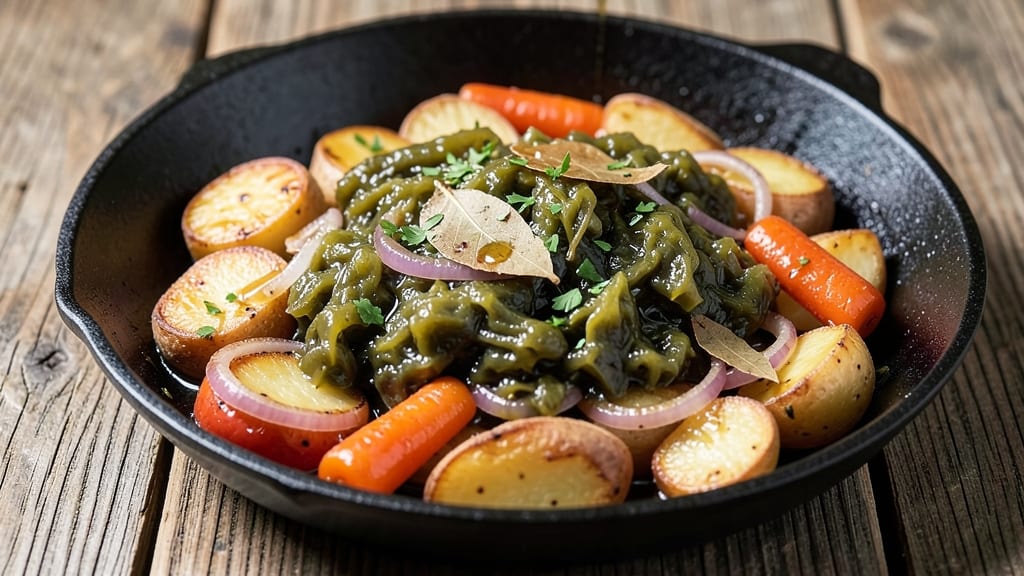
This German sauerkraut with potatoes recipe brings hearty comfort to your table with its perfect balance of tangy-sour crunch and fluffy, golden spuds. Standing on a step stool in my grandmother’s kitchen in Sicily, I first learned how simple ingredients can create something deeply satisfying—this dish does just that.
The secret lies in slow simmering the sauerkraut until it’s tender yet still retains that signature tang, while the potatoes absorb the rich flavors without falling apart.
What makes this recipe special is its versatility—it works as a side dish for sausages or pork, or even as a main course when paired with a fresh green salad.
The key technique is browning the potatoes first to build flavor, then letting everything simmer together until the sauerkraut is just tender enough to hold its shape. This method ensures every bite delivers that perfect harmony of textures and flavors, making it a crowd-pleaser for any occasion.
By the time you’re done, you’ll have a steaming pot of sauerkraut with perfectly cooked potatoes—tender on the inside, slightly crispy on the edges, all infused with that tangy-sour depth. The aroma alone will have everyone asking what’s for dinner, and the taste?
Well, that’s where the magic happens. This dish is simple, foolproof, and packed with the kind of comfort that turns ordinary meals into something special.
Serve it alongside grilled sausages, roasted pork, or even as a standalone dish with a dollop of sour cream. Here’s how to make it—step by step, just like Nonna taught me.
Ingredients for german sauerkraut recipe with potato
Pantry staples meet Nonna’s kitchen magic—just eight ingredients for that perfect tangy-sour crunch.
| Ingredient | Amount | Notes |
|---|---|---|
| Sauerkraut 🥬 | 4 cups | Unopened jar preferred for best tang |
| Russet Potatoes 🥔 | 1 ½ lb | Medium-sized, cut into 1-inch cubes |
| Onion 🧅 | 1 whole | Yellow or red, diced |
| Carrots | 2 medium | Peeled and sliced into thin rounds |
| Apple Cider Vinegar 🍎 | ¼ cup | For extra tanginess |
| Bay Leaves 🍃 | 2 whole | Fresh preferred |
| Salt 🧂 | 1 ½ tsp | Kosher or sea salt |
| Black Peppercorns 🌶️ | ½ tsp | Freshly cracked |
| Fresh Thyme 🌿 | 1 tbsp | Leaves only, chopped |
| Unsalted Butter 🧈 | 2 tbsp | Full-fat for richness |
| Sour Cream 🥛 | ¼ cup | For serving, optional |
| Fresh Parsley 🌿 | 0.1 cup | Chopped for garnish |
The sauerkraut is the star, so grab a freshly opened jar—the tang fades fast once opened. Reinhart or Bubbies are my go-tos, but any good-quality brand works. The potatoes? Russets are ideal—they hold up better to simmering than waxy types. Cut them into even 1-inch cubes so they cook uniformly. If you're feeling fancy, peel them first. I usually don't bother, but if you're serving this as a main, peeled looks cleaner. The carrots can be baby carrots if that's what you've got—just slice them thin so they cook through without getting mushy.
No fresh thyme? Dried works at one-third the amount, but honestly, fresh makes all the difference here. Short on butter? Olive oil works in a pinch, though it won't give that same rich finish. The sour cream is totally optional, but trust me—it takes this from good to next-level. If you're serving this with sausages or pork, you might skip it. The parsley is just for garnish, but I always grab extra because it makes everything look so pretty. Want more depth? Add a splash of apple juice to the simmering pot—it balances the acidity beautifully.
This keeps for 4-5 days in the fridge, though it tastes best the first day. The flavors actually improve overnight as everything melds together. I like to make a double batch and freeze half—just thaw in the fridge overnight. For serving, I always warm it gently on the stove with a splash of water to loosen things up. The potatoes will soak up any extra liquid, so don't stress if it looks dry. A quick stir with a bit of broth or water brings it right back. Leftovers reheat beautifully—just add a pat of butter if it's looking dry.
Why You'll Love This Recipe
- One-Pot Magic: I swear by this recipe when I’m too tired to wash dishes. Toss everything—sauerkraut, chopped potatoes, onions, and carrots—into one pot, add the apple cider vinegar, and let it simmer. No straining, no fuss, just pure, hands-off satisfaction.
- Tangy Sweet Crunch: That first bite? The sauerkraut’s sharp tang cuts through the caramelized onions and sweet potatoes, while the vinegar adds a bright finish. Honestly, it’s the kind of flavor combo that makes you reach for seconds without thinking.
- Leftover Goldmine: This dish tastes even better the next day—yes, really. The potatoes soften just right, and the sauerkraut’s acidity mellows into something deeper. I make a double batch on Sundays because it’s my go-to for quick lunches all week.
- Budget-Friendly Feast: Russet potatoes and cabbage are cheap staples, and this recipe stretches them into a hearty, filling meal. Between us, I’ve fed a crowd of six for under $10 with this, and no one ever complains. That’s a win.
Step-by-step instructions for German sauerkraut and potatoes
Here's how to make this hearty, tangy dish with fluffy potatoes and perfectly balanced sauerkraut.
Parboil the Potatoes for Fluffy Texture
Place the 1.5 lb russet potatoes in a large pot and cover with cold water by about 1 inch. Add 1.5 tsp salt and bring to a boil over high heat. Once boiling, reduce to a gentle simmer and cook for 8-10 minutes until the potatoes are just tender when pierced with a fork.
Drain immediately and transfer to a large mixing bowl. The potatoes should be soft but still hold their shape—this prevents them from turning mushy later. While they're still hot, add the 1 whole onion (diced) and 2 medium carrots (sliced). Toss everything together and set aside. The residual heat will help the vegetables soften slightly as they sit.
Sauté the Vegetables in Butter
In a large, deep skillet (preferably cast iron), melt the 2 tbsp unsalted butter over medium heat. Add the potato-onion-carrot mixture and cook for 5-6 minutes, stirring occasionally, until the onions turn translucent and the carrots begin to soften. You're looking for a gentle browning—not crispy, just slightly caramelized.
This step builds flavor into the potatoes. If the mixture seems dry, add 1-2 tablespoons of water to keep it moist. Sprinkle with 0.5 tsp black peppercorns and 1 tbsp fresh thyme (chopped), then stir to combine. Remove from heat and set aside for now—we'll return to these later.
Simmer the Sauerkraut with Vinegar and Bay Leaves
In the same skillet (no need to clean it—the browned bits add flavor), add the 4 cups sauerkraut and stir to coat in the residual butter. Pour in the 0.25 cup apple cider vinegar and add the 2 whole bay leaves. Bring to a gentle simmer over medium-low heat and cook for 10-12 minutes, stirring occasionally.
The vinegar will help mellow the sauerkraut's sharpness while keeping its signature tang. You'll know it's ready when the mixture looks glossy and the flavors have melded together. Taste and adjust seasoning with additional salt if needed—sometimes the sauerkraut needs a little extra to balance the potatoes.
Combine and Finish Cooking
Return the potato mixture to the skillet with the sauerkraut. Stir everything together and cook for another 5-7 minutes over medium heat, just until the potatoes are heated through and the flavors have fully combined. The potatoes should be tender but still hold their shape, absorbing the tangy sauerkraut juices.
Remove from heat and let it sit for 2-3 minutes—this resting period allows the flavors to settle. The dish should look rich and inviting, with the deep color of the sauerkraut contrasting beautifully against the fluffy potatoes. The bay leaves can be removed before serving if desired.
Serve with Sour Cream and Fresh Parsley
Transfer the mixture to a serving platter and let it cool slightly. Dollop with 0.25 cup sour cream and sprinkle generously with 0.1 cup fresh parsley (chopped). The sour cream adds a creamy contrast to the tangy-sour flavors, while the parsley brightens everything up with a fresh finish.
Serve immediately while warm. This dish is best enjoyed straight from the skillet—it's hearty enough for a main course but simple enough for a weeknight dinner. The combination of fluffy potatoes and tangy sauerkraut makes every bite satisfyingly complex.
Pro Tips For Making German Sauerkraut Recipe With Potato
- Rinse Kraut First: Dump that jar of sauerkraut into a colander and give it a quick cold-water rinse—just 30 seconds—to cut the sharpness. The brine’s acidity can overpower the dish if you skip this, and you’ll end up with a side that tastes like vinegar overload instead of the balanced tang you want.
- Cube Potatoes Evenly: Russets break unevenly, so take the time to cut them into 1.5-inch cubes (yes, measure them—it’s worth it). Uneven pieces mean some potatoes turn to mush while others stay rock-hard, and no one wants that texture fight in their bowl.
- Sauté Onions Low and Slow: After adding the onions, drop the heat to medium-low and let them cook for 8–10 minutes until soft and golden. Rushing this step burns them into bitter sludge, and you’ll regret it when the whole dish tastes like a charred fire hazard.
- Deglaze with Vinegar Last: Save that apple cider vinegar for the very end—after the potatoes and carrots have softened. Splash it in with a splash of water, scrape up those browned bits from the pan, and let it simmer for 2 minutes. This adds depth without making the kraut taste like a pickling experiment gone wrong.
Health benefits of these flavors
Probiotic Powerhouse
Sauerkraut is one of nature’s best probiotic foods, packed with live cultures that support your gut health. A 1-cup serving contains about 1 billion CFUs (colony-forming units), which is a significant portion of the daily probiotic intake recommended by health experts.
These good bacteria help balance your gut microbiome, improving digestion and even boosting your immune system. 💪
Digestive Aid
The natural fermentation process breaks down fibers and complex compounds in sauerkraut, making it easier for your body to digest. The lactic acid produced during fermentation also acts as a natural preservative and aids in nutrient absorption.
I’ve noticed my digestion improves when I include fermented foods like sauerkraut in my meals regularly.
Rich in Vitamin C
Don’t let the tang fool you—sauerkraut is loaded with vitamin C, even more than fresh cabbage. A 1-cup serving provides about 30% of your daily needs, which supports skin health, immune function, and collagen production.
It’s a great way to get your vitamin C fix without relying on citrus fruits.
Potassium Boost
Potatoes add another layer of nutrition to this dish, providing a solid dose of potassium, which helps regulate blood pressure and muscle function. A 1.5 lb serving of potatoes delivers about 1,500mg of potassium, roughly 30% of your daily requirement.
This makes this dish a great option for heart health, especially when paired with lean proteins.
Fiber for Fullness
Both sauerkraut and potatoes are excellent sources of dietary fiber, which keeps you feeling full and satisfied. The fiber in sauerkraut supports healthy digestion, while the fiber in potatoes helps regulate blood sugar levels.
Together, they create a balanced, filling meal that’s perfect for a hearty dinner. The combination of textures—crunchy sauerkraut and fluffy potatoes—also makes it more enjoyable to eat.
Low-Calorie Comfort
Despite its rich flavors, this dish is surprisingly low in calories, making it a great option for a satisfying yet balanced meal. A 1-cup serving of sauerkraut contains about 30 calories, while the potatoes add around 150 calories per serving.
The combination of these ingredients delivers a hearty, flavorful dish without the guilt. It’s the kind of meal that feels indulgent but keeps you on track with your health goals. ✨
Nutrition facts
Frequently asked questions
Can I use store-bought sauerkraut for this recipe?
Store-bought sauerkraut works perfectly—just look for a brand with good reviews for its tanginess. For the best flavor, use an unopened jar to preserve that fresh, sharp taste. If you're using opened sauerkraut, drain it well before adding to the skillet to avoid excess liquid. Pro tip: Rinse it briefly if you prefer a milder tang.
How do I prevent the potatoes from turning mushy?
Parboiling the potatoes first is key—they should be just tender (not fully cooked) when you drain them. Then, sauté them in butter over medium heat until golden, not soft. Avoid covering the skillet while cooking, as steam can make them soggy. The final simmer with sauerkraut should only take 5-7 minutes to heat through.
What’s the best way to serve this dish?
This recipe works as a hearty side or even a main course! Pair it with grilled sausages, roasted pork chops, or smoked fish for a German-inspired meal. For a lighter option, serve with a fresh green salad and a dollop of sour cream. The tangy-sour flavors also complement grilled chicken or steak beautifully.
Can I make this dish ahead of time?
Yes! This actually tastes better the next day as the flavors meld. Store in an airtight container in the fridge for up to 4-5 days. To reheat, warm gently on the stove with a splash of water or broth to revive moisture. If it looks dry, stir in a pat of butter or a little extra sour cream. The potatoes will soften further but still hold their shape.
What if I don’t have apple cider vinegar?
No problem! Substitute with white vinegar or even a splash of lemon juice (though it’ll be slightly less traditional). The vinegar helps balance the sauerkraut’s sharpness, so use about ¼ cup of your substitute. If you skip it entirely, the dish will still taste great—just a touch less tangy.