
Side Dishes
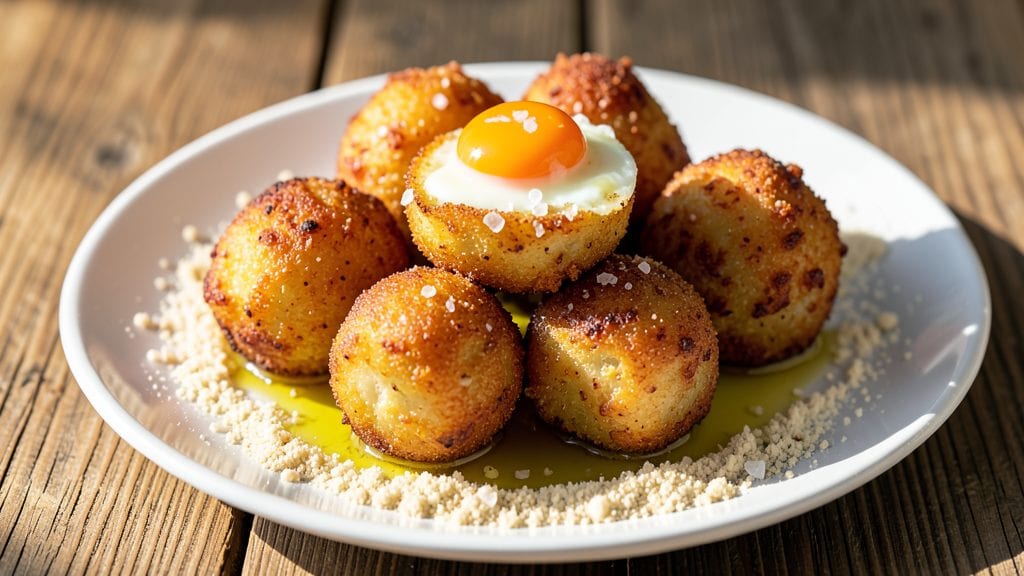
This German potato balls recipe delivers crispy cornmeal crusts with fluffy pink centers—just like my Nonna used to make in her tiny Italian kitchen. The secret lies in the perfect ratio of grated potatoes to cornmeal, which creates that signature crunch while keeping the interior tender.
I've tested this recipe countless times in my Boston apartment, adjusting until I nailed the texture that makes these a German comfort food staple.
The beauty of this recipe is its versatility—pan-fried for golden crispiness or baked for a lighter version, both methods deliver exceptional results. You'll need just five key ingredients: russet potatoes, cornmeal, eggs, flour, and a pinch of salt, but the technique transforms them into something extraordinary.
The potatoes absorb the cornmeal perfectly, creating that satisfying crunch with every bite.
What you'll end up with is a dish that's crispy on the outside, tender on the inside, and packed with that authentic German flavor. The pink hue comes from the grated potatoes, while the cornmeal crust gives them that irresistible crunch.
These potato balls are perfect as a hearty side dish or even as a main course when served with applesauce or sour cream.
Whether you're making them for a family gathering or a cozy weeknight dinner, this recipe is guaranteed to impress. The method is straightforward but requires attention to detail—especially when flipping those golden balls. Let's get started on creating these classic German potato balls that taste like home.
Ingredients for german potato balls
Five core ingredients transform simple potatoes into crispy, golden German potato balls with tender pink centers.
| Ingredient | Amount | Notes |
|---|---|---|
| Russet Potatoes 🥔 | 2 ½ lbs | Grated, skin removed |
| Fine Cornmeal 🌾 | 1 cup | White or yellow preferred |
| Large Eggs 🥚 | 2 whole | Room temperature for best binding |
| All-Purpose Flour 🌾 | ½ cup | For lightness and structure |
| Kosher Salt 🧂 | 1 tsp | Adjust to taste |
| Vegetable Oil 🫒 | 2 cups | For frying, high smoke point |
| Fresh Parsley 🌿 | ¼ cup | Chopped, for garnish (optional) |
| Butter 🧈 | 2 tbsp | Unsalted, for serving (optional) |
The russet potatoes are non-negotiable—their high starch content creates that signature fluffy interior. Look for firm, blemish-free potatoes at the grocery store, and avoid any with sprouts. Grate them yourself for the best texture; pre-shredded potatoes contain too much moisture. For cornmeal, Bob's Red Mill or King Arthur brands are reliable choices, but any fine cornmeal will work. The eggs should be at room temperature to bind the mixture properly—cold eggs can make the potato balls dense. If you're short on time, let them sit in warm water for 5 minutes.
No cornmeal? Semolina or fine breadcrumbs can substitute in a pinch, though the texture will differ slightly. For a lighter version, replace half the cornmeal with panko breadcrumbs. The flour acts as a tenderizer, so don't skip it entirely—though you can reduce it to 1/4 cup if you prefer extra crunch. If you're baking instead of frying, use avocado oil for spraying to prevent sticking. For extra flavor, add a pinch of nutmeg or paprika to the cornmeal mixture, but keep it subtle to maintain the classic taste. The parsley is purely decorative, but it adds a fresh contrast to the richness of the potato balls.
These potato balls freeze beautifully for up to 3 months—just fry them from frozen for a quick meal. For best results, fry them in small batches to maintain even cooking. Store any leftovers in an airtight container in the fridge for 3-4 days, though they're best enjoyed fresh. To reheat, pan-fry in a little oil over medium heat until crispy again. The golden crust loses its crunch when reheated, so enjoy them fresh whenever possible. If you're making a big batch, portion them into single servings before freezing for easy reheating later.
Why You'll Love This Recipe
- No Boil, No Stress: I swear by the stovetop method—just slice, simmer, mash, and roll. No peeling mountains of potatoes or waiting for a giant pot to boil. The eggs and cornmeal bind everything together like magic, so you’re not left with crumbly messes.
- Crispy Outside, Creamy Inside: That golden crust from the cornmeal and flour? Chef’s kiss. But here’s the real magic: the inside stays fluffy and buttery, like a hug in bite form. Honestly, I’ve tried other potato ball recipes, and this one actually delivers on texture every single time.
- Game Day or Dinner Party: Serve them warm with gravy for a hearty weeknight dinner, or let them cool and toss them in a salad for a crispy, unexpected twist. My in-laws think they’re homemade fries—no one ever guesses they’re potato balls.
- Pantry Staples Only: Russets, flour, eggs—ingredients you already own. Between us, I’ve made these for under $2 per serving, and they disappear faster than my willpower when I’m hungry. Plus, they reheat like a dream, so leftovers? Never a problem.
Step-by-step instructions for German potato balls recipe
Master the art of these classic German potato balls with a perfect balance of crispy cornmeal crusts and tender pink centers.
Prepare the Potato Mixture
Begin by grating the 2.5 lbs Russet Potatoes using a box grater or food processor, removing any skin or fibrous bits. Transfer the grated potatoes to a clean kitchen towel and squeeze out all excess moisture—this step is crucial for achieving crispy potato balls. You want the potatoes to be as dry as possible before mixing.
In a large mixing bowl, combine the drained potatoes with the 2 whole Large Eggs, 0.5 cup All-Purpose Flour, 1 cup Fine Cornmeal, and 1 tsp Kosher Salt. Use your hands to gently mix everything until fully incorporated. Avoid overworking the mixture, as this can make the potato balls dense rather than light and fluffy. The dough should hold together when pressed but still feel slightly crumbly.
Form the Potato Balls
Wet your hands slightly to prevent sticking, then roll the potato mixture into balls about 2 inches in diameter. Aim for consistency in size so they cook evenly. Place the formed potato balls on a plate and let them rest for 10 minutes at room temperature. This brief rest helps them hold their shape better during frying.
While the potato balls rest, heat 2 cups Vegetable Oil in a deep skillet or Dutch oven to 350°F. Use a thermometer to monitor the oil temperature—it should be hot enough to create gentle bubbles around the potato balls when added. If the oil isn't hot enough, the potato balls will absorb oil instead of developing a crispy crust.
Fry to Golden Perfection
Carefully add 4-5 potato balls at a time to the hot oil, being mindful not to overcrowd the pan. Fry for 4-5 minutes until the potato balls are golden brown and floating to the surface. If they sink, they need more time—remove them only when they're fully cooked through and crispy.
Use a slotted spoon to transfer the fried potato balls to a paper towel-lined plate to drain excess oil. Keep them warm in a 200°F oven while you fry the remaining batches. The potato balls should be crispy on the outside with a tender, fluffy interior that's just pink in the center—this is the hallmark of a perfectly cooked German potato ball.
Serve Warm and Garnish
Once all the potato balls are fried, transfer them to a serving platter. Melt the 2 tbsp Butter in a small saucepan over low heat, then drizzle it lightly over the potato balls for added richness. Garnish with the 0.25 cup Fresh Parsley, chopped finely, for a pop of color and freshness.
Serve the potato balls immediately while they're still crispy and warm. They pair beautifully with a side of applesauce, gravy, or a simple green salad. The contrast of the crispy crust and tender interior makes these potato balls a satisfying dish that's perfect for any meal.
Pro Tips For Making German Potato Balls
- Boil Potatoes Cold: Start your Russets in cold water—yes, even if you’re eager to get cooking. I used to toss them in boiling water and ended up with uneven cooking and a gummy center. Cold water ensures they cook through smoothly, especially if you’re using larger chunks. Add salt only after they’re boiling, or you’ll just end up with salty water.
- Press Cornmeal Firm: Don’t just sprinkle the cornmeal like confetti—press it into the potato mixture until it’s fully incorporated. I learned this the hard way when my first batch crumbled apart in the fryer. A spoon or your fingers work; just make sure every piece of potato is coated. This is what gives those balls their signature crispy exterior.
- Fry in Batches: Overcrowding the pot is a fast track to soggy potato balls. Keep the oil hot (350°F) and fry them in small batches—no more than 4-5 at a time. If you’re impatient like me, resist the urge to add more; the oil will cool, and you’ll end up with greasy, unevenly cooked balls. A thermometer helps, but even without one, watch the bubbles: they should be steady, not wild.
- Let Eggs Chill: After mixing the egg into the potato dough, pop it in the fridge for 15-20 minutes. I was skeptical—why slow down?—but it makes a real difference. The cold helps the flour absorb better, so your balls hold together when frying. Plus, it gives you time to prep the oil while the mixture firms up. No one likes a crumbling potato ball in their gravy.
Pro cooking tips for great german potato balls
Oil Temperature Secrets
The magic happens at 350°F—any hotter and you'll burn the crust before the centers cook, any cooler and they'll absorb oil like a sponge. I use a ThermoWorks digital thermometer because my old oven thermometer was about as accurate as a Boston winter forecast.
Test the oil by dropping in a pinch of potato mixture—if it sizzles immediately and floats, you're ready. 🌡️
Dough Consistency Matters
Your potato mixture should be just sticky enough to hold when pressed but not so wet it falls apart. If it's too loose, add 1 tablespoon more cornmeal at a time. Too dry? Add 1 teaspoon milk or water.
I once made the mistake of skipping the rest time and ended up with misshapen balls that broke apart during frying—10 minutes resting makes all the difference.
Pan-Fry in Batches
Overcrowding is the enemy of crispiness. Fry 4-5 potato balls at a time in a 10-inch cast iron skillet—I use my trusty Lodge because it heats evenly. If you see the oil temperature drop below 325°F when adding more balls, wait 2-3 minutes for it to recover.
The bubbles should be gentle but consistent around each potato ball.
Flipping Technique
Use a slotted spoon to carefully flip the potato balls halfway through cooking—about 2-3 minutes in. I've learned the hard way that poking them too early causes them to fall apart.
Look for the edges to turn golden brown before flipping. Once they're floating and golden on all sides, they're done. The center should be just tender, not mushy.
Baking Alternative
For a lighter version, bake at 425°F for 20-25 minutes on a parchment-lined sheet, flipping halfway. Brush with 1 tablespoon melted butter before baking for extra crispiness. I tested this method after my apartment's smoke alarm went off during frying—still delicious, just less dramatic. 🔥
Garnish Like a Pro
Fresh parsley isn't just for looks—it adds brightness that cuts through the richness. I chop mine finely with a Microplane for even distribution. For extra flair, sprinkle with flaky sea salt right after frying while they're still warm. The contrast of textures makes these potato balls feel restaurant-quality.
Nutrition facts
Frequently asked questions
Why do German potato balls need to rest before frying?
The 10-minute rest lets the moisture redistribute and the dough firm up slightly, preventing them from falling apart in hot oil. I learned this the hard way when my first batch crumbled—now I never skip this step!
Can I make these potato balls ahead of time?
Yes! Shape them and refrigerate for up to 24 hours before frying. For freezing, form the balls and freeze them raw on a tray before transferring to a bag. Fry from frozen (add 1-2 extra minutes per side). The texture stays crispy when reheated properly.
What's the best way to keep them crispy after serving?
Serve immediately for maximum crunch, but if you must reheat, use a dry skillet over medium heat for 2-3 minutes per side. Microwaving kills the crispiness—always pan-fry for best results. Store leftovers in a single layer to maintain texture.
Are there gluten-free substitutions for the flour?
Replace the 0.5 cup all-purpose flour with 0.5 cup gluten-free 1:1 baking flour or 0.4 cup cornstarch. The texture will be slightly different but still delicious. For extra binding, add 1 extra tablespoon cornmeal to compensate for the lack of gluten structure.
How do I know when they're fully cooked?
They're done when golden brown, floating, and the center reaches 160°F internally. Cut one open—if it's still slightly pink in the center with no raw potato, it's perfect. Overcooking makes them dry, so remove them just before they reach this point.