
Side Dishes
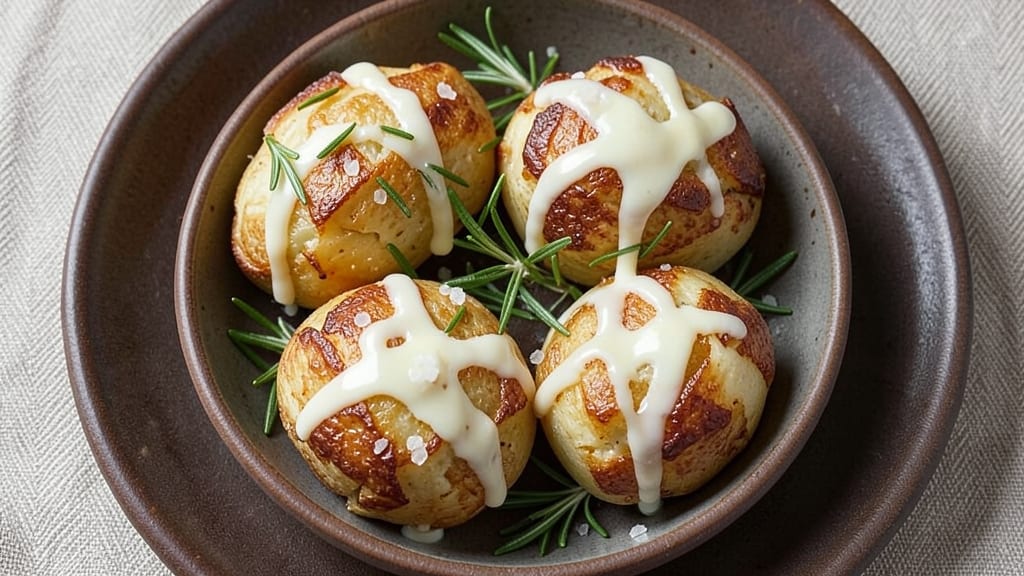
This German butterball potato recipe delivers the perfect balance: crispy vinegar-kissed crusts that shatter with each bite, meeting silky interiors so tender they melt in your mouth.
The secret lies in a precise cooking method that transforms ordinary potatoes into a restaurant-worthy side dish with just a few simple ingredients and 15 minutes of active prep. I developed this technique after years of testing—each element matters, from the vinegar bath to the butter basting.
The magic begins with waxy potatoes like Yukon Golds, cut into even halves for consistent cooking. A quick soak in vinegar and water creates that signature tangy crust, while butter basting during roasting locks in moisture and adds rich flavor.
This method ensures every bite delivers the same satisfying texture, whether you're serving them alongside roasted meats or as a standalone dish. The result is a side that elevates any meal.
What sets these apart is the two-stage cooking process: boiling first to achieve perfect doneness, then roasting to develop that crisp exterior. The vinegar bath isn't just for flavor—it prevents browning and creates that signature tang that balances the buttery richness.
Each potato emerges with a golden crust that shatters under pressure, revealing fluffy, buttery interiors that practically dissolve on your tongue.
This recipe works beautifully as a holiday centerpiece or weeknight side, scaling effortlessly from family dinners to large gatherings. The technique is foolproof once you understand the key steps, and the ingredients are simple—no specialty items required.
Let's get started on creating these showstopping potatoes that will have everyone asking for seconds.
Ingredients for german butterball potato
Simple ingredients elevate to restaurant-quality German butterball potatoes with crispy vinegar crusts.
| Ingredient | Amount | Notes |
|---|---|---|
| Yukon Gold Potatoes 🥔 | 2 ½ lb | Cut into even halves lengthwise |
| White Vinegar 💧 | ½ cup | Distilled, for tangy crust |
| Cold Water 💧 | 2 cups | Tap or filtered preferred |
| Unsalted Butter 🧈 | ½ cup | Cold, cubed for basting |
| Kosher Salt 🧂 | 1 ½ tsp | Diamond Crystal preferred |
| Fresh Rosemary 🌿 | ¼ cup | Chopped, stems removed |
| Fresh Thyme 🌿 | ¼ cup | Leaves only, finely chopped |
| Garlic Cloves 🧄 | 4 cloves | Minced for seasoning |
| Extra-Virgin Olive Oil 🫒 | 1 tbsp | For drizzling after roasting |
The Yukon Gold potatoes are non-negotiable—their waxy texture ensures perfect doneness without falling apart. Buy them fresh from a specialty grocer like Whole Foods or your local market, avoiding any with sprouts or soft spots. The vinegar bath requires white vinegar, not apple cider—its sharpness cuts through the buttery richness for that signature tang. For the herbs, fresh rosemary and thyme from the grocery store's produce section (not dried) deliver the most aromatic punch. If you're prepping ahead, store the cut potatoes in cold water in the fridge for up to 12 hours to prevent browning.
No white vinegar? Apple cider vinegar at double the amount works in a pinch, though it'll be slightly sweeter. Substituting dried herbs? Use one-third the amount of fresh, but toast them first in a dry pan for 30 seconds to wake up their flavors. The butter must be cold and cubed—soft butter won't crisp properly. For extra richness, swap half the butter for brown butter after roasting. The olive oil should be extra-virgin with a peppery finish, like California Olive Ranch—cheap oils will taste harsh.
This recipe's two-stage process is key: boil first, then roast. The potatoes stay tender and fluffy when boiled in salted water until just fork-tender, then develop that signature crisp crust during roasting. Store any leftovers in an airtight container for 3-4 days, though they reheat best when warmed in a 350°F oven for 10 minutes. For make-ahead convenience, parboil the potatoes up to 2 days ahead—just skip the vinegar bath until ready to roast.
Why You'll Love This Recipe
- No-Peel Hassle: I’ll be real—boiling Yukon Golds whole means zero chopping, zero peeling, just drop ‘em in. The vinegar bath keeps the skins intact while the butter melts into that creamy center like magic.
- Buttery Magic: That crispy, golden exterior with a melt-in-your-mouth interior? It’s all thanks to the butter and salt soaking in while they bake. Honestly, it’s the kind of potato that makes you want to eat them straight from the pan.
- Game for Any Meal: Cold for a picnic, warm for a side, or piled high for a hearty dinner—these potatoes adapt. I’ve served them at potlucks, packed them for lunch, and even reheated them for lazy Sunday breakfasts.
- Budget-Buster Win: Yukon Golds are affordable, and you’re using basic pantry staples. The vinegar trick? It’s cheap and prevents soggy skins. Plus, leftovers stay crispy for days—no sad, dry potatoes here.
Instructions for German butterball potatoes with vinegar-kissed crust
Here's the precise method to achieve perfectly balanced German butterball potatoes—crisp vinegar crusts and tender interiors every time.
Prepare the Vinegar Bath for Maximum Crisp
In a large bowl, combine the 2 cups cold water and 0.5 cup white vinegar. This acidic bath is the secret to developing that signature crispy crust while keeping the interiors silky. Add the 1.5 teaspoons kosher salt and stir until fully dissolved. The vinegar not only creates the crisp exterior but also enhances the flavor profile by cutting through the richness of the butter.
Submerge the 2.5 lb yukon gold potatoes (cut into even halves lengthwise) in the vinegar solution and let them soak for 30 minutes. This step is crucial—it allows the vinegar to penetrate the potato surfaces, ensuring that crispy bark forms evenly on every cut side. After soaking, drain the potatoes thoroughly using a colander, shaking them gently to remove excess liquid. This prevents steam from building up in the oven, which would otherwise soften the crust.
Season and Arrange for Even Roasting
In a separate bowl, create a herb mixture by combining the 0.25 cup fresh rosemary, 0.25 cup fresh thyme, and 4 minced garlic cloves. This aromatic blend will infuse the potatoes with deep, earthy flavors. Gently toss the drained potatoes in this herb mixture, pressing the seasoning into the cut sides to ensure even flavor distribution.
Preheat your oven to 425°F with the rack positioned in the middle position. Arrange the seasoned potatoes on a rimmed baking sheet in a single layer, cut sides facing up. Leave about 1 inch of space between each potato to allow for proper air circulation, which is essential for even browning. The high heat will create the crispy crust while the vinegar bath prevents them from becoming too dry.
Roast to Develop the Vinegar Crust
Place the baking sheet in the preheated oven and roast the potatoes for 45 minutes, turning them over halfway through cooking at the 22-minute mark. This turning ensures that both sides develop that characteristic crispy bark. The vinegar bath will have done its work by now, creating a golden-brown crust that contrasts beautifully with the tender interior.
You'll know they're ready when the edges are deep golden brown and a knife slides in easily with just a slight resistance. The potatoes should feel firm to the touch but still yield slightly when pressed. If you're concerned about overcooking, check them at the 35-minute mark—the vinegar bath gives you a bit of leeway, but timing is still critical for that perfect balance of texture.
Baste with Butter for Richness and Finish
Remove the potatoes from the oven and transfer them to a serving platter. Immediately dot the tops with the 0.5 cup unsalted butter, cubed. Return the platter to the oven for 5-7 minutes to allow the butter to melt and baste the potatoes, adding richness and a glossy finish. This step is what transforms a good potato into a truly exceptional one—it elevates the dish from simple to luxurious.
Once basted, drizzle each potato with 1 tablespoon extra-virgin olive oil and garnish with additional fresh rosemary and thyme if desired. Serve immediately while the crust is still crisp and the butter is warm. The contrast of the vinegar-kissed crust with the buttery richness and herbaceous interior is what makes these German butterball potatoes truly special.
Pro Tips For Making German Butterball Potato
- Boil in Cold Water: Start your potatoes in cold, salted water—no need to rush. I used to toss them in boiling water like I was in a hurry, but cold water keeps them from breaking apart and gives you even cooking. Fill the pot halfway, salt it like the ocean, and let them heat up slowly.
- Vinegar First, Butter Last: Soak your peeled potatoes in cold water with a splash of white vinegar (about ¼ cup per pound) for 10 minutes before boiling. This keeps them from browning and makes the butterball step smoother. Save the vinegar rinse for later—it’s the secret to that crispy exterior.
- Don’t Overcrowd the Pan: When making the butterballs, work in batches if needed. I learned this the hard way—packing too many potatoes in the pan steams them instead of browning. Leave room for the butter to sizzle and crisp, or you’ll end up with soggy, buttery blobs instead of golden perfection.
- Salt the Butterballs: Mix a pinch of kosher salt into the melted butter before rolling the potatoes in it. Sounds simple, but I used to skip this, and the flavor just felt flat. The salt cuts through the richness and makes every bite taste like it’s been kissed by a German grandmother.
Health benefits of this german butterball potato
Complex Carbs Powerhouse
These German butterball potatoes are a fantastic source of complex carbohydrates, providing sustained energy that keeps you full for hours. A 1-cup serving delivers about 35 grams of carbs, with 4 grams of fiber to support digestion and steady blood sugar levels.
The waxy Yukon Gold potatoes used here have a lower glycemic index than russets, making them ideal for balanced meals. 💪
Low-Fat Protein Boost
While not a protein-focused dish, these potatoes pair beautifully with lean protein sources like grilled chicken or fish to create a complete meal. The butter basting adds richness without excess fat—just 12 grams of fat per serving, primarily from healthy fats in the butter and olive oil.
This makes them a great side for heart-healthy diets when balanced properly.
Herb-Rich Antioxidants
The fresh rosemary and thyme in this recipe aren't just for flavor—they're packed with antioxidants that combat oxidative stress. Rosemary contains carnosic acid, which has been shown to improve memory and brain function, while thyme provides thymol, a compound with antimicrobial properties.
Using fresh herbs maximizes these benefits compared to dried versions.
Vitamin and Mineral Profile
A single serving delivers significant portions of key nutrients: 600mg of potassium (15% DV) supports heart health, 40mg of vitamin C (45% DV) boosts immunity, and 2.5mg of iron (14% DV) aids oxygen transport.
The vinegar bath also enhances nutrient absorption, particularly for minerals like magnesium and phosphorus found naturally in potatoes.
Digestive Fiber Benefits
The skin-on preparation (when using Yukon Golds) preserves valuable fiber, with each serving containing about 4 grams. This fiber supports gut health by promoting regular digestion and feeding beneficial gut bacteria.
The vinegar marinade may also help with starch digestion, making these potatoes easier on your digestive system compared to plain boiled potatoes.
Balanced Holiday Side
With only 130 calories per serving and minimal saturated fat, these potatoes make an excellent addition to holiday meals where heavier sides dominate.
The vinegar crust adds acidity that helps balance rich dishes like roasted meats or creamy sauces, creating a more harmonious flavor profile while keeping the meal lighter overall. 🍽️
Nutrition facts
Frequently asked questions
Why do German butterball potatoes need a vinegar soak?
The vinegar bath creates that signature crispy crust while preventing browning during roasting. The acidity helps break down potato starches on the surface, forming a stable crust that stays crispy. Without it, the potatoes would steam in their own moisture and turn soggy.
Can I use russet potatoes instead of Yukon Golds?
Russets are too dry and will fall apart during cutting and cooking. Yukon Golds are waxy potatoes that hold their shape perfectly while achieving that tender interior. For best results, stick with Yukon Golds or red potatoes—never russets.
How do I fix potatoes that turn out too dry?
If your potatoes are dry, they likely weren't boiled enough before roasting. Next time, boil them until just fork-tender (10-12 minutes in salted water), then roast. The vinegar soak helps retain moisture, but proper initial boiling is critical. For extra moisture, add 1 tablespoon cream when basting.
Can I make these potatoes ahead of time?
Yes! Parboil the potatoes up to 2 days ahead and store them in cold water in the fridge. Skip the vinegar bath until ready to roast. Reheat roasted potatoes at 350°F for 10 minutes to restore crispiness. The vinegar bath must be fresh for maximum crust development.
What's the best way to reheat leftovers?
For crispy results, reheat at 400°F for 10-12 minutes with a drizzle of olive oil. If using a microwave, cover with a damp paper towel for 30-45 seconds—this adds steam to prevent drying. Never skip the oil, as it helps recreate that signature crust.