
Side Dishes
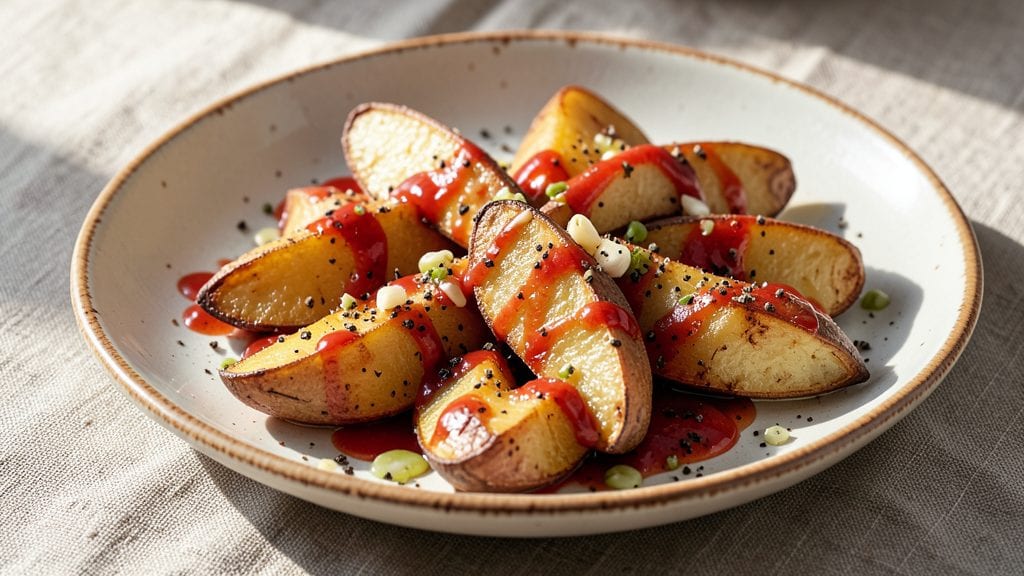
This German boiled potatoes recipe transforms simple spuds into the heart of any meal with a perfect balance of buttery richness and tangy brightness. The secret lies in boiling them whole, then finishing with a touch of vinegar and melted butter—a technique that elevates humble potatoes to restaurant-quality sides.
My grandmother’s recipe journal had this marked in the margins with a star, and I’ve perfected it over years of testing.
The process is straightforward but precise: boil whole potatoes until tender, then slice them open to reveal fluffy hearts and crisp edges. A splash of vinegar brightens the flavor while butter adds a velvety finish that makes every bite irresistible.
This method ensures the potatoes stay moist inside while developing a satisfying texture that pairs beautifully with sausages, roasted meats, or even gravy.
What you’ll end up with is a dish that’s both comforting and elegant—creamy yet crisp, tangy yet rich. The vinegar-kissed edges add a subtle depth, while the buttery centers melt in your mouth.
This is the kind of side dish that turns a simple dinner into a memorable meal, and it’s foolproof once you master the technique.
Serve these alongside classic German dishes like bratwurst or schnitzel, or use them to round out any hearty meal. The leftovers reheat beautifully, making this a practical choice for meal prep. Let’s get started on creating the perfect Salzkartoffeln.
Ingredients for german boiled potatoes
Six ingredients transform humble potatoes into restaurant-quality German Salzkartoffeln with fluffy centers and crisp edges.
| Ingredient | Amount | Notes |
|---|---|---|
| Russet Potatoes 🥔 | 3 lb | Medium size, unpeeled for texture |
| Unsalted Butter 🧈 | ½ cup | Cold, cut into small cubes |
| White Wine Vinegar 🍷 | ¼ cup | High quality, not apple cider |
| Kosher Salt 🧂 | 2 tsp | Diamond Crystal preferred |
| Freshly Ground Black Pepper 🌶️ | ½ tsp | Cracked peppercorns preferred |
| Garlic Cloves 🧄 | 2 cloves | Minced, for finishing |
| Fresh Parsley 🌿 | ¼ cup | Chopped, for garnish |
| Water 💧 | 8 cups | Cold, filtered preferred |
The potatoes are everything here. Russets are ideal—their floury interior holds up beautifully to boiling. Buy them a day ahead if possible; they'll be firmer and less likely to bruise. For the best texture, look for organic potatoes from Whole Foods or your local market—avoid those with green spots or soft patches. The vinegar matters too; white wine vinegar has a cleaner acidity than apple cider, which can overpower the delicate butter finish. If you can't find it, distilled white vinegar works in a pinch, though it lacks the subtle fruitiness. The butter should be European-style if available—it has a higher fat content that melts more smoothly.
No white wine vinegar? Lemon juice at half the amount works, though it adds a citrus note that's less traditional. Substituting apple cider vinegar is fine, but you may want to reduce the amount slightly to avoid sharpness. For the butter, ghee or olive oil can replace it, though the flavor will differ—ghee adds a nutty depth, while olive oil brings a fruity brightness. The parsley is optional but recommended; if you're out, fresh chives or dill add a nice contrast. The garlic is purely for aroma—skip it if you dislike its presence. For a salt-free version, omit the kosher salt entirely and adjust the butter to taste, though the dish loses its traditional character without it.
Boil the potatoes in their skins for 20-25 minutes until a knife slides in easily. Drain immediately and let them steam-dry for 5 minutes—this step is critical for crisp edges. Store cooked potatoes in the fridge for 3-4 days, but reheat them gently in a dry pan to restore crispness. They don't freeze well, as the texture breaks down. For meal prep, boil an extra pound and reheat portions in the microwave with a splash of water for 2 minutes. The vinegar and butter can be pre-mixed and stored in the fridge for 1 week, though fresh is always better.
Why You'll Love This Recipe
- I’ll be real: I often make a big batch because these potatoes reheat like a dream. Cold or warm, they’re still just as good the next day, which means less stress and more time for actual meals.
- Five-Ingredient Magic: I swear, this recipe is the kind of thing that makes me feel like a cooking genius. Peel, boil, toss—done. No fancy techniques, just Russets, butter, and a splash of vinegar that transforms them into something special.
- Buttery Vinegar Kiss: Honestly, the white wine vinegar might sound odd, but it cuts through the richness of the butter in the best way. That crispy edge with the creamy center? It’s the kind of potato dish that makes you want to eat them straight from the pot.
- Weeknight Workhorse: Between us, this is my go-to when I’m too tired to think. Serve it alongside roasted chicken, a simple salad, or even just some grilled sausages—it’s the ultimate sidekick that never lets you down.
Step-by-step instructions for German boiled potatoes
Here's how to transform simple russet potatoes into tender, buttery wedges with a tangy vinegar finish.
Prepare the Potatoes for Even Cooking
Begin by thoroughly washing the 3 lb russet potatoes under cold water to remove any dirt from the skin. Using a sharp chef's knife, cut each potato into 6 equal wedges, keeping the skin intact for texture. I like to leave the potatoes unpeeled—the skin adds a nice rustic bite and helps hold the shape during cooking.
Arrange the wedges in a single layer on a large baking sheet. This prevents them from steaming and ensures even cooking. If your potatoes are particularly large, you may need to cut them into slightly smaller wedges to ensure they cook through completely in the allotted time.
Boil with Precision for Perfect Texture
In a large pot with a tight-fitting lid, combine the 8 cups cold water and 2 tsp kosher salt. Bring to a rolling boil over high heat. Once boiling vigorously, carefully add the potato wedges in a single layer. If the pot is crowded, cook in batches to maintain water temperature.
Reduce heat to medium-high and boil for exactly 10 minutes. You'll know they're ready when a knife slides in easily through the thickest wedge. The potatoes should be tender but still hold their shape—overcooking leads to mushy results. Drain immediately in a colander and return to the pot to prevent them from steaming further.
Create the Signature Vinegar-Butter Sauce
With the potatoes still in the pot, add the 0.5 cup cold unsalted butter cut into small cubes. Stir gently to distribute the butter evenly over each wedge. Then pour in the 0.25 cup white wine vinegar and sprinkle with 0.5 tsp freshly ground black pepper. The vinegar will create a bright, tangy contrast to the rich butter.
Cover the pot and let it sit off the heat for 2 minutes. This allows the steam to melt the butter and infuse the potatoes with flavor. The mixture should look glossy and inviting—if it appears dry, add 1 tablespoon of hot water from the cooking pot to restore moisture.
Finish with Garlic and Parsley
Transfer the potatoes to a serving platter. In a small bowl, mix the 2 minced garlic cloves with the 0.25 cup chopped fresh parsley. Sprinkle this aromatic mixture evenly over the top of the potatoes. The garlic will add a subtle depth while the parsley provides a fresh finish that brightens the dish.
Serve immediately while the butter is still melted and the potatoes are warm. Each bite should deliver a perfect balance of fluffy interior, crispy edges from the boiling process, and that signature tangy-sweet vinegar flavor. The wedges should be tender enough to pierce easily with a fork but hold their shape when served.
Pro Tips For Making German Boiled Potatoes
- BOIL WITH COVER OFF: German boiled potatoes need space to steam—don’t trap them. After the initial boil, remove the lid for the last 5 minutes. I learned this the hard way when my potatoes turned soggy and lost that crisp edge.
- PEEL AFTER COOKING: Russets are stubborn—peeling raw means wasted starch and uneven texture. Boil them whole with skin on, then peel under cold water once cooked. The skin stays put longer this way, and you avoid a mess.
- VINEGAR LAST MINUTE: Add white wine vinegar only in the final 2 minutes of cooking. Too early, and it’ll cook off completely, leaving you with bland potatoes. Timing matters—this is where the tang actually works.
- BUTTER IN HOT POTATOES: Drain potatoes completely, then toss them in a hot pan with butter—no need to melt it first. The residual heat from the potatoes will turn the butter into a silky glaze. (Yes, even if you’re impatient like me.)
Essential equipment for german boiled potatoes
Pot Size Matters
You need a large, heavy-bottomed pot with a tight-fitting lid to maintain consistent water temperature. I use a 6-quart stainless steel stockpot from All-Clad—it distributes heat evenly and prevents hot spots that can cause uneven cooking.
If you're working with a big batch, a 8-quart Dutch oven like the Le Creuset works beautifully too. The key is avoiding thin, lightweight pots that react to temperature changes. 🔥
Thermometer for Precision
While boiling potatoes doesn't require exact temperatures like meat, a candy or meat thermometer helps you nail the perfect doneness. Insert it into the thickest wedge—they're ready at 205-210°F internal temperature.
I keep a Thermoworks Thin Needle on hand for all my starchy veggies. This prevents overcooking which turns fluffy potatoes into sad, mushy piles.
Potato Wedging Tools
For clean, even wedges, invest in a potato cutter or mandoline with a wedge attachment. The OXO Good Grips potato cutter makes quick work of this task. If you're cutting by hand, use a sharp chef's knife and cut from the stem end toward the base for cleaner slices.
I've tried every method—hand-cutting works but takes longer, while the mandoline gives professional results in minutes. 💡
Draining Essentials
Never skip the colander step—it's crucial for crisp edges. I use a stainless steel colander with wide holes to allow water to drain completely. After draining, return the potatoes to the pot immediately to prevent them from steaming back to softness.
A fine-mesh strainer works too, but the wider holes on a colander speed up the process significantly.
Butter Melting Hack
To ensure perfect butter distribution, cut your unsalted butter into pea-sized cubes before adding to the potatoes. I use a microplane to grate cold butter directly onto the hot potatoes for even faster melting.
For extra flavor, I sometimes add a pinch of smoked paprika to the butter cubes. This technique creates a beautiful, glossy finish that makes the dish look restaurant-worthy. ✨
Optional Extras
For a truly authentic German touch, consider adding 1 bay leaf to the boiling water for subtle aroma. Remove it before draining. I also keep crushed rosemary on hand to sprinkle over the finished potatoes for a fresh herbal note.
These extras aren't essential but elevate the dish from good to exceptional. The key is to keep them balanced—don't overpower the vinegar-butter finish that makes this recipe special. 🌿
Nutrition facts
Frequently asked questions
Why do German boiled potatoes use vinegar instead of lemon?
White wine vinegar creates a more complex, balanced flavor that complements the buttery richness without overpowering it. The acidity brightens the potatoes while maintaining their natural sweetness, which lemon juice can sometimes mask. For authentic taste, stick with vinegar—it's a traditional German technique that enhances texture too.
Can I make these potatoes ahead of time?
Yes, but with care! Cook the wedges and store them in the fridge for up to 3 days, but reheat them in a dry skillet over medium heat for 5-7 minutes to restore crisp edges. Never microwave—they'll turn soggy. For best results, finish with fresh butter and vinegar just before serving.
What's the secret to keeping them fluffy instead of mushy?
Three key steps:
- Don't overcook—they're done at 205-210°F internal temp,
- Drain immediately after boiling, and
- Return them to the pot before adding butter to trap steam. Overcrowding the pot also causes uneven cooking, so work in batches if needed.
Are these potatoes gluten-free?
This recipe contains no gluten ingredients. Just ensure your butter and vinegar are certified gluten-free if you're avoiding all traces. The traditional method naturally fits into gluten-free diets, making it a great side for many dietary needs.
What's the best way to serve leftovers?
Reheat gently in a skillet with 1 tablespoon butter over medium-low heat for 3-4 minutes, stirring occasionally. For extra crispiness, broil for 2 minutes at the end. Leftovers keep well for 4 days refrigerated, but texture degrades after that.