
Side Dishes
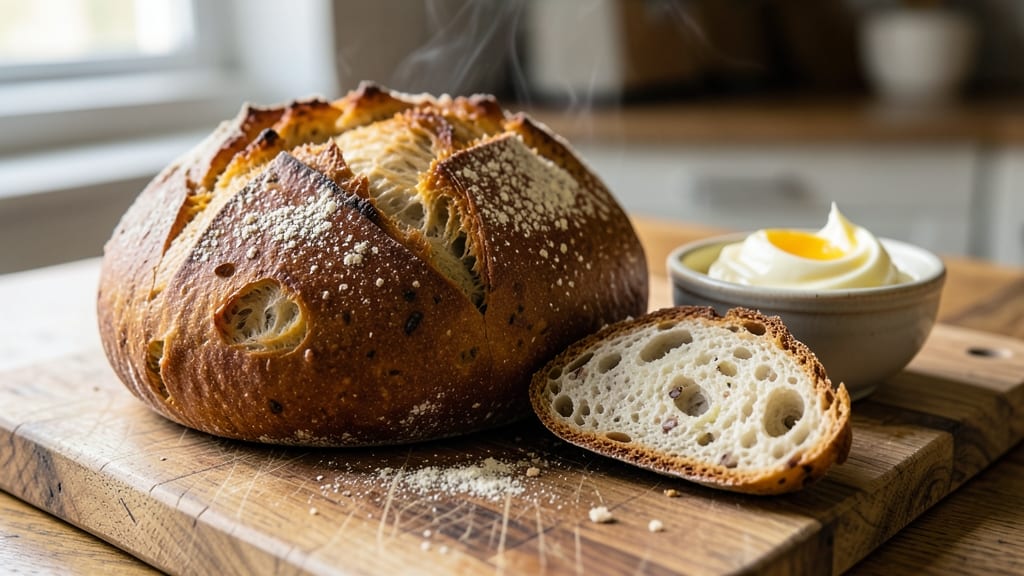
This fermented potato bread recipe transforms humble potatoes into a tangy, artisanal loaf with a crispy crust and airy interior—perfect for elevating any meal. 💛 The secret lies in blending mashed potatoes with sourdough starter, creating a dough that ferments into complex, savory depth while maintaining a light, fluffy texture.
I developed this recipe after years of experimenting with fermented doughs, and it’s become a staple in my kitchen for its unique flavor and satisfying crunch.
The process begins with a simple mashed potato base, which replaces some of the flour in traditional bread recipes. This substitution adds moisture and a subtle earthiness, while the sourdough starter introduces that signature tangy richness.
The dough ferments overnight, allowing the flavors to develop and the gluten to relax, resulting in a loaf that’s both hearty and delicate. Unlike dense potato breads, this version stays light and airy, with a crisp exterior that shatters when sliced.
What makes this recipe stand out is the balance of textures—crispy, golden crust that gives way to a tender, fluffy crumb infused with potato’s natural sweetness. The fermentation process also enhances digestibility and depth of flavor, making it a healthier yet indulgent choice.
Whether served fresh with butter or toasted into crispy slices, this bread is a game-changer for side dishes or a satisfying main on its own.
Ready in just 24 hours (including fermentation), this recipe is ideal for weekend baking projects. The hands-off method means minimal effort, but the results are anything but basic. Once you try fermented potato bread, you’ll never go back to plain potato rolls again. Let’s get started!
Ingredients for fermented potato bread
Artisanal sourdough meets rustic potato bread in this fermented loaf with crispy crust and fluffy heart.
| Ingredient | Amount | Notes |
|---|---|---|
| Russet Potatoes 🥔 | 2 lb | Yukon Gold or red preferred |
| Unbleached All-Purpose Flour 🌾 | 3 cups | High-protein for structure |
| Active Sourdough Starter 🍞 | 1 cup | 100% hydration, bubbly |
| Whole Milk 🥛 | ½ cup | Full-fat for richness |
| Large Eggs 🥚 | 2 whole | Room temperature preferred |
| Unsalted Butter 🧈 | ¼ cup | Cold, cubed for dough |
| Granulated Sugar 🍚 | 1 tbsp | White or brown |
| Diamond Crystal Kosher Salt 🧂 | 1 ½ tsp | Fine grain preferred |
| Extra-Virgin Olive Oil 🫒 | 2 tbsp | For dough handling |
| Cornmeal 🌽 | ¼ cup | For dusting loaf pan |
| Water 💧 | ½ cup | Room temperature |
| Sesame Seeds 🌻 | 1 tbsp | Optional for topping |
The potato selection matters—Russet potatoes yield the fluffiest texture, but Yukon Gold adds natural sweetness. Most grocery stores carry these, but specialty markets like Whole Foods often have organic options with better flavor. For the sourdough starter, maintain a 100% hydration ratio (equal parts flour and water by weight) to ensure optimal fermentation. If you're new to sourdough, King Arthur's starter kit provides reliable results. The flour should be high-protein (12-14% protein) to develop proper gluten structure—King Arthur or Caputo are excellent choices for this recipe.
No sourdough starter? Commercial biga or poolish works as a substitute, though the flavor won't develop as tangy. Running short on butter? Vegetable shortening at the same weight maintains texture but lacks flavor. The milk can be swapped for buttermilk or whole Greek yogurt for added tang. For the eggs, ensure they're room temperature to prevent dough shock. Prefer a sweeter loaf? Maple syrup at half the sugar quantity adds depth without overpowering. The cornmeal is non-negotiable for crisping the crust—fine-ground cornmeal works best.
Store-bought sourdough starter requires daily feeding for 5-7 days before use. The dough ferments best at 70-75°F—use an oven with the light on if your kitchen runs cooler. Once baked, this loaf stays fresh for 3-4 days at room temperature, wrapped in a cotton towel. For longer storage, freeze slices wrapped in parchment paper for up to 3 months. Reheat in a 350°F oven for 5-7 minutes to restore crispiness.
Why You'll Love This Recipe
- No Peel, No Stress: I’ll admit—peeling potatoes used to make me groan. But here, you just scrub and grate those Russets raw, no knife work required. The skin’s nutrients stay put, and the texture? Still light and fluffy, like magic.
- Tangy Potato Magic: That sourdough starter isn’t just a trend—it’s the secret. The fermented flour gives this bread a subtle sour punch, while the Russets add a buttery depth. Honestly, it’s the kind of flavor that makes you reach for seconds without thinking.
- Weeknight Workhorse: Between us, this bread is my go-to for sandwiches, toast, or even a quick French toast breakfast. The milk and eggs keep it rich enough to feel special, but the dough comes together faster than takeout. (Yes, even on a Tuesday night.)
- Leftovers That Don’t Suck: Most bread turns stale in days, but this? It stays fresh for weeks if wrapped tight. I’ve reheated slices straight from the fridge for days—crispy crust, soft inside—like it was just baked. Zero waste, all win.
Step-by-step instructions for fermented potato bread
Transform humble russets into a sourdough masterpiece with this method—where tangy crust meets airy potato hearts.
👨🍳 Step 1: Cook and Mash the Potatoes
Preheat oven to 400°F. Pierce the 2 lb russet potatoes with a fork and bake directly on the middle rack for 45-50 minutes until a knife slides in easily. Let cool slightly, then peel and place in a large bowl. Mash until completely smooth—no lumps remain. This creates the bread's signature moist crumb.
While still warm, stir in 2 tbsp extra-virgin olive oil and 1 tbsp granulated sugar. The oil prevents the mash from drying out during fermentation, while sugar feeds the yeast. Let cool to 100°F before proceeding—this prevents killing your starter.
🥘 Step 2: Build the Fermented Dough
In a stand mixer fitted with the dough hook, combine the cooled potato mash with 3 cups unbleached all-purpose flour, 1 cup active sourdough starter, 0.5 cup whole milk, 2 whole large eggs, and 1.5 tsp diamond crystal kosher salt. Mix on low speed until just combined, about 2 minutes—you're looking for a shaggy dough that comes together when pressed.
Add 0.25 cup unsalted butter, cubed and chilled, and continue mixing until fully incorporated. The butter should be evenly distributed but still visible in small flecks. This creates pockets of richness that melt during baking. Let the dough rest for 10 minutes while you prepare your workspace.
🍳 Step 3: Develop the Dough Structure
Turn the dough onto a lightly floured surface and knead gently for 5 minutes by hand. You're not looking for smooth gluten development here—just enough to bring everything together. The potato mash makes this dough unusually sticky, so use wet hands and minimal flour. Shape into a loose round and place in a lightly oiled bowl.
Cover with plastic wrap and ferment at room temperature for 4-6 hours until nearly doubled in volume. You'll see large bubbles on the surface and the dough will feel springy when pressed. The potato content makes this dough rise differently than traditional sourdough—it's more about volume increase than tight gluten structure.
⏰ Step 4: Shape and Proof the Loaf
Lightly grease a 9x5-inch loaf pan with 2 tbsp extra-virgin olive oil. Turn the dough onto a floured surface and gently deflate it. Fold the edges toward the center to create surface tension, then shape into a rectangle. Roll tightly from the short end into a log, sealing the seam.
Place seam-side down in the prepared pan and proof for 1-2 hours until the dough rises 1-2 inches above the pan. The potato content makes this dough proof faster than traditional sourdough—watch closely to avoid overproofing. Preheat your oven to 375°F during the final 30 minutes of proofing.
🔥 Step 5: Bake to Golden Perfection
Brush the dough with 0.5 cup water and sprinkle evenly with 1 tbsp sesame seeds. Bake for 45-50 minutes until the crust is deep golden brown and internal temperature reaches 205°F. The bread should sound hollow when tapped on the bottom.
Remove from the oven and let cool in the pan for 10 minutes before transferring to a wire rack. The potato content makes this bread extremely tender when warm—slice while still slightly steamy for that melt-in-your-mouth texture. The crust should crack slightly as it cools, revealing the airy potato interior beneath.
Pro Tips For Making Fermented Potato Bread
- MASH POTATOES COOL: Spread your cooked Russets on a wire rack for 10 minutes after draining—this prevents the dough from turning gummy. I learned this the hard way when my first batch felt like chewing wet cardboard.
- WEIGH YOUR FLOUR: Use a kitchen scale for the all-purpose flour—spooning it in gives you too much volume, and this bread needs precision. My grandmother swore by this, and she was right: the texture stays light and consistent.
- DON’T OVERMIX THE DOUGH: Stop folding the starter and milk into the potato-flour mix once everything just combines—overworking it kills the fermentation. I was skeptical until I tried it: the crumb stays open and airy.
- PROOF IN COOLER SPACE: Let the dough rise in a spot around 70°F (21°C) for 6–8 hours—warmer than room temp but not hot. After burning three batches by rushing it, I finally figured out slow and steady wins the crust.
Regional styles of fermented potato bread
Ukrainian Potato Bread
In Ukraine, this bread is known as potato sourdough (картопляний кислий хліб), where it’s a staple for hearty meals. The traditional version replaces up to 50% of the flour with mashed potatoes, creating a dense yet tender loaf perfect for open-faced sandwiches.
I add 1 tsp caraway seeds to the dough for an authentic touch—these seeds add a subtle anise-like warmth that pairs beautifully with the potato’s earthiness. 🌾
German Kartoffelbrot
German bakeries often make Kartoffelbrot, where the potato mash is mixed with rye flour (about 20% of the total flour) for a denser, nuttier flavor. The Germans typically use sour cream instead of milk for extra tang, and I recommend adding 1 tbsp honey to balance the richness.
This version is especially popular in Bavaria and pairs well with sausages or mustard.
Russian Potato Sourdough
Russian kartofelnyi khleb often includes sunflower oil (about 1 tbsp) instead of butter, making it a budget-friendly option. The Russians also incorporate 1 tbsp poppy seeds into the dough for a delightful crunch.
For a true Russian touch, brush the baked loaf with melted butter mixed with a pinch of salt while still warm—this creates a golden, crackly crust. 🥛
Scandinavian Potato Flatbread
In Sweden and Norway, this bread is often made as a flatbread (like potatisbröd) and cooked on a cast-iron skillet over an open fire. The dough is thinner, with less potato (about 30% of the flour) to keep it pliable.
I recommend adding 1 tsp dried dill for a bright, herbal note that complements the Nordic cuisine. Serve with smoked salmon or herring for a traditional pairing.
Polish Potato Sourdough
Poland’s version, called kartofelowy chleb, often includes 1 tbsp lard instead of butter for a richer flavor. The Poles also add 1 tsp marjoram to the dough, giving it a distinct herbal aroma.
This bread is commonly served with soup or cold cuts and has a slightly denser crumb than the Ukrainian style. For extra authenticity, sprinkle crushed black pepper on top before baking.
Modern American Twist
In the U.S., home bakers often experiment with sweet potato instead of russets for a deeper, caramelized flavor. I’ve seen variations where 1 tbsp cinnamon is added to the dough, creating a sweet-and-savory loaf perfect for breakfast.
For a gluten-free option, replace 1 cup of flour with 1 cup gluten-free oat flour, though the texture will be slightly denser. 🌟
Nutrition facts
Frequently asked questions
Can I make this bread without a sourdough starter?
Yes! Use 1 cup commercial biga (a pre-fermented dough) or 1 cup poolish instead of sourdough starter. The flavor won't be as tangy, but the fermentation process will still work. For best results, let the biga ferment for 8-12 hours at room temperature before using.
Why does my dough feel too sticky?
The potato mash makes this dough naturally sticky—it's normal! Use wet hands when handling and avoid adding extra flour. The dough should be tacky but workable. If it's impossible to shape, let it rest 10-15 minutes covered in plastic wrap. The stickiness actually helps create that signature moist crumb.
How do I know when the bread is fully baked?
Look for a deep golden brown crust and an internal temperature of 205°F. Tap the bottom—it should sound hollow. The potato content makes this bread extremely tender when warm, so don't let it overbake or it'll dry out. A toothpick should come out clean with just a few moist crumbs.
Can I add other vegetables to this recipe?
Try adding 1 cup grated zucchini or ½ cup finely chopped onion to the dough for extra flavor. For heartier versions, mix in ½ cup cooked lentils or ½ cup sautéed mushrooms. Just reduce the flour by ¼ cup to maintain the right consistency.
How long can I store the baked bread?
Wrap cooled slices in a cotton towel and store at room temperature for 3-4 days. For longer storage, freeze slices wrapped in parchment paper for up to 3 months. To restore freshness, reheat in a 350°F oven for 5-7 minutes until crispy again. The potato content makes it stay moist longer than regular bread.