
Side Dishes
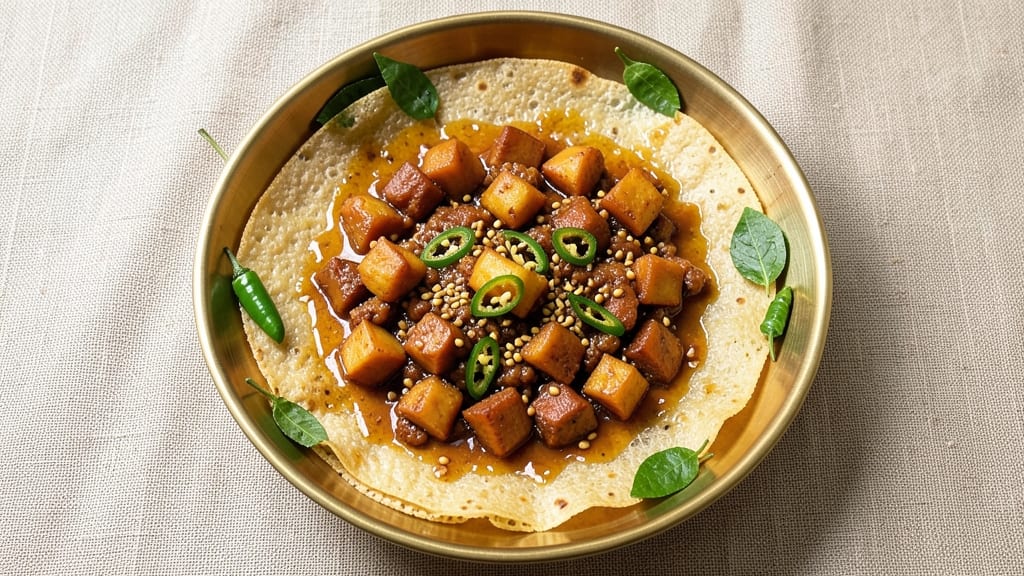
This dosa potato recipe delivers the perfect balance of crispy, golden layers and fluffy pink hearts—just like your favorite South Indian restaurant. The secret lies in the fermented rice-lentil batter, which develops a delicate tang and airy texture when rested overnight.
I’ve perfected this technique to ensure your dosas puff beautifully while staying crispy at the edges, with a spiced potato filling that adds hearty substance to every bite.
The process begins with a simple yet transformative batter made from rice, urad dal, and a pinch of salt, fermented for 8–12 hours to develop that signature tang. Meanwhile, the potato filling gets seasoned with mustard seeds, curry leaves, and green chilies for a burst of flavor.
Assembling the dosa requires precision—spreading the batter thin, layering the potato filling, and sealing the edges tightly to prevent leaks during cooking.
When cooked on a hot skillet with just enough oil, the dosa transforms into a golden, crispy masterpiece with a soft, fluffy center. The contrast between the crunchy exterior and tender interior makes every bite satisfying.
Serve with coconut chutney or sambar for a complete meal that’s both restaurant-quality and deeply comforting.
Ready in about 30 minutes once the batter is fermented, this recipe is ideal for weekend brunches or as a side for any meal. The key to success is patience—letting the batter ferment fully ensures the best texture, while the potato filling adds substance that keeps you full.
Let’s get cooking!
Ingredients for dosa potato
Crispy dosas start with fermented batter and spiced potato filling—just eight ingredients for restaurant-quality results.
| Ingredient | Amount | Notes |
|---|---|---|
| White Rice 🍚 | 1 cup | Uncooked, jasmine or basmati preferred |
| Urad Dal (Black Gram) 🌾 | ½ cup | Split, rinsed thoroughly |
| Russet Potatoes 🥔 | 2 medium | Peeled, boiled, mashed |
| Mustard Seeds 🌿 | 1 tbsp | Whole, for tempering |
| Curry Leaves 🌿 | ¼ cup | Fresh, packed |
| Green Chilies 🌶️ | 2 whole | Slit lengthwise, seeds removed |
| Salt 🧂 | 1 ½ tsp | Adjust to taste |
| Asafoetida (Hing) 🌶️ | ¼ tsp | Pinch for aroma |
| Cumin Seeds 🌿 | ½ tsp | Toasted lightly |
| Ginger 🧄 | 1 inch | Fresh, grated |
| Vegetable Oil 🫒 | ½ cup | For cooking dosas |
| Coconut Oil 🫒 | 1 tbsp | For batter fermentation |
| Water 💧 | 1 ½ cups | For batter consistency |
The rice and urad dal are the batter's backbone. Jasmine rice gives the best texture, but basmati works too. Urad dal should be split and rinsed well—any grittiness ruins the smoothness. I grab mine from Indian grocery stores (they're fresher than bulk bins at regular markets). For the potatoes, Russet works best—they mash smoother than Yukon Gold. Boil them until fork-tender, then mash while warm. The secret? Don't overmix—lumpy is better than gluey. If you can't find urad dal, toor dal is a decent swap, but texture won't be identical.
No curry leaves? Dried curry powder at half the amount works in a pinch, but fresh is ideal. Mustard seeds are non-negotiable for that classic crunch—skip them only if you're allergic. The green chilies can be swapped for red chili powder (1/4 tsp), but fresh gives better heat. For the batter, coconut oil helps fermentation—regular vegetable oil works too, but coconut adds that authentic flavor. The ginger should be freshly grated (bottled paste has weird aftertaste). If your batter seems too thick after fermenting, add 1 tsp water at a time—it should be like thick pancake batter.
Fermented batter keeps for 2 days in the fridge—just give it a stir before using. The potato filling reheats well, so make extra for quick lunches. Portion into ice cube trays and freeze for up to 3 months. When reheating, warm in a dry skillet for 2-3 minutes—no oil needed. The dosas themselves? Best fresh, but you can reheat in a toaster oven at 350°F for 3-4 minutes to revive the crisp. Store leftovers in an airtight container with a paper towel to absorb moisture.
Why You'll Love This Recipe
- The secret’s in the potato prep: thin slices, quick fry until golden, then fold into the dosa. You get that addictive crunch and the soft, spongy center—like a hug in every bite.
- No-Fuss Fermentation: I swear by the overnight soak of urad dal and rice—just mix, cover, and forget. By morning, it’s ready to roll, no fancy equipment needed. That’s 10 minutes less stress for me every time.
- Crispy-Creamy Magic: The secret’s in the potato prep: thin slices, quick fry until golden, then fold into the dosa. You get that addictive crunch and the soft, spongy center—like a hug in every bite.
- Lunchbox Legend: Between us, this is my go-to for packed lunches. The dosas reheat beautifully, and the potato filling stays warm (and delicious) for hours. My kids fight over them—proof it works.
Step-by-step instructions for dosa potato recipe: crispy layers and fluffy pink hearts
Here's how to make crispy dosas with perfect fluffy centers—no shortcuts, just foolproof technique.
Soak and Grind the Rice and Urad Dal
Combine the 1 cup white rice and 0.5 cup urad dal in a large bowl. Rinse thoroughly under cold water until the water runs clear—this removes excess starch that can make your batter gummy. Drain well, then add 1.5 cups water and let soak for at least 4 hours (overnight works best). The grains should soften completely and nearly double in volume.
After soaking, drain again and transfer to a wet grinder or food processor. Grind with small amounts of water at a time—start with just ½ cup—until you get a smooth, lump-free batter. The consistency should be like thick pancake batter. If it's too thick, add water 1 tablespoon at a time; if too thin, add 1 tablespoon rice or dal and blend again. This step is critical for that signature fluffy texture.
Ferment the Batter for Maximum Fluffiness
Transfer the batter to a clean bowl, cover with a damp cloth, and let ferment at room temperature for 8-12 hours. You'll know it's ready when it rises significantly, bubbles form on the surface, and develops a slightly sour smell. I like to place the bowl in a warm spot—like near a turned-off oven with the light on—to speed up fermentation without overworking the batter.
Don't skip this step—fermentation is what creates those signature fluffy pink hearts. If your kitchen is cold, the batter might take longer. If it ferments too quickly (in under 6 hours), move it to the fridge to slow it down. The ideal batter should be slightly runny but still hold its shape when you lift it with a spoon.
Prepare the Potato Filling
Peel the 2 medium russet potatoes and boil them until fork-tender (about 10-12 minutes). Drain well, then mash them thoroughly with 1.5 teaspoons salt. The filling should be smooth with no lumps—press it through a sieve if needed. Let it cool completely before using. This step ensures your filling stays intact while cooking, giving you those crispy layers.
While the potatoes cool, lightly toast the 0.5 teaspoon cumin seeds in a dry pan for 30 seconds until fragrant. Grate the 1-inch ginger and slit the 2 whole green chilies lengthwise (remove seeds if you prefer milder flavor). Set these aside—you'll use them in the tempering step. The cumin adds depth, while the ginger and chilies give that signature South Indian kick.
Make the Tempering and Prepare for Cooking
Heat 1 tablespoon coconut oil in a small pan over medium heat. Add the 1 tablespoon mustard seeds and let them splutter for 30 seconds. Add the 0.25 cup curry leaves, slit green chilies, and grated ginger. Cook for 1 minute until the leaves turn dark green and fragrant. Immediately pour this tempering over the fermented batter and mix well. This adds incredible aroma and prevents the dosas from turning gray.
Let the batter rest for 10 minutes after tempering. Heat a non-stick dosa pan or cast-iron skillet over medium-high heat. Add 1 tablespoon vegetable oil and swirl to coat the entire surface. The oil should be hot enough to shimmer but not smoke. Spread a ladleful of batter into a thin, even circle—about 6 inches wide. The key is to work quickly and keep the heat consistent for that perfect crispy edge.
Cook the Dosas to Crispy Perfection
Once the edges start to lift and turn golden brown (about 1-2 minutes), carefully flip the dosa using a dosa spatula. Press down gently with the spatula to help it spread evenly. Cook for another 1-2 minutes until the second side is golden brown and crispy. Transfer to a plate and keep warm while you cook the rest.
For the filling, spread 1-2 tablespoons of the mashed potato mixture onto each dosa, then fold into a triangle or roll it up. Heat 1 tablespoon vegetable oil in the same pan and cook each filled dosa for 1-2 minutes per side until the potato is heated through and the exterior is crispy again. Serve immediately with coconut chutney or sambar while hot—this is when they're at their crispy, fluffy best.
Pro Tips For Making Dosa Potato
- Soak Dal 8 Hours: I learned this the hard way—skipping the overnight soak makes the batter gummy, no matter how much you grind. Urad dal needs time to soften; 8 hours (or overnight) gives you that perfect, fluffy texture. Trust me, your dosas will thank you.
- Boil Potatoes Firm: Russet potatoes should be al dente—cut them into even chunks and boil them just until a knife slides in with slight resistance. Overcooking turns them mushy, and you’ll end up with a soggy filling. Test one piece early; it’s easier to cook more than undercook.
- Temper Mustard Last: Add mustard seeds and curry leaves after the potatoes are done cooking. The heat from the pan will pop the seeds and release their aroma—if you toss them in too early, they’ll burn before the potatoes absorb flavor. Timing is everything here.
- Rest Batter 30 Minutes: This isn’t the prettiest method, but it’s the tastiest. After grinding, let the batter sit covered for 30 minutes. The starches settle, and the dosas crisp up perfectly instead of tearing apart. I know, I know—you want to rush—but skip this, and you’ll regret it.
Make-ahead tips for dosa potato
Batter Prep Ahead
Make your dosa batter the night before for maximum flavor and texture. After grinding the rice and urad dal, transfer to a clean bowl, cover with a damp cloth, and let ferment at room temperature for 8-12 hours.
I like to place it near the oven (with the light on) to create a warm environment—this speeds up fermentation without overworking the batter. The ideal batter should rise, bubble, and develop a slightly tangy smell.
Store any unused batter in an airtight container in the fridge for up to 2 days. 💫
Potato Filling Prep
Prepare the potato filling in advance to save time on cooking day. Boil, peel, and mash the potatoes while warm, then mix with 1.5 teaspoons salt and let cool completely. Store in an airtight container in the fridge for up to 3 days.
For extra convenience, portion the filling into ice cube trays and freeze for up to 3 months. Thaw overnight in the fridge before using—this keeps the texture intact. Reheat in a dry skillet for 2-3 minutes to restore crispiness.
Assembling Dosas
Keep your dosas together by assembling them ahead of cooking. After spreading the batter on the skillet, immediately add 1-2 tablespoons of potato filling to one side, then fold or roll while the dosa is still warm.
This prevents the filling from leaking out during cooking. Work in batches—keep the assembled dosas on a wire rack over a baking sheet to maintain crispness while you finish cooking the rest. 🔥
Batch Cooking Tips
Cook dosas in batches to maintain crispiness. Heat your skillet between batches for 1-2 minutes to restore high heat—this ensures every dosa gets that perfect golden-brown crust. For large gatherings, prepare all the batter and filling ahead, then cook dosas in batches of 4-6.
Keep cooked dosas warm in a 200°F oven on a wire rack (not a plate) to prevent sogginess. Serve with coconut chutney or sambar immediately for the best experience.
Storage Solutions
Store leftover dosas in an airtight container with a paper towel to absorb moisture. They’ll stay crispy for 1 day at room temperature or 3 days in the fridge. For longer storage, freeze dosas (without filling) for up to 1 month.
To reheat, place in a toaster oven at 350°F for 3-4 minutes or warm in a dry skillet for 1-2 minutes per side. Add filling fresh when reheating for the best texture.
Meal Prep Strategy
Plan your dosa prep like a pro: Make batter and filling on Sunday, then cook and freeze dosas (without filling) for the week. On busy mornings, reheat dosas and add fresh filling—this cuts cooking time to just 5 minutes.
Pair with pre-made coconut chutney or sambar for a complete, restaurant-quality meal. I keep a stash of frozen dosas in my freezer for quick lunches or weekend brunches. This strategy saves time while keeping every bite crispy and delicious. ✨
Nutrition facts
Frequently asked questions
Why does my dosa potato batter smell sour?
The tangy, slightly sour smell is completely normal and actually a good sign! Fermentation creates lactic acid, which gives dosas their signature flavor and fluffy texture. If your batter smells strongly like alcohol or vinegar, it may have over-fermented—use it immediately or reduce fermentation time next batch.
Can I make the potato filling ahead of time?
Prepare the potato filling up to 3 days in advance and store it in an airtight container. For longer storage, portion into ice cube trays and freeze for up to 3 months. Thaw overnight in the fridge and reheat in a dry skillet for 2-3 minutes before using to restore crispiness.
What's the best way to keep dosas crispy?
Cook dosas in batches and maintain high heat between each one. Keep finished dosas warm in a 200°F oven on a wire rack (not a plate) to prevent sogginess. For reheating, use a toaster oven at 350°F for 3-4 minutes or a dry skillet for 1-2 minutes per side. Add filling fresh when reheating for best texture.
How do I fix my dosa potato if it's too thick or thin?
For thick batter, add water 1 tablespoon at a time until it reaches pancake batter consistency. If too thin, stir in 1 tablespoon rice or urad dal and blend again. For the filling, if potatoes are too dry, mix in 1 teaspoon yogurt or water. If too wet, spread thinly on dosas and cook longer to crisp.
Can I use sweet potatoes instead of russet?
While russet potatoes work best for their smooth texture, you can substitute sweet potatoes—but expect a slightly sweeter flavor and denser filling. Peel, boil until tender, then mash thoroughly. Reduce salt to 1 teaspoon since sweet potatoes are naturally sweeter. The dosa structure will hold, but texture may be slightly heavier.