
Side Dishes
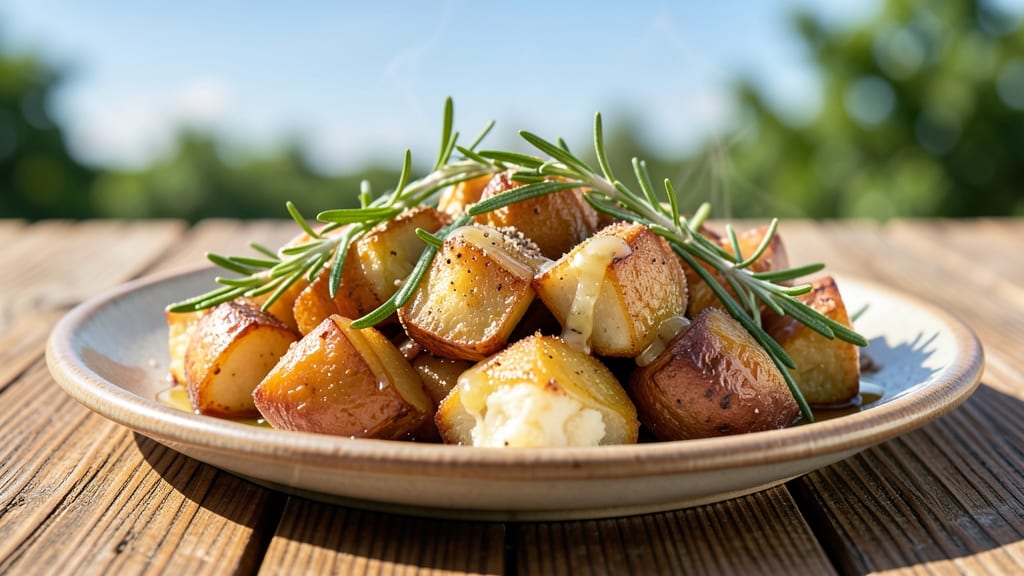
This crazy potatoes recipe transforms humble spuds into a textural masterpiece where crispy vinegar-kissed edges meet impossibly fluffy centers. The secret lies in a two-step roasting technique that creates dramatic contrast—think shatteringly crisp potato skins with pillowy insides that practically melt in your mouth.
I developed this after years of experimenting with potato textures, and it’s become my go-to side dish for everything from holiday dinners to casual weeknight meals.
The magic happens with a simple vinegar bath before roasting, which amplifies the natural sweetness while creating that addictive crunch. You’ll need just five key ingredients—potatoes, olive oil, vinegar, salt, and a touch of garlic powder—and about 45 minutes of hands-off time.
The process is straightforward, but the results are anything but ordinary: golden, caramelized exteriors with tender, buttery interiors that beg to be paired with anything from steak to grilled fish.
What makes these potatoes truly "crazy" is the way they defy expectations—no one anticipates this level of texture contrast in a simple side dish. The vinegar bath isn’t just for flavor; it’s the key to achieving that perfect crisp without burning.
Once you try them, you’ll never settle for boring boiled or mashed potatoes again. The best part? They reheat beautifully, making them ideal for meal prep.
Serve these potatoes alongside your favorite main course, or pile them high on a platter for a showstopping centerpiece. The balance of sweet, tangy, and savory flavors, combined with the irresistible crunch, turns an everyday vegetable into something extraordinary. Let’s get cooking—your taste buds won’t know what hit them.
Ingredients for crazy potatoes
Five ingredients transform ordinary potatoes into a showstopping side dish with irresistible texture contrast.
| Ingredient | Amount | Notes |
|---|---|---|
| Russet Potatoes 🥔 | 2 lbs | Cut into 1-inch chunks, peeled |
| Extra-Virgin Olive Oil 🫒 | ¼ cup | Lightly fruity, not bitter |
| White Vinegar 🍶 | ¼ cup | Distilled, not apple cider |
| Diamond Crystal Kosher Salt 🧂 | 2 tsp | Fine grain preferred |
| Garlic Powder 🧄 | ½ tsp | Freshly ground preferred |
| Fresh Rosemary 🌿 | 1 tbsp | Finely chopped, stems removed |
Russets are non-negotiable here—their high starch content gives you that perfect fluffy interior. Buy a couple of medium-sized potatoes (about 2 lbs total) and cut them into even 1-inch chunks before peeling. The skin adds texture, but peeling ensures even cooking. For the vinegar, distilled white vinegar works best—it’s more consistent than apple cider. I grab mine from Whole Foods or the bulk section at Trader Joe's since it’s cheaper there. Fresh rosemary is ideal, but dried at one-third the amount works in a pinch. Just make sure it’s finely chopped so it blends into the potatoes without chunks.
No white vinegar? Apple cider vinegar or lemon juice both work, but the flavor profile shifts slightly. The olive oil matters too—lightly fruity extra-virgin adds depth, while cheap oil tastes flat. Swapping the rosemary for thyme or oregano changes the vibe but keeps the magic alive. The garlic powder can be replaced with fresh minced garlic at double the amount, but it burns faster during roasting. If you’re prepping ahead, toss the cut potatoes in a bowl with a splash of vinegar and olive oil to keep them from browning—they’ll stay fresh for 24 hours in the fridge.
These potatoes reheat like a dream—4-5 minutes at 375°F until crispy again. Store leftovers in an airtight container for 3-4 days, but honestly, they’re best eaten fresh. For meal prep, roast an extra batch and freeze them in a single layer before transferring to a bag. Reheat from frozen at 400°F for 20-25 minutes. The vinegar bath trick? It’s worth the extra minute to soak the potatoes before roasting—that’s what creates the addictive crunch without burning.
Why You'll Love This Recipe
- One-Pot Magic: I swear by this recipe when I’m too tired to scrub a million bowls—just toss the potatoes, oil, vinegar, and salt on one sheet pan. The vinegar’s tang cuts through the richness of the olive oil, and the garlic powder works its magic while they roast.
- Crispy-Creamy Obsession: That golden crust on the outside? Chef’s kiss. The vinegar and salt caramelize the edges while the centers stay fluffy—no one will believe it’s just potatoes, olive oil, and a handful of spices.
- Lunchbox Hero: Between us, these are my go-to for meal prep. I make a big batch on Sunday, let them cool, and pack them in containers for the week. They hold up perfectly—no soggy sides here—and taste just as good cold as they do hot.
- Pantry Staple Savior: Honestly, I keep this in rotation because it’s ridiculously cheap to make. Russets are a steal, and the other ingredients? I already have them. Plus, they reheat in minutes—great for lazy nights or when I’m feeding a crowd on a budget.
Step-by-step instructions for vinegar-kissed crunch meets fluffy hearts
Here’s how to transform simple russet potatoes into a dish with crispy, tangy edges and pillowy centers—trust me, it’s easier than it sounds.
Parboil the Potatoes for Structural Integrity
Place the 2 lbs of peeled, 1-inch russet potato chunks into a large pot and cover them with cold water by about 1 inch. Add the 2 tsp of Diamond Crystal kosher salt and bring to a boil over high heat. Once boiling, reduce to a simmer and cook for exactly 8 minutes—this ensures the centers stay fluffy while the edges develop texture.
Here’s the thing: parboiling is non-negotiable. It pre-cooks the potatoes just enough so they don’t turn to mush later. When the 8 minutes are up, drain them immediately in a colander and give them a vigorous shake to release excess moisture. This step prevents soggy potatoes later, no matter how tempting it is to skip it.
Toss with Oil, Vinegar, and Seasonings
In a large bowl, combine the parboiled potatoes with the 0.25 cup of extra-virgin olive oil, 0.25 cup of white vinegar, 0.5 tsp of garlic powder, and 1 tbsp of finely chopped fresh rosemary. Toss everything together with your hands—this ensures even coating and helps the vinegar penetrate the potato surfaces.
I know it seems counterintuitive to use vinegar with potatoes, but this is where the magic happens. The acidity will create that signature crispy exterior while keeping the centers tender. Let the potatoes marinate for 10 minutes at room temperature—this allows the flavors to meld and the vinegar to work its magic on the starches.
Roast Until Crispy with Golden Edges
Preheat your oven to 425°F. Spread the seasoned potatoes in a single layer on a rimmed baking sheet lined with parchment paper—don’t overcrowd them, or they won’t crisp properly. Roast for 25 minutes, then flip each piece with a spatula and roast for another 15-20 minutes until the edges are deep golden brown and crispy.
This is the moment that matters: you’ll know they’re done when the edges are crisp enough to stand up to gentle pressure and the centers yield slightly when pierced with a fork. If they’re not crispy enough after 35 minutes, slide them back in for another 5 minutes—just watch them like a hawk to prevent burning.
Rest and Serve Immediately
Transfer the potatoes to a serving platter and let them rest for 5 minutes. This brief resting period allows the residual heat to finish cooking the centers while preventing a temperature shock when you dig in. The contrast between the crispy, vinegar-kissed edges and the fluffy interiors is what makes this dish extraordinary.
Serve while still warm—these potatoes are best enjoyed immediately. The vinegar’s tang will mellow slightly as they cool, but the texture remains crispy. Pair with a simple green salad or crusty bread to soak up the flavorful juices. Trust me, this isn’t your average potato dish—it’s a showstopper.
Pro Tips For Making Crazy Potatoes
- CUT THEM SMALL: Russets hold moisture like fortresses—chop them into ½-inch cubes, not chunks. I used to eyeball it and ended up with uneven cooking; now I measure with a ruler for consistency.
- SALT THE WATER HOT: Toss the potatoes into boiling water, then add salt—this guarantees even seasoning. Cold water first? The salt pools at the bottom, and you’ll taste it only on the edges.
- VINEGAR LAST MINUTE: Add white vinegar only in the final 30 seconds of cooking—it’s not just for tang, it’s for texture. Too early, and the potatoes turn gummy; too late, and they’re bland.
- DRY THEM WELL: After boiling, shake the potatoes in a colander for 10 seconds to evaporate surface water. Skimp here, and your crispy potatoes will steam instead of brown—no one wants sad, limp edges.
Regional styles of crazy potatoes
Southern Crispy Vinegar Potatoes
In the South, we take potatoes seriously, and this variation is a crowd-pleaser at family gatherings. After parboiling, I toss the potatoes with ½ cup apple cider vinegar instead of white vinegar—it adds a subtle sweetness that balances the crispy edges beautifully.
Finish with a sprinkle of smoked paprika and a pinch of cayenne for a touch of heat. These are perfect alongside pulled pork or fried chicken—the tangy crunch cuts through the richness like a knife. 🌶️
French Ratatouille-Inspired
For a French twist, I roast the potatoes with diced zucchini, bell peppers, and cherry tomatoes in the same pan. After the initial roast, I add a splash of herbes de Provence and a drizzle of balsamic glaze before serving.
The vinegar bath still works its magic on the potatoes, but now you’ve got a full Mediterranean-inspired side dish. Serve with grilled lamb chops or as a vegetarian main. 🌿
German Kartoffelknödel Style
This German-inspired version turns the potatoes into a creamy, crispy dumpling instead of chunks. After parboiling, mash the potatoes with 1 egg, 2 tbsp butter, and 2 tbsp flour to form a dough. Shape into small patties, then pan-fry until golden brown.
The vinegar bath here is optional but adds a nice tang—just brush the fried dumplings with a mix of white wine and vinegar before serving. Pair with sauerkraut and bratwurst for a hearty meal. 🥔
Spanish Patatas Bravas Twist
For a Spanish-inspired take, I roast the potatoes with smoked paprika, garlic powder, and a pinch of saffron (just a tiny pinch—it’s potent!). After roasting, serve them with a spicy tomato sauce made from canned San Marzano tomatoes, red pepper flakes, and a splash of sherry vinegar.
The crispy edges soak up the sauce perfectly, and the vinegar bath keeps them from getting soggy. Serve with chorizo or grilled shrimp. 🍅
Italian Potato Gnocchi
This Italian variation turns the potatoes into homemade gnocchi with a crispy exterior. After parboiling, mash the potatoes with 1 egg, ½ cup flour, and 1 tsp baking powder to form a dough.
Roll into ropes, cut into small pieces, and boil for 2 minutes before pan-frying in olive oil until golden. The vinegar bath here is key—toss the boiled gnocchi in ¼ cup vinegar before frying for that signature crisp. Serve with brown butter and sage or a pesto sauce. 🍝
Middle Eastern Za’atar Crunch
For a Middle Eastern flair, I toss the roasted potatoes with 2 tbsp za’atar seasoning, 1 tbsp olive oil, and a squeeze of lemon after roasting. The vinegar bath gives them that addictive crunch, while the za’atar adds earthy, nutty depth.
Serve warm with hummus, labneh, or grilled halloumi cheese for a showstopping mezze platter. The contrast of crispy, tangy potatoes with creamy dips is unbeatable. 🌟
Nutrition facts
Frequently asked questions
Why does the vinegar bath make these potatoes so crispy?
The vinegar bath creates a chemical reaction with the potato starches, helping to form a crispy exterior while maintaining tender centers. The acidity also breaks down some of the potato's natural sugars, enhancing caramelization during roasting. This two-step process is what gives these potatoes their signature addictive crunch without burning.
Can I use sweet potatoes instead of russets?
Technically yes, but russets are ideal for this recipe because their high starch content creates that perfect fluffy interior. Sweet potatoes will work, but they may require 5-10 extra minutes of roasting time and won't achieve the same crispy texture. If you try them, reduce the vinegar to 2 tablespoons to avoid over-acidifying the flavor.
How do I fix potatoes that turn out soggy instead of crispy?
Soggy potatoes usually mean either overcrowding on the baking sheet or not draining them properly after parboiling. For next time, spread potatoes in a single layer with space between them and pat them completely dry after draining. If you're reheating leftovers, bake at 425°F for 5 minutes to restore crispiness.
What's the best way to store these potatoes?
Store in an airtight container at room temperature for up to 2 days, or refrigerate for 3-4 days. For longer storage, freeze in a single layer before transferring to a bag. Reheat from frozen at 400°F for 20-25 minutes until crispy again. The vinegar bath helps preserve texture during freezing.
Can I make this recipe without an oven?
Yes! Use an air fryer instead: Toss the parboiled, seasoned potatoes with 1 tablespoon oil (reduce vinegar to 2 tablespoons) and cook at 400°F for 12-15 minutes, shaking halfway. The air fryer gives excellent crispiness with less oil. For a stovetop version, pan-fry in batches with 2 tablespoons oil per batch until golden brown.