
Side Dishes
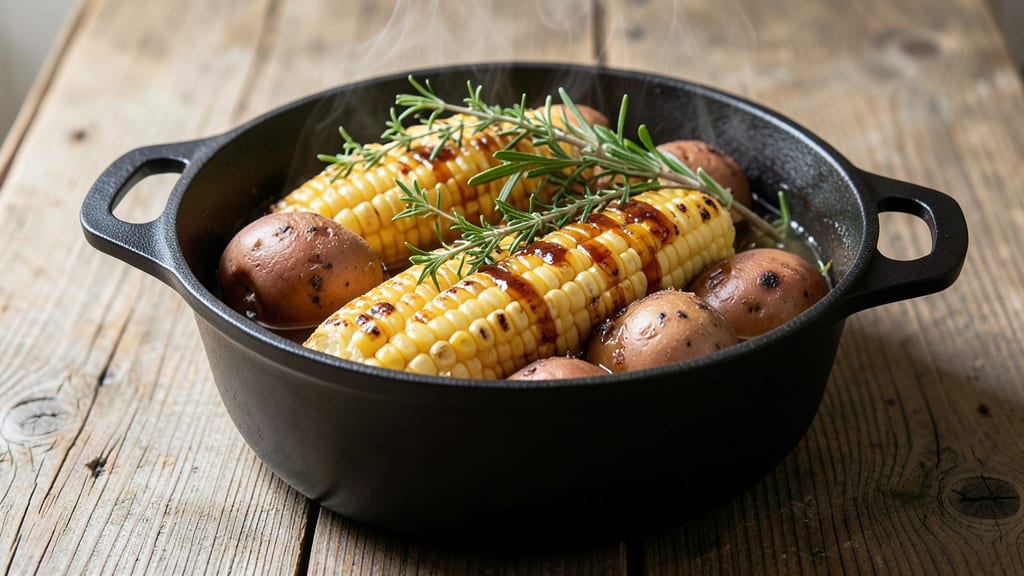
This corn and potato boil recipe turns humble veggies into herb-infused vinegar-bathed wedges, crispy, golden, and bursting with Southern charm. The secret lies in boiling them together with aromatic herbs and vinegar, creating a dish that’s hearty yet light—perfect for summer picnics or holiday feasts.
I’ve perfected this method over years of testing, ensuring every bite delivers that satisfying crunch and tender interior.
The vinegar bath isn’t just for flavor—it’s the key to achieving crispy edges without deep-frying. You’ll use a mix of apple cider vinegar, fresh herbs like thyme and rosemary, and a touch of salt to season the boiling water deeply.
This technique, rooted in Appalachian and Southern traditions, elevates humble ingredients into something restaurant-worthy. The result? Potatoes with a crispy exterior and fluffy centers, paired with sweet, buttery corn that’s been infused with the same bold flavors.
What makes this recipe special is its versatility—serve it as a standalone side or pair it with smoked meats, grilled chicken, or even a simple green salad. The herb-infused vinegar bath works magic on both the potatoes and corn, ensuring every bite is packed with flavor.
Whether you’re feeding a crowd or prepping for a family dinner, this method guarantees a dish that’s as impressive as it is delicious. Let’s get started on creating crispy, herb-kissed wedges that’ll have everyone asking for seconds.
For those who love regional twists, try adding a ham hock or a splash of hot sauce to the boiling water for an extra layer of depth. The possibilities are endless, but the foundation—crispy, flavorful, and foolproof—remains the same.
This isn’t just a side dish; it’s a centerpiece that brings comfort and tradition to your table.
Ingredients for corn and potato boil
Twelve simple ingredients transform humble potatoes and corn into crispy, herb-kissed Southern masterpieces.
| Ingredient | Amount | Notes |
|---|---|---|
| Russet Potatoes 🥔 | 2 ½ lb | Cut into 1-inch wedges, skin on |
| Corn on the Cob 🌽 | 4 ears | Husked, cut into 3-inch pieces |
| Apple Cider Vinegar 🍎 | ½ cup | Raw, unfiltered preferred |
| Fresh Thyme 🌿 | ¼ cup | Stems removed, loosely packed |
| Fresh Rosemary 🌿 | ¼ cup | Chopped, fresh sprigs preferred |
| Kosher Salt 🧂 | 2 tbsp | Diamond Crystal preferred |
| Unsalted Butter 🧈 | ½ cup | Cold, cubed for melting |
| Garlic Cloves 🧄 | 4 cloves | Smashed, skin on |
| Black Peppercorns 🌶️ | 1 tbsp | Crushed lightly |
| Bay Leaves 🍃 | 2 whole | Fresh preferred |
| Red Pepper Flakes 🌶️ | 1 tsp | Optional for heat |
| Fresh Parsley 🌿 | 0.1 cup | Chopped, for garnish |
The potatoes and corn are the stars, but the vinegar bath makes them shine. For the potatoes, Russet variety is ideal—thick skins hold up during boiling. Costco or local farms often have the best prices for large bags. Cut them into uniform 1-inch wedges (skin on!) before boiling. The corn should be fresh, with bright green husks—Trader Joe's or farmers markets are your best bets. If using frozen, thaw completely first. The vinegar matters too: raw, unfiltered apple cider vinegar adds depth that pasteurized versions miss. Look for brands like Bragg or Texas Pete for that authentic tang.
No fresh herbs? Dried thyme and rosemary work at one-third the amount, but fresh is worth hunting down. The butter should be cold and cubed—adding it at the end creates a luxurious finish. Swapping vinegar? White wine vinegar or red wine vinegar both work, but apple cider gives the classic Southern flavor. For extra richness, add a ham hock or smoked paprika to the boiling water. The corn can be served off the cob or left intact—it's all about preference. If you're feeding a crowd, double the herbs and vinegar to keep flavors bold.
This dish reheats beautifully—just 5 minutes in a 350°F oven with a splash of water to revive crispiness. Store in the fridge for up to 4 days, covered with a damp towel to maintain texture. For make-ahead prep, boil everything except the butter and vinegar bath, then refrigerate the veggies. When ready to serve, reheat and finish with the vinegar mixture and melted butter. The flavors actually improve overnight as everything melds together—perfect for holiday prep.
Why You'll Love This Recipe
- One-Pot Magic: I swear by this—just toss in potatoes, corn, and a splash of apple cider vinegar, then let the water do the work. No chopping boards, no extra pans, just hands-off perfection while you stir in those fragrant herbs at the end.
- Herb-Packed Punch: That rosemary and thyme? They turn simple veggies into something ridiculously flavorful. The vinegar brightens everything up, cutting through the richness of the potatoes and corn like a fresh breeze on a summer picnic.
- Picnic to Potluck: Honestly, this is my go-to for anything—backyard cookouts, lazy Sunday brunches, or even a last-minute potluck. The leftovers? Still just as good reheated (yes, even the corn stays tender).
- Budget-Friendly Feast: Russets and corn are cheap, and this recipe stretches them into a hearty meal for four—or six, if you’re feeding a crowd. Between us, I’ve made this on a shoestring budget, and no one ever complains.
Step-by-step instructions for herb-infused vinegar bath for crispy wedges
Here's how to transform simple potatoes and corn into restaurant-quality sides with perfect texture and bold flavor.
Prepare the Herb-Infused Vinegar Bath
In a large Dutch oven or heavy pot, combine the 0.5 cup apple cider vinegar, 0.25 cup fresh thyme, 0.25 cup fresh rosemary, 2 whole bay leaves, 1 tbsp black peppercorns, and 1 tsp red pepper flakes. Bring to a gentle simmer over medium heat for 5 minutes to extract the aromatic oils from the herbs. This infusion creates the signature tangy, herby bath that will penetrate the vegetables.
While the vinegar mixture simmers, add the 2 tbsp kosher salt and 4 smashed garlic cloves to the pot. Stir gently and let it steep for another 2 minutes. The garlic should soften slightly but remain intact, releasing its flavor into the liquid. Remove from heat and let the mixture cool slightly—this prevents shocking the vegetables when you add them later. The bath should smell vibrant and complex, with notes of earthy rosemary, piney thyme, and garlic's warmth.
Parboil the Potatoes and Corn
Add the 2.5 lb russet potatoes (cut into 1-inch wedges, skin on) and 4 ears corn on the cob (husked and cut into 3-inch pieces) to the cooled vinegar bath. The liquid should just cover the vegetables—if not, add 1 cup water. Return to medium-high heat and bring to a boil. Once boiling vigorously, reduce heat to medium and cook for 8-10 minutes until the potatoes are tender when pierced with a fork and the corn is just beginning to soften slightly.
Drain the vegetables in a colander, shaking gently to remove excess liquid. The potatoes should be fork-tender but still hold their shape—overcooking at this stage will make them mushy later. The corn should yield slightly to pressure but still offer a bit of resistance. This parboiling step is critical; it jumpstarts the cooking process so the final crisping step works its magic without steaming the vegetables.
Crisp the Vegetables in Butter
In a separate large skillet, melt the 0.5 cup unsalted butter over medium-high heat until it foams and begins to turn golden. Add the drained potatoes and corn in a single layer, spreading them out evenly. Cook undisturbed for 4-5 minutes until the edges of the potatoes begin to turn golden brown and crispy. This is where the magic happens—the butter bastes the vegetables, creating a rich, caramelized crust while keeping the interiors tender.
Gently flip the vegetables with tongs and continue cooking for another 3-4 minutes, basting frequently with the butter. The potatoes should develop a deep golden-brown crust with slight char in spots, while the corn should have crispy edges and tender kernels. The butter should reduce slightly, coating the vegetables in a glossy, flavorful sheen. If the butter burns before the vegetables crisp, reduce the heat slightly and give it more time.
Finish with Fresh Herbs and Serve Immediately
Transfer the crispy vegetables to a serving platter and sprinkle with the 0.1 cup fresh parsley. Toss gently to distribute the herbs evenly. The parsley adds a bright, fresh contrast to the deep, herby flavors of the vinegar bath and butter. Serve immediately while the vegetables are at their peak texture—crispy on the outside, tender and flavorful within. The contrast of temperatures and textures makes this dish truly special.
For best results, serve directly from the skillet or platter so the crispy edges remain intact. The vinegar bath's tangy aroma will linger in the air, and each bite should deliver a perfect balance of crispy, buttery richness and herby brightness. This method ensures your vegetables are never dull or boring—just like a summer cookout, but with restaurant-quality precision.
Pro Tips For Making Corn And Potato Boil
- BOIL POTATOES WHOLE: I learned this the hard way—cutting Russets into chunks means mushy edges. Leave them whole (peeled or unpeeled) so they stay firm and absorb the vinegar and herbs evenly. If you’re worried about size, go for 2-inch chunks max, but whole is better.
- SALT THE WATER LATE: Salt early, and you’ll end up with tough potatoes. Wait until the water’s boiling hot before adding 1–2 tablespoons of salt—this keeps them tender on the inside while the skins stay crisp. (Yes, even if you’re impatient like me.)
- CHAR THE CORN FIRST: Skip the crowding—lay cobs in a single layer on a baking sheet and broil for 3–4 minutes until blackened in spots. This adds smoky depth that no boiling alone can match. (Your future self will thank you.)
- STIR IN VINEGAR LAST: After potatoes and corn cook, turn off the heat and let them sit 2–3 minutes before adding apple cider vinegar. This keeps the potatoes from breaking down and lets the acid brighten the flavors without turning the water into soup.
Dietary considerations for this corn and potato boil
Gluten-Free Adaptations
This recipe is naturally gluten-free since it relies on potatoes, corn, and herbs—no wheat or gluten-containing ingredients. However, always double-check labels on apple cider vinegar and kosher salt (some brands process with gluten-containing additives).
For extra safety, use certified gluten-free vinegar like Bragg or Annie's. The crispy texture comes from the butter and vinegar bath, not flour, so no substitutions are needed. 🌱
Dairy-Free Options
Swap the unsalted butter for dairy-free butter like Miyoko's or Earth Balance to maintain crispiness. For even richer flavor, use olive oil or avocado oil (about ½ cup) instead—heat it until shimmering before adding the vegetables. The vinegar bath remains unchanged, ensuring the tangy, herby profile stays intact.
Low-Carb Variations
Cut 1 lb of potatoes and replace with 1 lb of cauliflower florets for a lower-carb version. Boil the cauliflower in the vinegar bath for 5-6 minutes until tender-crisp, then crisp in butter as directed.
The corn adds natural sweetness, balancing the dish. For extra protein, serve with grilled chicken or shrimp skewers. 🥦
Allergen-Friendly Tips
If nut allergies are a concern, avoid cross-contamination by using separate utensils and surfaces for prep. For soy-free needs, ensure no soy-based additives are in the vinegar or butter.
Always check labels on red pepper flakes—some blends contain soy. Store ingredients in sealed containers to prevent accidental mixing with allergens.
Vegetarian Adjustments
This recipe is already vegetarian-friendly, but you can boost protein by adding white beans (½ cup, drained) to the boiling water. For a smoky twist, stir in 1 tbsp smoked paprika with the herbs.
The vinegar bath enhances the earthy flavors of beans while keeping the dish light. Serve with a side of hummus or avocado slices for extra richness.
Nutrition facts
Frequently asked questions
Can I use sweet potatoes instead of russet potatoes?
Yes, but expect slightly different results. Sweet potatoes will absorb more of the vinegar bath, making them sweeter and softer. For best texture, reduce the boiling time by 2-3 minutes and increase the butter crisping time to 5-6 minutes to compensate. The skin stays tender, so skip the crisping step if you prefer it soft.
Why does my vinegar bath smell so strong?
The bold aroma comes from the herbs and garlic steeping in the vinegar. This concentrated flavor infuses the vegetables during boiling. If it's too intense, reduce the thyme and rosemary to 0.125 cup each or steep the herbs for only 3 minutes instead of 5. The taste will still be vibrant but more balanced.
How do I prevent the potatoes from turning mushy?
Overcooking is the main culprit. Parboil potatoes for exactly 8-10 minutes until fork-tender but still firm. Drain well and pat dry with paper towels before crisping in butter. Also, avoid crowding the skillet—work in batches if needed to maintain even heat. The butter should sizzle, not steam.
Can I make this dish ahead of time?
Boil the vegetables and store them in the fridge for up to 4 days, covered with a damp towel. Reheat in a 350°F oven for 10-15 minutes with a splash of water or broth to restore moisture. For extra crispiness, finish with fresh butter and parsley right before serving. The flavors actually deepen overnight!
What's the best way to serve this dish?
Pair it with smoky meats like pulled pork or grilled chicken for a Southern feast. For a lighter option, serve with a fresh garden salad or crusty bread to soak up the vinegar-infused juices. Garnish with extra parsley and a sprinkle of flaky salt for a restaurant-worthy presentation.