
Side Dishes
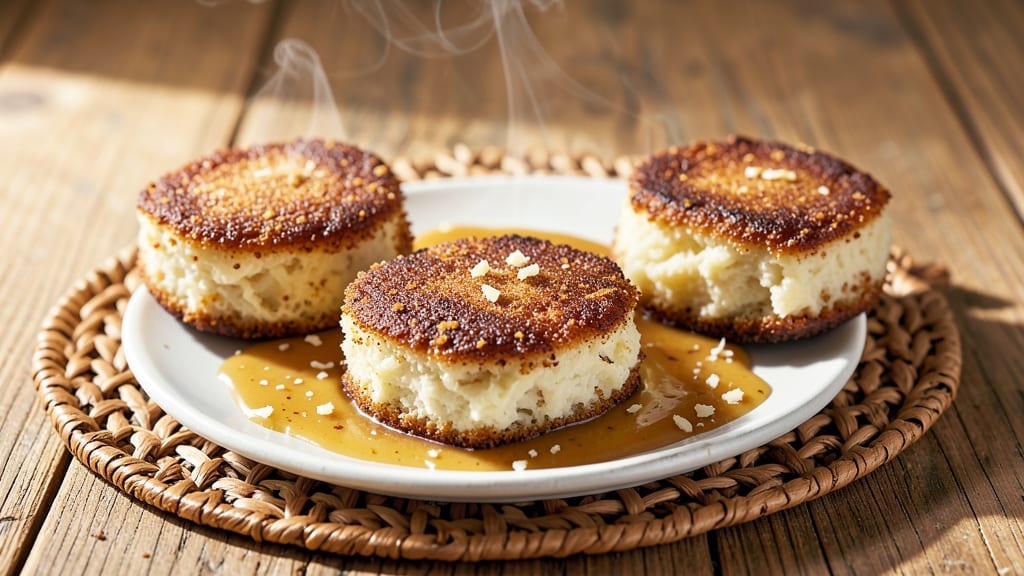
This Cook's Country mashed potato cakes recipe delivers the perfect balance of crispy cornmeal crowns and fluffy, creamy interiors that will have you reaching for seconds. The secret lies in binding mashed potatoes with egg and cornmeal for that signature texture—golden on the outside, tender within.
I've perfected this technique after countless batches, ensuring every bite meets the ideal ratio of crunch and comfort.
What sets these potato cakes apart is their foolproof method: no special equipment needed, just a few simple ingredients and precise shaping. The cornmeal creates that coveted crispy exterior while keeping the interior light and airy.
Baking them at the right temperature ensures even cooking, so every piece comes out perfectly—no soggy centers or burnt edges here.
Once you try these, you'll never go back to store-bought or basic mashed potatoes again. The golden crust gives way to creamy, buttery potato goodness in every bite, making them ideal for breakfast, brunch, or even a hearty side dish.
Serve with gravy, bacon bits, or a fried egg on top for the ultimate comfort food experience.
These potato cakes reheat beautifully, so you can make a big batch ahead of time for meal prep or gatherings. The recipe scales easily, whether you're feeding a crowd or just treating yourself to a satisfying solo meal. Let's get started on creating these crispy, comforting delights!
Ingredients for cook's country mashed potato cakes
Nine simple ingredients transform into golden, crispy potato cakes with creamy centers.
| Ingredient | Amount | Notes |
|---|---|---|
| Russet Potatoes 🥔 | 3 lbs | Peeled, boiled until tender |
| Large Eggs 🥚 | 2 whole | Room temperature for best binding |
| Cornmeal 🌽 | ½ cup | Fine grind for crispy texture |
| Unsalted Butter 🧈 | ½ cup | Cold, cubed for flaky layers |
| Milk 🥛 | ¼ cup | Whole milk for creaminess |
| Salt 🧂 | 1 ½ tsp | Kosher salt for even seasoning |
| Black Pepper 🌶️ | ½ tsp | Freshly ground for brightness |
| All-Purpose Flour 🌾 | ¼ cup | For lightness and structure |
| Garlic Powder 🧄 | ½ tsp | For subtle depth of flavor |
| Vegetable Oil 🫒 | 2 tbsp | For greasing baking dish |
| Bacon Bits 🥓 | ¼ cup | Optional, for topping (cooked) |
| Green Onions 🧅 | 2 whole | Sliced, for garnish |
The potatoes are the foundation—Russet gives the best texture. Grab a 5-pound bag from Costco for the best price, or just one from the grocery store if you're making a smaller batch. Peel them first, then boil until fork-tender. No need to mash them too fine—just break them up a bit so they hold together. The cornmeal is what creates that signature crispy crown, so don't skip it. Bob's Red Mill is my go-to brand, but any fine grind works. For the butter, grab the unsalted kind—you control the saltiness here.
No cornmeal? Crushed cornflakes work in a pinch (about half the amount), but they won't be as crispy. Short on eggs? Add 1 tbsp of flour per egg to help bind, but texture might suffer. The milk can be swapped for heavy cream if you want extra richness, or half-and-half for a lighter version. For the garlic powder, fresh minced garlic at half the amount adds a nice punch. And if you're feeling fancy, swap the bacon bits for crumbled sausage or chives instead of green onions.
These reheat like a dream—just pop them in a 350°F oven for 10 minutes until crispy again. Store leftovers in an airtight container for up to 4 days, or freeze for 2 months. I like to portion them into single servings before freezing so I can grab and reheat just what I need. For meal prep, make a big batch and freeze half—perfect for lazy mornings or quick brunches.
Why You'll Love This Recipe
- Here’s what sold me: that crispy exterior meets fluffy inside, like a hug from your grandma’s kitchen. The eggs bind it just right, and the cornmeal adds texture that’s addictive—dip them in gravy or eat plain, they disappear fast.
- One-Pot Magic: I swear by this recipe because it’s hands-off after the boiling. Just peel, mash, mix—no extra bowls or gadgets. The cornmeal gives them that perfect golden crust without frying, and the butter-milk combo keeps it rich without being greasy.
- Craving-Worthy Crunch: Here’s what sold me: that crispy exterior meets fluffy inside, like a hug from your grandma’s kitchen. The eggs bind it just right, and the cornmeal adds texture that’s addictive—dip them in gravy or eat plain, they disappear fast.
- Weeknight Workhorse: Between us, these are my go-to for lazy dinners or potlucks. Double the batch, freeze half, and reheat straight from frozen—no thawing needed. They’re hearty enough for a main (add cheese or bacon!) or a side that steals the show.
Step-by-step instructions for cook's country mashed potato cakes
Here's how to make golden, crispy potato cakes with a fluffy center—no shortcuts, just foolproof technique.
Boil and Mash the Potatoes to Perfection
Start by peeling the 3 lbs russet potatoes and cutting them into even 2-inch chunks. Place them in a large pot and cover with cold water by about 1 inch. Add 1.5 tsp salt to the water—this helps season the potatoes as they cook. Bring to a boil over high heat, then reduce to a simmer for 15-20 minutes until a knife slides in easily. Drain immediately and return the potatoes to the pot.
While still hot, mash the potatoes with the 0.5 cup unsalted butter and 0.25 cup milk until completely smooth. You want no lumps—this ensures your cakes will be light and fluffy. Let the mash cool slightly before proceeding. I like to spread it on a baking sheet and refrigerate for 10 minutes to firm it up a bit. This step is crucial for preventing greasy cakes later.
Mix the Binder and Seasonings
In a large bowl, combine the cooled potato mash with the 2 whole large eggs, 0.25 cup all-purpose flour, 0.5 cup cornmeal, 0.5 tsp black pepper, and 0.5 tsp garlic powder. Use a wooden spoon or rubber spatula to mix everything together until just combined—don't overmix or your cakes will be dense. The batter should be thick but still pipeable.
Real talk: The cornmeal is what gives these cakes their signature crispy exterior. Don't skip it, even if you're tempted to use breadcrumbs. The cornmeal creates that perfect crunch while keeping the inside light. If your batter seems too thick, add 1 tablespoon of milk at a time until it reaches a smooth, spreadable consistency.
Shape and Chill the Cakes
Lightly grease a baking sheet with 2 tbsp vegetable oil. Using a cookie scoop or your hands, form the potato mixture into 4 equal patties about 1-inch thick. Place them on the prepared baking sheet and smooth the tops with a damp paper towel for even cooking. Sprinkle each cake with about 1 tablespoon of the 0.25 cup bacon bits and 0.5 of the sliced green onions.
Cover the baking sheet with plastic wrap and refrigerate for at least 30 minutes. This chilling step is non-negotiable—it helps the cakes hold their shape when they hit the hot oil. If you skip this, you'll end up with sad, spread-out pancakes instead of crispy cakes. I usually chill mine for 45 minutes to be safe, especially if my kitchen is warm.
Fry Until Golden and Crispy
Heat about 1 inch of vegetable oil in a large skillet over medium heat until it reaches 350°F. You'll know it's ready when a small piece of potato batter sizzles and turns golden within 30 seconds. Carefully slide the chilled potato cakes into the hot oil, being gentle so they don't break apart. Fry for 3-4 minutes per side until golden brown and crispy.
Here's the thing—don't rush this step. You want those cakes to develop a deep golden color and crispy exterior while staying fluffy inside. If they brown too quickly, reduce the heat slightly. Once done, transfer them to a paper towel-lined plate to drain any excess oil. The cakes will stay hot for a few minutes, but serve them immediately while they're still crispy.
Garnish and Serve Warm
Top each potato cake with the remaining sliced green onions and serve immediately. These cakes are best enjoyed right out of the pan while they're still warm and crispy. The contrast of the crunchy exterior with the fluffy interior is what makes them special.
For extra flavor, serve with a side of homemade gravy or a simple green salad. If you're making these ahead of time, you can shape and chill them, then fry just before serving. Just remember, freshly fried is always best. Enjoy your crispy, golden potato cakes—they're worth every step!
Pro Tips For Making Cook'S Country Mashed Potato Cakes
- BOIL POTATOES UNTIL TENDER: Stop stabbing them with a fork to check doneness—it’s a guessing game. Instead, drop a peeled potato into ice water after boiling. If it’s cool to the touch in 30 seconds, they’re done. Overcooked potatoes turn to glue; undercooked ones stay dense. Aim for a knife that slides in like butter, not like a spear.
- USE COLD MILK FOR MASH: Warm milk makes the mixture gummy. Grab that cold milk straight from the fridge—it keeps the texture light and fluffy. I learned this after making a batch that turned out like wet cardboard. Trust me, the contrast matters.
- PRESS GENTLY, NOT HARD: When shaping the cakes, don’t squeeze the life out of them. Press just enough to hold, or they’ll crumble into sad little pancakes. Think "firm handshake," not "vice grip." The cornmeal’s job is to bind, not to be your stress ball.
- FRY IN BATCHES, LOW AND SLOW: Crowd the pan, and you’ll steam the potatoes instead of crisp them. Use a skillet big enough for 2-3 cakes at a time, and cook them on medium heat until golden. Rushing turns them greasy; patience gets you a crust. (Yes, even if you’re impatient like me.)
Common mistakes when making your cook's country mashed potato cakes
Overmixing the Batter
I’ve ruined more potato cakes than I’d like to admit by overmixing the batter. Once you’ve combined the mashed potatoes, eggs, cornmeal, and flour, stop mixing as soon as everything is just incorporated.
Overworking the batter introduces too much gluten, which makes the cakes dense instead of light and fluffy. Think of it like folding in whipped cream—gentle strokes only. 🥄
Skipping the Chill
The 30-minute chill in the fridge is non-negotiable, trust me. Without it, the cakes will spread like pancakes in the hot oil, losing their shape and turning greasy. I’ve learned this the hard way—once, I forgot to chill mine and ended up with sad, flat pancakes instead of crispy cakes.
Set a timer and let them firm up properly.
Using Wrong Potato Type
Russet potatoes are your best friend here because of their high starch content and low moisture. Substituting waxy potatoes like Yukon Golds will give you a gummy texture instead of that perfect creamy interior.
If you’re set on using another variety, boil them a little longer to ensure they’re extra tender. 🥔
Incorrect Oil Temperature
Frying at the wrong temperature is a fast track to greasy, soggy cakes. The oil should be at a steady 350°F—any hotter, and the exterior will burn before the interior cooks through.
Use a thermometer to check, and if you don’t have one, test with a small piece of batter. It should sizzle and turn golden in about 30 seconds. If it browns too quickly, lower the heat.
Not Draining Potatoes Well
After boiling, drain the potatoes thoroughly—don’t leave them sitting in water. Excess moisture in the mash will make your cakes greasy and prevent that crispy exterior.
I like to give them a good shake in the colander, then spread them on a clean towel to absorb any remaining water before mashing. This extra step makes all the difference. 💧
Uneven Thickness
Consistency is key when shaping the cakes. If one side is thicker than the other, it won’t cook evenly—you’ll end up with a raw center or a burnt exterior.
Use a kitchen scale or measuring cups to divide the batter evenly, and press each cake to a uniform 1-inch thickness. A damp paper towel helps smooth the tops for even cooking.
Nutrition facts
Frequently asked questions
Can I bake these potato cakes instead of frying?
Yes! Preheat oven to 400°F and brush a baking sheet with oil. Place shaped cakes on the sheet and bake for 20-25 minutes until golden and firm. Baking gives a lighter texture but less crispiness than frying. For extra crunch, broil for 2 minutes at the end.
How do I make these gluten-free?
Replace the 0.25 cup all-purpose flour with 0.25 cup gluten-free flour blend. Use a 1:1 ratio blend like Bob's Red Mill for best results. The cornmeal remains gluten-free, so no other substitutions are needed. Just ensure all ingredients are certified gluten-free.
Why did my potato cakes turn out greasy?
Greasy cakes usually mean excess moisture in the mash or oil splattering during frying. Always drain boiled potatoes thoroughly and pat dry before mashing. For frying, maintain 350°F oil temperature and avoid overcrowding the pan. Let cakes drain on paper towels after cooking.
Can I make these ahead of time?
Shape and chill the cakes, then store them in an airtight container in the fridge for up to 2 days. To serve, fry or bake from chilled. For longer storage, freeze shaped cakes (uncooked) for up to 2 months. Thaw in the fridge before cooking. Perfect for meal prep!
What's the best way to reheat leftovers?
Place leftover cakes on a baking sheet and warm in a 350°F oven for 10-12 minutes until crispy again. For a quicker method, use the air fryer at 375°F for 5 minutes. Avoid microwaving—it makes them soggy. Reheating in the oven restores that perfect golden crust.