
Side Dishes
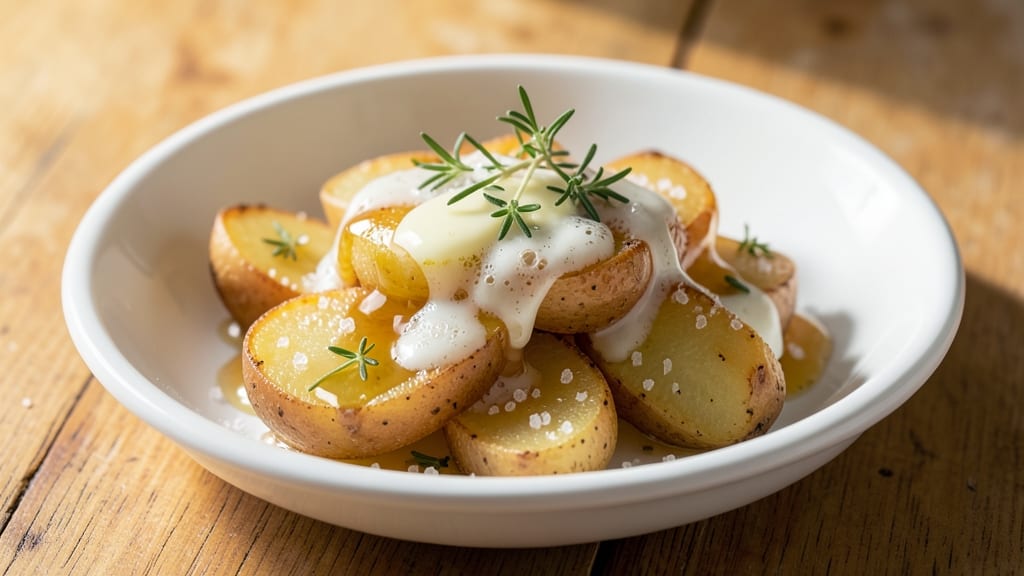
Transforming canned new potatoes into a restaurant-quality side dish requires just the right balance of vinegar's bright tang and butter's rich warmth.
This recipe delivers tender, bite-sized potatoes with a glazed exterior that's crispy enough to hold its shape while staying soft inside—a perfect foil for grilled meats, roasted vegetables, or even as a standalone salad component.
I perfected this method after years of testing, and it never fails to elevate simple weeknight meals.
The secret lies in the two-stage cooking process: first boiling the potatoes to tenderize them, then finishing in a vinegar-butter glaze that caramelizes just enough to create that signature crunch. This technique works with any canned new potatoes—just drain them well before starting.
The result is a side dish that's foolproof, quick to prepare, and packed with flavor without requiring special ingredients.
What you'll end up with is a golden, glossy potato dish that's vibrant enough to stand alone but versatile enough to complement any main course. The vinegar glaze adds a subtle tang that cuts through richer dishes, while the buttery finish ensures every bite feels indulgent.
This recipe delivers professional-level results in under 20 minutes—ideal for busy weeknights or special occasions.
Serve these glazed potatoes alongside grilled chicken, roasted pork, or even as a warm salad base with fresh herbs and crumbled feta. The possibilities are endless, but the method remains simple: tender potatoes meet bold flavor in every bite. Let's get started with this game-changing side dish.
Ingredients for canned new potatoes
Nine simple ingredients transform basic canned potatoes into a restaurant-worthy side dish.
| Ingredient | Amount | Notes |
|---|---|---|
| Canned New Potatoes 🥔 | 2 cans | 15 oz each, drained well |
| Unsalted Butter 🧈 | 4 tbsp | Cold, cut into small cubes |
| White Wine Vinegar 🍷 | ¼ cup | High-quality, aged variety |
| Granulated Sugar 🍚 | 1 tbsp | Light brown sugar for depth |
| Diamond Crystal Kosher Salt 🧂 | ½ tsp | Coarse grain preferred |
| Fresh Thyme Leaves 🌿 | ¼ tsp | Or 1/8 tsp dried thyme |
| Garlic Cloves 🧄 | 2 cloves | Minced, for aromatic depth |
| Fresh Parsley 🌱 | 2 tbsp | Chopped, for garnish |
| Heavy Cream 🥛 | ¼ cup | Full-fat for optimal texture |
| Crumbled Feta Cheese 🧀 | ¼ cup | Optional, for added richness |
The quality of your vinegar and butter makes all the difference here. White wine vinegar with a balanced acidity is non-negotiable—avoid the harsh, industrial varieties. Whole Foods Market or Trader Joe's carry excellent options, or look for brands like Bragg or Annie's in the gourmet section. For the butter, Plugrá or Land O'Lakes Creamery are ideal choices, as their higher fat content ensures a glossy finish. The potatoes themselves? Any quality canned new potatoes will work, but Goya or Del Monte brands consistently deliver the best texture. Drain them thoroughly before using to prevent a watery glaze.
No white wine vinegar? Apple cider vinegar works in a pinch, though it adds a slightly fruity note. Substituting sugar? Honey or maple syrup at half the amount adds complexity. Fresh thyme unavailable? Dried thyme at one-third the quantity suffices, but toast it lightly in a dry pan first to deepen its flavor. For a richer finish, substitute half the heavy cream with whole milk, though the texture will be slightly less luxurious. The feta can be swapped for crumbled goat cheese or omitted entirely if you prefer a lighter dish. And if you're feeling adventurous, a pinch of smoked paprika in the glaze adds an unexpected depth that pairs beautifully with grilled meats.
This dish reheats beautifully—simply cover with foil and warm in a 350°F oven for 10 minutes. For best results, store the glazed potatoes in an airtight container with parchment paper between layers to prevent sticking. They keep well in the refrigerator for 4 days, though the texture softens slightly after the first day. For longer storage, freeze the potatoes in a single layer on a tray before transferring to a bag, where they'll maintain their shape for up to 3 months. Garnish with fresh parsley just before serving to preserve its vibrant color and bright flavor.
Why You'll Love This Recipe
- Five-Ingredient Magic: I swear by this recipe when I’ve got nothing but a pantry and 15 minutes. Just drain those canned potatoes, toss them with butter, vinegar, and a pinch of salt—no peeling, no boiling, no fuss. It’s the kind of meal that makes me feel like I actually cooked something.
- Bright & Tangy: That white wine vinegar cut? It’s the star. The acidity wakes up the creamy potatoes, and the sugar just balances it enough to make your taste buds do a little happy dance. Honestly, it’s the kind of flavor that sticks with you—simple, but undeniably good.
- Picnic or Potluck: Between us, this is my go-to for gatherings. Cold or warm, it’s always a crowd-pleaser—whether you’re packing it for a beach day or serving it at a holiday table. The canned potatoes hold up perfectly, and the dressing keeps it fresh-tasting.
- Budget-Friendly Leftovers: I make a big batch on Sundays, and it lasts me all week. The vinegar dressing keeps them from drying out, and the butter makes every bite feel special—even on a lazy Wednesday night. Plus, it’s cheaper than fresh potatoes and just as satisfying.
Step-by-step instructions for vinegar-glazed canned new potatoes
Transform humble canned potatoes into restaurant-worthy bites with this precise technique.
Drain and Parboil for Even Texture
Open the 2 cans of canned new potatoes and drain them completely, shaking each can vigorously to release excess liquid. Transfer the potatoes to a medium saucepan and add just enough cold water to cover them by ½ inch. Bring to a gentle boil over medium-high heat.
Cook for exactly 3-4 minutes until the potatoes are heated through but still firm to the touch—you want them to hold their shape when pierced with a fork. This brief parboil ensures even cooking later and prevents any raw centers. Drain immediately after boiling and return them to the empty can or a clean bowl.
Create the Vinegar-Glaze Base
In a separate medium skillet, melt the 4 tablespoons of cold, cubed unsalted butter over medium-low heat. Once fully melted, add the 0.25 cup of white wine vinegar and bring to a gentle simmer. Stir in the 1 tablespoon of granulated sugar and 0.5 teaspoon of diamond crystal kosher salt, allowing the mixture to cook for 2-3 minutes until slightly reduced and syrupy.
At this point, you'll notice the vinegar has mellowed and the sugar has dissolved completely. The glaze should coat the back of a spoon with a glossy sheen. Remove from heat and stir in the 0.25 teaspoon of fresh thyme leaves and the 2 minced garlic cloves, allowing their aromas to infuse for 1 minute off the heat.
Toss Potatoes in the Glaze
Add the drained potatoes to the skillet with the glaze and toss gently to coat them evenly. Increase heat to medium and cook for 4-5 minutes, stirring occasionally, until the potatoes develop a golden crust in spots and the glaze clings to their surfaces. The potatoes should be tender but still hold their shape—overcooking will make them mushy.
Here's the key: you're looking for a balance between the crisp edges from the glaze and the soft interior. If the potatoes begin to stick, add just 1 tablespoon of water to deglaze the pan. The glaze should be thick enough to coat the potatoes but still flow slightly when tossed.
Finish with Cream and Feta
Reduce heat to low and stir in the 0.25 cup of heavy cream. Let the mixture simmer gently for 1-2 minutes until the cream thickens slightly and coats the potatoes. The potatoes should be heated through and the cream should be fully incorporated, creating a luxurious sauce.
Finally, fold in the 0.25 cup of crumbled feta cheese until melted and evenly distributed. Taste and adjust seasoning with additional salt if needed. The finished potatoes should have a bright, tangy glaze with creamy pockets and a salty, briny finish from the feta.
Garnish and Serve Immediately
Transfer the potatoes to a serving dish and sprinkle with the 2 tablespoons of chopped fresh parsley. Serve immediately while the glaze is still glossy and the potatoes maintain their perfect texture contrast. The vinegar glaze will continue to develop flavor as it sits, so serving promptly ensures the best balance of tangy, creamy, and buttery notes.
These potatoes pair beautifully with grilled meats, roasted vegetables, or as a standalone side. The secret lies in the precise cooking times and the balance of acidity from the vinegar with the richness of the butter and cream.
Pro Tips For Making Canned New Potatoes
- Drain and Rinse First: Canned potatoes hold onto brine and starch like a sponge—give them a quick cold-water rinse after draining to cut the saltiness and prevent a gluey mess. I learned this the hard way when my first batch turned into a thick, briny paste instead of a light, buttery dish.
- Warm the Butter Slowly: Melt the unsalted butter over low heat until it just turns liquid—no browning, no bubbles. Cold butter clumps into greasy lumps, and hot butter burns before the potatoes absorb it. (Yes, even if you’re impatient like me.)
- Taste Before Adding Vinegar: The potatoes’ natural starch can make vinegar taste harsher than expected—balance it with sugar after tasting. Start with half the recipe’s vinegar, then adjust; you can always add more, but you can’t take it out.
- Salt in Stages: Kosher salt is forgiving, but don’t dump it all in at once. Toss the drained potatoes with a pinch first, then fold in the butter and vinegar mixture before adding the rest—this keeps the flavor even and prevents a salty overload. (Your future self will notice the difference.)
Creative variations of this recipe
Herb-Infused Lemon Glaze
Brighten up your canned potatoes with a zesty lemon glaze by replacing the vinegar with ¼ cup fresh lemon juice and 1 tbsp honey. After melting the butter, add the lemon juice and honey, then simmer for 3 minutes until slightly thickened.
Finish with 1 tbsp chopped fresh dill and a pinch of black pepper for a refreshing twist that pairs perfectly with seafood or grilled chicken. 🍋
Smoky Paprika & Garlic Roast
For a smoky depth, toss the drained potatoes with 1 tbsp olive oil, 1 tsp smoked paprika, and ½ tsp garlic powder before roasting at 400°F for 15 minutes. Finish with a drizzle of 2 tbsp melted butter> and 1 tbsp chopped parsley.
This variation works well as a standalone side or alongside steak and hearty vegetables. The smoky flavor adds complexity without overpowering the natural taste of the potatoes.
Creamy Garlic & Parmesan
Skip the vinegar entirely and create a rich, creamy version by melting 4 tbsp butter> in a skillet, then adding 3 minced garlic cloves and cooking until fragrant. Pour in ½ cup heavy cream> and ¼ cup grated Parmesan cheese, simmering until thickened.
Toss in the potatoes and cook until heated through. Garnish with extra Parmesan and cracked black pepper for a decadent, cheesy side that’s perfect with pasta or roasted meats. 🧀
Spicy Chili-Lime Twist
Add a kick by incorporating 1 tbsp lime juice, ½ tsp chili powder, and ¼ tsp cayenne pepper into the glaze. Use apple cider vinegar> instead of white wine vinegar for a fruity depth.
Finish with 2 tbsp chopped cilantro and a sprinkle of crumbled cotija cheese for a vibrant, spicy-sweet contrast. This variation shines alongside tacos, grilled fish, or as a bold salad topping. 🌶️
Honey-Mustard Glazed
For a sweet and tangy balance, replace the vinegar with 2 tbsp Dijon mustard> and 1 tbsp honey. Simmer the butter, mustard, and honey together for 3 minutes> until the mixture thickens slightly. Toss in the potatoes and cook until golden.
Garnish with 2 tbsp chopped chives for a sophisticated side that pairs beautifully with pork chops or roasted vegetables. The honey-mustard glaze adds a subtle complexity that elevates the dish to restaurant-quality.
Cheesy Broccoli & Potato Bake
Transform your glazed potatoes into a hearty casserole by layering them with steamed broccoli florets and a topping of ½ cup shredded cheddar cheese> and ¼ cup breadcrumbs. Bake at 375°F for 10 minutes> until bubbly and golden.
This variation is perfect for a comforting weeknight dinner or as a side for holiday meals. The broccoli adds freshness, while the cheese creates a crispy, savory crust. 🧅
Nutrition facts
Frequently asked questions
Can I use regular potatoes instead of canned new potatoes?
While you can use baby potatoes, they won't give the same tender texture as canned new potatoes. If substituting, boil small red or Yukon gold potatoes for 10-12 minutes until fork-tender, then follow the recipe starting from the glaze step. Fresh potatoes will need slightly longer cooking in the glaze to develop that signature crisp-tender contrast.
Why does my glaze turn out too thin or too thick?
The glaze consistency depends on cooking time. For a thicker glaze, simmer the vinegar-butter mixture for 3-4 minutes until syrupy. If too thin, remove from heat and let it cool slightly as it thickens naturally. The key is medium-low heat - too high heat causes rapid reduction.
Can I make this recipe ahead of time?
Yes! Prepare the glazed potatoes up to 1 day ahead and store in an airtight container. Reheat covered in a 350°F oven for 10 minutes to restore crispness. For best texture, add fresh parsley just before serving. The flavors actually improve overnight as the vinegar mellows.
What's the best way to serve these potatoes?
These potatoes shine as a side for grilled meats, roasted chicken, or even as a warm salad base. For extra flair, toss with crumbled feta and toasted walnuts for a Mediterranean twist. The vinegar glaze also makes them perfect for balancing rich dishes like beef bourguignon or creamy pasta.
Can I make this recipe without dairy?
Replace the butter with 4 tbsp olive oil and use ¼ cup coconut cream instead of heavy cream. The texture will be slightly lighter but still delicious. For extra richness, add 1 tbsp nutritional yeast for a cheesy flavor without dairy. The vinegar glaze remains the star of the dish.