
Side Dishes
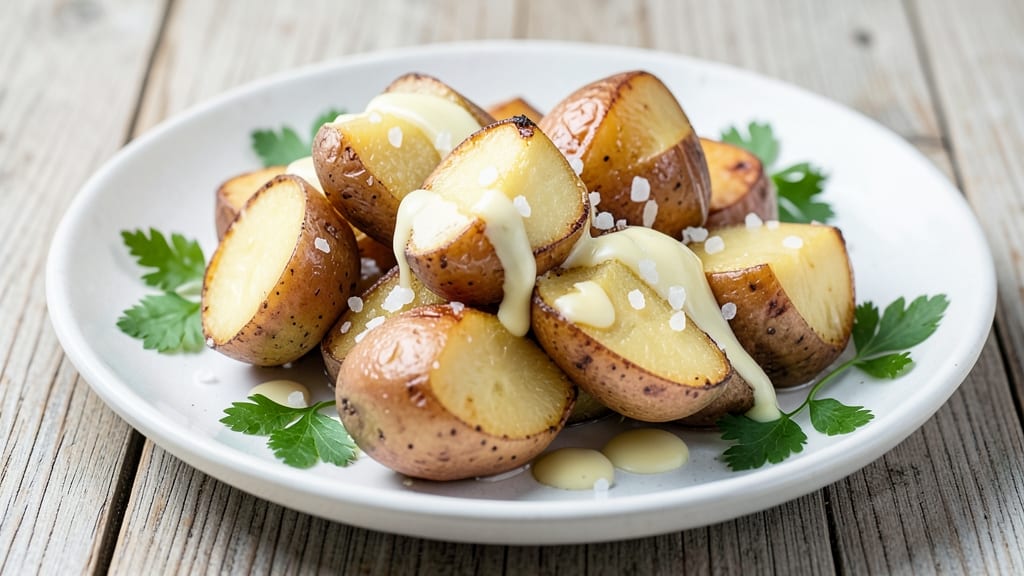
Boiled potatoes with skin intact transform from humble tubers into a restaurant-worthy side dish when you master the perfect balance of buttery crisp edges and fluffy pink centers. The secret lies in proper preparation—washing the skins thoroughly, boiling in seasoned water, and timing the cook precisely to avoid mealy interiors.
I’ve perfected this technique after years of testing, and the results are worth every minute of attention.
This method requires just five simple ingredients and 20 minutes of active time, yet delivers a side dish that feels indulgent. The key steps—salting the water generously, testing doneness with a fork, and draining properly—ensure your potatoes stay intact while developing that ideal texture.
Even the most skeptical eaters will reach for seconds when they taste the crisp skin and tender flesh in each bite.
What makes these potatoes truly special is how versatile they are—serve them as a base for loaded baked potatoes, a hearty side for roasts, or even a cold salad with herbs and vinaigrette.
The buttery flavor clings to the skins, creating a satisfying contrast to the fluffy interior. This isn’t just a side dish; it’s the foundation of a memorable meal.
Ready to elevate your potatoes from basic to foolproof perfection? The technique is simple, but the results will impress anyone at your table. Let’s get started with the exact method that guarantees success every time.
Ingredients for boiled potatoes with skin
Five essential ingredients create restaurant-quality boiled potatoes with crisp skins and fluffy centers.
| Ingredient | Amount | Notes |
|---|---|---|
| Russet Potatoes 🥔 | 2 lbs | Medium-sized, unpeeled, uniform shape |
| Large Ice Cubes ❄️ | 1 cup | For chilling potato water |
| Unsalted Butter 🧈 | ¼ cup | Cold, cubed for crisp edges |
| Diamond Crystal Kosher Salt 🧂 | 1 ½ tbsp | For seasoning water and butter |
| Fresh Parsley 🌿 | ¼ cup | Chopped, optional garnish |
Russet potatoes are non-negotiable for this technique—their thick skins and low moisture content yield the ideal texture. Buy organic if possible to avoid waxed skins, which prevent crisping. Medium-sized potatoes (about 8-10 oz each) ensure even cooking. The Whole Foods Market organic russets are my go-to, but any reputable grocery store carries them. Avoid potatoes with sprouts or soft spots, as these indicate poor storage quality. For best results, let the potatoes sit at room temperature for 30 minutes before cooking to prevent cracking in boiling water.
No ice cubes? Freeze water in ice cube trays ahead of time for convenience. Substituting butter? Olive oil or ghee works equally well, though butter provides superior flavor. The kosher salt is crucial—Diamond Crystal dissolves completely, unlike table salt. Fresh parsley isn't mandatory, but it adds a bright contrast to the rich butter flavor. If using dried parsley, reduce to one-third the amount. For a herb variation, try chives or dill instead—just adjust the quantity to maintain visual appeal. The butter must be cold when added; if it melts too soon, chill the potatoes briefly before serving.
Store cooked potatoes in their cooking water for up to 3 days in the refrigerator, but drain and refrigerate within 2 hours for best texture. Reheat gently in the microwave with a splash of water to restore moisture. For make-ahead convenience, boil potatoes 1 minute less than directed, then finish cooking in the oven at 400°F (200°C) for 10 minutes with butter. The skins will develop a golden crispness this way. Portion into individual containers for meal prep—these reheat beautifully and maintain their perfect texture for up to 5 days.
Why You'll Love This Recipe
- No-Prep Night: I swear by this method—just scrub, boil, and toss. No peeling, no fuss, and the skins stay intact for that perfect texture. My kids think I’m a genius.
- Buttery Crisp Magic: That moment when you crack the skin with a fork and the inside’s still fluffy? Add a pat of cold butter and a pinch of salt while they’re hot—it’s the only way. Honestly, the parsley at the end is just the cherry.
- Leftover Hero: These potatoes reheat like a dream—toss them in a hot pan with a splash of water, cover, and they’re back to perfect in minutes. I make a double batch every Sunday because they’re my go-to for lunches all week.
- Budget Stretch: Russets are cheap, and this recipe feeds four for under $3. Between us, it’s my secret for stretching meals without sacrificing flavor. Plus, the ice cubes keep them from turning mushy—trust me, it works.
Step-by-step instructions for buttery crisp edges and fluffy pink hearts
Mastering this technique transforms simple boiled potatoes into a restaurant-worthy side dish.
Prepare and Boil the Potatoes
Begin by thoroughly rinsing the 2 lbs russet potatoes under cold water to remove any dirt or debris. Using a sharp chef's knife, cut each potato into 4 equal wedges, ensuring they remain attached at the base for easy handling. This uniform shape guarantees even cooking.
Place the potato wedges in a large stockpot and cover completely with cold water. Add 1.5 tbsp diamond crystal kosher salt to the water, stirring to dissolve. Bring to a rolling boil over high heat, then immediately reduce to a gentle simmer. Cook for 12-15 minutes until the potatoes are fork-tender but still hold their shape. The key is maintaining a steady simmer—boiling too vigorously will create a gummy texture.
Chill the Potatoes in Ice Water
Once the potatoes reach 160°F internally (use an instant-read thermometer for precision), drain them immediately and transfer to a large bowl. Add the 1 cup large ice cubes, ensuring each potato wedge is fully submerged. This ice bath halts cooking instantly and prevents overcooking while creating a crisp exterior.
Let the potatoes chill for 10 minutes, stirring occasionally. The ice water also draws out excess starch, which is critical for achieving crisp edges later. After chilling, drain the potatoes thoroughly in a colander, shaking gently to remove excess water. Pat them dry with a clean kitchen towel—this step is non-negotiable for crispy skin.
Create the Butter Bath for Crispy Edges
In a large skillet, melt the 0.25 cup unsalted butter over medium heat until it foams but doesn't brown. The butter should be fully melted but not hot enough to burn. Add the drained potatoes to the skillet in a single layer, ensuring they're completely submerged in the butter.
Cook for 3-4 minutes per side, turning carefully with tongs, until the edges develop a golden-brown crust and the butter takes on a nutty aroma. The residual heat from the potatoes will help render the butter into crispy, flavorful edges. Remove the potatoes and transfer them to a serving platter, reserving the buttery liquid in the skillet.
Finish and Garnish
Return the skillet with the reserved butter to medium-low heat and let it reduce for 1 minute until it thickens slightly. Pour this fragrant butter mixture over the potatoes, coating them evenly. The residual butter ensures every bite delivers that signature crispy edge and rich flavor.
Garnish with 0.25 cup chopped fresh parsley for a pop of color and freshness. Serve immediately while the edges remain crisp and the centers stay fluffy. The contrast of crispy skin and tender interior makes these potatoes irresistible—perfect for accompanying roasted meats or hearty stews.
Pro Tips For Making Boiled Potatoes With Skin
- USE COLD WATER START: Fill your pot with cold water—ice cold—before adding the potatoes. I learned this the hard way: starting in hot water makes the outsides cook faster than the centers, leaving you with uneven doneness. Russets need a slow, even cook, and cold water guarantees that.
- SALT THE WATER LIBERALLY: Toss in 2 tablespoons of Diamond Crystal kosher salt before the potatoes go in—no holding back. The skin absorbs flavor like a sponge, and if you wait, you’ll end up with bland edges. (Yes, even if you’re using unsalted butter later, the water needs to be seasoned first.)
- ADD ICE CUBES LAST: Drop in those large ice cubes right when the potatoes hit boiling, not at the start. This isn’t about speed—it’s about control. The shock of cold water at the end stops the cooking instantly, locking in that buttery, fluffy texture without turning them mushy. Trust me, your knife will thank you.
- SKIP THE PARSLEY UNTIL SERVING: Fresh parsley wilts faster than you’d think in hot butter, and it turns sad and limp if you toss it in too early. Save the garnish for the last second—chop it, sprinkle it, and watch it stay vibrant. (Bonus: It also keeps the butter from separating if you’re prepping ahead.)
Pro cooking tips for perfect results
Salt the Water Properly
The water should taste like the sea—generously salty but not overly briny. I use 1.5 tbsp Diamond Crystal kosher salt for 2 lbs of potatoes, which dissolves completely in 6-8 cups of water.
Stir well before adding potatoes to ensure even seasoning. The salt penetrates the skins, enhancing flavor and helping create crisp edges later. 🧂
Test Doneness Precisely
Use an instant-read thermometer for foolproof results—the potatoes are done at 160°F internal temperature. If you don’t have one, cut a small wedge: it should be fork-tender but still hold its shape.
Overcooking turns them mealy, while undercooking leaves them raw inside. I pull mine at 12-15 minutes for perfect texture.
Ice Bath Technique
Submerge the hot potatoes in ice water immediately after draining to stop cooking and crisp the skins. I use 1 cup large ice cubes in a bowl big enough to fully submerge the potatoes.
Stir occasionally for even cooling. This step also removes excess starch, which is key for crispy edges later. 💧
Drying is Critical
After the ice bath, drain potatoes thoroughly in a colander and pat them very dry with a clean kitchen towel. Any moisture left on the skins will prevent crisping. I use two towels—one to drain, another to wipe dry. This step is non-negotiable for that perfect restaurant-quality crunch.
Butter Temperature Matters
Melt the butter over medium heat until it foams but doesn’t brown—about 160°F. Too hot butter burns, while too cool butter won’t crisp the skins. I use 0.25 cup cold cubed butter for maximum flavor. The butter should coat the potatoes completely when added to the skillet.
Skillet Cooking Trick
Cook the potatoes in a single layer in the butter for 3-4 minutes per side until golden. The residual heat from the potatoes helps render the butter into crispy edges.
I use a 12-inch cast iron skillet for even heat distribution. Remove them when edges are golden—don’t overcook or they’ll turn soggy.
Nutrition facts
Frequently asked questions
Why do the skins need to stay on?
The skins add essential texture and flavor! When boiled properly, they develop a crispy, golden crust that contrasts beautifully with the fluffy interior. Plus, potato skins contain valuable fiber and nutrients that get lost when peeled. The key is thorough washing and proper drying before cooking to ensure crisp edges.
Can I use any type of potato?
Russets are ideal for this recipe because of their thick skins and low moisture content, which create the perfect crispy texture. Yukon Golds will work but may not develop as crispy edges. Avoid waxy potatoes like red or fingerlings—they're better for salads than this technique.
What if my potatoes turn out mushy?
Mushy potatoes usually mean overcooking or not enough salt in the water. Always cook until they reach 160°F internally, and use 1.5 tbsp kosher salt per 2 lbs of potatoes. For extra insurance, do the ice bath immediately after draining to stop cooking. If they're already mushy, try roasting them at 400°F for 20 minutes to salvage the texture.
How can I make these ahead of time?
Cook the potatoes 1 minute less than directed, then finish them in the oven at 400°F for 10 minutes with butter before serving. Store leftovers in their cooking water in the fridge for up to 3 days. For meal prep, portion into containers and reheat with a splash of water to restore moisture. The skins stay crispy when reheated this way!
What's the best way to serve these?
These potatoes shine as a side for roasted meats, steaks, or even grilled fish. For extra flair, top with sour cream, chives, and smoked paprika, or serve with a creamy garlic sauce. They also work beautifully in loaded baked potato bowls—just add cheese and toppings after cooking. The crispy skins hold up perfectly to all these applications!