
Side Dishes
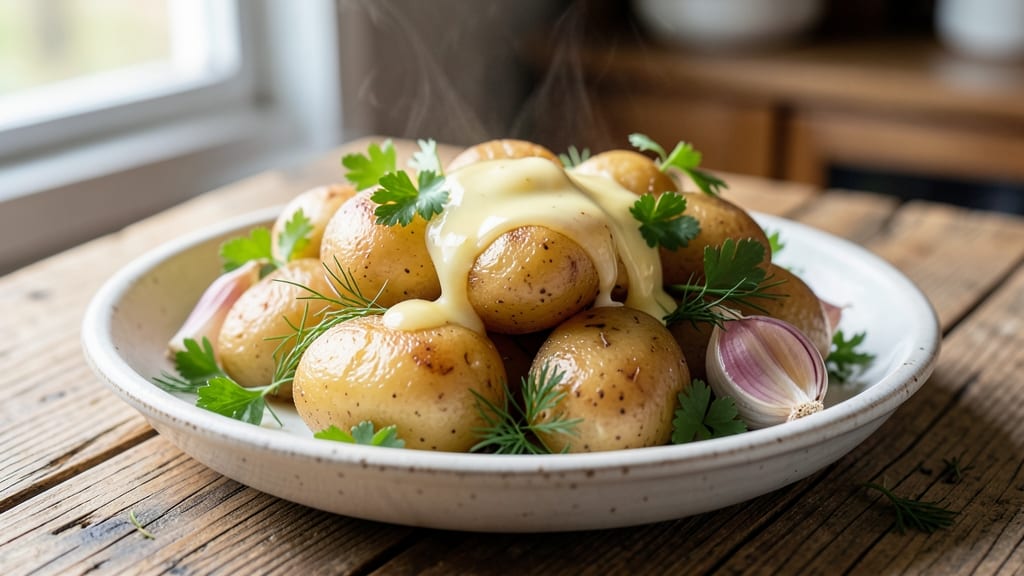
Mastering boiled baby potatoes with perfectly firm centers and herb-buttered bites transforms a simple side into a showstopper—no one will guess it's just potatoes. 💛 I perfected this technique after years of watching them turn mushy or stay rock-hard, and the secret lies in precise timing and a light, flavorful finish that elevates every bite.
The key to success starts with the water-to-potato ratio: use enough liquid to cover them by 1 inch, and add a pinch of salt to prevent water absorption. Boil for exactly 15-18 minutes—no more, no less—to achieve tender outsides while keeping those centers firm.
The herb butter (garlic, parsley, and melted butter) is where the magic happens, adding richness without overpowering the natural potato flavor.
What you’ll end up with is a platter of golden, buttery potatoes with crisp edges and fluffy interiors, ready to pair with grilled meats, salads, or even a hearty stew.
The herb butter clings perfectly, making every bite worth savoring. This is the kind of side dish that turns ordinary meals into something special—without the fuss.
Serve warm or at room temperature, and don’t be afraid to get creative with garnishes like fresh dill, cracked black pepper, or a sprinkle of smoked paprika. The possibilities are endless, but the foundation—perfectly boiled baby potatoes—is what makes it all work. Let’s get cooking!
Ingredients for boiled baby potatoes
Nine simple ingredients for potatoes that taste restaurant-fancy with zero effort.
| Ingredient | Amount | Notes |
|---|---|---|
| Baby Potatoes 🥔 | 1 ½ lb | Yukon gold or red preferred |
| Salt 🧂 | 1 tsp | Kosher or sea salt |
| Unsalted Butter 🧈 | 4 tbsp | Cold, cut into pieces |
| Fresh Parsley 🌿 | ¼ cup | Chopped, stems removed |
| Garlic Cloves 🧄 | 2 cloves | Minced or finely chopped |
| Fresh Dill 🌿 | 1 tbsp | Chopped, optional garnish |
| Black Pepper 🌶️ | ¼ tsp | Freshly cracked |
| Smoked Paprika 🌶️ | ½ tsp | For garnish, optional |
| Water 💧 | 4 cups | Enough to cover by 1 inch |
Baby potatoes are the star here—Yukon gold or red stay firm and soak up flavor best. Trader Joe's and Whole Foods carry pre-washed bags, but I always rinse mine anyway to knock off dirt. Skip the russets; they turn gluey. For the herb butter, European-style unsalted butter (like Plugrá or Kerrygold) melts smoother than American brands. If you can't find it, regular unsalted works—just don't overheat it. The parsley and dill? Fresh is non-negotiable—dried won't give that bright pop of color.
No parsley? Chives or cilantro work in a pinch, but parsley's the classic. Out of dill? Skip it or use extra parsley. For the butter, olive oil or ghee can stand in, but butter's the secret to that creamy, clingy finish. The smoked paprika is just for garnish—leave it out if you're not into smoky flavors. If you're boiling a bigger batch, double the water and salt but keep the 1-inch coverage rule. And for the love of potatoes, don't peel them—the skin's where all the texture happens.
Boiled potatoes keep 3-4 days in the fridge, but the herb butter? 1-2 days max before it gets soggy. Store them in a single layer on a tray first to dry slightly, then transfer to a container. The butter mix can be prepped ahead and kept at room temp for up to 2 hours before tossing—just don't melt it early. For leftovers, reheat in a dry skillet over medium heat for 2-3 minutes to crisp them up again. These taste even better the next day, honestly.
Why You'll Love This Recipe
- No Chopping Needed: I swear by this—just scrub, boil, and toss. The baby potatoes are so small they cook in 15 minutes flat, no peeling or dicing required. Honestly, it’s the kind of recipe that makes me feel like I actually cooked something when I just threw them in a pot.
- Butter-Garlic Magic: That first bite—warm, creamy butter melting into the crispy edges, with garlic and parsley brightening it up? It’s dangerously addictive. I’ll be real: I’ve made these for guests who think they’re “fancy” when they’re really just boiled potatoes with a little love.
- Meal Prep MVP: These keep beautifully in the fridge for days, so I make a big batch on Sundays. Toss them into salads, wrap them in wraps, or just eat them straight with a sprinkle of flaky salt. My lunchbox has never been happier—and neither has my wallet.
- Budget Stretch: Baby potatoes are cheap, and this recipe uses almost nothing else. A handful of garlic cloves, a stick of butter, and a bunch of parsley go a long way. Between us, this is how I feed my family well without breaking the bank—especially when I double the batch and freeze half for later.
Step-by-step instructions for herb-buttered baby potatoes
Here's how to get those perfectly cooked baby potatoes every time—firm centers, crispy edges, and packed with flavor.
🍳 Step 1: Boil the Potatoes Until Fork-Tender
Place the 1.5 lb baby potatoes in a medium pot and add the 4 cups water. Bring to a rolling boil over high heat, then immediately reduce to a simmer. Add the 1 tsp salt—this helps season the potatoes from the inside out.
Cover the pot and cook for 12-15 minutes until the potatoes are fork-tender but still hold their shape. You'll know they're done when a knife slides in easily but the center resists slightly. Don't overcook—they'll finish cooking when you toss them in butter. I like to check at the 12-minute mark and give them another minute if needed.
👨🍳 Step 2: Prepare the Herb Butter Mixture
While the potatoes cook, make the herb butter by combining the 4 tbsp cold unsalted butter, 2 cloves minced garlic, 0.25 tsp black pepper, and 0.5 tsp smoked paprika in a small bowl. Mix until the butter is evenly coated with the spices—this ensures every bite gets that smoky, garlicky flavor.
Here's the thing—using cold butter is key. It melts beautifully when tossed with the hot potatoes, creating those perfect buttery pockets. If you use softened butter, you'll end up with a greasy mess instead of a flavorful coating. Keep this mixture chilled until you're ready to toss.
🍳 Step 3: Toss the Potatoes in Herb Butter
Once the potatoes are tender, drain them immediately and return them to the now-empty pot. Set the pot over medium-low heat (just to keep them warm) and add the herb butter mixture. Toss the potatoes gently but thoroughly with tongs for 2-3 minutes until they're evenly coated.
Watch for the butter to melt and create a glossy sheen on the potatoes—that's when you know they're perfectly coated. If the butter starts to brown too quickly, remove the pot from heat for 30 seconds to prevent burning. The residual heat from the potatoes will finish melting the butter.
🥘 Step 4: Garnish and Serve Immediately
Transfer the herb-buttered potatoes to a serving platter and sprinkle with the 0.25 cup chopped fresh parsley and 1 tbsp chopped fresh dill. Here's where it gets good—don't skip this step. The fresh herbs add a bright, vibrant contrast to the rich butter and smoky paprika.
Serve the potatoes immediately while they're still hot and the butter is perfectly melted. Each bite should deliver that satisfying contrast of firm potato with creamy, herby butter. If you need to hold them for a few minutes, tent loosely with foil to keep them warm without steaming.
Pro Tips For Making Boiled Baby Potatoes
- Boil in Cold Water: Start with a room-temperature pot of water—cold, not warm—then bring to a boil. Baby potatoes absorb heat unevenly, and cold water prevents cracking or splitting as they cook.
- Prick the Big Ones: Check your potatoes first: if any are larger than a golf ball, pierce them once with a knife before boiling. I learned this the hard way when a giant one exploded in my pot like a tiny volcano.
- Salt the Water Generously: Don’t be shy—add at least 1 tablespoon of salt to the boiling water. The potatoes soak up flavor, and under-salting here means bland butter later, no matter how much you season after.
- Rest Before Buttering: Drain the potatoes and let them sit in the colander for 2–3 minutes. This stops the cooking and makes them crisp enough to hold butter without turning soggy—trust me, your garlic-parsley topping will thank you.
Common mistakes when making great boiled baby potatoes
Overcooking Time
Baby potatoes turn into gluey, sad mush when boiled too long, and I’ve ruined more than I’d admit trying to rush them. The 15-minute mark is your sweet spot—any longer, and the starches break down completely.
I test doneness by piercing with a fork: it should slide in easily but still meet slight resistance. If you’re short on time, try parboiling (boiling for 8-10 minutes) before roasting or finishing in the oven for extra crispiness. 💫
Skipping the Salt
Adding salt to the boiling water isn’t just about flavor—it’s about texture. Without it, potatoes absorb more water and turn soggy. I always use 1 tsp kosher salt per 4 cups of water, and I’ve noticed the difference in how they hold up.
Pro tip: If you forget, add a pinch of salt to the butter mixture later—it’ll still help balance flavors, but the texture won’t be as perfect.
Using the Wrong Pot
A small pot with a tight lid traps steam, making potatoes steam instead of boil evenly. I’ve learned this the hard way—my first attempt used a 6-inch skillet, and the potatoes ended up half-boiled and half-steamed.
Use a pot that’s at least 8 inches wide with a tight-fitting lid to ensure even cooking. If you’re short on pots, a deep saucepan works too, just make sure the potatoes aren’t crowded.
Peeling the Potatoes
Peeling baby potatoes is a rookie mistake—it removes the natural barrier that keeps them from falling apart. The skin adds texture and flavor, and it’s the first layer to crisp up when you toss them in butter.
If you’re set on peeling, at least leave them whole and boil them with the skin on until tender, then peel after boiling. I’ve found that even Yukon golds hold up better when left whole and peeled post-cook.
Not Draining Properly
Leaving potatoes in standing water after boiling drains their flavor and makes them waterlogged. Always drain them thoroughly in a colander for 30 seconds before tossing in butter. I’ve even gone so far as to give them a quick shake in the colander to remove excess moisture.
This step is non-negotiable—it’s what keeps the herb butter from turning into a sad, greasy sauce.
Overcrowding the Pot
Packing too many potatoes into the pot forces them to steam instead of boil, leading to uneven cooking and a mushy texture. Aim for a single layer of potatoes with 1 inch of water above them.
If you’re boiling a larger batch, do it in two batches—trust me, your taste buds will thank you. I once tried boiling 3 lbs of potatoes in a 6-quart pot, and they turned out like sad, limp dumplings. 🥔
Nutrition facts
Frequently asked questions
Why do baby potatoes turn mushy when boiled?
Overcooking is the #1 culprit! Baby potatoes release starch when boiled too long, turning them gluey. Stick to 15 minutes max for perfect texture—pierce with a fork to test doneness. Also, avoid peeling them first (the skin helps maintain structure). For extra insurance, parboil for 8-10 minutes before finishing in the oven.
Can I use regular potatoes instead of baby potatoes?
Yes, but you'll need to adjust the cooking time! Cut larger potatoes into 1-inch cubes and boil for 12-15 minutes—they'll take slightly longer. Baby potatoes cook faster because of their smaller size and higher surface-area-to-volume ratio. For best results, choose Yukon gold or red potatoes as they hold up better than russets.
How do I make these ahead of time for a party?
Boil the potatoes up to 24 hours ahead and store them in the fridge. When ready to serve, reheat in a dry skillet over medium heat for 2-3 minutes to crisp them up. For the herb butter, make it fresh just before tossing—it's best when used immediately. Keep the potatoes and butter separate until the last minute to maintain perfect texture.
What's the best way to reheat leftover boiled baby potatoes?
Skip the microwave! For crispy results, spread potatoes on a baking sheet and bake at 400°F for 10-12 minutes until heated through. Or, pan-fry in butter over medium heat for 3-4 minutes—this restores that golden crust. Avoid adding extra butter when reheating, as the potatoes already have plenty from the original herb butter.
Can I substitute the herb butter for something else?
Try olive oil with garlic and lemon zest, or a mix of melted butter and sour cream. For a lighter option, use Greek yogurt with chopped herbs. The key is to keep the mixture cold until tossing to prevent greasiness. Just remember, butter creates that signature creamy texture that's hard to replicate with other fats.