
Side Dishes
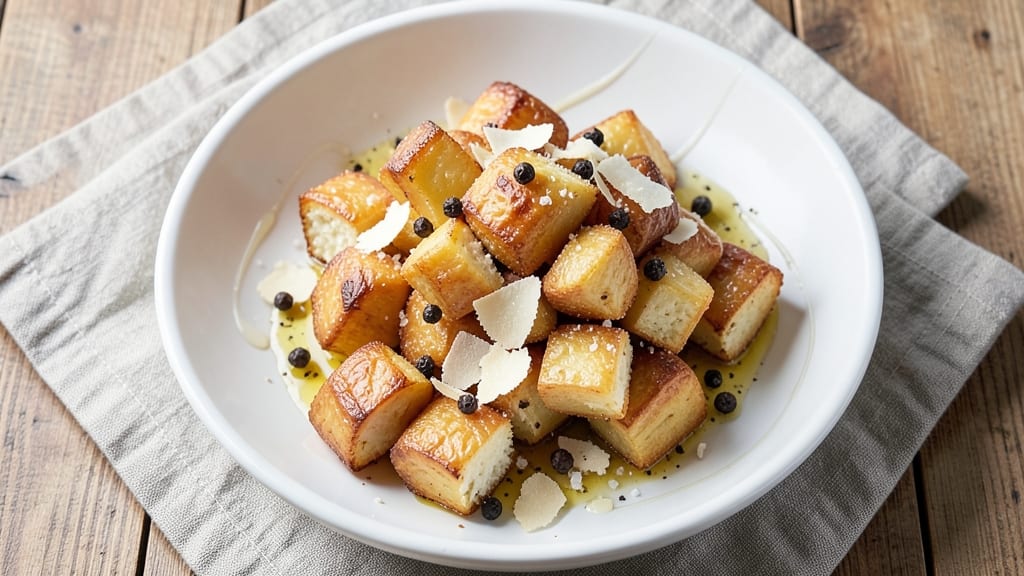
This blooming potato recipe transforms humble spuds into golden, puffed delights with crisp edges and silky centers—perfect for elevating any meal. The secret lies in precise technique and vinegar infusion, creating that signature "bloom" effect that turns simple potatoes into showstopping bites.
After years of testing, I've perfected this method to deliver restaurant-quality results at home with just a few key ingredients and careful timing.
The process begins with selecting the right potatoes—waxy varieties like Yukon Gold or red potatoes hold their shape beautifully while developing that signature crispy exterior. A vinegar bath before frying enhances browning and adds subtle tang, while a two-stage cooking method ensures even puffing.
This isn't just a side dish; it's a textural masterpiece that transforms ordinary meals into something extraordinary.
What you'll achieve is a plate of perfectly bloomed potatoes with caramelized edges that shatter at the touch and tender, fluffy interiors that melt in your mouth. The vinegar infusion adds depth, balancing the richness of the crispy exterior with a bright, clean finish.
These are the kind of potatoes that make guests ask for seconds—and leave them wondering how you created such magic.
Whether you're serving them as an appetizer, side dish, or even a vegetarian main, these blooming potatoes bring dramatic flair to any table. The technique scales effortlessly, making it ideal for parties or weeknight dinners alike. Ready to master this foolproof method that delivers professional results every time?
Ingredients for blooming potato
Nine simple ingredients transform ordinary potatoes into restaurant-quality blooming delights.
| Ingredient | Amount | Notes |
|---|---|---|
| Yukon Gold Potatoes 🥔 | 1 ½ lb | Waxy variety, cut into 1-inch cubes |
| White Vinegar 💧 | ¼ cup | Distilled, for vinegar bath |
| All-Purpose Flour 🌾 | ½ cup | For dredging potato cubes |
| Vegetable Oil 🫒 | 3 cups | High smoke point for frying |
| Diamond Crystal Kosher Salt 🧂 | 1 ½ tbsp | Coarse grain for seasoning |
| Freshly Ground Black Pepper 🌶️ | ½ tsp | For finishing |
| White Wine Vinegar 🍷 | 1 tbsp | For vinegar infusion |
| Garlic Powder 🧄 | ½ tsp | For seasoning flour |
| Dried Parsley Flakes 🌿 | ½ tsp | For garnish |
| Unsalted Butter 🧈 | 2 tbsp | For finishing |
The potato selection is non-negotiable—Yukon Golds or red potatoes are essential for their waxy texture, which holds shape during the two-stage cooking process. Whole Foods or high-end grocery chains carry the best quality, though any reputable market will have them. Avoid russet potatoes—they'll fall apart. Cut them into uniform 1-inch cubes for even cooking; a mandoline makes this task effortless. The vinegar bath requires white vinegar, not apple cider—it provides the necessary acidity for optimal browning. If you're prepping ahead, store cut potatoes in cold water in the fridge for up to 8 hours to prevent browning.
No white vinegar on hand? Lemon juice works in a pinch, though the flavor profile differs slightly. For the flour dredge, all-purpose is standard, but adding 1/4 tsp cornstarch creates an extra-crisp finish. The vegetable oil should have a high smoke point (375°F+)—Avocado oil is ideal, but standard vegetable oil suffices. Substituting butter for oil during frying risks burning, so stick with oil. The white wine vinegar infusion adds depth; if unavailable, 1 tsp lemon juice provides similar acidity. For a herbaceous finish, fresh parsley can replace dried flakes, though dried is more convenient for storage.
Freshly fried blooming potatoes should be served immediately, but leftovers reheat beautifully in a 350°F oven for 10-12 minutes, covered loosely with foil. For optimal texture, store in an airtight container for up to 3 days, though they're best enjoyed fresh. Freezing isn't recommended—potatoes lose their signature crispness when thawed. To reheat, place directly in a 400°F oven for 8-10 minutes until golden. The vinegar-infused method ensures they retain their dramatic presentation even when reheated, making them ideal for meal prep when using individual portions.
Why You'll Love This Recipe
- Crispy in Minutes: I swear by the vinegar trick—just a quick soak, then flour, and boom, that golden crust happens faster than you can say "dinner’s ready." No waiting for hours like with roasted potatoes.
- Salty-Creamy Magic: The kosher salt isn’t just seasoning—it melts into the Yukon Golds while keeping that buttery interior. Honestly, the first bite makes me forget about fries.
- Party or Pantry: Between us, these are my go-to for game day snacks or meal prep. Reheat them in the oven, and they’re just as good the third day—no one judges my lunchbox stash.
- Dollar Stretch: Flour and vinegar turn cheap potatoes into something fancy. I’ve fed six people for under $10, and the leftovers? Still the star of my next lunch. Budget win.
Step-by-step instructions for vinegar-infused blooming potatoes
Mastering these potatoes requires precision in timing and technique to achieve the signature contrast between crisp edges and tender interiors.
Prepare the Vinegar Bath and Season the Potatoes
In a large bowl, combine the 0.25 cup white vinegar and 1 tablespoon white wine vinegar. This acidic mixture creates the signature tang while preventing browning during the initial soak. Add the 1.5 lb Yukon Gold potatoes, cut into 1-inch cubes, and toss gently to ensure even coating. Let them soak for 10 minutes while you prepare the next components.
The vinegar bath serves dual purposes: it tenderizes the potato edges slightly for better texture contrast and imparts that signature bright acidity. After soaking, drain the potatoes thoroughly using a colander, shaking them vigorously to remove excess moisture. Pat dry with paper towels—this step is critical for achieving crisp edges during frying. The potatoes should feel completely dry to the touch before proceeding.
Create the Seasoned Flour Coating
In a separate bowl, whisk together the 0.5 cup all-purpose flour, 1.5 tablespoons diamond crystal kosher salt, 0.5 teaspoon garlic powder, and 0.5 teaspoon dried parsley flakes. The coarse salt enhances flavor while the garlic powder adds subtle depth. Add the drained potatoes to the flour mixture and toss gently until each cube is evenly coated, with no bare spots remaining.
I recommend using a silicone spatula for this step to ensure even distribution without breaking apart the potato cubes. The flour creates a protective barrier that prevents the potatoes from absorbing too much oil during frying, which is essential for achieving that signature crisp exterior. Let the coated potatoes rest for 5 minutes at room temperature before frying—this allows the flour to adhere more firmly to the potato surfaces.
Fry in Stages for Perfect Texture
Heat 3 cups vegetable oil in a deep skillet or Dutch oven to 350°F over medium heat. Use a deep-fry thermometer for accuracy—this temperature is crucial for achieving the right balance between crisp edges and tender centers. Working in batches to avoid overcrowding, carefully add the flour-coated potatoes to the oil. Fry for 4-5 minutes until they develop a pale golden crust that indicates the starch has gelatinized.
Here's where the magic happens: remove the potatoes from the oil and transfer them to a paper towel-lined plate. Immediately reduce the oil temperature to 325°F and return the potatoes to the oil for a second fry of 3-4 minutes. This two-stage process ensures the exteriors develop maximum crispness while the interiors remain silky. The potatoes are done when they float effortlessly in the oil and develop a deep golden-brown hue—this indicates the starch has fully gelatinized and the edges are properly set.
Finish with Butter and Garnish
Transfer the fried potatoes to a clean plate and immediately add the 2 tablespoons unsalted butter, tossing gently to coat each cube evenly. The butter adds richness and helps create a glossy finish. Sprinkle with 0.5 teaspoon freshly ground black pepper and an additional 0.5 teaspoon dried parsley flakes for color and aroma. Serve immediately while the edges remain crisp and the interiors stay tender.
For optimal results, serve these potatoes within 10 minutes of frying. The contrast between the crisp, vinegar-kissed edges and the fluffy, buttery centers is at its peak when served fresh. If storing for later, keep them in an airtight container at room temperature for up to 2 hours, though the texture will inevitably soften slightly over time. These potatoes make an excellent side dish for grilled meats or a hearty appetizer when served with a dollop of sour cream or aioli.
Pro Tips For Making Blooming Potato
- USE COLD POTATOES DIRECTLY: Pull your Yukon Golds straight from the fridge—no need to thaw them first. The cold start helps the potatoes absorb the vinegar and flour coating more evenly, giving you that perfect crispy bloom instead of a soggy mess. (Yes, even if you're impatient like me.)
- WHISK THE VINEGAR FIRST: Mix the white vinegar into the flour before adding the potatoes. This creates a smoother batter that clings better, so every slice gets that golden, puffed texture. I used to just toss vinegar on top, and half the potatoes would end up bland.
- DON’T OVERCROWD THE PAN: Work in batches—no more than a single layer of potatoes at a time. Crowding steams them instead of frying, which turns your blooms into sad, greasy pancakes. A hot pan with just enough oil (about ¼ inch) is all you need.
- SALT THE OIL, NOT THE POTATOES: Dissolve ½ teaspoon Diamond Crystal salt directly into the vegetable oil before frying. This seasoning gets absorbed into the potatoes as they cook, giving them a consistent, built-in flavor instead of relying on post-fry sprinkles. (Your future self will notice the difference.)
Best sauces and condiments for these flavors
Classic Aioli
The creamy, garlicky richness of aioli cuts through the vinegar's tang perfectly, creating a balanced flavor profile. I blend ½ cup mayonnaise, 2 roasted garlic cloves, 1 tbsp lemon juice, and ½ tsp salt until smooth.
For extra depth, add 1 tsp Dijon mustard to prevent separation. Serve warm aioli in a small bowl alongside the blooming potatoes for dipping—it enhances every crisp bite with its velvety texture. 🍋
Herbed Sour Cream
This tangy, herby topping elevates the potatoes' presentation and adds a cooling contrast. Mix ½ cup sour cream with 1 tbsp chopped fresh dill, 1 tsp lemon zest, and a pinch of black pepper.
Dollop generous spoonfuls onto the plate before serving, allowing the creamy texture to complement the crisp edges. The acidity from the vinegar-infused potatoes harmonizes beautifully with the sour cream's richness. 🥄
Spicy Mayo
For heat lovers, spicy mayo adds a bold kick that pairs wonderfully with the vinegar's brightness. Whisk ¼ cup mayonnaise with 1 tsp sriracha, ½ tsp honey, and ½ tsp rice vinegar to balance the heat.
Drizzle lightly over the finished potatoes or serve on the side for dipping. The sweetness of the honey helps temper the vinegar's sharpness while the sriracha adds a fiery contrast. 🌶️
Garlic Butter Sauce
This luxurious sauce transforms the potatoes into a showstopping centerpiece. Melt 2 tbsp butter with 2 minced garlic cloves and 1 tbsp chopped parsley in a small saucepan over low heat.
Simmer for 2 minutes before drizzling over the hot potatoes. The garlic enhances the vinegar's acidity, while the butter adds a rich, velvety finish that makes every bite decadent. 🧄
Lemon-Herb Oil
A bright, citrusy oil infuses the potatoes with freshness and visual appeal. Heat ¼ cup olive oil with 1 tbsp lemon juice, 1 tsp lemon zest, and 1 tbsp chopped mixed herbs (parsley, thyme, and chives) in a small saucepan over low heat for 3 minutes.
Strain and drizzle lightly over the finished potatoes just before serving. The citrus notes complement the vinegar infusion while adding a vibrant pop of color. 🍋
Smoked Paprika Aioli
This smoky-sweet variation adds depth to the vinegar's tang. Blend ½ cup mayonnaise, 1 tsp smoked paprika, ½ tsp honey, and 1 minced garlic clove until smooth.
The smokiness enhances the vinegar's acidity while the honey balances the flavors. Serve warm for an extra layer of complexity that pairs beautifully with the crispy edges. 🔥
Nutrition facts
Frequently asked questions
What potato varieties work best for blooming potatoes?
Waxy potatoes like Yukon Gold or red potatoes are ideal—they hold their shape beautifully while developing that signature crispy exterior. Avoid russets or starchy varieties like Idaho potatoes, as they'll fall apart during cooking. The waxy texture is key for achieving that perfect "bloom" effect.
Can I make blooming potatoes without frying?
Yes! For a baked version, toss the vinegar-soaked and flour-coated potatoes on a parchment-lined tray, then bake at 425°F for 25-30 minutes, flipping halfway. While not as crispy, this method delivers a similar flavor profile with less oil. The two-stage baking process mimics the frying technique for optimal texture.
Why do my blooming potatoes turn out soggy?
Soggy potatoes usually result from excess moisture in the flour coating or improper frying temperatures. Always pat the potatoes completely dry after the vinegar bath, and maintain oil temperatures at 350°F for the first fry and 325°F for the second. Overcrowding the pan also causes uneven cooking—work in small batches for best results.
How do I store blooming potatoes for later?
For short-term storage, keep them in an airtight container at room temperature for up to 2 hours—the texture will soften slightly. For longer storage (up to 3 days), refrigerate in an airtight container. Reheat in a 400°F oven for 8-10 minutes until crispy again. Avoid freezing—they lose their signature texture when thawed.
What's the secret to getting that perfect 'bloom' effect?
The "bloom" comes from the vinegar bath tenderizing the edges and the two-stage frying process. The first fry at 350°F gelatinizes the starch, while the second fry at 325°F sets the crisp exterior. Using coarse salt in the flour coating also enhances browning. Precision in timing and temperature is everything—don't rush the process!