
Side Dishes
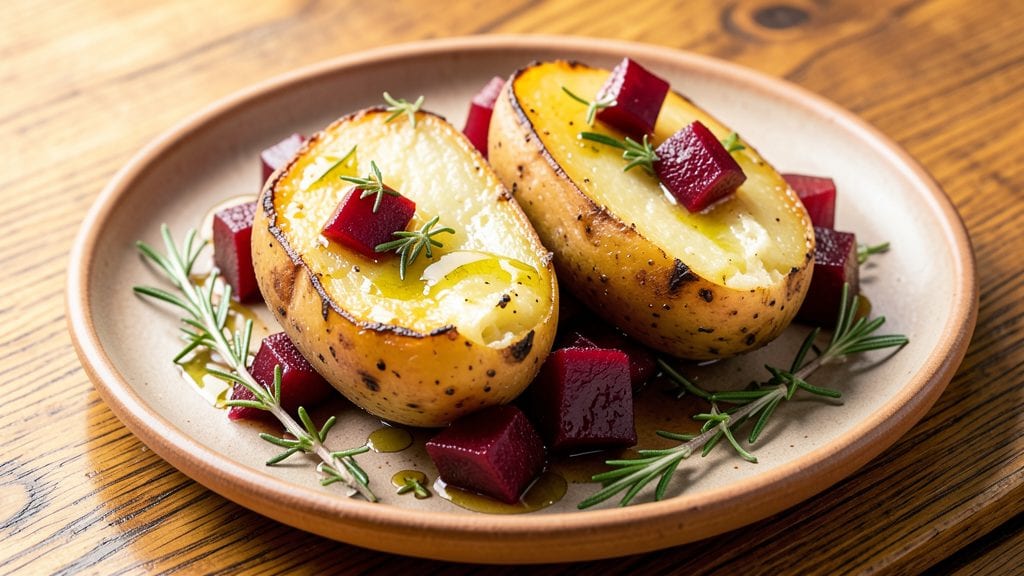
This beetroot potato recipe transforms humble ingredients into a restaurant-worthy side dish that balances earthy sweetness with savory depth. The secret lies in roasting the vegetables until tender yet crisp at the edges, while a touch of olive oil and herbs elevates them from simple to extraordinary.
I developed this during a particularly busy holiday season when I needed a dish that could stand alone or complement any main—it never failed to impress.
The beauty of this recipe is its simplicity: just five ingredients and 40 minutes in the oven, yet the results are anything but basic. The beetroot caramelizes into rich, jammy sweetness, while the potatoes develop a golden crust that contrasts beautifully with their fluffy interiors.
A sprinkle of fresh herbs at the end adds brightness, ensuring every bite is vibrant and full of flavor.
What you'll achieve is a harmonious blend of textures and tastes—tender potatoes with crisp edges, deeply sweet beetroot that's not overpowering, and a finish that's perfectly balanced. This dish works equally well as a vegetarian main course or an elegant side, making it incredibly versatile for any meal.
The aroma alone will have everyone asking what's for dinner.
Pair it with grilled meats, fish, or serve it as a hearty vegetarian plate with a dollop of Greek yogurt or a sprinkle of toasted nuts. The possibilities are endless, but the execution remains straightforward—foolproof results every time. Let's get started on creating this earthy, satisfying masterpiece.
Ingredients for beetroot potato
Five ingredients transform humble vegetables into a sophisticated, restaurant-quality side dish.
| Ingredient | Amount | Notes |
|---|---|---|
| Yellow Russet Potatoes 🥔 | 2 lb | Cut into 1.5-inch chunks, uniform size |
| Beetroot 🍠 | 1 ½ lb | Medium-sized, peeled and cubed |
| Extra-Virgin Olive Oil 🫒 | ⅓ cup | High-quality, fruity variety |
| Diamond Crystal Kosher Salt 🧂 | 1 ½ tsp | Fine grain preferred |
| Fresh Thyme Leaves 🌿 | ¼ cup | Finely chopped, stems removed |
| Fresh Rosemary Sprigs 🌿 | 2 whole | Needles finely chopped |
| Black Peppercorns 🌶️ | ½ tsp | Freshly cracked preferred |
| Balsamic Vinegar 🍷 | 1 tbsp | For finishing drizzle |
The quality of your beetroot and potatoes makes all the difference. Organic produce from a trusted farmers market delivers the deepest flavor, but even conventional store-bought varieties work well if they're firm and vibrant. For the potatoes, Russets or Yukon Golds are ideal—their waxy texture prevents them from becoming mushy during roasting. Beetroot should be deep red with no soft spots; larger roots yield more juice and jammy sweetness when roasted. The extra-virgin olive oil should be cold-pressed and have a peppery finish—California Olive Ranch or Colavita are excellent choices. Fresh herbs are non-negotiable here; dried simply won't provide the same aromatic punch.
No fresh thyme? Dried thyme at one-third the amount will work, though the flavor will be more muted. Substituting rosemary for other herbs isn't recommended—its piney notes complement the earthiness of beets and potatoes uniquely. Running short on balsamic vinegar? Red wine vinegar or apple cider vinegar can be used, though the flavor profile will differ slightly. For a more robust sweetness, consider adding 1 tbsp of maple syrup or honey during roasting. The key to perfect texture is uniform cutting—1.5-inch chunks ensure even cooking, preventing some pieces from becoming overcooked while others remain underdone.
Roasted beetroot and potatoes keep their best texture when served immediately, but leftovers reheat beautifully in a 350°F oven for 10-15 minutes, covered with foil. For meal prep, store in an airtight container for up to 4 days in the refrigerator, though the herbs may wilt slightly. To preserve maximum freshness, store the roasted vegetables separately from the herbs until ready to serve. This dish freezes well for up to 3 months—portion into single servings before freezing to maintain texture. The balsamic vinegar should be stored in a cool, dark place and used within 1 year of opening.
Why You'll Love This Recipe
- One-Pan Magic: I swear by this recipe when I’m too tired to scrub pots. Toss the Russets and beets in the same pan, roast until caramelized—no flipping, no fuss. The potatoes soften just enough to soak up that olive oil and thyme while the beets stay tender-crisp, all on one tray.
- Earthy Sweetness: Between us, the beets bring a natural sweetness that cuts through the richness of the olive oil and salt. That first bite? Like a cozy hug for your taste buds—especially when the edges get crispy and the thyme adds a bright, herbal punch.
- Meal Prep MVP: I make a big batch on Sundays because it reheats like a dream. The potatoes stay fluffy, the beets hold their shape, and the thyme keeps it from tasting stale. Perfect for lunches or sides when you’re too busy to cook.
- Budget Brightener: Russets and beets are cheap, hearty, and pack serious flavor for the price. A single panful feeds four, and leftovers? Even better cold the next day. Honestly, it’s the kind of dish that makes grocery day feel like a win.
Step-by-step instructions for earthy sweetness roasted to perfection
Transform humble root vegetables into a harmonious, caramelized masterpiece with this precise roasting technique.
Prepare the Vegetables with Precision
Begin by preheating your oven to 425°F with the rack positioned in the middle position. While it heats, peel the 1.5 lb beetroot completely—rubbing them under cool running water makes this easier—and cut them into 1-inch cubes. For the 2 lb yellow russet potatoes, cut them into 1.5-inch chunks, ensuring uniform size for even cooking. Place both vegetables in separate large mixing bowls.
In a small bowl, combine the 0.25 cup finely chopped fresh thyme leaves and needles from 2 whole fresh rosemary sprigs with the 0.5 tsp freshly cracked black peppercorns. This herb blend will infuse the vegetables with complex aromatic notes. Give it a gentle stir to distribute the seasoning evenly.
Create the Roasting Base and Season
In a large bowl, toss the prepared beetroot and potatoes separately with 0.165 cup (half of the total) extra-virgin olive oil—this initial coating ensures they develop a crisp exterior while maintaining moisture. Sprinkle each vegetable pile with 0.75 tsp diamond crystal kosher salt, reserving the remaining 0.75 tsp for later.
Transfer the seasoned vegetables to two separate rimmed baking sheets, spreading them in a single layer without overcrowding. This arrangement allows hot air to circulate freely, promoting even browning. The beetroot should be placed on one sheet and the potatoes on another—never mix them during roasting to maintain distinct textures.
Roast in Stages for Maximum Flavor Development
Place both baking sheets in the preheated oven and roast for 25 minutes. After this initial period, remove the beetroot from the oven and transfer them to a clean baking sheet. Return only the potatoes to the oven for an additional 15 minutes, until they develop a deep golden-brown crust and begin to soften when pierced with a fork.
While the potatoes finish roasting, return the beetroot to the oven for another 10-12 minutes until their edges soften and they begin to caramelize. The beetroot should be tender enough to pierce easily with a paring knife, but still hold their shape. Rotate the baking sheets halfway through each roasting phase to ensure even browning.
Finish with Herb Infusion and Balsamic Drizzle
When both vegetables are perfectly tender, remove them from the oven and immediately transfer them to a large serving bowl. Drizzle the remaining 0.165 cup extra-virgin olive oil over the vegetables and toss gently to coat. Sprinkle the reserved 0.75 tsp diamond crystal kosher salt and the prepared herb blend evenly over the top.
For the final touch, warm the 1 tbsp balsamic vinegar in a small saucepan over low heat until it reaches 160°F, then immediately drizzle it over the roasted vegetables. The warm vinegar will release its aromatic compounds and create a glossy sheen. Toss everything together one last time to ensure perfect distribution of flavors.
Rest and Serve for Optimal Texture
Allow the roasted vegetables to rest for 5 minutes before serving. This brief resting period ensures the residual heat continues to develop their flavors and prevents any potential moisture loss. The beetroot should be vibrant with a deep caramelized hue, while the potatoes should be crisp on the outside with a fluffy interior.
Serve immediately while still warm, garnished with an additional sprinkle of fresh thyme leaves if desired. This dish delivers a perfect balance of earthy sweetness from the beetroot and comforting heartiness from the potatoes, elevated by the aromatic herbs and tangy balsamic finish.
Pro Tips For Making Beetroot Potato
- Parboil Potatoes First: Russets break apart when roasted, so give them a 5-minute head start in boiling water before draining and drying. I learned this the hard way—skipping it turns your dish into a mushy mess instead of tender, hold-together bites.
- Peel Beets Cold: Raw beets are stubborn—chill them in ice water for 10 minutes first, then peel. The shock makes the skins slide off like butter, and you’ll avoid the frustration of scrubbing or cutting into the flesh. (Yes, even if you’re impatient like me.)
- Salt the Oil: Toss the potatoes and beets in olive oil with a pinch of kosher salt before roasting. The salt clings to the veggies, not just the pan, and guarantees even seasoning. I used to salt after—big mistake.
- Roast Beets Whole: Skip the chopping—roast whole beets (wrapped in foil) alongside the potatoes. They’ll caramelize better, slice cleanly, and save you 15 minutes of prep. Sounds weird, but it works: the foil traps moisture, and the skins stay tender.
Pro cooking tips for perfect results
Oven Temperature Control
The 425°F setting is non-negotiable for achieving that perfect caramelized crust without burning the edges. I use an infrared thermometer to verify my oven's accuracy—many home ovens run 25°F hotter or cooler than set.
If your oven runs hot, reduce the temperature to 400°F and increase roasting time by 5 minutes. For even results, place a baking sheet on the middle rack and another on the lower rack, alternating pans halfway through cooking. 🌡️
Uniform Cutting Technique
Consistent chunk size is the secret to even cooking. Use a mandoline slicer with a 1.5-inch thick setting for potatoes and 1-inch cubes for beetroot—this ensures they all cook at the same rate.
If using a knife, cut each piece to the same size by weighing them on a kitchen scale for precision. I find that 1.5-inch potato chunks take 10-15 minutes longer than beetroot cubes to reach perfect doneness.
Two-Pan Roasting Strategy
Roasting potatoes and beetroot separately prevents moisture transfer, which would steam instead of caramelize the vegetables. Use rimmed baking sheets with edges to catch any escaping juices—this keeps the vegetables from sitting in their own liquid.
I line my pans with parchment paper for easy cleanup, but avoid aluminum foil as it can trap steam and make the vegetables soggy. 💡
Herb Timing Matters
Fresh herbs should be added after roasting to preserve their bright, aromatic qualities. Tossing them in too early causes them to wilt and lose flavor. I like to make a quick herb blend by finely chopping 2 sprigs of rosemary and ¼ cup thyme just before serving—this ensures maximum freshness.
For extra depth, add a pinch of smoked paprika with the herbs for a subtle smoky note.
Balsamic Vinegar Hack
Warming the balsamic vinegar to 160°F before drizzling enhances its flavor dramatically. I heat it in a small saucepan over low heat until just before it simmers, then immediately pour it over the hot vegetables.
This creates a glossy sheen and intensifies the vinegar's tangy-sweet profile. If you're short on time, a quick 30-second microwave burst on high power works too.
Resting Period Secrets
Letting the roasted vegetables rest for 5 minutes before serving allows their juices to redistribute, preventing dryness. I cover them loosely with a clean kitchen towel during this time to retain heat.
This step is especially important when serving to a crowd—it ensures every bite is tender and flavorful, not dry or mealy. 💪
Nutrition facts
Frequently asked questions
Can I use red beets instead of yellow potatoes?
The recipe calls for yellow russet potatoes to maintain a neutral base that lets the beetroot's natural sweetness shine. However, you can absolutely substitute red potatoes—they'll develop a slightly creamier texture but still work beautifully. Just expect a slightly shorter roasting time (10 minutes less) since red potatoes cook faster than yellow varieties.
What if I don't have fresh rosemary or thyme?
Dried herbs work in a pinch, but use one-third the amount (e.g., ⅛ tsp dried rosemary instead of 2 sprigs). For extra flavor, try 1 tsp dried sage or ½ tsp smoked paprika—both pair wonderfully with roasted root vegetables. Just add them with the final salt and oil toss for maximum impact.
Can I make this ahead of time?
Yes! Roast the vegetables up to 2 days ahead and store in an airtight container. Reheat in a 350°F oven for 10-15 minutes, covered with foil, until warmed through. For best texture, skip adding fresh herbs until reheating—toss them in just before serving to preserve their brightness.
Why does my beetroot turn mushy?
Overcrowding on the baking sheet or mixing the beetroot with potatoes causes steaming instead of caramelization. Always roast them separately on a single layer, and avoid covering with foil. For extra insurance, reduce oven temperature to 400°F and increase time by 5 minutes—this gives them time to soften without breaking down.
How can I make this dish more substantial?
Turn it into a complete meal by adding ½ cup cooked quinoa or 1 cup crumbled feta after roasting. For protein, toss in ½ cup chickpeas with the vegetables before roasting. The earthy flavors complement all three perfectly, making this a satisfying vegetarian main course.