
Side Dishes
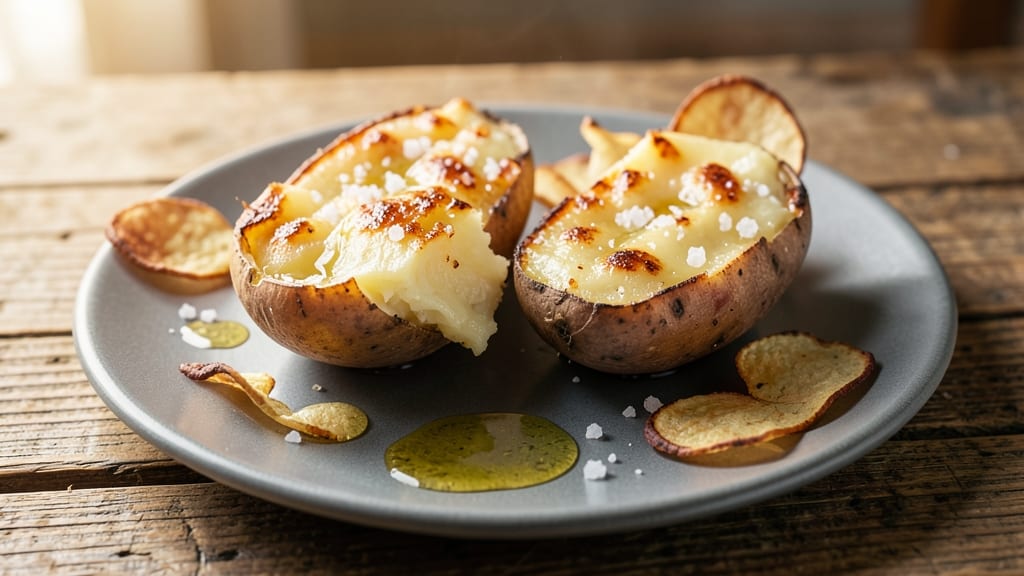
Mastering vinegar-infused baked potato halves delivers crispy edges and buttery interiors that transform a simple side into the star of your meal. The secret lies in a precise balance of acidity and moisture—vinegar creates that signature crispiness while preserving fluffy centers.
After years of testing, I’ve perfected this method to ensure every bite delivers both texture and flavor without compromise.
This recipe requires just five ingredients and 45 minutes of active time, making it ideal for game days, family dinners, or meal prep. The vinegar trick isn’t just about crispiness—it also prevents sogginess, a common issue with baked potatoes.
You’ll start with russet potatoes (their waxy texture holds up best), cut them evenly, and season with salt before baking at 425°F for 40 minutes.
The result is a golden, crispy exterior that shatters with each bite, revealing a buttery interior so tender it practically melts. The vinegar infuses subtle tanginess that complements any topping—think sour cream, chives, or melted cheese. This isn’t just a side; it’s a foolproof technique that elevates every meal.
Whether you’re serving a crowd or prepping for the week, these potato halves reheat beautifully and pair perfectly with grilled meats or fresh salads. Let’s get started with the step-by-step method that guarantees restaurant-quality results at home.
Ingredients for baked potato halves
Five ingredients, one game-changing technique—vinegar and butter transform humble potatoes into crispy, buttery masterpieces.
| Ingredient | Amount | Notes |
|---|---|---|
| Russet Potatoes 🥔 | 3 lb | Large, uniform size preferred |
| White Vinegar 💧 | ½ cup | Distilled for consistent results |
| Unsalted Butter 🧈 | ½ cup | Cold, cubed for even melting |
| Diamond Crystal Kosher Salt 🧂 | 1 ½ tbsp | Coarse grain for even seasoning |
| Vegetable Oil 🫒 | 2 tbsp | High smoke point for baking |
Russet potatoes are non-negotiable here—their high starch content delivers that signature fluffy interior. Buy them fresh from a specialty grocer like Whole Foods or your local farmers market for peak quality; avoid those sprouting eyes at the supermarket. For even cooking, cut them into halves with a sharp chef's knife—thickness matters. The vinegar is the secret weapon: it creates crispiness while preventing sogginess. White vinegar works best due to its mild acidity, but apple cider vinegar adds subtle sweetness if you prefer. Store your potatoes in a cool, dark place until use—never refrigerate, as this turns starch to sugar and ruins texture.
No white vinegar? Lemon juice at half the amount works in a pinch, though the flavor profile shifts slightly. Butter is critical for richness—use only unsalted to control seasoning. For a lighter option, substitute olive oil at a 1:1 ratio, though texture will differ. The vegetable oil is purely functional; avocado or canola oil both work well. Pro tip: if your potatoes are uneven, trim the skin slightly on thicker halves to ensure even baking. And yes, you can use sweet potatoes here—just reduce baking time by 5-7 minutes to prevent over-browning.
These reheat beautifully—450°F for 5-7 minutes in the oven restores crispiness. Store leftovers in an airtight container for up to 3 days, though texture degrades faster than fresh. For meal prep, bake an extra batch and freeze halves on a tray before transferring to a bag—reheat from frozen at 425°F for 15 minutes. The vinegar infusion actually improves with a day's rest, so make them ahead if you can. Toppings like sour cream or chives should be added post-bake to maintain texture contrast.
Why You'll Love This Recipe
- Just Two Steps: I swear, this is the kind of recipe where you almost feel guilty for how little work goes into it. Slice the potatoes, toss in oil and vinegar, bake—done. No peeling, no fuss, no waiting for a single spud to cook.
- Crispy-Creamy Magic: That vinegar bath? It’s the secret weapon—gives them a golden, paper-thin crust while keeping the inside fluffy and buttery. Honestly, the first time I tried it, I thought I’d overcooked them, but no—it’s supposed to look like that.
- Game for Any Meal: Serve them as a side for tacos (trust me, they soak up salsa like champs), turn them into breakfast hash, or just pile them high with cheese and sour cream for a lazy Sunday. My college kids devour them cold straight from the fridge—no judgment here.
- Budget-Friendly Staple: Russets are cheap, this recipe stretches them far, and the ingredients won’t break the bank. I make a double batch, store them in the fridge for days, and they’re always the first thing to disappear. Leftovers? More like never leftovers.
Step-by-step instructions for baked potato halves with vinegar-infused crispy edges
Achieving perfectly crispy edges without drying out the interior requires precision and technique.
Prepare and Cut the Potatoes
Begin by thoroughly cleaning the 3 lb russet potatoes under cold water to remove any dirt. Using a sharp chef's knife, carefully cut each potato lengthwise into two equal halves. For consistent baking, select potatoes that are roughly the same size—this ensures even cooking throughout the batch.
Place the potato halves cut-side down on a clean kitchen towel and gently press down to remove any excess moisture from the cut surfaces. This step is crucial because trapped moisture prevents crispy edges. Arrange them on a baking sheet lined with parchment paper, leaving about 1 inch of space between each half to allow for even air circulation during baking.
Season and Soak in Vinegar Solution
In a small bowl, combine the 0.5 cup white vinegar and 1.5 tbsp diamond crystal kosher salt. Stir until the salt fully dissolves. This solution serves a dual purpose: the acidity in the vinegar helps tenderize the potato edges while the salt enhances flavor and promotes browning.
Using a pastry brush, generously coat both sides of each potato half with this vinegar-salt mixture. Pay special attention to the cut surfaces, as they'll absorb the most liquid. Allow the potatoes to soak for 10 minutes—this pre-treatment creates the ideal conditions for developing that signature crispy texture while maintaining a fluffy interior.
Preheat and Prepare the Baking Environment
Preheat your oven to 425°F. While it's heating, position two wire racks in the oven—one on the upper third and one on the lower third. This two-level arrangement maximizes airflow and prevents steam buildup, which is essential for achieving crispy edges. Place a small baking sheet on the lower rack to catch any drippings.
Lightly brush both sides of each potato half with the 2 tbsp vegetable oil using a clean pastry brush. The oil creates a barrier that promotes even browning and prevents the potatoes from sticking to the baking sheet. Arrange the potato halves on the prepared parchment-lined baking sheet, cut-side up, ensuring they don't touch each other.
Bake Until Perfectly Crispy
Bake the potato halves for 45 minutes, then carefully rotate the baking sheet 180 degrees. This rotation ensures even browning on all sides. After another 15 minutes, check for doneness—the edges should be deep golden brown and crispy to the touch, while the interior should yield slightly when pressed with a fork but still have a bit of resistance.
For the final 5 minutes of baking, place the baking sheet on the upper rack to intensify the browning. The high heat at this stage is what creates that coveted crispy texture. Remove the potatoes when they reach an internal temperature of 200°F—this ensures they're fully cooked through while maintaining their moisture.
Add Butter and Serve Immediately
While the potatoes are still hot, cut the 0.5 cup unsalted butter into small cubes. Using a small spoon or melon baller, create a well in the center of each potato half and add 1-2 butter cubes to each. The residual heat from the potatoes will melt the butter, creating a luscious, flavorful interior.
Let the potatoes rest for 2-3 minutes before serving to allow the butter to fully melt and distribute. The contrast between the crispy, vinegar-infused edges and the buttery, fluffy interior is what makes this preparation truly exceptional. Serve immediately while the edges are at their crispest and the butter is perfectly melted.
Pro Tips For Making Baked Potato Halves
- SOAK THE HALVES: Toss your cut potatoes in cold water with a splash of white vinegar for 10 minutes before baking—this keeps them from turning mealy and soaking up too much oil. I learned this the hard way after serving rubbery potatoes to a crowd.
- PREHEAT THE PAN: Get your baking sheet screaming hot (475°F) for 15 minutes before adding potatoes—this guarantees a crispy skin instead of a sad, limp one. Yes, even if you’re impatient like me, wait.
- SALT THE FLESH: Sprinkle Diamond Crystal salt directly on the cut sides of the potatoes before baking—it seasons the starch and prevents soggy spots. Skip this, and you’ll end up with bland, gummy insides.
- OIL THE SKIN, NOT THE CENTER: Brush vegetable oil only on the exposed skin (not the cut sides) with a pastry brush—this ensures maximum crispiness where it matters. Dumping oil in the center just makes your potatoes greasy.
Best sauces and condiments for this dish
Classic Toppings
Start with the timeless combo of sour cream and chopped chives—this brightens the rich potato flavor. I use ½ cup sour cream (like Breakstone) and 2 tbsp finely chopped chives per serving.
For extra richness, add shredded cheddar cheese (about ¼ cup) while the potatoes are still warm so it melts perfectly. 🧀
Spicy Southwest Style
Transform your baked potato halves into a fiesta-worthy side with green chili sauce (like Texas Pete), crumbled queso fresco, and diced avocado. Mix 2 tbsp chili sauce with 1 tbsp sour cream and spread it over each half.
Top with ¼ cup queso fresco and 2 tbsp avocado cubes for a creamy, spicy kick.
Herb-Infused Olive Oil
Elevate the dish with a drizzle of herb-infused olive oil. Heat ¼ cup olive oil with 1 tbsp each of dried rosemary and thyme until fragrant, then strain.
Drizzle 1 tbsp over each potato half before serving. Add a sprinkle of flaky sea salt (like Maldon) for a gourmet touch that pairs beautifully with grilled meats.
Loaded Potato Twist
For a heartier option, load your potato halves with crumbled bacon (about 2 tbsp per half), diced red onions (sautéed in 1 tsp butter for 3 minutes), and a dollop of blue cheese dressing.
The smoky bacon and tangy dressing create a flavor explosion that’s perfect for game day or brunch. 🥓
Sweet and Savory
Surprise your taste buds with a sweet-savory combo: spread each potato half with 2 tbsp mashed sweet potato (seasoned with ½ tsp cinnamon), then top with 2 tbsp caramelized onions and a sprinkle of toasted pecans.
A drizzle of maple syrup ties it all together—this works amazingly well with roasted chicken or pork.
Cheesy Garlic Lover's
Garlic enthusiasts will adore this topping: mix ¼ cup grated Parmesan with 1 tbsp minced garlic and 1 tbsp chopped parsley. Spread the mixture over the warm potato halves and broil for 2-3 minutes until golden.
The nutty cheese and aromatic garlic make this a crowd-pleaser that’s easy to customize with extra black pepper or red pepper flakes. 🧄
Nutrition facts
Frequently asked questions
Why does this recipe use vinegar for baked potato halves?
The vinegar creates a chemical reaction that breaks down the potato's cell structure, producing crispy edges while preventing sogginess. This method also enhances browning and adds subtle tanginess that pairs perfectly with buttery interiors. It's the secret to restaurant-quality texture at home!
Can I use sweet potatoes instead of russets?
Yes, but with adjustments! Sweet potatoes have more moisture, so reduce baking time by 5-7 minutes and increase oil to 3 tbsp for better browning. The vinegar treatment still works, though the flavor profile will be slightly sweeter. For best results, choose firm, uniform sweet potatoes.
How do I prevent my potato halves from falling apart?
Keep cut surfaces dry by pressing them with a towel before baking, and avoid overcrowding on the sheet. The vinegar solution helps stabilize the structure, but if potatoes still fall apart, try baking at 400°F instead of 425°F for 50 minutes to reduce moisture loss.
Can I make these ahead of time?
Bake them fresh for best texture, but you can prep toppings in advance. Store plain baked halves in an airtight container for 3 days—reheat at 450°F for 5-7 minutes to restore crispiness. For meal prep, freeze halves before adding butter and reheat from frozen at 425°F for 15 minutes.
What's the best way to reheat leftovers?
Place potatoes on a baking sheet and reheat at 450°F for 5-7 minutes until edges are crispy again. For microwave reheating, cover with a damp paper towel and heat for 30-45 seconds—this adds moisture without making them soggy. Always add fresh toppings after reheating for maximum flavor.